

Author: Elliott Garber, DVM · Updated
Why Show Cattle?
Showing cattle is one of the most rewarding experiences in the livestock world. It connects breeders with their peers, puts your genetics in front of potential buyers, and provides an objective evaluation of your breeding program by experienced judges. For many operations, show ring success is the foundation of their marketing strategy and reputation.
Whether you raise highland cattle, Angus, Hereford, or any other breed, the fundamentals of showing are the same: present a well-conditioned, well-trained animal that represents the best of your breeding program. The specifics of grooming, fitting, and ring etiquette vary by breed, but the preparation, discipline, and stockmanship skills transfer across all of them.
This guide covers what new exhibitors need to know to get started, from selecting a show animal and preparing it for the ring to understanding what judges look for and making the most of your show experience.
As you prepare your show string, create a profile for your animals on Creatures to document their show records and achievements.
Selecting a Show Animal
Showing starts long before show day. It starts with selecting the right animal.
What Judges Evaluate
While judging criteria vary slightly by breed, judges universally evaluate cattle on structural soundness, muscling, balance, breed character, and condition. Understanding these criteria helps you select animals with show potential from your herd.
Structural soundness: The animal should move freely and stand squarely on sound feet and legs. Judges look for correct set to the hock, adequate bone, and a smooth, fluid gait. Structural problems (post-legged, sickle-hocked, cow-hocked) are heavily penalized because they affect the animal’s longevity and productivity.
Balance and proportion: A well-balanced animal has proportional length of body, depth of rib, and spring of rib. The topline should be level and strong. The animal should look “put together” from every angle, with no one feature dominating or out of proportion.
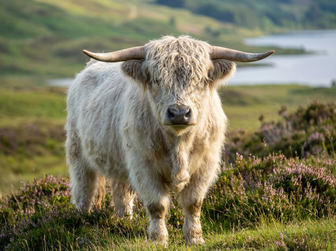
Breed character: Each breed has specific traits that define its ideal type. For highland cattle, this includes proper coat length and texture, horn shape and set, and the overall appearance that reflects the breed standard. Judges reward animals that exemplify their breed’s defining characteristics.
Muscling: Particularly important in beef breeds, judges evaluate the degree and pattern of muscling. A well-muscled animal should show definition through the stifle, quarter, and loin without being extreme or sacrificing structural correctness.
Condition: The animal should be in appropriate flesh for its age and class. Overconditioned animals (too fat) are as problematic as underconditioned ones. The goal is to present the animal at its genetic best, not to mask weaknesses under excess condition.
Starting With Your Best
Don’t show average animals. The show ring is a showcase for your program’s best representatives. Showing a mediocre animal does more harm than good to your reputation. Better to show one excellent animal than three average ones.
Evaluate your herd honestly. Compare your animals against the breed standard and against what’s winning at shows you plan to enter. If you don’t have a show-quality animal this year, attend shows as a spectator, study what wins, and make breeding decisions that improve your chances next year.
Preparing for the Show
Halter Training
Every show animal must be halter-trained. The animal needs to lead willingly, stop and stand when asked, and remain calm in a noisy, crowded environment with unfamiliar animals and people. This does not happen overnight.
Timeline: Begin halter training at least 3 to 4 months before your first show. For calves, starting at 2 to 4 months of age is ideal. Older animals that have not been handled require more time and patience.
Daily sessions: Work with your animal for 15 to 20 minutes daily. Keep sessions positive and consistent. The goal is an animal that trusts its handler and responds to gentle pressure on the halter and lead.
Key skills:
- Leading at a walk (the animal should walk beside you, not drag behind or charge ahead)
- Stopping and standing square (all four feet positioned correctly)
- Setting up (positioning the animal for the judge’s evaluation, adjusting feet by applying pressure with a show stick or by repositioning)
- Standing calmly while being touched and examined
- Walking in both directions and making smooth turns
Practice in different environments to build confidence. Walk your animal near tractors, dogs, flapping tarps, and other distractions. Expose it to loading and unloading from a trailer. The goal is an animal that is unflappable on show day because it has already experienced similar stimuli.
Nutrition and Conditioning
Show conditioning is about presenting the animal in optimal body condition with a healthy, glossy coat. This requires a balanced nutrition program started well in advance of the show.
Feeding program: Work with your veterinarian or a livestock nutritionist to develop a feeding program appropriate for the animal’s age, breed, and current condition. The goal is steady, controlled growth and condition, not rapid weight gain. Overfeeding is a common mistake that produces an overconditioned animal with fat deposits that obscure structural correctness.
Coat condition: A healthy coat starts with good nutrition (adequate protein, fat, and mineral supplementation), parasite control (regular deworming and external parasite treatment), and consistent grooming. For breeds like highland cattle where coat quality is a judging criterion, this is especially important.
Exercise: Regular exercise helps maintain muscle tone and prevents the animal from becoming soft or lethargic. Walking your animal during halter training sessions provides both training and exercise.
Health Requirements
Every show has health entry requirements. Failing to meet them means your animal stays home (or gets sent home from the show grounds).
Common requirements:
find breeders in your area on Creatures who raise competitive show prospects, and create a free Creatures account to connect with them directly.
- Current Certificate of Veterinary Inspection (CVI), typically issued within 30 days of the show
- Negative disease tests as required by the show and the state where the show is held
- Current vaccinations as specified by the show entry requirements
- Official identification (ear tag, registration tattoo, or microchip) matching the CVI
Check the show’s entry requirements as soon as entries open. Some shows require specific tests (like a negative BVD-PI test) or vaccinations that take time to arrange. Schedule your veterinary exam early enough to receive test results and address any issues before show day.
Log all show health requirements in your animal’s records so you have documentation readily accessible at check-in.
Grooming and Fitting
Fitting (the grooming and preparation of a show animal) varies significantly by breed. Here are the general principles:
Washing: Wash the animal thoroughly 1 to 2 days before the show with livestock shampoo. For cattle with longer coats, allow adequate drying time. Some exhibitors use a blower or fan to help with drying and to train the hair to lie correctly.
Clipping: Clipping requirements vary by breed and show. Many beef breeds are clipped and fitted to enhance the animal’s appearance. Highland cattle and other long-haired breeds are generally shown in their natural coat with minimal clipping, though cleaning up around the ears, poll, and underline is common. Check your breed association’s show guidelines for specific fitting standards.
Hooves: Trim hooves 2 to 4 weeks before the show so the animal has time to adjust to the trim. Hooves should be clean, well-shaped, and free of cracks or overgrowth. An animal that is sore-footed from a last-minute trim will not move well in the ring.
Final preparation: On show day, brush or blow out the coat, apply any approved coat products, clean the animal’s face and ears, and ensure the show halter fits properly. Have your show supplies organized: halter, lead, show stick, brushes, coat products, towels, and any breed-specific grooming tools.
Show Day: In the Ring
Showmanship Basics
How you present your animal matters. Good showmanship highlights your animal’s strengths and demonstrates your stockmanship skills. Poor showmanship can cost you placings even with a superior animal.
Key principles:
- Keep the animal between you and the judge. As the judge moves around the ring evaluating animals, reposition yourself so you’re always on the opposite side of the animal from the judge. This gives the judge an unobstructed view.
- Keep the animal’s head up. A raised head elongates the neck and topline, presenting a more attractive profile. Use gentle upward pressure on the halter to maintain head position.
- Set the animal up quickly. When the judge is evaluating your animal, all four feet should be squarely placed. Learn to use a show stick to gently adjust foot placement without disrupting the animal’s posture.
- Stay alert and aware. Watch the judge at all times. Anticipate when they’ll move to evaluate your animal and have it set up and ready. Be aware of the animals around you and maintain safe spacing.
- Stay calm. Your animal reads your energy. If you’re nervous and jerky, the animal will be too. Move deliberately, breathe, and project confidence.
Ring Etiquette
- Enter the ring promptly when your class is called
- Follow the ring steward’s instructions for direction of travel and line placement
- Maintain adequate spacing between your animal and others (at least one animal-length)
- Do not crowd other exhibitors or block the judge’s view of their animals
- Accept the judge’s decision gracefully regardless of the outcome
- Thank the judge after your class
What to Expect
A typical show class proceeds as follows: exhibitors enter the ring and walk their animals in a circle so the judge can observe them in motion. The judge then asks exhibitors to line up head-to-tail for individual evaluation. The judge examines each animal from the side, front, and rear, often handling the animal to evaluate muscling and structural features. After evaluating all animals, the judge makes final comparisons and places the class. In many shows, the judge provides oral reasons explaining the placings.
For highland cattle and some other breeds, the judge may ask you to walk your animal individually so they can evaluate movement and breed-specific traits like horn set and coat quality.
Making the Most of Your Show Experience
Networking
Shows are the livestock industry’s best networking events. Other exhibitors are your peers, potential buyers, and potential mentors. Introduce yourself, ask questions, and learn from experienced showpeople. The relationships you build at shows often lead to sales, breeding partnerships, and lasting friendships.
Make sure your Creatures breeder profile is up to date before attending shows. Other exhibitors and spectators who see your animal may look you up online afterward.
Marketing Your Program
Show results are marketing gold. A placement at a reputable show validates your breeding program in a way that no amount of self-promotion can match. Use show results in your marketing:
- Update your animal profiles with show placings and photos
- Share results on social media and your breeder profile
- Reference show performance in marketplace listings for the animal and its offspring
- Display show banners and ribbons at farm visits
Even if you don’t win, showing demonstrates that you’re serious about your program and willing to put your animals in front of expert evaluation. That commitment resonates with discerning buyers.
Learning From Judges
Pay attention to oral reasons and ask judges questions after your class (at appropriate times, not while they’re judging). Understanding why the judge placed animals the way they did helps you evaluate your own animals more critically and make better breeding decisions.
Many shows offer showmanship clinics, fitting demonstrations, and educational seminars. Take advantage of these. The learning opportunities at shows are as valuable as the competition itself.
Getting Started: Your Show Season Checklist
- Select your show animal at least 4 to 6 months before the first show. Evaluate honestly against the breed standard.
- Begin halter training immediately. Daily sessions of 15 to 20 minutes build trust and skills.
- Develop a feeding and conditioning program with your veterinarian to bring the animal to optimal show condition.
- Check show entry requirements and deadlines. Submit entries early and schedule veterinary exams for CVI and required testing.
- Document health records including vaccinations, testing, and CVI details for show check-in.
- Practice fitting and grooming well before show day. A last-minute first attempt always shows.
- Update your animal profiles on Creatures with show results, photos, and placings after each show.
Showing cattle is a skill that develops over years, not days. Your first show will be a learning experience, and that’s exactly what it should be. Start with local and regional shows, learn the process, and build from there.
Frequently Asked Questions
How much does it cost to show cattle?
Costs vary widely depending on the show, travel distance, and breed. Entry fees range from $15 to $50 per class. Add veterinary costs for the CVI and required testing ($100 to $250), travel and fuel, stall or pen fees ($25 to $75 per show), and feed and bedding. A local show might cost $200 to $400 total. A national breed show with significant travel can cost $1,000 or more. Many exhibitors share travel and stall costs by attending shows with other breeders.
What age should I start showing cattle?
Most breed shows have classes for cattle starting at calf age (under 1 year). Youth showmanship classes in 4-H and FFA often start at age 8 to 9 for the exhibitor. For the exhibitor new to showing, starting with a yearling or young animal that is calm and halter-broke is ideal. The animal’s first show experience shapes its behavior at future shows, so a positive experience matters.
Do I need to be a member of a breed association to show?
For most breed-specific shows (AHCA shows for highland cattle, for example), the animal must be registered with the breed association, and the exhibitor typically must be a member. Open shows and county fairs may accept unregistered animals. Check the show’s rules and entry requirements before entering.
How do I find shows to enter?
Your breed association’s website and newsletter are the best sources for breed-specific shows. State and county fair websites list open cattle shows. Online show calendars aggregate shows by breed and region. Our livestock shows guide provides additional resources for finding and preparing for shows in your area.
What if my animal misbehaves in the ring?
It happens to everyone. Stay calm, maintain control of the animal, and do your best. An animal that acts up is usually nervous or undertrained. If the animal is truly out of control and a safety risk, remove it from the ring. After the show, analyze what went wrong and adjust your training. More exposure to show-like environments (noise, crowds, other animals) before the next show will help. Most judges have seen it all and will not hold a minor incident against you if you handle it professionally.







