


Author: Elliott Garber, DVM · Updated
What 4-H and FFA Livestock Projects Teach Young People
A 4-H or FFA livestock project is more than raising an animal. It is a structured program that teaches young people responsibility, animal husbandry, financial management, public speaking, and the discipline of seeing a commitment through from start to finish. These skills transfer directly into adulthood, which is why livestock programs have been a cornerstone of agricultural education for over a century.
For families considering a livestock project, the questions are practical: Which animal should we start with? How much does it cost? What’s the time commitment? How do we find the right resources? This guide answers those questions and walks you through the process from enrollment to show day and beyond.
4-H vs. FFA: Understanding the Difference
4-H
4-H is a youth development program administered by the Cooperative Extension System through land-grant universities in every state. It is open to youth ages 5 to 18 (age requirements vary by state and county). 4-H livestock projects are managed at the county level, with local leaders, volunteers, and extension agents providing guidance.
Key characteristics of 4-H livestock projects:
- Open to any youth in the eligible age range, regardless of school enrollment
- Projects are self-directed with guidance from local leaders and mentors
- County and state fairs are the primary competitive venues
- Emphasis on education, personal development, and community service alongside competition
- Homeschooled youth are eligible in all states
the National FFA Organization (FFA)
FFA is a career and technical education organization connected to agricultural education classes in middle and high schools. Students must be enrolled in an agricultural education course to join FFA. Livestock projects in FFA are called Supervised Agricultural Experiences (SAEs).
Key characteristics of FFA livestock projects:
- Requires enrollment in a school-based agriculture class
- Projects are supervised by the agriculture teacher (FFA advisor)
- Competition opportunities include FFA shows, livestock judging contests, and proficiency awards
- Strong emphasis on record keeping, career development, and leadership
- Available at the chapter (school), district, state, and national levels
Many youth participate in both 4-H and FFA simultaneously, using the same animal for projects in both programs. This is allowed in most states, though check with your local leaders for specific rules.
Choosing the Right Species
The species you choose should match your family’s resources, experience, space, and budget. Here is a realistic assessment of the most common 4-H and FFA livestock species.
Cattle (Beef)
Space needed: Minimum 1 to 2 acres of pasture or a pen with adequate shelter. You need a secure fence, water source, and feeding area.
Budget: Purchase price for a market steer or heifer project ranges from $1,500 to $4,000 depending on breed, quality, and your region. Feed costs run $150 to $300 per month. Add veterinary care, supplies, entry fees, and show expenses, and a typical beef project costs $3,000 to $6,000 over its duration.
Time commitment: Daily feeding, watering, and observation. Daily halter training sessions (15 to 20 minutes) during the months leading up to shows. Pen cleaning as needed.
Best for: Families with existing fencing and livestock infrastructure, or those willing to invest in it. Beef projects teach the most about large animal management but require the most resources.
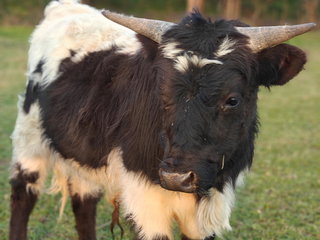
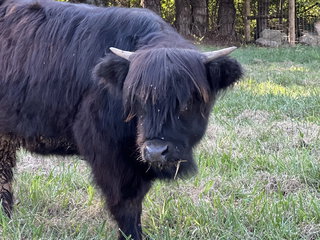
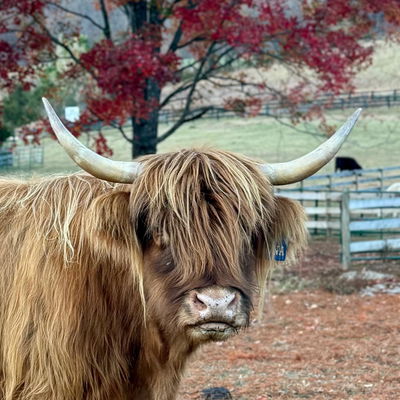
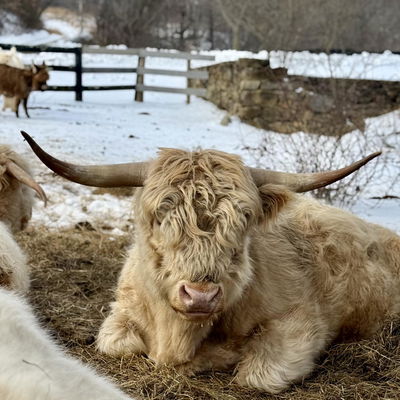
Heritage breeds like highland cattle make excellent youth projects because of their docile temperament and manageable size, though availability of show classes for heritage breeds varies by show.
Sheep
Space needed: A secure pen or small pasture. Sheep require less space than cattle but need strong fencing (they are excellent escape artists).
Budget: Purchase price for a market lamb project is typically $200 to $800. Feed costs are lower than cattle ($50 to $100 per month). Total project cost is usually $800 to $2,000.
Time commitment: Daily feeding and watering. Halter training (easier than cattle, as lambs are lighter and generally cooperative). Shearing or fitting before shows.
Best for: First-time livestock families, families with limited space, and younger exhibitors who may not be ready to handle a 1,000-pound steer.
Goats (Market and Breeding)
Space needed: Similar to sheep. Goats need extremely secure fencing because they will test every weakness.
Budget: Purchase price for a market goat project is $150 to $500. Feed costs are $40 to $80 per month. Total project cost is typically $600 to $1,500.
Time commitment: Daily care plus halter training. Goats are intelligent and can be trained quickly, making them a rewarding project for younger exhibitors.
Best for: Younger exhibitors, families new to livestock, and areas where goat shows have strong participation. For goat-specific rules, from ADGA legs to market goat weights and showmanship, see our guide to goat shows. Goat projects have grown significantly in popularity over the past decade.
Swine
Space needed: A secure pen with shelter. Pigs do not need pasture but need a clean, well-ventilated space with shade in summer.
Budget: Purchase price for a market hog project is $100 to $500. Feed costs are significant because pigs eat a lot ($100 to $200 per month). Total project cost is typically $800 to $2,000.
Time commitment: Daily feeding, watering, and pen cleaning. Pigs grow fast (market weight in 5 to 6 months), so the project timeline is shorter than beef but more intensive during that period.
Best for: Families who want a shorter project timeline. Swine projects teach excellent lessons about feed efficiency, growth rates, and market timing. To compare breeds before you choose a project pig, see our guide to types of pigs and pig breeds.
Poultry
Space needed: A coop and small outdoor run. The most space-efficient livestock project.
Budget: The lowest-cost entry point. Chicks cost $3 to $15 each, feed costs are minimal, and housing can be built inexpensively. Total project cost is often under $200.
Time commitment: Daily feeding, watering, and egg collection. Less handling and training required than mammals, though showmanship with poultry still requires practice.
Best for: Youngest exhibitors, families with very limited space or budget, and youth who want a project with lower emotional intensity at market time.
Horses and Donkeys
Space needed: Pasture and shelter. Horses and miniature donkeys require more land than small livestock but less than a cattle operation.
Budget: Highly variable. Horse projects can range from $2,000 to $10,000+ per year depending on discipline, training, and competition level. Miniature donkey projects are considerably less expensive.
Time commitment: Significant. Daily feeding, grooming, and riding or training. Horse projects are long-term commitments (the animal is kept for years, not sold at market).
Best for: Youth with existing horse experience or access to a mentor. Horse projects teach discipline and partnership with an animal over years, not months.
Getting Started: Step by Step
Step 1: Contact Your Local Extension Office or FFA Chapter
For 4-H, contact your county Cooperative Extension office. They can direct you to local 4-H clubs with livestock projects, provide enrollment information, and connect you with volunteer leaders who can mentor your family.
For FFA, contact the agriculture teacher at your local high school. If your student is not yet in high school, ask about middle school agriculture programs or early FFA membership options.
Step 2: Attend a Meeting or Information Session
Before committing, attend a 4-H club meeting or FFA chapter event. Talk to current members and their parents. Ask about time commitments, costs, and what they wish they had known before starting. This ground-level perspective is invaluable.
Step 3: Assess Your Resources
Be honest about what your family can provide:
- Space: Do you have adequate facilities, or will you need to build or rent them?
- Budget: Can you fund the purchase, feed, veterinary care, and show expenses for the full project duration?
- Time: Does your family’s schedule allow for daily animal care, including during school breaks, vacations, and bad weather?
- Transportation: Do you have a truck and trailer to move animals to shows and back?
- Mentorship: Is there a local leader, experienced breeder, or FFA advisor who can guide you through the process?
If you don’t have facilities, many 4-H families board their project animals at a mentor’s farm or a local facility. This is common and perfectly acceptable, though it adds cost and logistics.
Looking for the right project animal? find breeders in your area on Creatures who work with youth exhibitors in your area.
Step 4: Select and Purchase Your Animal
Work with your leader, advisor, or mentor to find an appropriate animal. For a first project, prioritize temperament and handleability over genetic potential or show pedigree. A calm, cooperative animal creates a positive first experience. A flighty, poorly handled animal creates frustration and potential safety concerns.
Where to find project animals:
- Local breeders recommended by your 4-H leader or FFA advisor
- Breed association breeder directories (like the Creatures Breeder Directory)
- Youth livestock sales specifically designed for project animal purchases
- Online marketplaces where you can search by breed, age, and location
When purchasing, ask the seller for the animal’s health history, vaccination records, and any available pedigree or registration information. Document this information from day one. Record keeping is a core component of both 4-H and FFA projects, and starting with complete records sets the right foundation.
Step 5: Establish a Care Routine
From the day the animal arrives, establish a consistent daily routine:
- Morning and evening feeding at the same times each day
- Fresh water always available
- Daily health observation (Is the animal eating? Moving normally? Any discharge, limping, or unusual behavior?)
- Halter training or handling sessions
- Record keeping (feed consumed, weight gains, health observations, expenses)
The daily routine is where the real learning happens. Responsibility, consistency, and observation skills develop through the repetition of daily care, not through the show ring alone.
Health Management for Project Animals
Keeping your project animal healthy is both a responsibility and a learning opportunity. Work with your family veterinarian to establish a health management plan appropriate for your species and region.
Vaccinations
Your veterinarian can recommend a vaccination protocol appropriate for your project animal’s species, age, and location. For cattle projects, core vaccines typically include clostridial diseases (7-way or 8-way) and respiratory viruses (IBR, BVD, PI3, BRSV). Sheep and goat projects need clostridial protection (CDT vaccine at minimum). Follow your veterinarian’s guidance on timing, especially if the animal is destined for shows where specific vaccination requirements may apply.
Parasite Control
Internal and external parasites are a common challenge in young livestock. Your veterinarian can recommend a deworming schedule based on your animal’s species, age, and pasture management. For cattle and small ruminants, fecal egg counts can guide targeted deworming rather than routine treatment, which helps manage parasite resistance.
Nutrition
Feed the right diet for your species and the animal’s stage of growth. Overfeeding is the most common nutrition mistake in show projects, resulting in an overconditioned animal that loses structural definition. Underfeeding is less common but equally problematic. Work with your leader, advisor, or a livestock nutritionist to establish a feeding program that produces steady, controlled growth.
Record Keeping
Both 4-H and FFA require project record books. These records document everything: feed purchases and consumption, veterinary care, weight gain, expenses and income, daily observations, and show results. Complete, accurate records are evaluated as part of many competitions and awards.
Create a free Creatures account and create a profile for your animals on Creatures to track your project animal’s growth, health records, and show results throughout the season.
Creating an animal profile on Creatures provides a digital complement to your paper record book, making it easy to track health records, photos, and growth data in one place.
Preparing for Shows
Show preparation for 4-H and FFA animals follows the same principles covered in our guide to showing cattle. The key additions for youth programs:
Showmanship Classes
In addition to breed and market classes (where the animal is judged), most youth shows include showmanship classes (where the exhibitor is judged). Showmanship evaluates your skill in presenting the animal: how well you handle, groom, and show knowledge of your project. Showmanship is often where younger or first-time exhibitors can earn their first ribbons, because it rewards effort and skill regardless of the animal’s quality.
Livestock Judging
Many 4-H and FFA programs include livestock judging as a companion activity. In judging contests, participants evaluate classes of animals and present oral reasons for their placings. This develops the same eye for livestock quality that breeders use every day, and it’s an excellent skill that strengthens your ability to select and evaluate animals for the rest of your life.
Show Health Requirements
Youth shows typically require the same health documentation as open shows: a current CVI, required disease tests, proof of vaccination, and official identification. Many county fairs have specific entry deadlines and health documentation requirements. Missing a deadline or lacking documentation can disqualify your entry regardless of how well-prepared your animal is.
The Market Sale: What Families Need to Know
For market animal projects (steers, market lambs, market hogs, market goats), the project typically ends with a sale at the county or state fair. This is an important and sometimes emotional experience for young exhibitors.
How Youth Market Sales Work
At most county fairs, the market sale is a premium auction where community members, local businesses, and supporters bid on the animals. Prices at youth sales typically exceed commercial market value because buyers are supporting the young person’s project, not just purchasing an animal. It is common for a 4-H market steer to bring two to four times the commercial market price at a premium sale.
Preparing for Sale Day
Youth should be prepared to:
- Present their animal in the show ring before the sale
- Thank their buyers personally (a handwritten thank-you note after the sale is standard practice and teaches gratitude and professionalism)
- Understand where the money goes (some programs require a portion of proceeds to be saved or reinvested in the next project)
The Emotional Component
Selling a market animal the young person has raised from a calf or lamb is genuinely hard. This is normal and healthy. The experience teaches that agriculture involves real decisions with real consequences, and that caring for an animal and understanding its purpose in the food system are not contradictory. Many longtime livestock producers point to their first market sale as a defining moment in their understanding of agriculture.
Parents and leaders can help by discussing this early and honestly, not on sale day. Acknowledge the difficulty without dismissing it. The sadness passes. The lessons remain.
Beyond the Show Ring: Lifelong Benefits
The skills developed through 4-H and FFA livestock projects extend far beyond agriculture:
- Responsibility: An animal depends on you every single day, regardless of weather, mood, or competing priorities
- Financial literacy: Tracking expenses, income, and return on investment teaches real-world money management
- Public speaking: Showmanship, livestock judging oral reasons, and record book interviews build communication confidence
- Problem solving: Animals get sick, fences break, and plans change. Adapting in real time is a lifelong skill
- Work ethic: Daily chores build discipline that coaches, teachers, and future employers notice
- Community: The 4-H and FFA communities create friendships and networks that last decades
These programs also create the next generation of livestock breeders, veterinarians, and agricultural professionals. Many of today’s top breeders started with a 4-H calf or FFA lamb.
Getting Started: Family Action Plan
- Contact your county Extension office or school FFA advisor to learn about local livestock project options and enrollment timelines.
- Attend a club meeting and talk to experienced families before committing.
- Assess your resources honestly: space, budget, time, transportation, and mentorship.
- Choose a species that matches your family’s capabilities and your child’s interests.
- Find a quality project animal through local breeders, the Creatures Breeder Directory, or youth livestock sales.
- Set up an animal profile and begin documenting records from day one.
- Establish a daily care routine and start halter training immediately.
A livestock project is a significant commitment for the whole family, but the return on that investment, in skills, character, and memories, is extraordinary.
Frequently Asked Questions
What age can my child start a 4-H livestock project?
Age requirements vary by state and county. Many states allow “Cloverbud” participation (ages 5 to 8) with modified, non-competitive projects. Full competitive livestock projects typically begin at age 8 or 9. Contact your county Extension office for your state’s specific age requirements.
How much does a 4-H or FFA livestock project cost?
Total costs vary significantly by species: poultry projects can cost under $200, small ruminant (sheep/goat) projects typically run $800 to $2,000, swine projects $800 to $2,000, and beef projects $3,000 to $6,000 or more. These figures include animal purchase, feed, veterinary care, supplies, and show expenses over the project duration. Many youth earn back a portion of their costs through the market sale.
We don’t have a farm. Can we still do a livestock project?
Yes. Many successful 4-H and FFA members raise their project animals at a mentor’s property, a community 4-H facility, or a rented space. Some families arrange to board their project animal at a local farm. Talk to your 4-H leader or FFA advisor about boarding options in your area. Poultry projects are also feasible in suburban settings where local ordinances permit backyard chickens.
What is the time commitment for a livestock project?
Expect 30 to 60 minutes of daily care (feeding, watering, health checks) plus additional time for halter training, record keeping, and show preparation. During show season, the time commitment increases with fitting, grooming, travel, and competition. The project typically runs 4 to 8 months for market animals and year-round for breeding stock projects.
Can my child show a pet or companion animal instead of a market animal?
Yes. Both 4-H and FFA offer breeding stock projects where the animal is kept and shown rather than sold at market. Dairy cattle, breeding heifers, breeding ewes, and horse projects are all non-terminal. These projects teach the same skills (animal care, showmanship, record keeping) without the market sale component, which some families prefer.