

Author: Elliott Garber, DVM · Updated
Winter Changes Everything
Cold weather transforms cattle management. Nutrient requirements increase, water sources freeze, body condition becomes harder to assess under thick winter coats, and the decisions you make between November and March determine whether your herd emerges in the spring ready to breed back on schedule or thin, weak, and behind.
If this is your first winter with cattle, our beginner’s guide to raising livestock covers the fundamentals you should have in place before cold weather arrives.
The core challenge is simple: cattle burn more energy to stay warm when temperatures drop below their lower critical temperature (LCT). Every degree below that threshold increases their energy requirement. If you do not feed to meet that demand, the cow draws on her own body reserves, losing condition that directly affects her ability to breed back, produce milk, and raise a healthy calf.
This guide covers the nutrition adjustments, shelter strategies, water management, and body condition monitoring that keep cattle healthy and productive through winter, whether you are managing 5 head on a small farm or 500 on a ranch.
Understanding Cold Stress in Cattle
Lower Critical Temperature
Every animal has a lower critical temperature (LCT): the ambient temperature below which the animal must increase metabolic heat production to maintain body temperature. For cattle with a dry winter coat, the LCT is approximately 18 degrees Fahrenheit. For cattle with a wet coat, it jumps to about 59 degrees Fahrenheit. This is why wet, windy conditions are far more dangerous than dry cold.
Ensure your vaccination schedule is current before winter, since cold stress can compromise immune function.
Below the LCT, cattle need approximately 1 percent more total digestible nutrients (TDN) for every degree Fahrenheit below the threshold. On a day when the wind chill drops to minus 10 degrees, a dry-coated cow needs roughly 28 percent more energy than she would on a calm 50-degree day. That translates directly into more feed.
Wind Chill Is the Real Threat
Wind strips the insulating layer of warm air trapped in the cow’s hair coat, effectively lowering the temperature she experiences. A 20-degree day with a 20 mph wind produces a wind chill of 4 degrees Fahrenheit, putting a dry-coated cow 14 degrees below her LCT. That same 20-degree day with no wind is only 2 degrees below LCT, requiring a fraction of the additional energy.
Research from the University of Nebraska demonstrated that cattle with access to windbreaks gained 34 to 35 pounds more per animal over the winter feeding period compared to cattle without windbreak protection, on the same diet. The windbreak did not provide warmth; it simply reduced the wind chill effect and the associated energy waste.
Wet Coat Compounds Everything
A wet hair coat loses most of its insulating value. The LCT of a wet cow is roughly 40 degrees higher than a dry cow (59 degrees Fahrenheit vs. 18 degrees Fahrenheit). A cold rain at 40 degrees Fahrenheit with wind can create more cold stress than a dry, calm day at zero degrees.
This is why late fall and early winter rain events, when temperatures hover in the 30s and 40s with wind, are the most dangerous conditions for cattle. Deep cold in January with a dry, fluffy snow on the ground is often less stressful than a November sleet storm.
Winter Feeding
The Most Important Rule: Feed Before the Storm
When a cold front is approaching, increase feed the day before and the morning of the temperature drop. Cattle need 6 to 12 hours to digest feed and convert it to metabolic heat. Feeding after the animal is already cold-stressed means the cow spends hours burning body reserves before the feed energy becomes available. Feeding in advance means the digestive heat is already being produced when the cold hits.
Strategic deworming before winter helps cattle absorb nutrients more efficiently when feed intake matters most.
This is one of the most practical pieces of winter management, and it is the one most commonly missed. Check the weather forecast daily during winter months and adjust feeding accordingly.
Document your winter care protocols by using Creatures to add health records, including body condition scores and feed changes.
Hay Quality Matters More in Winter
Not all hay is equal, and in winter the differences matter. A cow maintaining body condition needs hay with at least 8 to 10 percent crude protein and 55 to 60 percent TDN. Late-cut, stemmy hay may test at 5 to 7 percent crude protein and 45 percent TDN, falling well short of maintenance requirements, especially during cold stress.
Test your hay. A forage analysis costs $15 to $25 per sample through your county extension office or a commercial lab. Knowing the actual nutritional value of your hay lets you calculate whether supplementation is needed rather than guessing.
If your hay is below maintenance quality, supplement with:
- Protein supplement: Range cubes (20 to 38 percent crude protein), distillers grains, or soybean-based supplements. Protein supplementation is the highest priority because protein deficiency limits the cow’s ability to digest forage efficiently. A protein-deficient cow eating adequate hay still loses condition because she cannot extract the energy from the forage.
- Energy supplement: Corn, barley, or commercial energy feeds. Energy supplementation makes sense when both the hay quality and the cold stress demand exceed what protein supplementation alone can address.
Feeding Late in the Day
Research from multiple universities supports feeding the main hay meal in late afternoon rather than early morning. The peak of digestive heat production occurs 4 to 6 hours after feeding. A late-afternoon feeding means peak heat production occurs during the coldest overnight hours, providing a natural buffer against nighttime cold stress.
This does not mean you skip a morning feeding in extreme cold. During severe weather, feeding twice daily (morning and late afternoon) provides more consistent energy supply and heat production throughout the 24-hour period.
How Much to Feed
A 1,200-pound cow in mid-gestation eating average-quality grass hay (55 percent TDN, 9 percent CP) needs approximately 26 to 28 pounds of hay per day under normal winter conditions. During cold stress events (wind chill below 18 degrees Fahrenheit), increase to 30 to 35 pounds per day or supplement with additional energy.
In late gestation (last 60 to 90 days before calving), nutrient requirements increase by 15 to 20 percent above mid-gestation levels. The growing calf consumes more of the cow’s energy, and the cow needs to be gaining condition to enter calving at a body condition score of 5 to 6. Failure to increase nutrition in late gestation leads to weak calves, poor colostrum quality, and delayed rebreeding.
Mineral Supplementation in Winter
Do not discontinue mineral supplementation in winter. Cattle need consistent access to a complete mineral supplement year-round. Consumption may decrease in cold weather, so check mineral feeders regularly and ensure the mineral has not frozen or crusted over. Place mineral feeders near water or feeding areas where cattle congregate daily.
Water: The Overlooked Winter Essential
Cattle Do Not Eat Snow Efficiently
A common misconception is that cattle can meet their water needs by eating snow. While cattle can survive on snow in some conditions, research from South Dakota State University shows that cattle eating snow consume less feed (because the energy cost of melting snow reduces their net energy intake) and lose more body condition than cattle with access to liquid water.
A mature cow needs 8 to 12 gallons of water per day in winter, more in late gestation or lactation. Provide unfrozen water daily.
Create a free Creatures account and create a profile for your animals on Creatures to track seasonal health records and catch problems early.
Keeping Water Available
Frozen water tanks are the most common winter management frustration. Options for maintaining open water include:
- Electric tank heaters: Submersible or floating heaters that keep water above freezing. Cost $30 to $100 per heater plus electricity. Inspect regularly for damaged cords (a safety hazard).
- Insulated tanks: Concrete or insulated plastic tanks retain heat better than metal. Some designs use geothermal heat from below-ground water to maintain temperature without electricity.
- Tire tanks: Large equipment tires filled with concrete and fitted with a tank basin. The black rubber absorbs solar heat and the mass of the concrete moderates temperature swings. A proven low-tech option for areas without electricity.
- Breaking ice manually: The labor-intensive option. In moderate climates with occasional freezing, breaking ice once or twice daily may suffice. In sustained cold, this is impractical and cattle do not drink as much from icy water.
Water Location
Place water sources where cattle do not have to walk through deep snow or mud to access them. Cattle that must travel long distances through difficult terrain to reach water will drink less and eat less, compounding cold stress. If pasture rotation moves cattle away from permanent water sources, provide temporary water in the grazing area.
Shelter and Windbreaks
Cattle Do Not Need Barns
Healthy, dry, well-fed cattle with a winter coat tolerate remarkably cold temperatures without enclosed shelter. What they need is wind protection and dry ground. A three-sided shed open to the south, a dense treeline, or even a constructed windbreak panel (snow fence, plywood, or hay bales) provides meaningful protection against wind chill.
Enclosed barns can actually create problems: poor ventilation traps ammonia and moisture, increasing respiratory disease risk. Mud and manure accumulate faster in confined spaces. For most cow-calf operations, open windbreaks are superior to enclosed barns for winter housing.
Effective Windbreak Design
A windbreak reduces wind speed for a distance of 10 to 15 times its height on the downwind side. A 10-foot windbreak protects cattle for roughly 100 to 150 feet downwind. Position windbreaks perpendicular to the prevailing winter wind direction.
Natural windbreaks (evergreen tree rows) take years to establish but provide permanent, low-maintenance protection. Planted windbreaks should include at least 3 to 5 rows of dense evergreens (eastern red cedar, spruce, or pine depending on region) on the windward side.
Portable windbreak panels are useful for operations that move cattle between winter pastures. Panels made from snow fence or solid material can be repositioned as needed.
Bedding
On muddy or frozen ground, bedding provides insulation between the animal and the ground. A cow lying on frozen ground loses body heat through conduction far faster than one lying on a bed of straw, hay, or wood chips. Providing bedding in loafing areas and around feeding sites during extreme cold reduces energy loss and improves comfort.
Straw is the most common bedding material. Plan for 1 to 2 pounds of straw per 100 pounds of body weight per day in a drylot setting. In pasture settings, bedding the main loafing area where cattle rest overnight provides the most benefit.
Body Condition Monitoring
The Winter Coat Problem
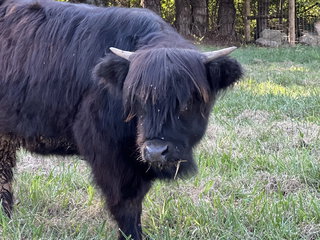
Body condition scoring (BCS) is your primary tool for ensuring cattle are receiving adequate nutrition. But winter coats make visual assessment unreliable. Research from North Dakota State University found that the correlation between visual assessment and actual body condition in heavy-coated winter cattle was only r-squared = 0.14, meaning visual estimates were essentially a coin flip.
The solution is hands-on evaluation. Feel the ribs, hooks (hip bones), pins, and tailhead. On a cow at BCS 5, you should feel the ribs with slight pressure but not see them. The hooks and pins should be visible but not sharp. The tailhead should have moderate fat cover.
Evaluate body condition monthly through winter. Cows should enter winter at BCS 5 to 6 and maintain that condition through calving. A one-point decline in BCS during winter (from 5 to 4) reduces first-service conception rates by approximately 20 percentage points. The cost of the extra feed to prevent that decline is far less than the economic impact of open cows.
Thin Cows Need Priority
Sort thin cows (BCS 4 or below) from the main herd and feed them separately. Thin cows cannot compete with dominant herdmates for feed, and attempting to bring up their condition while feeding the entire herd wastes feed on cows that do not need it.
It takes approximately 75 to 100 days to increase a cow’s BCS by one point. If you identify thin cows in November, you have time to improve their condition before spring calving. If you wait until February, you are too late.
Calving in Cold Weather
Preparing for Winter Calving
If your calving season includes winter months (January through March is common for spring-calving herds), cold weather adds another layer of management intensity. Newborn calves are wet, have minimal body fat reserves, and are highly vulnerable to hypothermia in the first hours of life.
- Calving area: Provide a sheltered, clean, dry area for calving. A calving barn or shed with deep bedding and draft protection gives newborns the best start.
- Observation schedule: Check cows at least every 4 to 6 hours during active calving season. In severe cold, check every 2 to 3 hours. More calves are lost to hypothermia in the first hour than to any other cause during winter calving.
- Warming supplies: Have calf warming boxes, heat lamps, warm water, and towels ready. A hypothermic calf (body temperature below 100 degrees Fahrenheit) needs immediate warming. Colostrum intake within the first 2 hours is critical for both energy and immunity.
The Fall Calving Alternative
Some producers avoid winter calving challenges entirely by calving in fall (August through October). Fall-born calves are older and more cold-resistant by the time winter arrives, and their dams are in mid-lactation rather than early lactation during the worst winter weather, reducing peak nutrient demands. The seasonal pricing guide discusses the marketing advantages of fall calving as well.
Emergency Winter Preparedness
What to Have Ready
- 3 to 5 day feed reserve: Always maintain enough hay on hand to feed your herd for at least 3 to 5 days beyond your normal feeding schedule. Ice storms, road closures, and equipment breakdowns happen at the worst possible times.
- Backup water plan: If your water system depends on electricity, have a generator or a manual backup. A herd without water for 24 hours in cold weather is an emergency.
- Equipment maintenance: Service tractors, hay equipment, and feeding vehicles before winter. A broken tractor during a January blizzard is not just inconvenient; it means cattle do not get fed.
- Veterinary supplies: Stock basic supplies for treating common winter problems: injectable antibiotics (for respiratory disease), oral electrolytes (for scours), iodine (for navel dipping newborns), and calf warming equipment.
Frequently Asked Questions
How cold is too cold for cattle?
Healthy, dry, well-fed cattle with a full winter coat can tolerate temperatures well below zero Fahrenheit as long as they have wind protection. The danger is not the temperature itself but the combination of cold, wind, and wet. A wet cow at 35 degrees Fahrenheit with wind may be under more cold stress than a dry cow at minus 20 with no wind. Monitor body condition rather than the thermometer to gauge whether your cattle are coping with the cold.
Should I put cattle in the barn during winter?
For most cow-calf operations, no. Cattle with access to windbreaks, dry ground, and adequate nutrition do better outdoors than in poorly ventilated barns. Barns are useful for calving areas, sick animal treatment, and situations where animals must be closely monitored. For general winter housing, open windbreaks are more effective and healthier.
How do I keep water from freezing?
Electric tank heaters are the most reliable option. Insulated tanks and geothermal water systems work in some climates. In mild winter areas, insulated covers and south-facing tank placement may provide enough solar heating to prevent hard freezing. Budget for the electricity or infrastructure needed to maintain open water throughout winter.
When should I start feeding hay?
Begin supplemental feeding when pasture quality or quantity can no longer meet the herd’s nutritional requirements. In most regions, this is late fall (November) as forage dormancy begins. Do not wait until cattle start losing condition. Monitor pasture availability and begin hay feeding as a supplement before pastures are fully depleted, allowing grass reserves to carry into early winter.
How much hay does a cow eat per day in winter?
A 1,200-pound cow eats approximately 26 to 30 pounds of hay per day under normal winter conditions. During severe cold (wind chill below 0 degrees Fahrenheit), intake demand increases to 30 to 35 pounds or more. Over a 150-day feeding season, plan for approximately 2 to 2.5 tons of hay per cow. Always have more hay on hand than your baseline calculation suggests to account for extended cold, longer-than-expected feeding seasons, and waste.
Next Steps
- Log your herd’s body condition scores in their Creatures health records to track condition changes through winter and identify animals that need nutritional intervention.
- Review your mineral program to ensure year-round supplementation continues through winter months without interruption.
- Connect with experienced producers in your area through the Creatures directory for region-specific winter management advice and hay sourcing.