


Author: Elliott Garber, DVM · Updated
Before You Buy: Setting Yourself Up for a Good Purchase
Buying an animal is one of those decisions where preparation determines outcome. Whether you’re adding to a breeding program, starting a homestead, bringing home a companion animal, or investing in livestock production, the process of finding, evaluating, and purchasing the right animal follows the same fundamental principles.
This guide covers the practical steps that experienced buyers follow, from figuring out what you actually need through navigating the purchase and getting your new animal settled at home.
Define What You Need Before You Start Shopping
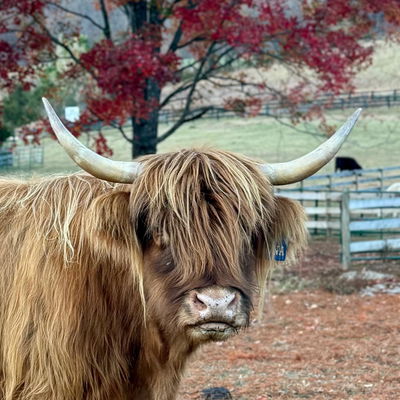
The single most common mistake buyers make is shopping before they’ve defined what they’re looking for. “I want a mini cow” is not a buying plan. “I want a registered miniature highland cattle heifer, 12-24 months old, for a breeding program on 5 acres in Virginia” is.
Clarify Your Purpose
Different goals require different animals. A backyard egg-laying flock needs hardy, productive hens, not expensive show birds. A Nigerian Dwarf goat for a petting zoo needs a proven gentle temperament, not champion dairy lines. Be specific about what you want the animal to do, and let that drive every decision that follows.
Match the Breed to Your Environment
Every breed evolved for specific conditions. Highland cattle thrive in cold, wet climates but struggle in extreme heat. Friesians need more management in hot, humid areas. Desert-adapted breeds like Pygmy goats handle heat well but may need supplemental shelter in harsh winters.
Before committing to a breed, honestly assess your property: acreage, pasture quality, climate extremes, predator pressure, and available shelter. Talk to breeders in your region about what works locally.
Budget for the Full Cost of Ownership
The purchase price is typically the smallest part of owning livestock. Annual costs for feed, veterinary care, farrier work, fencing, and shelter add up quickly. Budget for at least the first year of ownership expenses before you buy. Our species-specific cost guides break this down in detail:
- How much does a horse cost?
- How much does a cat cost?
- How much is a miniature donkey?
- How much do ferrets cost?
Evaluate the Seller
The seller matters as much as the animal. A reputable breeder or farmer stands behind their animals, provides accurate information, and supports buyers after the sale. An unreliable seller may misrepresent health, age, temperament, or registration status.
What to Look for in a Good Seller
- Transparency: They answer questions openly, provide health records and registration papers without hesitation, and are honest about any issues.
- Knowledge: They can speak in depth about their breeding program, the animal’s lineage, health history, and temperament. Vague answers are a red flag.
- Reputation: They have reviews, references, or a track record in the breed community. Check the Creatures Breeder Directory for verified breeder profiles.
- Post-sale support: The best breeders offer guidance after the sale, especially for first-time buyers. They want their animals in good homes and are invested in the buyer’s success.
- Willingness to show conditions: Reputable sellers welcome farm visits (by appointment) and are happy to show you where and how their animals are raised.
Red Flags
- Unwilling to provide health records or registration papers
- Pressuring you to buy immediately (“someone else is interested”)
- Only accepting non-traceable payment methods (cash, wire transfer, cryptocurrency)
- No verifiable online presence or reviews
- Photos that look like stock images or are pulled from other listings
- Price significantly below market value with no clear explanation
For more detailed guidance on avoiding scams, read our guide on pet scams online and livestock fraud prevention.
Evaluate the Animal
Once you’ve found a seller you’re comfortable with, the next step is evaluating the specific animal you’re considering.
Health Assessment
Request comprehensive health records including vaccination history, deworming schedule, and any veterinary treatments. For horses, ask for a pre-purchase exam (PPE) from an independent veterinarian. For breeding stock of any species, ask about genetic testing results relevant to the breed.
If you’re evaluating an animal in person, look for these indicators of good health:
- Bright, clear eyes with no discharge
- Clean ears without odor or buildup
- Shiny coat or plumage appropriate to the season
- Good body condition (not too thin, not too fat)
- Sound movement without limping or stiffness
- Alert, curious behavior (lethargy is a concern in most species)
- Clean nostrils with no nasal discharge
- Clean rear end (diarrhea or soiling indicates GI issues)
Temperament
Ask the seller to handle the animal while you observe. An animal that’s been well-socialized will accept handling calmly. Watch for signs of fear (flinching, bolting, hiding) or aggression (pinned ears, lunging, biting). Ask how the animal behaves around children, dogs, and other animals if those are relevant to your situation.
Registration and Pedigree
For registered animals, verify the registration independently with the breed registry. Confirm that the animal’s description (color, markings, sex, date of birth) matches the registration papers. Ask about the transfer process and any associated fees.
Negotiate and Complete the Purchase
Once you’ve decided to buy, negotiate professionally. Research market prices for comparable animals so you know what’s fair. Be respectful of the seller’s pricing, but don’t be afraid to make an offer if the price seems high relative to the market.
Before finalizing the sale:
- Agree on the price in writing
- Confirm what’s included (registration papers, health records, halter, starter feed, etc.)
- Clarify the payment method and timeline
- Discuss transportation arrangements and costs
- Get a written bill of sale signed by both parties
Using a platform like Creatures Marketplace simplifies this process with secure transactions, messaging, and built-in buyer protections.
Transportation and Arrival
Safe transport is critical. Stressed animals are more susceptible to illness, and improper transport can cause injuries or even death.
For interstate purchases, ensure the seller provides a current Certificate of Veterinary Inspection (CVI) issued within 30 days. Some states require additional testing (Coggins for horses, brucellosis for cattle). Check destination state requirements before transport day.
Whether you’re hauling yourself or hiring a transporter, the vehicle should be appropriately sized, well-ventilated, and equipped with non-slip flooring. Animals need access to water during long trips and rest stops every 4-6 hours.
Settling Your New Animal at Home
The first two weeks after arrival are a critical adjustment period. Quarantine new animals away from existing stock for at least 14-21 days to prevent disease transmission. Schedule a veterinary exam within the first week.
Introduce new animals to existing herds or flocks gradually. Provide familiar feed (ask the seller what the animal has been eating) and transition to your feed slowly over 7-10 days to prevent digestive upset.
For species with strong social bonds (miniature donkeys, horses, guinea pigs), ensure they have appropriate companions. A single donkey or guinea pig will suffer from isolation.
Start Your Search on Creatures
Browse animals for sale on the Creatures Marketplace, where listings include detailed health information, registration status, and verified seller profiles. Or find breeders in the Breeder Directory to connect directly with reputable operations across the country.
Stay informed with our Small Cows, Big News newsletter, covering auction results, market trends, and industry developments.
Get Started on Creatures
Whether you just purchased an animal or are still searching, Creatures helps you manage the entire process.
- Just bought an animal? Create a profile for your new animal to start tracking health records, vaccinations, and registration details from day one.
- Log your first records: Add a record for the purchase date, arrival weight, initial vet check, and quarantine notes.
- Still looking? Browse the Creatures Marketplace to find animals for sale with verified health records and seller reviews.
- Find reputable breeders: Use the Breeder Directory to connect with verified sellers by species, breed, and location.
Frequently Asked Questions
How do I know if I’m paying a fair price?
Research recent sale prices for comparable animals through breed association sale reports, completed marketplace listings, and conversations with breeders. Prices vary by breed, registration status, age, sex, genetics, training, and geographic location. If a price seems too good to be true, it usually is.
Should I buy from a breeder or adopt from a rescue?
Both are valid options depending on your goals. Breeders offer known genetics, health history, and pedigree documentation, which matters for breeding programs and specific purposes. Rescues provide animals in need of homes, often at lower cost, but may come with unknown health or behavioral history. For companion animals where registration doesn’t matter, adoption can be a wonderful choice.
What should I do if the animal arrives in different condition than described?
Document everything with photos and video immediately upon arrival. Contact the seller to discuss the discrepancy. If you purchased through a marketplace like Creatures, contact their support team. Have your veterinarian examine the animal within 24-48 hours to create an independent record of its condition.
How do I avoid online pet and livestock scams?
Buy from verified sellers on reputable platforms. Never send payment via wire transfer, cryptocurrency, or gift cards. Be suspicious of prices significantly below market value. Request video calls to see the animal in real time. Read our detailed guides on pet scams and cattle fraud for comprehensive protection strategies.