






Louie
Cattle
$2,100

Compare your donkey’s coat with 34 illustrated looks. Start with the freshly shed coat in daylight, then check the muzzle, eyes, belly and inner legs.
Planning a pairing? Try the Donkey Color Calculator or read how it works.
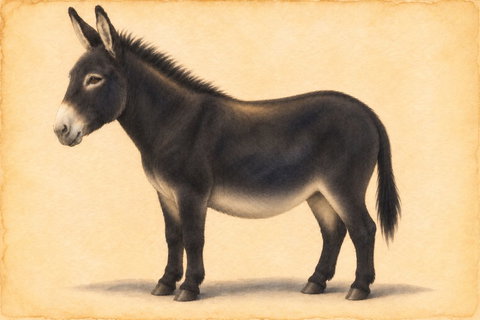
Registry words · Black with cross or black, no cross MDR reference
What to check · Check freshly shed hair at the roots and around the eye. Black can bleach reddish at the tips and can show a cross.
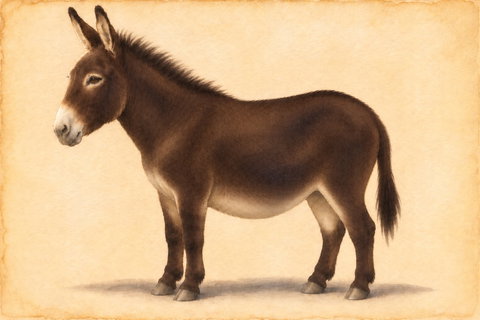
Registry words · Brown MDR reference
What to check · Look for warm brown at the roots in daylight. Both black and brown can have a pale muzzle and eye rings.
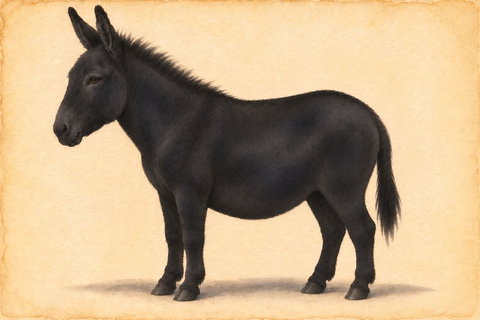
Registry words · Black MDR reference
What to check · Check the muzzle, eye rims, belly and inner legs for dark hair where the black plate above has pale points.
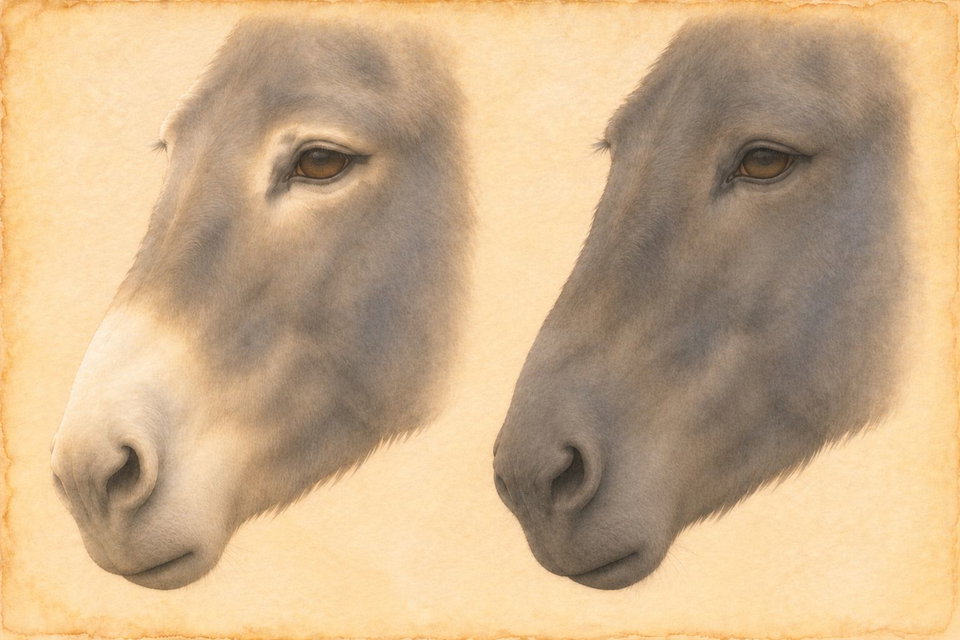
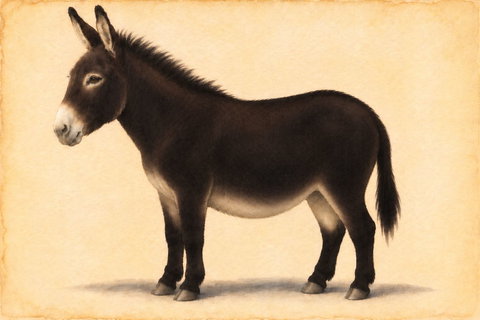
Registry words · Brown MDR reference
What to check · Part the coat at the neck or flank and check the shade close to the skin. A very dark brown body can look black in shade.
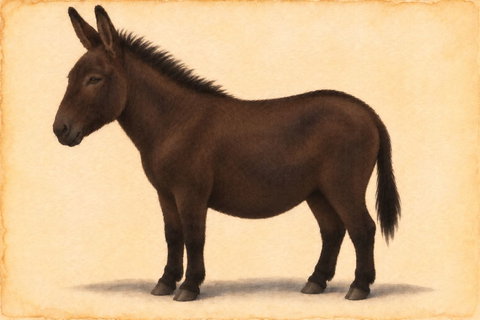
Registry words · Brown MDR reference
What to check · Look for brown roots and dark hair around the muzzle and eyes. Check the belly and inner legs too.
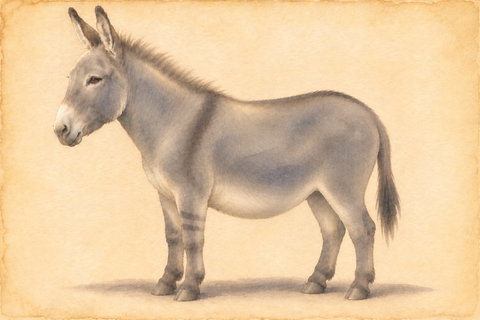
Registry words · Gray-dun MDR reference
What to check · Look for a gray body with darker trim and a shoulder cross. A foal or winter coat may look brown until the mature coat sheds.
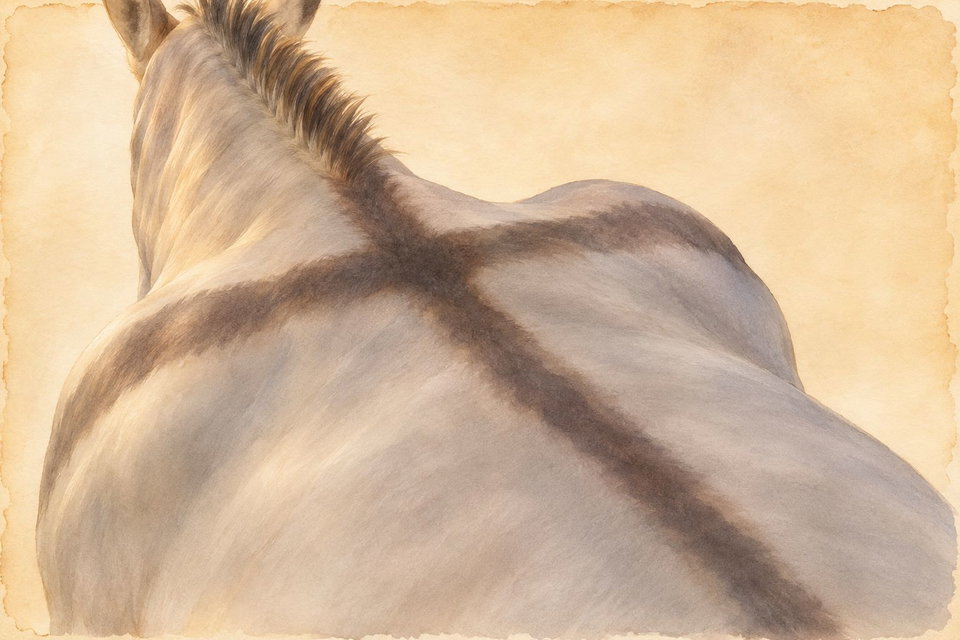
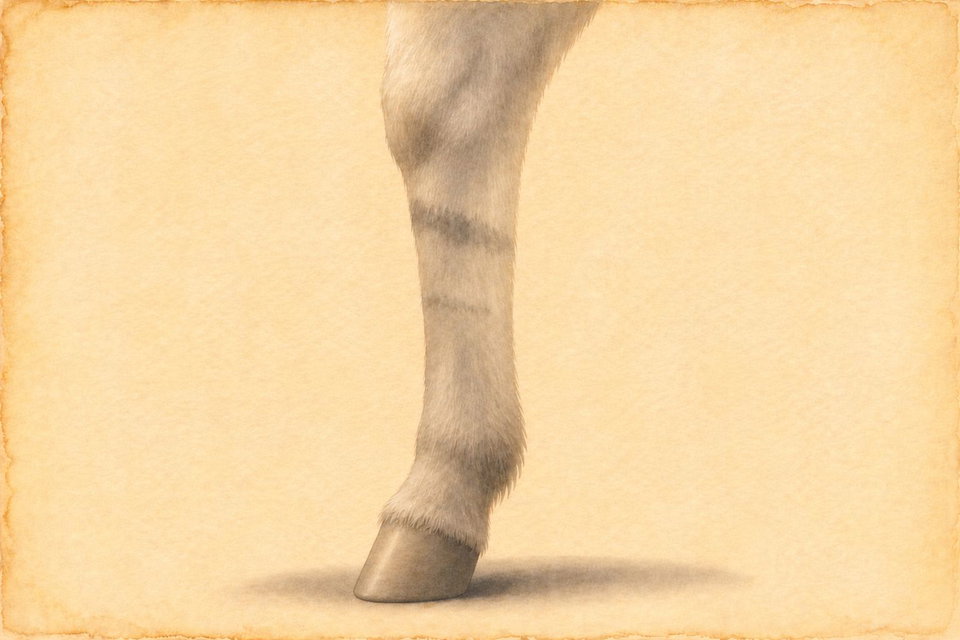
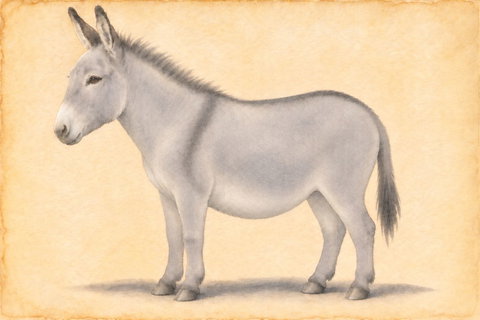
Registry words · Gray-dun MDR reference
What to check · Compare the pale body with the darker mane, tail and stripe. Check the mature coat before calling a fuzzy light foal gray-dun.
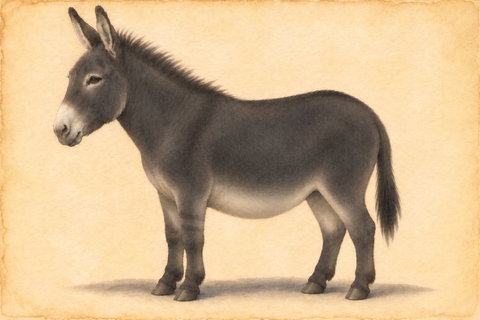
Registry words · Gray-dun MDR reference
What to check · Check the contrast between a deep slate body and the darker trim. The cross can be easy to miss on a very dark coat.
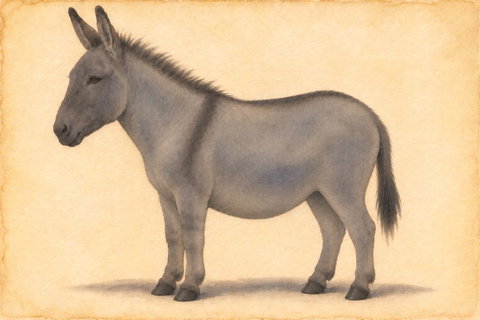
Registry words · Gray-dun MDR reference
What to check · The body can match gray-dun while the muzzle and eye area stay dark. Look at the belly and upper inner legs for the same absence of pale hair.
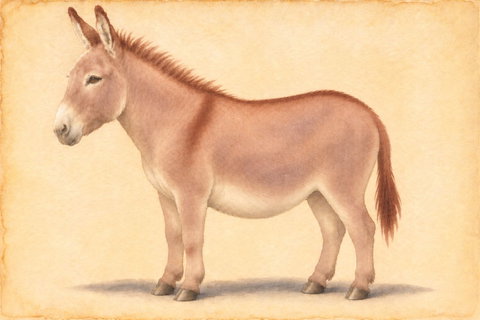
Registry words · Rose dun MDR reference
What to check · Look for a rosy gray or buff body with darker trim. Recheck after shedding, when a gray-dun foal may lose the red cast.
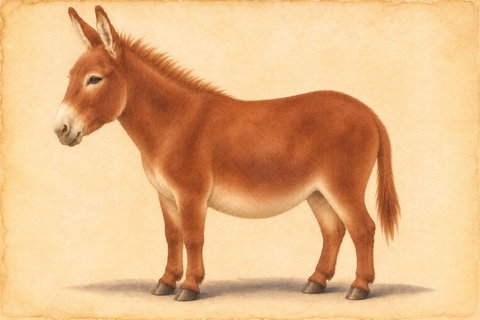
Registry words · Red (Sorrel) MDR reference
What to check · Check the mature hair close to the skin and compare the color of the body, mane, tail and lower legs. A reddish foal coat can shed to gray-dun.
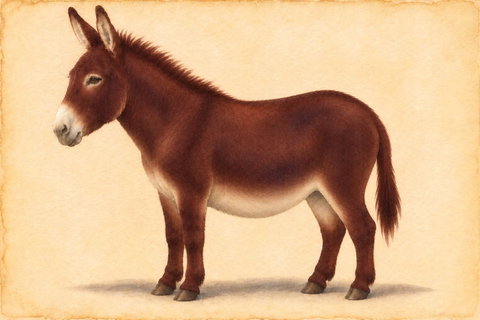
Registry words · Red (Sorrel) MDR reference
What to check · Compare the deep red at the roots with brown and russet. Use the color of the trim and lower legs alongside the body.
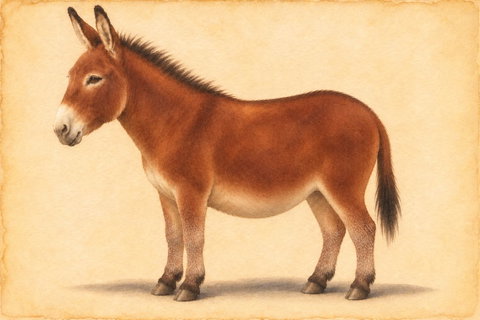
Registry words · Russet ADMS reference
What to check · ADMS describes a red body with dark trim and roaning on the legs. Look at the mane and tail as well as the lower legs.
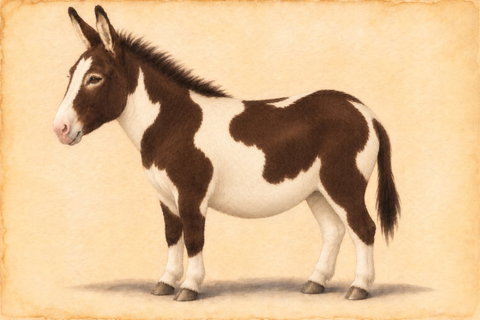
Registry words · Brown and spotted MDR reference
What to check · Identify the brown in the colored patches, then check where the white edges meet pigmented skin.
Give exposed pink skin shade and protection from sunburn. Donkey Sanctuary sun care
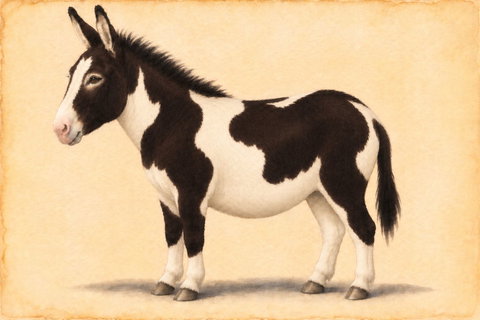
Registry words · Brown and spotted MDR reference
What to check · Check the roots in the darkest patches in daylight before calling them black. The white patches can make the dark ones look deeper.
Give exposed pink skin shade and protection from sunburn. Donkey Sanctuary sun care
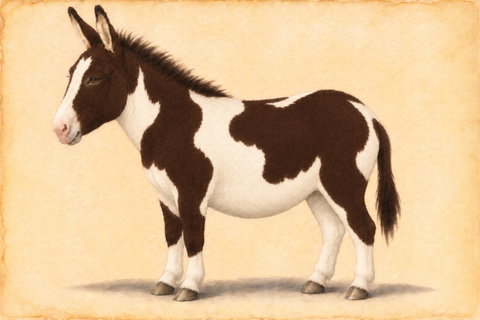
Registry words · Brown and spotted MDR reference
What to check · Check the muzzle and eye area where brown hair is still visible. White spots can cover the landmarks you need to assess light points.
Compare light points and no light points
Give exposed pink skin shade and protection from sunburn. Donkey Sanctuary sun care
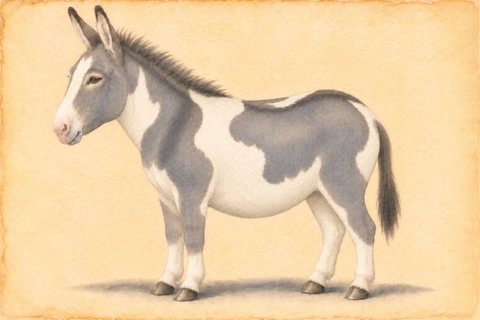
Registry words · Gray-dun and spotted MDR reference
What to check · Look for gray in the colored areas and follow any visible piece of the dorsal stripe. White across the back can interrupt it.
Give exposed pink skin shade and protection from sunburn. Donkey Sanctuary sun care
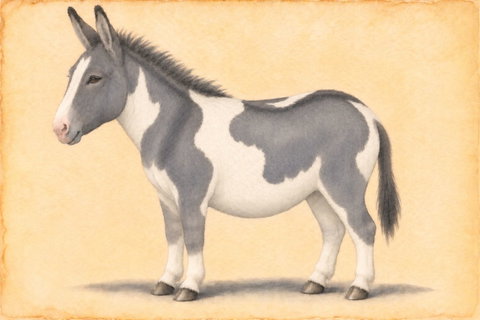
Registry words · Gray-dun and spotted MDR reference
What to check · Look at the unspotted side of the face and inner leg. Pale hair inside a white patch gives little information about light points.
Compare light points and no light points
Give exposed pink skin shade and protection from sunburn. Donkey Sanctuary sun care
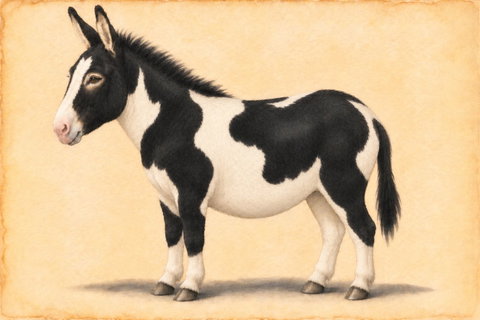
Registry words · Black and spotted MDR reference
What to check · Compare the roots in the dark areas with the black and brown plates. A patch can look reddish after sun exposure.
Give exposed pink skin shade and protection from sunburn. Donkey Sanctuary sun care
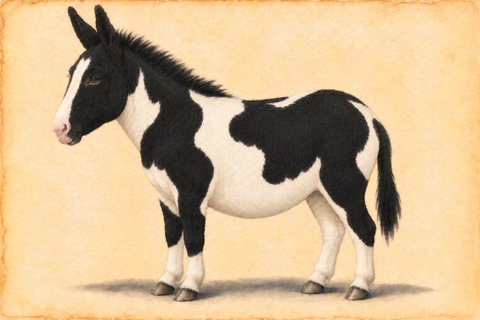
Registry words · Black and spotted MDR reference
What to check · Check for dark hair at the muzzle and eye rings outside the white patches. Use the belly or inner leg if white covers the face.
Compare light points and no light points
Give exposed pink skin shade and protection from sunburn. Donkey Sanctuary sun care
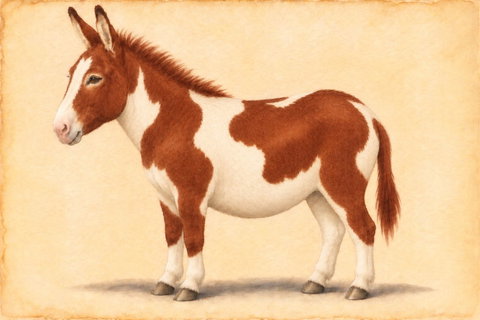
Registry words · Red (Sorrel) and spotted MDR reference
What to check · Compare the red patches with the shed sorrel coat above. Color can change as the foal matures even when the white pattern stays in place.
Give exposed pink skin shade and protection from sunburn. Donkey Sanctuary sun care
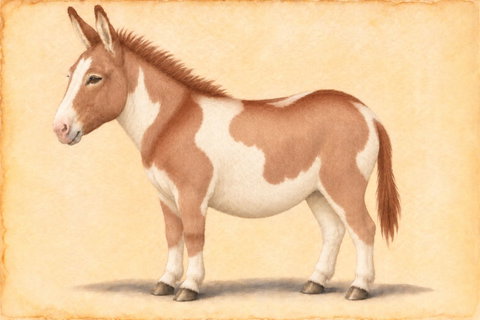
Registry words · Rose dun and spotted MDR reference
What to check · Look for rose tones in the mature colored patches, then compare any remaining mane, shoulder or dorsal markings.
Give exposed pink skin shade and protection from sunburn. Donkey Sanctuary sun care
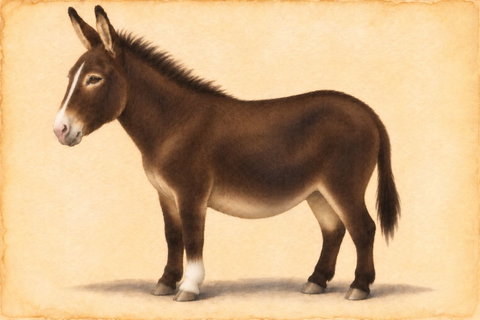
Registry words · Spotted, where the registry identifies spotting MDR reference
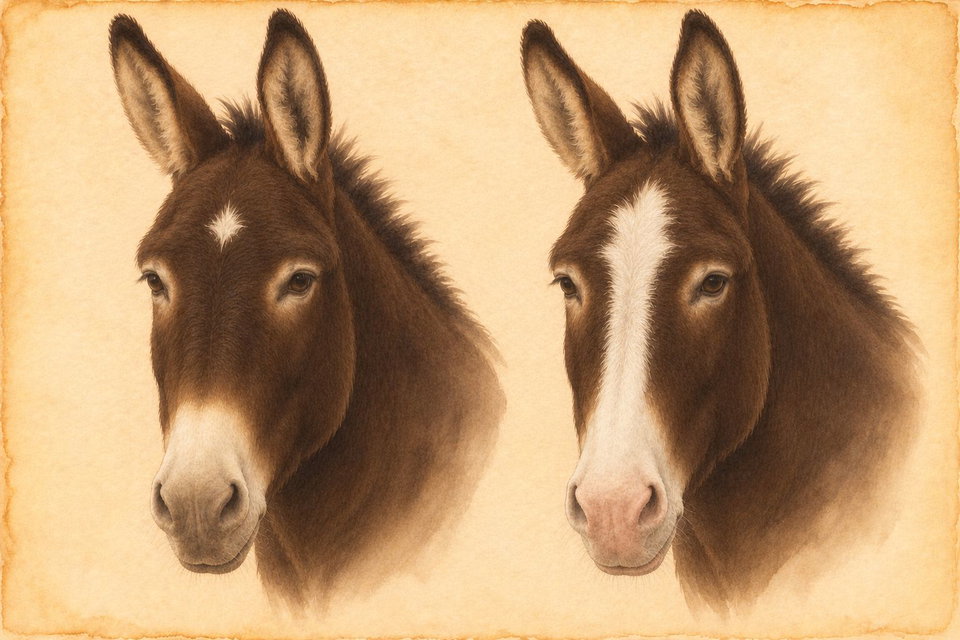
What to check · A star is a small forehead mark. A blaze extends down the face. Record the shape and extent you see, since a small marking alone cannot identify a KIT variant.
Give exposed pink skin shade and protection from sunburn. Donkey Sanctuary sun care
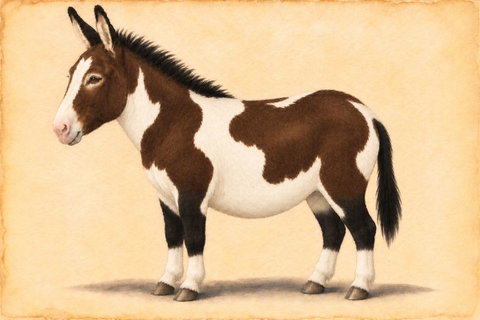
Registry words · Spotted MDR reference
What to check · Describe the white patches and the shades in the colored coat separately. Light points can add another shade to the overall look.
Give exposed pink skin shade and protection from sunburn. Donkey Sanctuary sun care
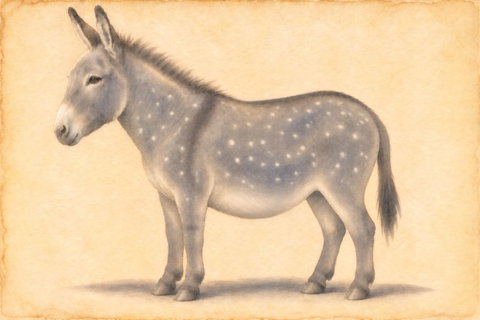
Registry words · Spotted ADMS reference
What to check · Look for small scattered pigmented spots across the coat. ADMS describes this as a spotting pattern.
Give exposed pink skin shade and protection from sunburn. Donkey Sanctuary sun care
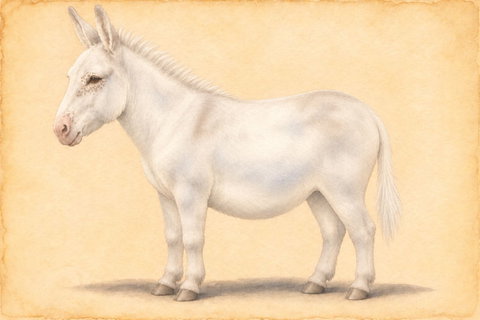
Registry words · Frosted Spotted White (FSW) MDR reference
What to check · Check for pigment around the eyes and patchy or freckled skin on the muzzle. Foal patches can fade with age while darker skin remains.
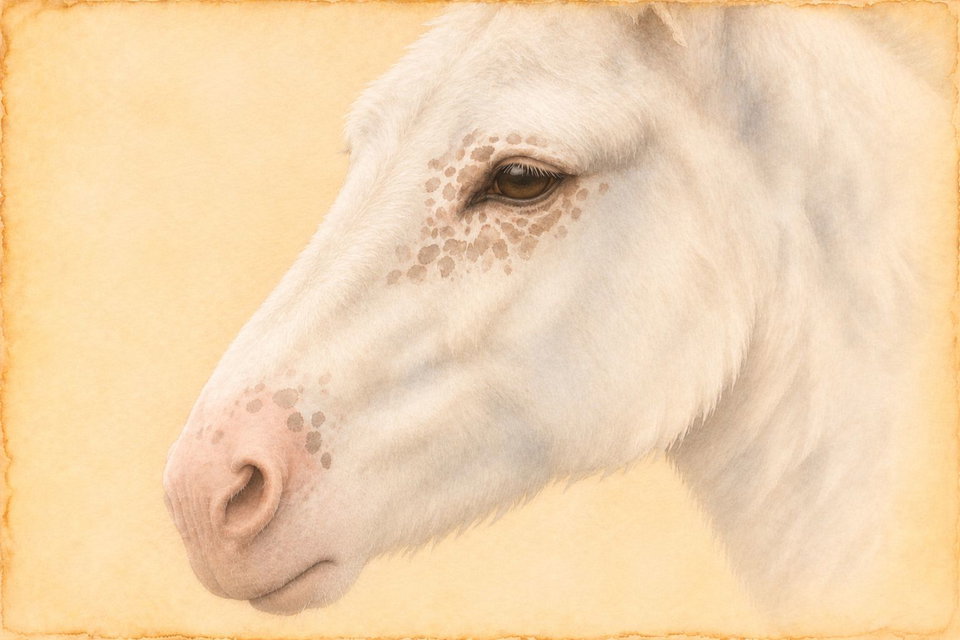
Give exposed pink skin shade and protection from sunburn. Donkey Sanctuary sun care
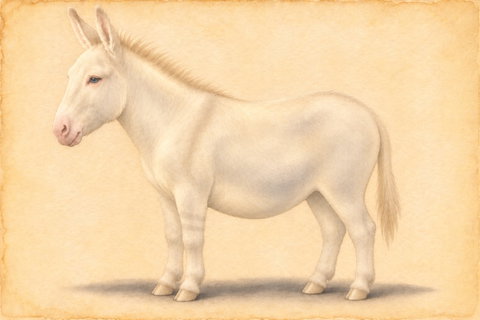
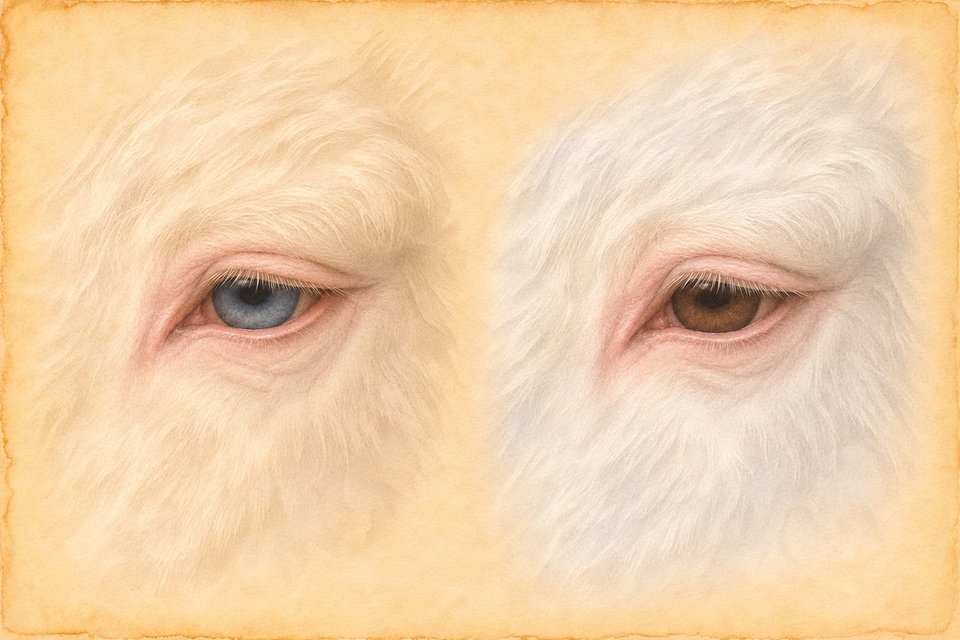
Registry words · Blue-Eyed White (Ivory) MDR reference
What to check · Look at the skin around both eyes and across the muzzle. Broadly pink skin and a cream-white coat are clues. Eye color alone cannot settle American ivory. Check family records.
Give exposed pink skin shade and protection from sunburn. Donkey Sanctuary sun care
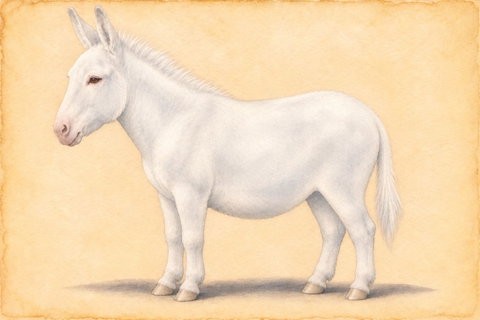
Paperwork · Describe the white coat and skin for registration UC Davis reference
What to check · The reported W example had a white coat, pink skin and brown eyes. White coats can look alike. Use the coat history and a donkey-specific test to establish a tested KIT result.
Give exposed pink skin shade and protection from sunburn. Donkey Sanctuary sun care
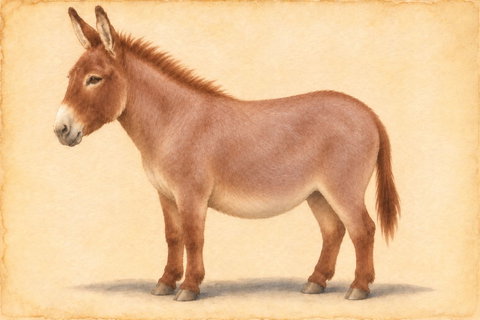
Registry words · Red Roan MDR reference
What to check · Look for white hairs mixed into a red ground color. Check the face, legs and trim where the red is easiest to see.
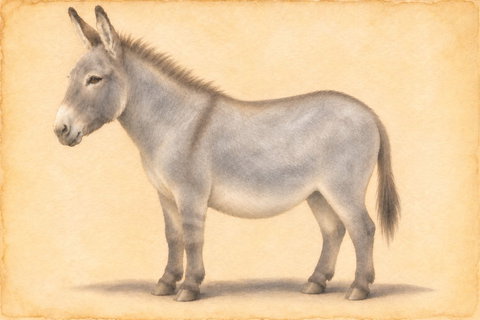
Registry words · Gray Roan MDR reference
What to check · Part the hair to check for a mix of white and gray hairs rather than a solid gray body. Compare the face and legs.
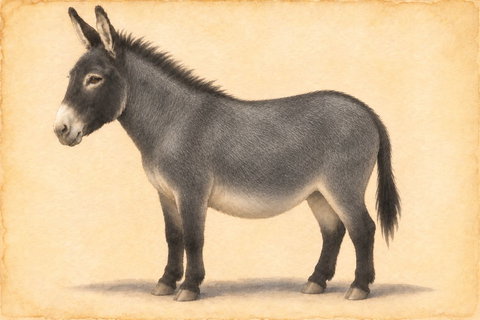
Registry words · Black or Brown Roan MDR reference
What to check · Check the darkest surviving hair and the roots to separate black from brown. Record both possibilities if they are hard to tell apart.
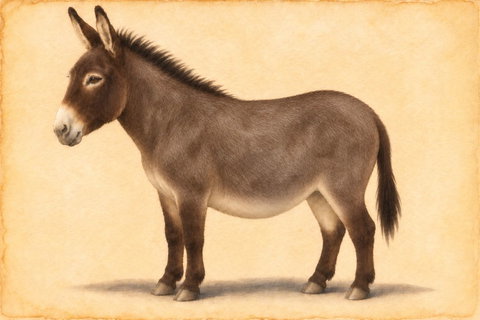
Registry words · Brown Roan MDR reference
What to check · Check the brown hairs in the mix and compare the unroaned areas. Separate a scattering of white hairs from a distinct white patch.
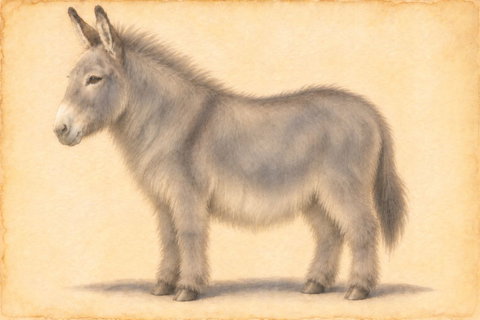
Registry words · Gray-dun MDR reference
What to check · Part the long hair to see the base color. The wool can hide the edges of the shoulder cross or the light points.
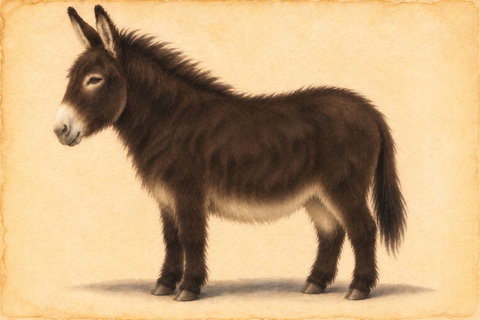
Registry words · Brown MDR reference
What to check · Look at the roots and around the eyes, where a long sun-faded coat may show less of the underlying brown.
Check a foal’s hair close to the skin and around the eyes for a clue to the mature coat. Recheck once the adult coat has shed. The same colors can appear on donkeys of different sizes.
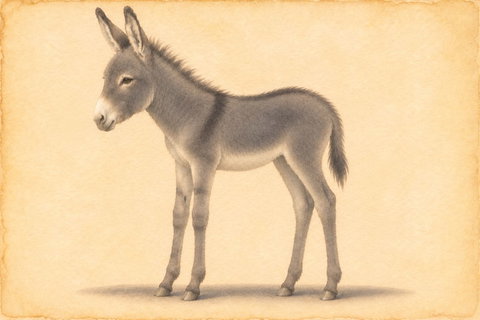
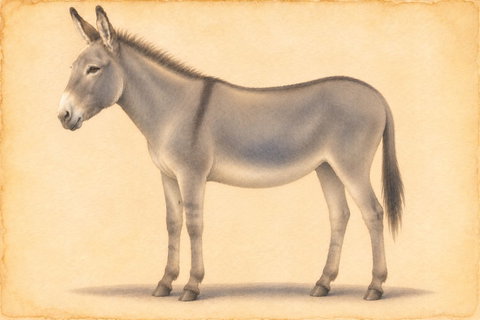
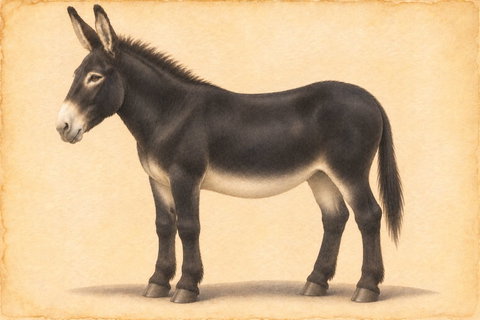
Most donkeys have a dorsal stripe and a shoulder cross. Dun often makes them easy to see, and a black donkey can also have a cross. A cross by itself cannot establish dun.
The Miniature Donkey Registry lists Cameo under unusual colors that fall outside its visual categories. Cameo is the registry spelling. “Camino” was a label in the old visualizer.
Use the illustrations to describe the coat you see. For inheritance, compare family records and any test results available for that trait.



