


Chinese
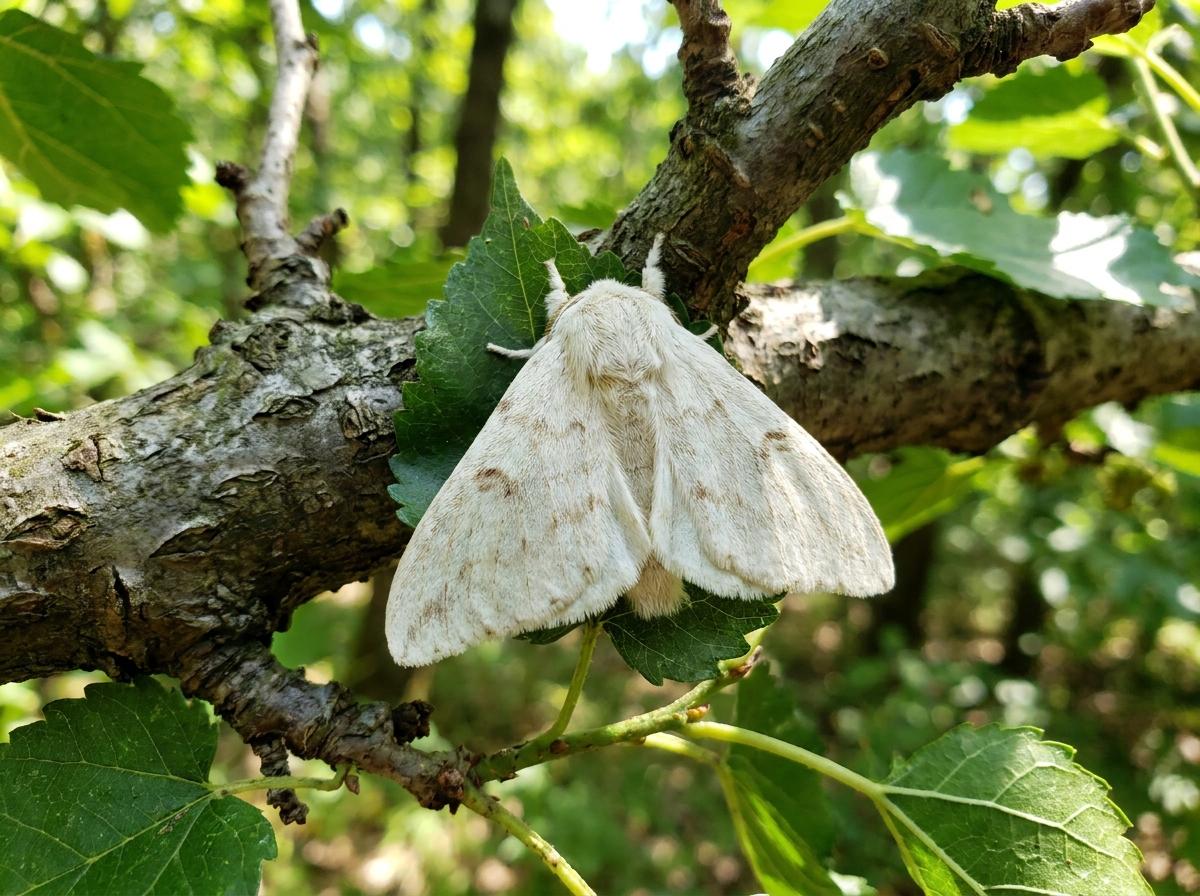
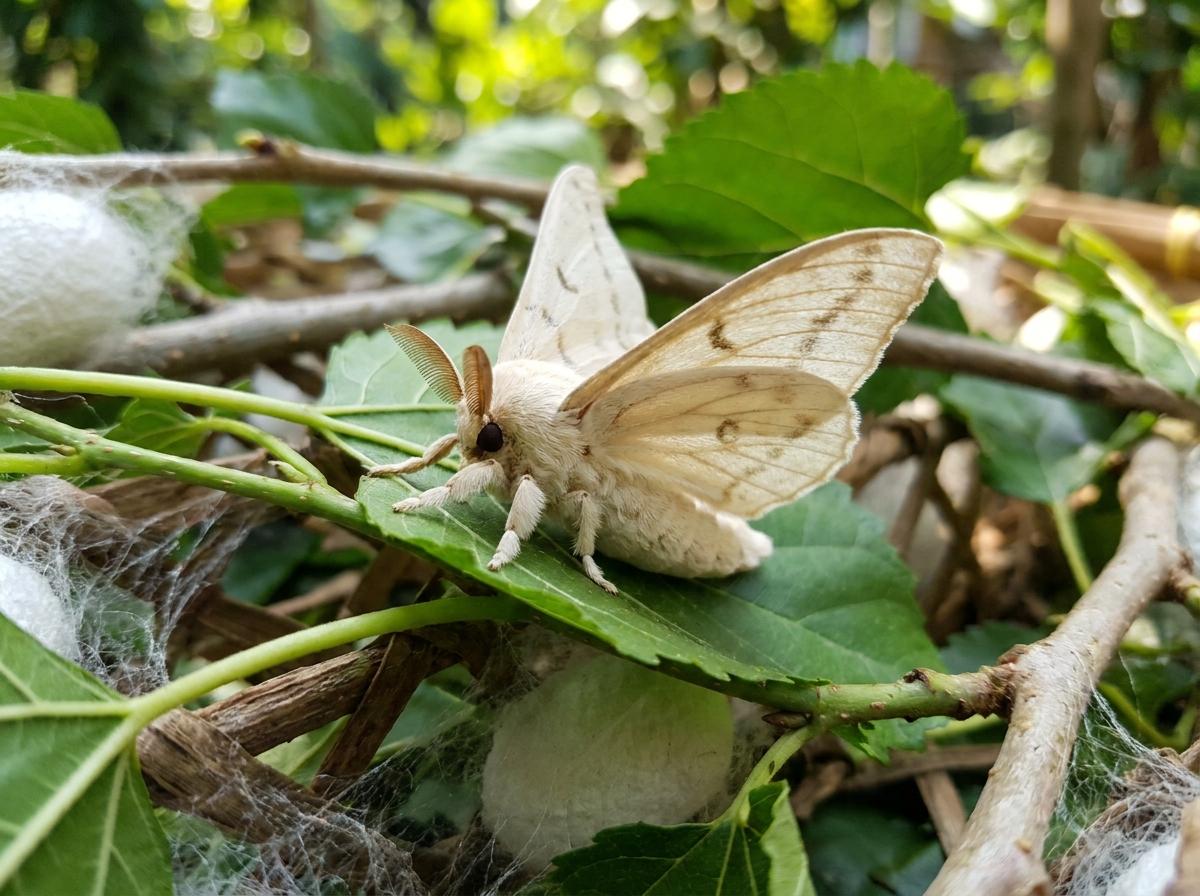
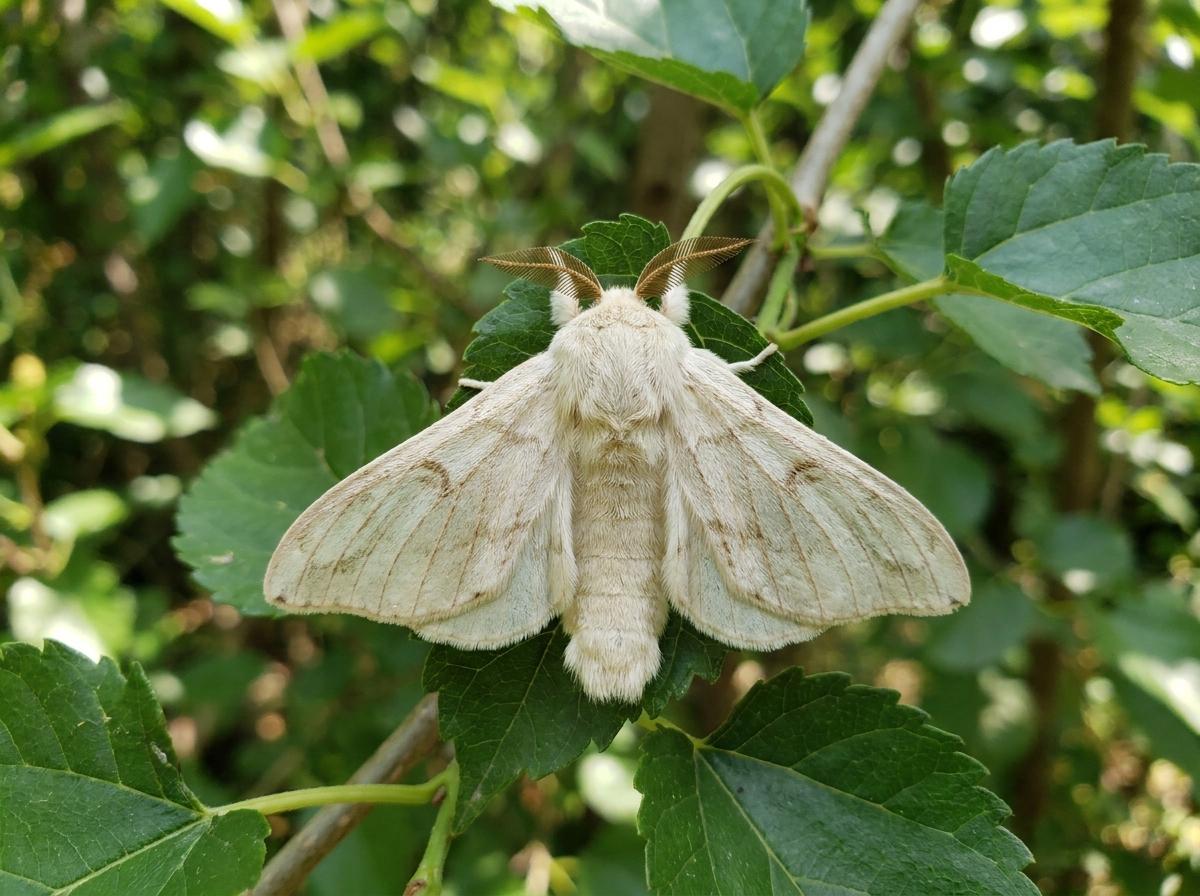
Chinese silkworm lines are strains of the domesticated silkworm, Bombyx mori, descended from the long sericulture tradition in China. The name describes a broad breeding background rather than one uniform breed. Lines may differ in voltinism, larval markings, cocoon shape, disease resistance, and filament traits, with cocoons commonly white to yellow-white. Chinese stock has contributed heavily to commercial hybrids because breeders can select from many lines adapted to different rearing seasons and climates.
Keeping Chinese silkworms is an indoor husbandry project, whether on a sericulture farm, in a classroom, or in a small breeding room. Larvae need fresh mulberry leaves or a suitable prepared diet, clean trays, and steady warmth; poor sanitation quickly spreads bacterial, viral, or fungal disease. Breeders track hatch timing and diapause behavior closely, since those traits decide when eggs can be reared. Pure lines are usually maintained separately, while production farms often use planned crosses for cocoon yield and uniformity.
Colors: White, Yellow-White