




The Belgian Hare: A Complete Guide to the Racehorse of Rabbits
Author: Elliott Garber, DVM
The Belgian Hare: A Complete Guide to the Racehorse of Rabbits
The Belgian Hare is one of the most distinctive animals in the rabbit world, and the first thing to understand is the thing its name gets wrong. The Belgian Hare is not a hare at all. It is a domestic rabbit (Oryctolagus cuniculus), the same species as every other domestic rabbit, that was selectively bred to look like a wild hare. Breeders shaped it over generations to have a long, slender, arched body, fine legs that carry it well up off the ground, and a deep red coat ticked with black. The result resembles a wild hare so closely that the name stuck, but biologically it is a rabbit through and through. Hares (genus Lepus) are a separate group that cannot interbreed with rabbits, are born furred and open-eyed, and have never been domesticated.
If you are drawn to that elegant, athletic silhouette, this guide covers what the Belgian Hare actually is, where it came from, how to recognize one, and what it takes to care for a breed that is as nervous and high-energy as it is beautiful. This is a fancier’s rabbit with real needs, and it is not the right fit for every home.
Belgian Hare or wild hare? Clearing up the name
The confusion is built into the breed’s history, so it is worth settling first. A true hare is a member of the genus Lepus. Hares are larger than rabbits, live above ground rather than in burrows, are born fully furred with their eyes open and ready to run (precocial), and have never been domesticated. Rabbits (in the case of all domestic breeds, Oryctolagus cuniculus) are born blind, naked, and helpless in a nest (altricial), and they are the only one of the two that humans have domesticated.
The Belgian Hare is a rabbit. Its ancestors were ordinary domestic rabbits in Belgium and England, and breeders deliberately selected for a hare-like appearance: the long arched back, the long legs, the lean build, and the reddish ticked coat that mimics wild coloring. The American Belgian Hare Club, the breed’s national specialty club, and the American Rabbit Breeders Association (ARBA) both classify it as a domestic rabbit breed. Veterinary care, diet, housing, and reproduction all follow rabbit rules, not hare biology. So when you read “hare” in the name, read it as “rabbit that looks like a hare.”
Where the Belgian Hare came from
The Belgian Hare’s story is one of the more colorful chapters in the history of the rabbit fancy. The breed’s foundation traces to Belgium, where, beginning in the 1700s, domestic rabbits were crossed with the aim of producing a useful utility and meat animal. These early “leporine” rabbits were imported to England in the 1870s, and it was English breeders who reshaped the animal into the spirited, lithe, hare-like rabbit we recognize today and gave it the name “Belgian Hare.”
The breed reached the United States in 1888, when E.M. Hughes of Albany, New York brought over the first specimens. What followed is remembered as the “Belgian Hare boom,” one of the strangest speculative manias in American animal history. Through the late 1890s and into 1900, thousands of Belgian Hares were shipped across the Atlantic. Promoters pitched the rabbit as a fast, easy path to wealth, and serious money chased it. Records from the period describe individual animals changing hands for hundreds and even thousands of dollars, and the breed’s national club records prices of $500 to $1,000 each in pre-1900 dollars, with the most prized animals fetching even more.
The frenzy was concentrated in Southern California. By around 1900, over 60,000 Belgian Hares were reportedly being raised in Southern California alone, with hundreds of rabbitries clustered around Los Angeles. Then the bubble did what bubbles do. The market was flooded, the rabbit never delivered as the production meat animal that novice speculators had hoped for, and prices collapsed in the early 1900s. The breed went from a high-priced investment to an afterthought, and it has never recovered its former numbers.

That history matters for anyone considering one today. The Belgian Hare survived the bust, but as a comparatively rare show and fancy breed rather than a common pet or commercial animal. The American Belgian Hare Club, sanctioned under ARBA, keeps the breed going through dedicated hobbyists, and The Livestock Conservancy tracks it as a heritage breed in its “Recovering” category, meaning numbers are climbing back from genuinely threatened lows but the breed is still uncommon.
How to recognize a Belgian Hare
The Belgian Hare is one of the easier rabbit breeds to identify on sight, because almost nothing else in the rabbit world is built like it. Look for these diagnostic features.
The racy, arched body
The defining trait is the body shape. Where most rabbit breeds are compact, rounded, or cobby, the Belgian Hare is long, lean, and arched. The back rises in a continuous curve from the shoulders over the loin to well-rounded hindquarters, and the whole animal looks athletic and stretched out. Breeders and judges use the word “racy” for this build, and it is apt. The legs are long, slender, and fine-boned, and a Belgian Hare in good form carries its body noticeably up off the ground, more like a small hoofed animal at attention than a rabbit hunkered down. This is the feature that earned it the nickname “the racehorse of rabbits.”
The rich red ticked coat
The second giveaway is color. The Belgian Hare wears a deep, rich rufous red, often described as chestnut or mahogany, and that base color is intensely ticked with black. Ticking means individual hairs carry bands of darker pigment, so the coat reads as a glossy red shot through with fine black flecking rather than a flat solid color. The fur itself is short, dense, and lustrous, lying close to that lean body. Good rufous depth and even, distinct ticking are exactly what show judges reward, and they are what give a quality Belgian Hare its striking, almost wild appearance.
Head, ears, and overall impression
The head is long and somewhat tapered, carried on a fairly long neck, and the ears are long, fine, and held alert and upright, often in a slight V. The eyes are bold, dark, and watchful. Put it all together (the arched racy body, the fine raised legs, the red ticked coat, the alert head and ears) and you get an animal that genuinely looks like a wild hare crossed with a show pony. There are no lop ears, no fluffy wool, and no compact roundness here.
Size and weight
Belgian Hares are a medium-sized rabbit. Adults typically weigh about 6 to 9 pounds, and ARBA’s standard sets a maximum weight of 9.5 pounds. They look lighter than they are because of the lean build. They are not a giant breed, and a healthy Belgian Hare should feel fit and firm rather than heavy or soft.
Temperament: alert, energetic, and easily startled
This is where prospective owners most need to be honest with themselves. The Belgian Hare is intelligent, curious, and full of energy, and many keepers find that personality genuinely rewarding. It is also one of the most high-strung and nervous of the domestic rabbit breeds. Belgian Hares are easily startled by sudden movements, loud noises, and rough handling, and a frightened Belgian Hare can bolt, thrash, or kick hard on instinct. Because the breed is fine-boned, a panicked kick or a fall from a height can cause real injury, including a broken back, so calm and confident handling is not optional.
For these reasons, most breed authorities advise that the Belgian Hare is not a good match for homes with young children, for first-time rabbit owners who want a placid lap pet, or for anyone who cannot offer a quiet, predictable environment and plenty of daily activity. With patient, consistent handling from a young age, a Belgian Hare can become trusting and interactive, even affectionate on its own terms. But it tends to express affection through alert engagement and play rather than by sitting still to be cuddled. Think of it as a spirited, athletic animal that wants a job and space to move, not a decorative rabbit content to sit in a small cage.
Caring for a Belgian Hare
Belgian Hares need the same core rabbit care as any other breed, with extra emphasis on space, exercise, gentle handling, and a calm setting. Here is what responsible ownership looks like.

Housing and space
Because of their size and their need to move, Belgian Hares require a roomy enclosure. Guidance for the breed calls for a minimum floor area on the order of 24 by 60 inches and a hutch tall enough for the rabbit to sit fully upright, at least around 24 inches high, with larger or pregnant does needing more. Treat that as a floor, not a goal. Like all active rabbits, Belgian Hares do best with a large pen or a rabbit-proofed room rather than confinement to a small cage, and they benefit enormously from daily time in a secure exercise area. Solid flooring with deep, soft bedding (straw, hay, or appropriate litter) is much kinder to their feet than bare wire, which can cause sore hocks.
Belgian Hares are not the hardiest breed when it comes to weather. They do not tolerate high heat and humidity well, so housing should stay cool, dry, well ventilated, and out of direct afternoon sun. Many owners keep them indoors or in a climate-protected space, especially in hot climates, where heat stress is a genuine risk for rabbits.
Exercise
This is an athletic breed, and it needs to move. Rabbits in general benefit from several hours of out-of-enclosure exercise a day, and an energetic breed like the Belgian Hare appreciates as much safe running and exploring as you can provide. A bored, under-exercised Belgian Hare is more likely to become stressed and harder to handle. Make sure exercise space is fully rabbit-proofed (no exposed cords, no gaps to escape through, no hazards to chew) and supervised, given how quickly a startled hare can dash.
Diet
Feed a Belgian Hare like any rabbit: the foundation of the diet should be unlimited grass hay, which should make up roughly 70 percent or more of what they eat. Hay keeps the gut moving and wears down the continuously growing teeth. Round that out with a measured amount of good-quality rabbit pellets and a daily portion of suitable leafy greens, plus constant access to clean fresh water. Go easy on sugary treats and fruit. A high-fiber, hay-first diet is the single most important thing you can do to prevent the digestive and dental problems that send pet rabbits to the vet.
Handling and grooming
Always support a Belgian Hare’s hindquarters when you pick it up, keep it secure against your body, and never let it dangle or kick in mid-air, because of the fragile-bone, broken-back risk. Move slowly, talk calmly, and let the rabbit come to trust you over time. On grooming, the short coat is low-maintenance: a Belgian Hare is not a heavy shedder and mainly needs brushing during the spring and fall molts to remove loose hair. As with all rabbits, keep an eye on nail length and have nails trimmed as needed.
Health
Belgian Hares are subject to the same health concerns as rabbits generally. The most important is gastrointestinal stasis, a dangerous slowdown or stoppage of the gut that is often triggered by a low-fiber diet, stress, pain, or dehydration and that constitutes a veterinary emergency. Dental disease from overgrown teeth is another major rabbit problem, which a hay-rich diet helps prevent. Other issues to watch for include ear mites and ear infections, respiratory infections, and overgrown nails. Find a veterinarian experienced with rabbits (rabbits are exotic pets and not every clinic sees them), schedule routine checkups, and discuss spaying or neutering, which has health and behavior benefits. Any sudden change in appetite, droppings, energy, or posture in a rabbit should be treated as urgent. Defer to your veterinarian for all medical decisions.
Lifespan
With good husbandry, a quiet environment, a proper diet, and veterinary care, Belgian Hares commonly live around 7 to 11 years. As with any rabbit, the realistic lifespan depends heavily on diet, housing, protection from heat and predators, spay or neuter status, and prompt treatment of illness. The high end of that range is achievable, but it reflects attentive, knowledgeable care rather than the bare minimum.
Cost, rarity, and availability
The Belgian Hare is genuinely uncommon, and that shapes both price and the search. Today it is considered one of the rarer rabbit breeds. The Livestock Conservancy lists it in the “Recovering” category, and dedicated breeders are relatively few and spread out.
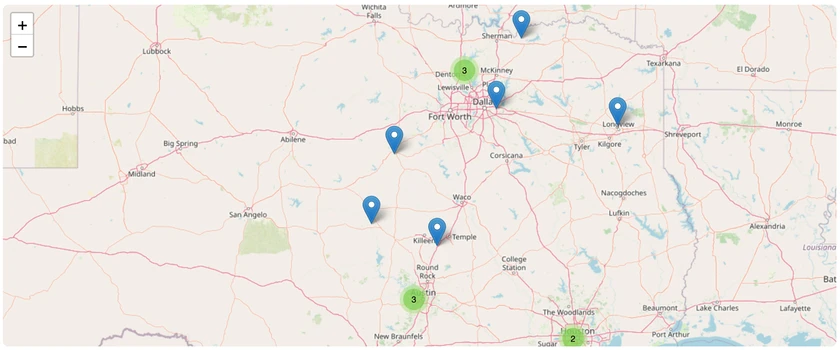
On price, a Belgian Hare from a reputable breeder typically runs in the range of a few hundred dollars, and well-bred or show-quality animals can cost more. Exact figures vary by region, bloodline, show record, and breeder, so treat any single number as a rough guide rather than a fixed rate. Because good breeders are scattered, you may need to travel or arrange transport rather than count on finding one nearby, and litters can be infrequent, so patience and a willingness to join a waiting list are often part of the process.
If the rarity gives you pause, it can help to look across the wider rabbit species hub on Creatures and weigh other breeds. A more readily available wool breed such as the American Fuzzy Lop is a very different animal in temperament and grooming needs, but comparing the two is a useful way to confirm the Belgian Hare is genuinely the right fit before you commit to a long search.
What to consider before getting one
A Belgian Hare can be a wonderful animal for the right person, but it is a poor impulse buy. Before committing, weigh the following honestly.
- Space and exercise. Can you provide a large enclosure plus several hours of safe daily run-around time? This is not a small-cage rabbit.
- Temperament fit. Are you ready for a nervous, high-energy animal that needs calm, skilled handling and is not ideal around young children?
- Climate. Can you keep it cool, dry, and out of heat and humidity year-round?
- Experience. Are you comfortable with rabbit care, or willing to learn quickly, including recognizing emergencies like GI stasis?
- Vet access. Do you have a rabbit-savvy veterinarian within reach?
- The long haul. Are you prepared for an animal that may live a decade?
- Sourcing. Are you willing to seek out a responsible, knowledgeable breeder, possibly at a distance, rather than buying on convenience?
If you can answer yes to those, the Belgian Hare offers something few breeds can: a domestic rabbit with the look and spirit of a wild animal, a piece of living history, and a genuinely engaging companion.
Do this next on Creatures
Creatures is the records, marketplace, and profile layer that rabbit owners and breeders use to keep everything about their animals in one place. If the Belgian Hare is on your radar, here are useful next steps. No account is needed to start the guest-friendly ones.
Frequently asked questions
Is a Belgian Hare a rabbit or a hare?
It is a rabbit. The Belgian Hare is a domestic rabbit (Oryctolagus cuniculus) that was selectively bred to resemble a wild hare. True hares belong to a different genus (Lepus), are born furred and able to run, and have never been domesticated. The Belgian Hare just borrows the look and the name.
How big do Belgian Hares get?
They are a medium-sized rabbit, usually about 6 to 9 pounds, with ARBA setting a maximum weight of 9.5 pounds. Their long, lean build makes them look larger and lighter than the scale shows.
Are Belgian Hares good pets for beginners or children?
Generally no. Belgian Hares are alert, energetic, and easily startled, and a frightened one can kick hard enough to hurt itself or the handler. Most breed authorities recommend them for experienced, patient owners in calm homes rather than for young children or first-time rabbit keepers who want a placid lap pet.
How long do Belgian Hares live?
Commonly around 7 to 11 years with good care, including a hay-rich diet, ample exercise, protection from heat, and access to a rabbit-savvy veterinarian.
Why are Belgian Hares so rare?
After the speculative “Belgian Hare boom” collapsed in the early 1900s, the breed never returned to large numbers. It survives today as a heritage show and fancy breed maintained by a relatively small group of dedicated breeders. The Livestock Conservancy currently lists it as “Recovering.”
How much does a Belgian Hare cost?
Prices vary, but a Belgian Hare from a reputable breeder generally runs a few hundred dollars, with show-quality animals costing more. Because breeders are scattered and litters can be infrequent, expect to possibly travel, arrange transport, or join a waiting list.