Kunekune Pig Registration in the US: AKKPS, IKHR and Existing Papers
Author: Elliott Garber, DVM · Published
For a US Kunekune, identify which herdbook the breeder used before collecting DNA or paying a transfer fee. American KuneKune Pig Society and International Kunekune Hog Registry publish different workflows. Use Creatures for breeders to keep the pig’s own registration, sire and dam, and the boar and sow line names supplied by the issuing registry.
US registry instructions checked November 27, 2026.
| AKKPS | Follow member portal and full registration steps |
|---|---|
| IKHR | The litter’s listed breeder files through IKHR |
| Existing AKPR papers | AKKPS dual-registers AKPR Full papers with UC Davis parentage DNA back to the imports |
| Identification | Use the method accepted by the issuing registry |
| Who files | The breeder in the issuer's record. |
|---|---|
| AKKPS | $65 annual membership. Litter notify, apply ID, obtain DNA for Full, then submit. Two, one or no wattles may qualify. |
| IKHR | Two wattles. Ear tag or notch. UC Davis case bearing AKB, NCS or KPS. |
AKKPS registration
Start at the AKKPS member portal. Membership is $65 annually and covers registration work. The breeder pays separately for the animal’s ID and the UC Davis test. The breeder is the owner of the AKKPS-registered sow at farrowing. The boar must also be AKKPS registered. The breeder can use someone else’s registered boar without a service form.
- The breeder submits a litter notification for every piglet, including stillborn piglets.
- Apply the permanent ID before the pig leaves the breeder’s farm. AKKPS accepts a microchip, unique ear tag or tattoo. USDA 840 tags are recommended. Tattooing is allowed but not recommended; the farm prefix goes in the right ear and the AKKPS number in the left.
- For Full registration, the breeder orders UC Davis parentage DNA from their own account with the KPS affiliation. A genetic-marker-only report does not establish parentage. AKKPS estimates about 15 days at the lab.
- The breeder files Full registration. Allow up to four weeks for the registrar to process it. The seller has 10 weeks after the buyer takes possession to submit a registration and four weeks to submit a transfer.
The three AKKPS pedigrees are Full, Companion Animal and Animal for Harvest. Full needs parentage DNA and carries breeding rights. Companion Animal and Animal for Harvest have no DNA requirement and no breeding rights. The breeder can convert either to Full with a parentage report. AKKPS accepts pigs with two wattles, one wattle or no wattles.
IKHR registration
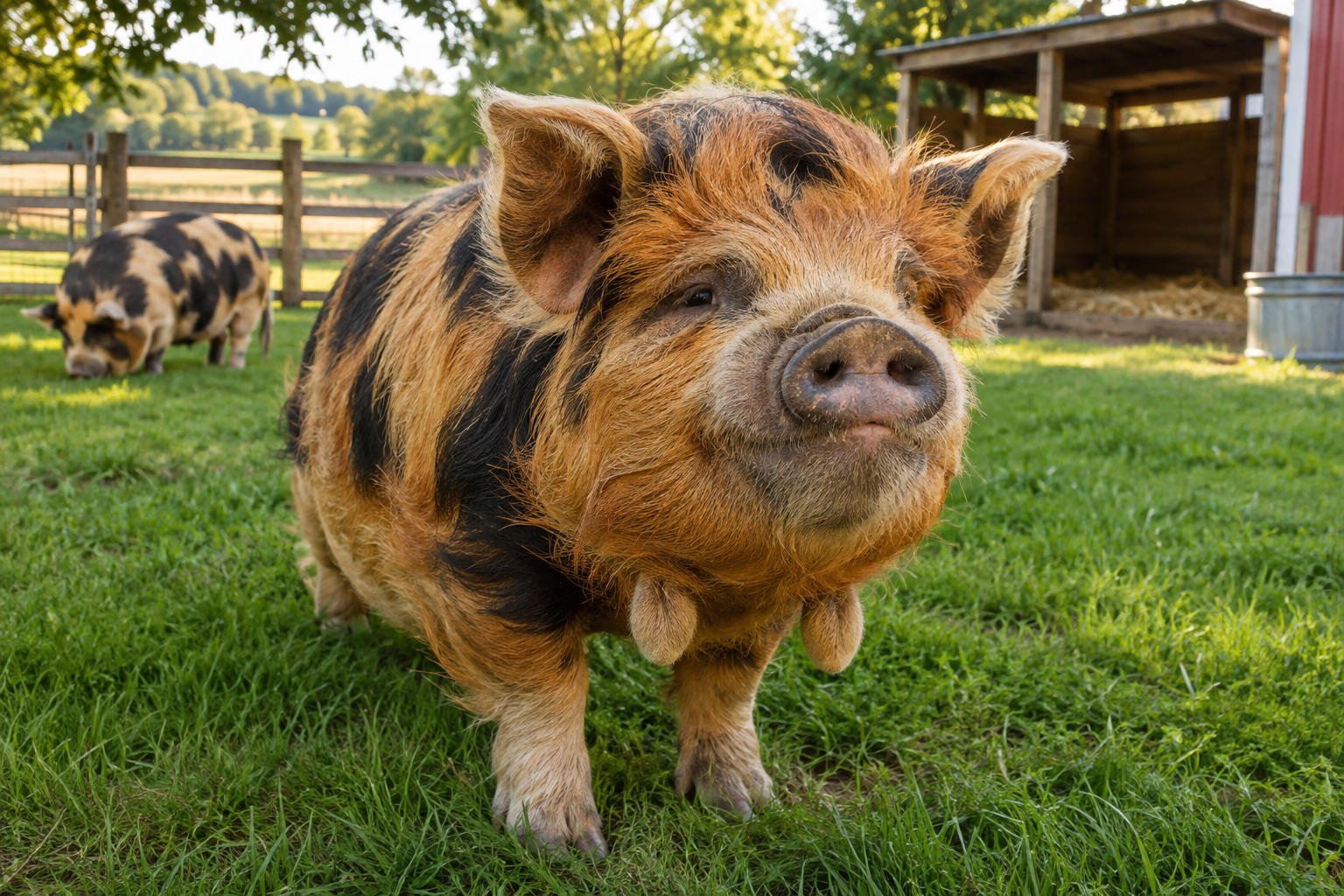
Apply under the IKHR registration rules if IKHR holds the litter. The breeder listed in the herd book must be in good standing and is the only person who can file the litter and have the pig DNA tested. The UC Davis case must have the AKB, NCS or KPS prefix. From January 1, 2021, IKHR considers only pigs with two wattles. From January 1, 2023, it accepts only ear tags and ear notching as identification. Include photos for special designations such as Tapeka Trait or High Percentage White.
Match the ID as entered on the application, including an ear-notching description where used. Check with the breeder before payment if a pig is leaving with registration pending. Ask for the registration number and name on the resulting certificate as soon as the breeder receives it.
An animal already has AKPR papers
AKKPS dual-registration rules accept eligible Full records from AKPR, AKBA or IKHR when UC Davis parentage DNA follows the pedigree back to the original imports. AKKPS also names BKKPS and the New Zealand KuneKune Association for new imports only. The named owner on the other certificate applies. A seller dual-registers the pig in their own name first, then files a separate transfer to the buyer. A pet or meat-only pedigree does not qualify. When a seller presents AKPR papers, check those specific items before planning a dual filing. Existing AKPR papers have an evidence route under AKKPS’s rule. A current issuer-owned AKPR application was unavailable in this check.
Read the boar and sow lines alongside the pedigree
AKKPS registration terminology builds the name from the farm name, line name and number. Its example Blue Hills KuneKunes Mahia Love 21 uses Blue Hills KuneKunes for the farm, Mahia Love for the line and 21 for the individual. A boar takes his sire’s boar line and a sow takes her dam’s sow line. The names trace along those same-sex ancestors to the imports. An import keeps its original line name. The registry treats a prefixed import line such as BH Tutaki as a separate numbering line from Tutaki.
Copy the line as printed and use the individual animal and parent numbers to distinguish pigs carrying the same line. On Creatures, store an ear notch in Farm ID or the notes. Keep line names with the relevant Registration and link the actual sire and dam in the pedigree.
Keep the records on Creatures
Link the sire and dam on the profile and save each registration with its issuer. Write the boar and sow line names in the registration notes. Keep the on-animal tag or other ID in Identifiers and the DNA report as its own record.
The care, growth and identity records guide explains where these records sit. Browse other pig guides or see National Swine Registry paperwork.
Registry directory: American KuneKune Pig Society.
Do this next on Creatures
- Add an animal from this group so its identification and records stay together. See the profile setup guide.
- Add a record from your paperwork. A free account saves it. See adding a record.
- Set up your breeder profile if you want a public farm listing. See getting listed in the breeder directory.
- Get a listing alert for this search.
- Browse listings and ask for the records that matter to your purchase.
- Find a breeder and discuss the paperwork before you put down a deposit.