

American
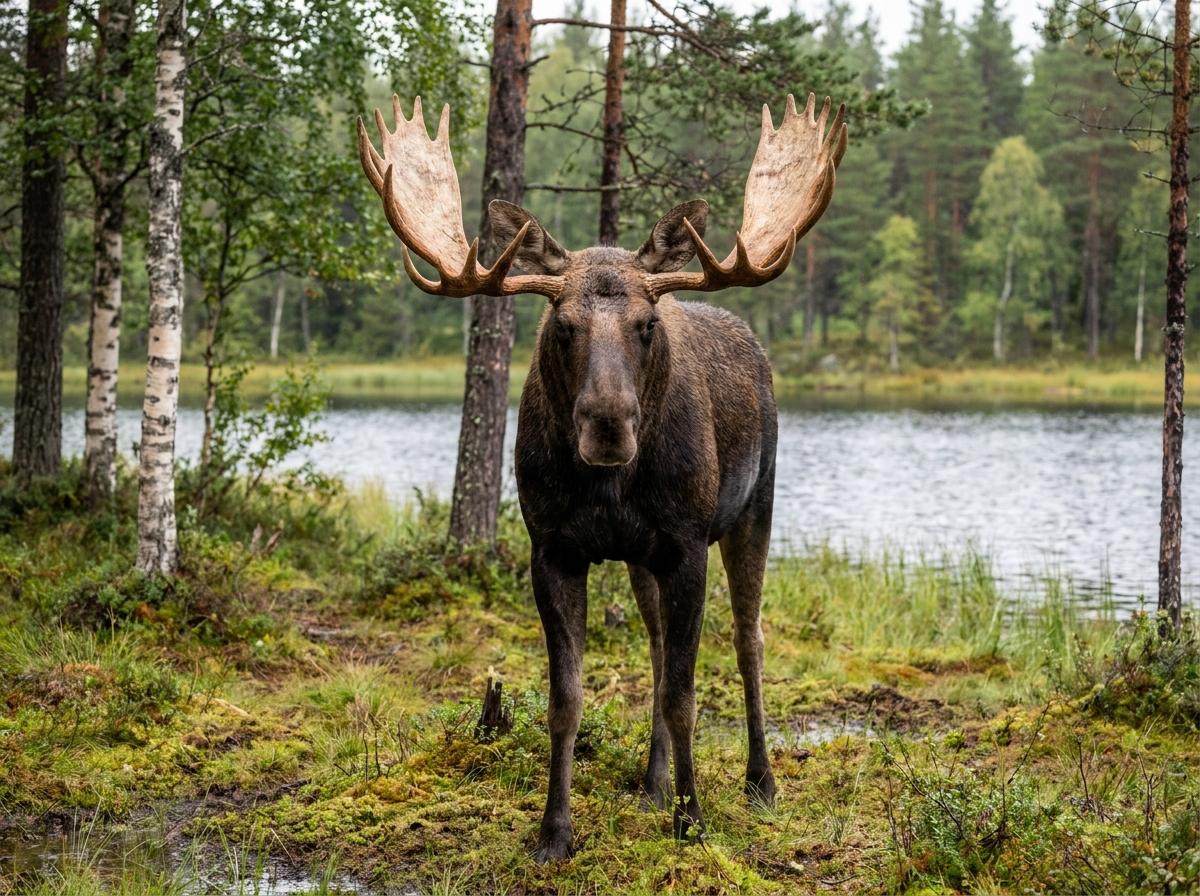
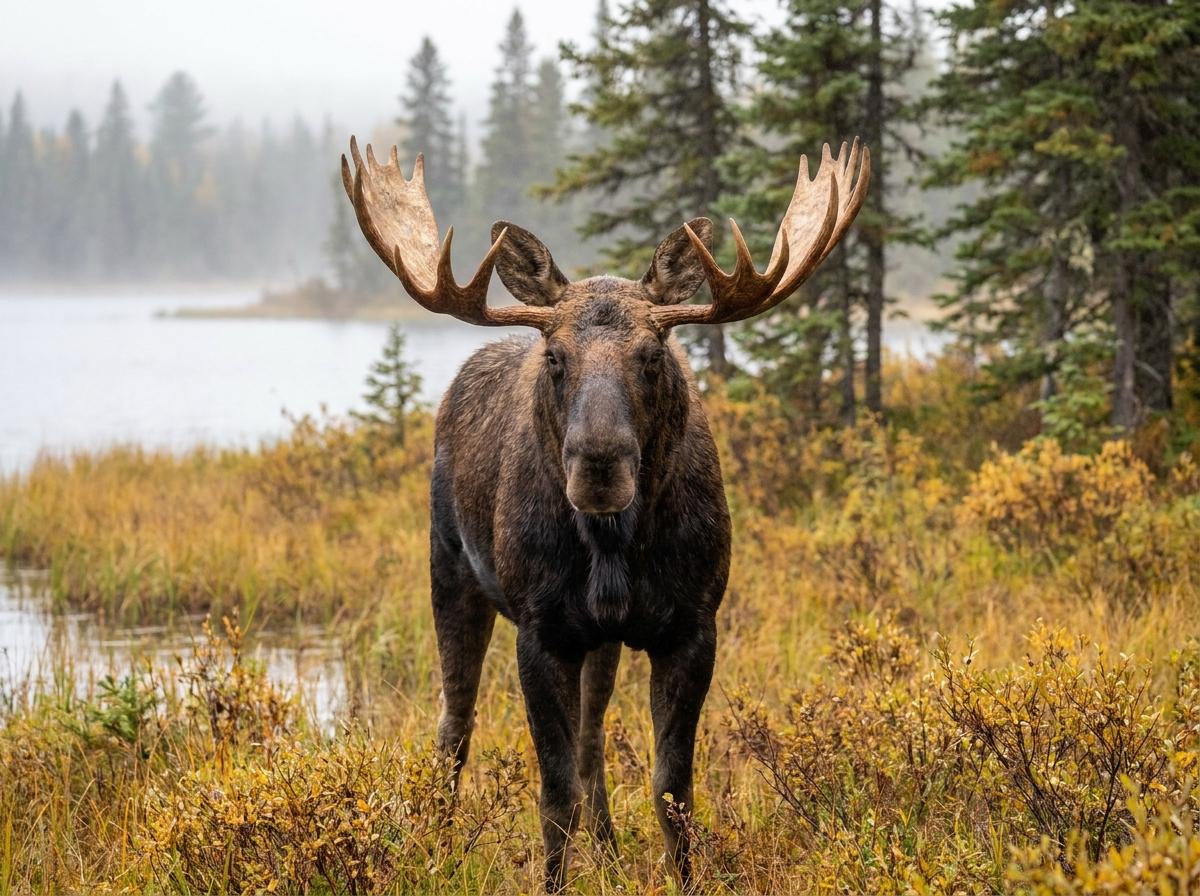
American moose is a practical name for the North American form of moose, Alces alces in broad taxonomy and sometimes treated by authorities as Alces americanus. It is not a domestic breed. These are the tallest living deer, with long legs, a shoulder hump, a large overhanging muzzle, and dark brown to nearly black coats; mature bulls grow broad palmate antlers each year. North American populations include regional forms such as Alaska-Yukon, western, eastern, and Shiras moose, adapted to boreal forest, willow flats, wetlands, and subalpine shrublands.
People manage American moose almost entirely as wildlife rather than private livestock. State, provincial, and tribal agencies track harvest, winter ticks, calf survival, vehicle collisions, and habitat change, especially where warmer winters affect parasites and browse. Zoos and sanctuaries keep moose only in specialized settings. Adults need cold-tolerant facilities, forgiving footing, and barriers built for a very large deer that can move unexpectedly fast. Diet planning relies heavily on willow, aspen, and other browse, with aquatic plants used where practical. Orphan rehabilitation is tightly regulated in many regions.
Colors: Black, Dark Brown