


Where to Buy a Tarantula: Captive Bred Versus Wild Caught, and How to Check a Seller
Author: Elliott Garber, DVM
Most tarantulas change hands through four routes: a dedicated invertebrate breeder, an invertebrate expo or local club event, a shop that actually keeps spiders properly, and the rehoming and rescue network that grows around any long lived pet. Where to buy a tarantula turns out to matter less than one decision you make before you pick any of them, which is whether the animal in front of you was bred in captivity or taken out of the wild.
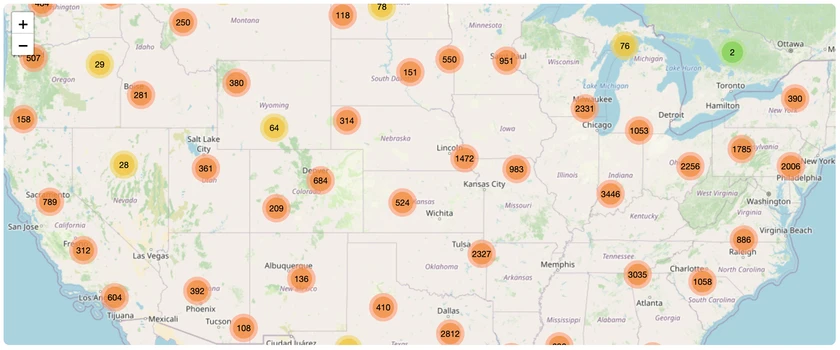
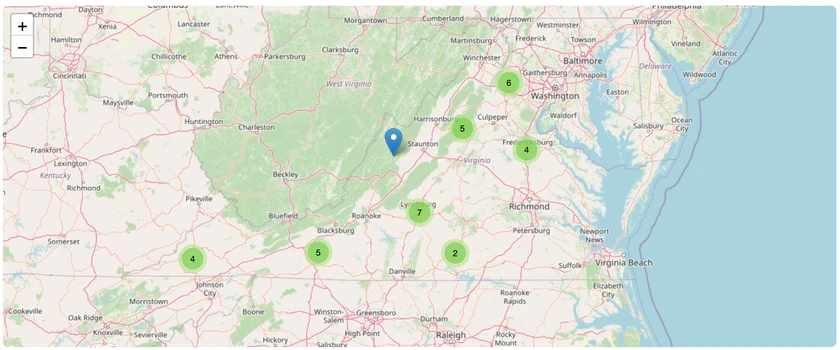
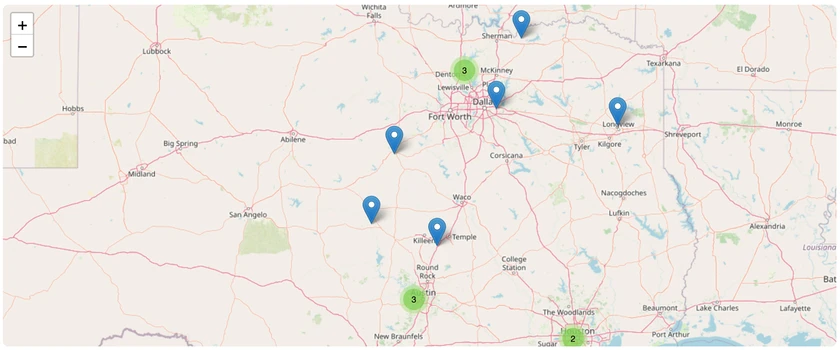
That decision drives everything else: the health of the spider, its likely age, the legality of how it reached you, and whether your money paid a breeder or a collector. It is also the question most listings answer badly, so this guide is built around it. The practical place to search current listings, compare sellers and set an alert is the Creatures marketplace, filtered here to Mexican red knees, with the Creatures breeder directory for people who breed regularly rather than posting one spider at a time.
Below: how to read a listing for captive bred versus wild caught, what CITES actually controls, the four channels and what each is good for, which species make sensible first tarantulas, what to inspect before you pay, what to expect to spend, and the scam patterns that show up again and again in invertebrate sales.
Captive bred or wild caught: the decision that matters most
Why captive bred is the responsible buy
Wild collection for the pet trade is a documented pressure on Mexican tarantulas, alongside habitat loss from urbanization, agriculture and roads. The conservation assessment of the CITES listed theraphosids describes the overharvesting of wild subpopulations to supply the illegal pet trade as a driver of decline, on top of the habitat loss already shrinking their range (Species conservation profiles of tarantula spiders listed on CITES).
The buying argument is that none of that pressure is necessary for the species most people want. These spiders breed readily in captivity and grow up fast enough to supply the hobby: the University of Florida notes that the Mexican redrump can be raised to adult in captivity in two to three years (UF IFAS, Mexican redrump tarantula). A captive bred spiderling is not a compromise version of a wild one. For the common species it is the normal, better supplied option, and it is the one that leaves wild populations alone.
There is a practical case too, and it belongs to a locally bred animal bought directly from the person who bred it rather than to the words captive bred on a label. Ask that breeder and you can get a hatch date, so you know the spider’s age rather than guessing at it, and an account of what it has eaten since its second instar. Captive bred does not by itself mean the animal stayed near home: a study of the arachnid trade found that CITES listed genera such as Brachypelma were largely recorded being imported into the United States as captive bred individuals (Communications Biology, searching the web builds fuller picture of arachnid trade). Treat origin and transport history as two separate questions, ask where the spider was bred and how it reached the seller, and read a reseller’s captive bred label as a claim to check rather than a record of the animal’s journey or its husbandry. What a breeder gives you either way is someone with an interest in your spider surviving, because their reputation is the whole of their business.
Why a wild caught adult is the riskier animal
A wild adult arrives with an unknown age and an unknown history. If it is a mature male, most of his remaining life is already spent: males mature years earlier than females and die not long after their final molt, so a wild caught adult male may be a few months of pet rather than a few decades. If it is a female, she may be a decade in already, which nobody can tell you.
Wild animals also arrive stressed, frequently dehydrated after transit, and sometimes carrying mites or other hitchhikers. They tend to be more defensive and less settled for months. And their legal status is the murkiest part of any listing, which is the subject of the next section.
How to tell which one you are looking at
- Ask for the hatch date and the breeder’s name. A captive bred animal has a paper trail. “It came from a wholesaler” is not an origin.
- Spiderlings are almost always captive bred. Nobody collects second instar slings from the wild at any scale, which is one more reason to start small.
- Be suspicious of cheap adults in quantity. A large adult of a slow growing species, offered in numbers and priced low, is the classic profile of imported wild stock.
- Look at the animal. Worn and scratched carapaces, patchy setae, missing legs, field debris and visible mites all point toward a wild caught animal rather than one raised in a clean container.
- Treat “not sure” as wild caught. A breeder always knows. A reseller who does not know is passing on somebody else’s collecting.
Being common in shops proves nothing about origin. The Chilean rose is the clearest example: it became the most widely sold tarantula in American and European pet shops in large part because of cheap wild caught specimens exported from Chile, not because it was being bred in volume (Chilean rose tarantula). If you want one, you can browse the Chilean rose tarantula species page and then ask the origin question anyway.
What CITES actually controls when you buy a tarantula
CITES is the international treaty that governs cross border trade in listed species. Appendix II, the tier that covers tarantulas, includes species that are not necessarily threatened today but could become so unless trade is controlled, and it works through permits: an export permit from the country of export is required for trade, with no import permit needed unless a country’s own law demands one (US Fish and Wildlife Service, CITES appendices). Every tarantula on CITES sits in Appendix II rather than the stricter Appendix I (conservation profiles of CITES listed tarantulas).
Three points matter to a buyer:
- The whole of the genus Brachypelma is listed. That includes the Mexican red knee. A Department of Justice announcement in a tarantula smuggling prosecution put it plainly: the entire Brachypelma genus is protected by CITES because it is threatened by international trade (US Attorney’s Office, tarantula smuggling case). That case involved hundreds of live spiders mailed into the United States, including Mexican red knees.
- The listing has grown. The ornamental tarantulas of the genus Poecilotheria were added to Appendix II at the 2019 Conference of the Parties, effective 26 November 2019 (FWS notice to the wildlife import and export community).
- Some species carry a second layer. Five Sri Lankan Poecilotheria species, P. fasciata, P. ornata, P. smithi, P. subfusca and P. vittata, were listed as endangered under the US Endangered Species Act in a final rule effective 30 August 2018 (Federal Register, 83 FR 36755).
What CITES does not do is tell you whether you may keep a tarantula at home. It regulates movement across borders, not domestic ownership. A private sale of a captive bred spider between two keepers in the same country is not a CITES transaction. But the animal’s original arrival in that country had to be legal, so a seller offering an imported animal should be able to say how it got there, and shipping a listed species across a border without paperwork is smuggling rather than a shortcut.
Local rules are separate again. Some states, cities and counties restrict or prohibit keeping certain invertebrates, and rules can differ inside a single state, so confirm your own local ordinance before you buy rather than after. Landlords and housing agreements are worth checking for the same reason.

The four channels, and what each is good for
A dedicated invertebrate breeder
This is the best route for most buyers. A breeder who produces their own sacs can tell you the hatch date, the parents, the molt history and what the spiderling has been eating, and they have an ongoing reason to answer your questions a year later. Prices are usually fair rather than cheap, availability follows sacs rather than demand, and most breeders expect you to wait for the species you want.
Waiting is the normal state of this hobby, which is what listing alerts are for. You can set a free alert in the hub below, and browse people who breed regularly in the Creatures breeder directory before a sac is even laid.
An expo or a local club event
Invertebrate expos and arachnid society meetings put many keepers in one room, which is the one setting where you can look at a dozen animals in person, compare enclosures, and ask a breeder about their stock face to face. You avoid shipping entirely, which removes a whole class of risk. The trade off is atmosphere: a crowded hall encourages impulse buys, and a spiderling in a cup is easy to say yes to. Decide your species and your budget before you walk in.
Hobby forums and regional keeper groups are worth joining for the same reason, as communities rather than shops. They are where you learn who has a reputation to protect.
A shop
Some independent shops keep invertebrates properly, with correct enclosures, deep substrate and staff who can name the species. Many do not. Judge the shop by the housing on the shelf rather than the price on the label: shallow bare containers, damp moldy substrate, cohoused spiders and animals with shriveled abdomens all tell you what you need to know. Shops rarely know an animal’s origin or exact age, so ask, and treat a shrug as an answer.
Rescue and rehoming
Tarantulas outlive a lot of good intentions, so adults come up for rehoming regularly: a keeper moves country, a collection is downsized, an estate is settled. These animals are often mature, already settled, and come with the previous keeper’s notes if you ask. The catch is the same as with any adult: unless there is a hatch date, you are estimating age. For an animal that can run past 25 years, an adult of unknown age is still likely to be a long commitment, but it is not the same as starting at year zero.
Whichever channel you use, you can keep the search, the conversation and the agreement in one place on the Creatures marketplace, filtered here to Mexican red knees rather than in scattered messages. The help article on making an offer on a listing covers how offers and messages work so the terms are written down before money moves. The same channel by channel logic applies to other small, easily shipped animals: our guide to where to buy a canary works through the same origin, health and seller questions for a very different species.
Pick a species you can actually keep
Most bad tarantula experiences start at the species choice, not at the seller. Three things separate a sensible first spider from a difficult one: how fast it moves, how it reacts to being disturbed, and how medically significant its bite is.
Ground dwelling New World species are the beginner group. The Mexican red knee is the classic first tarantula: slow moving, slow growing, long lived and famously placid. The Chilean rose has a similar reputation, with the origin caveat above. The curly hair, now placed in the genus Tliltocatl, is the third name that comes up constantly and for the same reasons. All three sit on the floor of their enclosure, move deliberately, and would rather flick hairs than bite.
Those hairs are the real New World defense, and they deserve respect. Urticating setae itch like fiberglass on skin, and the University of Florida is direct about the worst case: if they reach mucous membranes and especially the eyes, discomfort or injury can follow (UF IFAS). The ophthalmology literature carries repeated case reports of hairs embedded in the cornea and conjunctiva after people handled their pet spiders, including a case following the casual handling of a tarantula (PubMed 10810943). This is the main reason experienced keepers treat tarantulas as display animals and discourage handling. It is also why you should wash your hands and keep them away from your face after working in the enclosure, and why any eye symptom after contact is a same day matter for a doctor rather than something to sleep on.
Fast arboreal species are a different skill level. Tree dwellers such as the Martinique pink toe need a tall enclosure with anchor points instead of deep substrate, and they move in a blur when startled. Big, fast growing ground species like the Brazilian salmon pink and the giant white knee are manageable but large and food hungry. Heavy webbers like the green bottle blue will fill their enclosure with silk, which is a feature rather than a fault, but it makes maintenance a slower job. Slow growing native species such as the Arizona blonde test your patience more than your nerve, and collecting one yourself is a wildlife question, not a shopping one.
Old World species are for later, and the reason is venom. New World tarantula bites are generally treated as painful rather than dangerous, but the picture changes for some Old World genera. In a study of theraphosid venoms, bites of Poecilotheria species were described as being of medical importance, with 58 percent of recorded incidents producing generalized muscle cramps that began around ten hours later and persisted for one to fourteen days (Pharmacological characterization of venoms from three theraphosid spiders). The Gooty sapphire is a stunning animal in that genus and a bad first spider, for that reason and because it is fast, arboreal and CITES listed. Buy one after you have kept a placid ground dweller for a few years, not instead of one.

A note on names: red knee, hamorii and smithi
If you shop for a Mexican red knee you will see two scientific names used for what looks like the same spider. The animals kept in the hobby as Brachypelma smithi for decades were separated in a 2017 revision, and many earlier sources using that name either do not distinguish the two species or actually refer to Brachypelma hamorii, the species most red knees in collections belong to (Brachypelma hamorii).
This is not usually a scam. It is a naming lag, and plenty of honest breeders still use the older label because that is what their stock was sold to them as. Treat it as a question rather than an accusation: ask which species the seller believes it is and where their stock came from. Both are on CITES Appendix II either way, so the paperwork question does not change.
What to check before you hand over money
Bring this list to the handover or ask for it on video before you pay.
- Abdomen. Plump and rounded. A shriveled or wrinkled abdomen suggests dehydration and is the single most useful thing you can see from across a table.
- Posture. A spider sitting normally with legs out is fine. Legs curled tightly underneath the body is a serious sign and a reason to stop, not to negotiate.
- Legs. Count them: eight legs plus two shorter front palps. A missing leg regrows over successive molts and is not the end of the world in a young animal, but ask how it happened, because the answer tells you about the seller’s handling.
- Bald patch on the abdomen. On a New World species this usually means nothing more than that the spider has kicked hairs at something. It regrows at the next molt. Do not let a seller price it as damage, and do not treat it as one.
- Mites and substrate. A few grain mites in the container point at damp, stale husbandry rather than a sick spider, but they tell you how the animal has been kept.
- Feeding and molt dates. A record keeping seller can tell you when it last ate and when it last molted. An animal in premolt looks dull, may seal itself away and will refuse food for a while. That is normal, and worth knowing before you worry.
- Sex, and how they know. Reliable sexing comes from examining a shed molt for the female reproductive structures. A ventral photograph is suggestive at best. If a listing says female, ask who checked which molt and when, and ask to see the molt.
Nothing here replaces a professional opinion. Veterinarians who see invertebrates are not common, so find one before you need one rather than during an emergency, and defer any medical decision to them.
What you should expect to pay
Tarantula prices swing hard with species, size, sex and season, so precise figures age badly and vary by region. The shape of it is consistent though:
- A captive bred spiderling of a common New World species is the cheapest way in, usually a modest two figure sum, and it is also the option with the most life ahead of it.
- An unsexed juvenile costs more, because someone has already carried it through its most fragile months.
- A confirmed adult female is the most expensive of the three, often by a wide margin. That is not a markup for nothing: she represents years of a keeper’s time, and females are the sex that reaches the long ages this hobby is known for. How much of that is still ahead of her depends on her age, which only a hatch date can settle.
- Rare, newly described and Old World species run far higher, and are exactly where wild caught animals and inflated claims concentrate.
The animal is rarely the biggest line. A correct enclosure, substrate, a hide, a water dish and a running supply of feeder insects usually cost more than a common spiderling, and shipping is charged per box rather than per spider, so buying two from one breeder costs less than buying one from each of two. Budget for the setup before you budget for the spider.
Scams and red flags in invertebrate sales
- Deposit first, always shipping, never a video. A seller who will not do a short live video of the actual animal, or a handover in person, is the most common scam pattern in this market.
- Stock photos. Ask for a picture or clip of the animal you are buying, taken today, with something ordinary and dated in the frame. Reverse image search anything that looks too polished.
- Wild caught sold as captive bred. Cheap adults, several at once, no hatch dates, vague sourcing. See the origin checklist above.
- “Sexed female” with nothing behind it. No molt, no ventral photo, no date. This is the most expensive lie in the hobby, because you pay a female price and may find out years later.
- Shipping into a heatwave or a freeze. Responsible shippers hold packages during temperature extremes and use overnight service with the appropriate heat or cold pack. A seller who ships regardless of the forecast is telling you how much they care about the animal arriving alive. Agree in writing what happens if it does not.
- Urgency and pressure. “Someone else is asking about it” is a sales tactic, not a constraint.
- Payment with no recourse. Wire transfers, gift cards and cash apps are favored by scammers precisely because they are hard to reverse.
- Imported animals with no paperwork. For a CITES listed species crossing a border, documents are the whole point. No documents means you are being asked to buy into someone else’s legal risk.
Keeping the search, the messages and the agreement on one platform helps with most of these. When you find a spider through the Creatures marketplace you can message the seller, ask the origin and sexing questions in writing, and use the built in offer flow instead of sending money to a stranger.
Set the enclosure up before the spider arrives
Buy the housing first, get it right, and let it sit ready. For a ground dwelling species that means low and wide rather than tall, with deep dry substrate filling a good part of the height, a hide the spider can actually fit under, a shallow water dish, cross ventilation and a secure lid.
The height rule is the one new keepers get wrong. A terrestrial tarantula’s abdomen is fragile, it will climb the glass, and a fall onto a hard surface is the most common avoidable injury in this hobby. Deep substrate and a low ceiling remove the drop entirely.
Structure is worth more than space alone. In a controlled study of Brazilian black tarantulas, spiders housed in a larger, more complex enclosure used substantially more of it, spent far less time on the walls, and were more active afterwards in a novel environment, and the authors highlighted readily usable hides as an important element of husbandry for the species (PLOS ONE, tarantula welfare and environmental complexity).
Skip contact heat sources. Merck’s husbandry guidance for reptiles is blunt that hot rocks frequently cause burns and should be avoided (Merck Veterinary Manual), and the same reasoning applies with more force to an animal that spends its whole life pressed against the surface it sits on. Most common New World beginner species do well at ordinary indoor room temperatures, so warming the room is usually safer than putting a heat source against the enclosure. Ask the breeder what they keep theirs at and match it.
Frequently asked questions
Where is the best place to buy a tarantula?
For most people, a dedicated invertebrate breeder, either directly or at an expo. You get a hatch date, a known species, a molt and feeding history, and a person who is still there in a year. Shops and rehoming both work, but they usually tell you less about the individual animal.
Should I buy a spiderling or an adult?
A captive bred spiderling is the better first purchase for most buyers: cheaper, almost certainly captive bred, and it gives you the whole animal’s life. The cost is patience, since the popular Mexican species grow slowly. An adult gets you a visible spider immediately, but unless it comes with a hatch date you are guessing at its age, and a mature male may have very little time left.
How can I tell if a tarantula is captive bred?
Ask for the hatch date, the parents and the breeder. Spiderlings are almost always captive bred. Cheap adults offered in quantity, worn carapaces, missing legs and vague sourcing point the other way. A seller who cannot answer the question is not a seller who knows.
Is it legal to own a tarantula?
In most places, yes, but this depends on where you live rather than on the species alone. CITES governs international trade rather than home ownership, while some states, cities and counties restrict or prohibit keeping certain invertebrates. Check your own local rules, and check import paperwork on anything that crossed a border.
Why do sexed females cost more?
Because females live so much longer than males. The University of Florida puts the figure carefully: individuals of some species in the genus the Mexican red knee belongs to are thought to live at least 25 years in the wild, and longer in captivity. It is females that reach those ages, because males mature much earlier and die not long after their final molt. That is a potential lifespan rather than a guarantee, and it is not the same as time remaining. A female bought as a spiderling can be a decades long animal; an adult female of unknown age may already have spent much of it, which is why a hatch date is worth nearly as much as the sexing. Confirmation itself means a shed molt that somebody actually examined.
Are tarantulas dangerous?
The common New World species kept by beginners are not considered a serious bite risk to people, and their first defense is to flick urticating hairs rather than bite. Those hairs are the real hazard: they irritate skin and can injure eyes, which is why handling is discouraged. Some Old World genera are a different matter, with Poecilotheria bites described in the literature as medically important and capable of causing prolonged muscle cramps. Any bite or eye exposure is a matter for a doctor, not a forum.
Do this next on Creatures
Whether you are waiting on the right captive bred sling, comparing two breeders, or bringing home a spider that will outlive several phones, Creatures is the marketplace, directory and records layer to do it in one place, so you can check a seller instead of sending money to a stranger.
Get told when one is listed. Tarantula availability follows egg sacs, so waiting is the normal state of this hobby. Set a free Mexican red knee listing alert and Creatures will tell you when a matching spider is posted. No account needed to start, and saving searches and using your watchlist explains how alerts and the watchlist work together. The species filters in this hub all start on Mexican red knees, so choose your own species when you set an alert, add an animal or create a breeder profile.
See what is available now. Browse current Mexican red knee listings on the marketplace and search trusted breeders in the Creatures directory. When you find one, making an offer on a listing shows how to message the seller and get the origin, sexing and shipping terms in writing before you pay.
Add your Mexican red knee. Already keeping one? Create a free animal profile in a few minutes and give it a permanent home for its dates and photos. No account needed to start, and the walkthrough is in adding an animal to Creatures.
Log the molts from day one. Molt dates are how you track growth, time a rehouse and finally confirm sex, and they are impossible to reconstruct years later from memory. Add a record on Creatures. The record sheet opens for any visitor to look around, and a free account saves what you enter. See adding a record for the full how to.
Breed Mexican red knees? Create a breeder profile so buyers looking for captive bred stock can find you rather than an importer, and see getting listed in the breeder directory. No account needed to start.