


Blue Tilapia
Oreochromis aureus
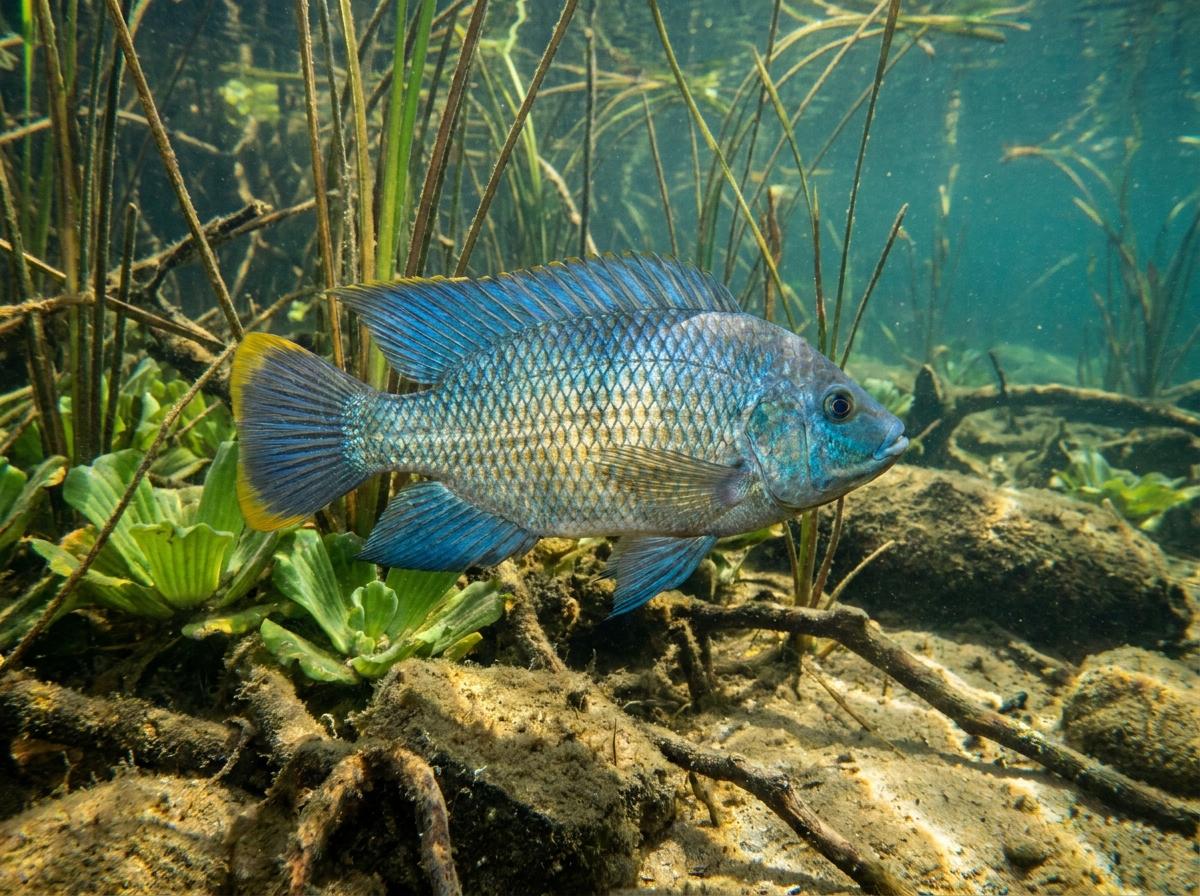
Blue tilapia (Oreochromis aureus) is a hardy cichlid originally associated with warm fresh and brackish waters of northern Africa and the Middle East, now found far beyond its native range. It has a deep compressed body, a long dorsal fin, and variable gray, blue-gray, or olive coloration that changes with age, sex, and breeding condition. Like other Oreochromis tilapias, it is a mouthbrooder and an adaptable feeder, using algae, detritus, plankton, and prepared feeds in ponds and tanks.
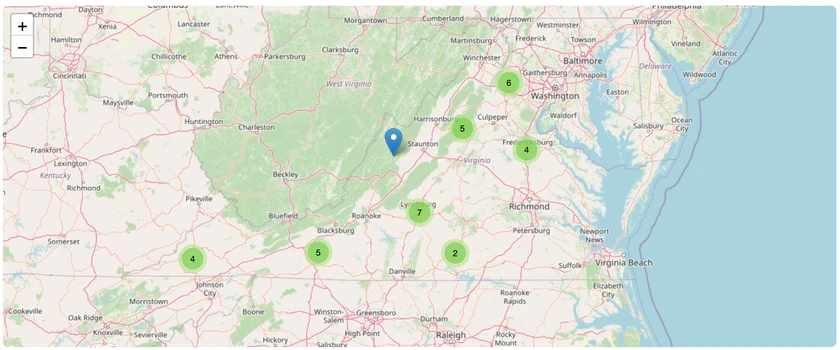
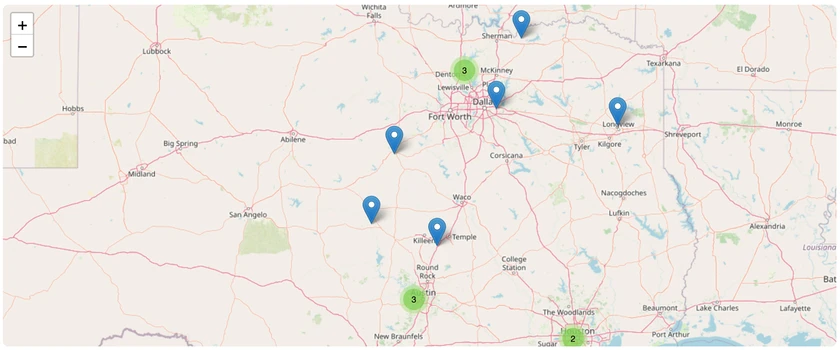
People raise blue tilapia for food, vegetation control, aquaponics, and stocking programs, but its toughness also makes it an invasive concern where escapes reach suitable waterways. Pond and tank managers watch temperature, dissolved oxygen, stocking density, feed conversion, and harvest size. Breeding can become uncontrolled without sex management or planned production cycles, leading to crowded populations of small fish. Permits may be required because regulations vary by state or country. Responsible culture uses secure systems, prevents flood escapes, and avoids releasing unwanted fish into natural water.