

How Much Does an Axolotl Cost? Purchase, Setup, and Lifetime Price Guide
Author: Elliott Garber, DVM · Published
Most axolotls cost between about $50 and $100 to buy. A common morph like a wild type, a leucistic (pale pink), a golden albino, or a melanoid usually sits in that band, and a few juveniles turn up a little cheaper. Less common colors like copper and GFP overlap the same range, sometimes even cheaper than the everyday morphs at the busiest sellers and higher at dedicated breeders. A few rare patterns like mosaics and chimeras sit outside all of this: they are scarce enough that no seller we checked lists a standard price for them. That is the number people search for, and it is the least useful one. The animal is almost always the cheapest part of owning an axolotl. The tank, the filtration, and above all the cooling gear that keeps the water cold enough routinely cost more than the axolotl itself, and because a healthy axolotl can live 10 to 15 years, the figure that actually matters is the setup plus a decade or more of upkeep.
The rest of this walks through each of those numbers, where they come from and where they vary, so you can budget for the axolotl in front of you instead of a sticker price.
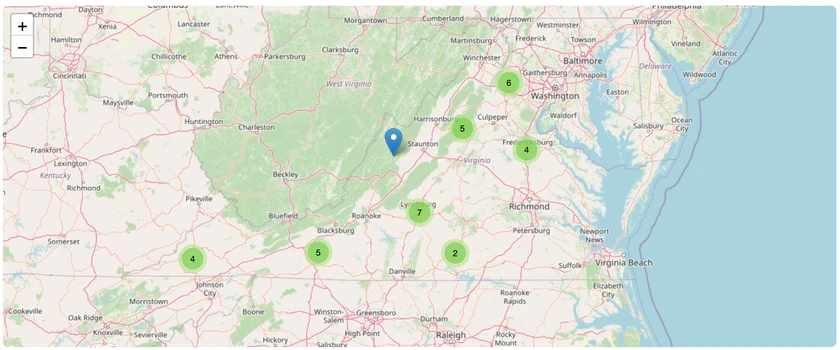
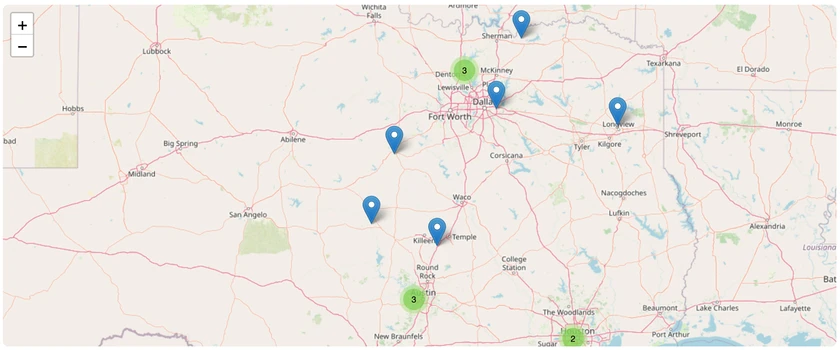
To see current availability and asking prices, you can browse the axolotl marketplace on Creatures.
| Common morph purchase | Roughly $50 to $100 (wild type, leucistic, golden albino, melanoid) |
|---|---|
| Rare morph purchase | Premium morphs roughly $150 to $350; mosaics and chimeras have no set list price |
| Tank and filtration | Roughly $100 to $250 for a 20-gallon setup and gentle filter |
| Cooling gear | A fan setup is cheap; an aquarium chiller commonly runs $100 to $400 |
| Typical first-year total | Often $300 to $700 or more, setup usually beats purchase price |
| Ongoing monthly care | Low for food and water care; cooling electricity is the wildcard |
| Ideal water temperature | 60 to 65 F, never above about 72 F (Ambystoma Genetic Stock Center) |
| Lifespan | Commonly 10 to 15 years in a well kept tank |
How these prices were checked (method, checked 2026-07-16). Morph prices come from 141 current listings read on 2026-07-16 across six dedicated US axolotl breeders and amphibian retailers (among them Axolotl Planet, Axolotl Superstore, Underground Reptiles, Backwater Reptiles, and The Mottled Lotl), with common, less common, premium, and rare morphs counted separately rather than blended, and juvenile animals kept separate from larger sub-adults and adults so unlike sizes are not averaged together. The rarest patterns like chimeras are not given a sampled range, because they are scarce and are sold individually or by auction instead of at a list price. Setup and cooling figures are typical retail ranges for the gear named, not sampled listings. Not a formal survey; prices vary with morph, size, availability, and local supply.
How much does an axolotl cost to buy?
Purchase price comes down mostly to the morph, which is the color and pattern the animal was bred for. All axolotls need the same care, so a rarer color costs more to buy but not a cent more to keep. That is worth saying plainly, because the price gap between a common and a premium morph is large enough to tempt people into thinking a rarer animal is a bigger commitment. It is the same commitment in a different color.
As a rough guide to what you will see:
- Common morphs: wild type (mottled greenish brown), leucistic (pale pink with dark eyes), golden albino, and melanoid (solid dark) are the everyday axolotls, usually about $50 to $100 as juveniles. A few sellers list them a little lower (a leucistic juvenile at about $40 at one retailer), and dedicated breeders or larger animals sit toward the top of the range.
- Less common morphs: colors like copper, and GFP animals that carry a fluorescent protein and glow faintly under blue light, do not automatically cost more. They overlap the common range and, at the busiest sellers, are sometimes listed even cheaper than the everyday morphs (copper and GFP juveniles were listed from about $30 to $50, though the lowest were sold out at the time of writing). At dedicated breeders they run higher, into the low-to-mid hundreds for larger or standout animals.
- Rare and premium morphs: premium morphs like dirty leucistics, hypomelanistics, and premium named individuals run roughly $150 to $350. The rarest patterns of all, mosaic, piebald, and especially the chimera (an animal split down the middle into two color halves, which forms by a rare fluke during early development and cannot be reliably bred to order), have no standard list price at all. They are sold one animal at a time or by auction rather than off a price list, so we are not going to put a number on them: across six sellers we found no repeatable rare-pattern pricing to quote, and a single asking price would tell you what one seller wanted for one animal, not what the next one will cost. If you want one, expect to negotiate rather than to shop a range.
Treat these as ranges, not quotes. Age, size, health, and plain local supply all move the final number, and shipping a live amphibian adds cost if there is no seller near you: overnight live-arrival shipping commonly runs around $50 to $55 where it is charged, though several breeders include it free above an order threshold, and some sellers will not ship to states that restrict axolotls. You can see what is actually listed near you on the axolotl marketplace.

Where you buy from
Where you buy changes both the price and what you actually get.
Breeder. A dedicated axolotl breeder is generally the best route. You get a known age, known parentage, and a healthy animal that has been eating well, plus a person you can ask questions of later. Reputable breeders will not sell axolotls that are too young, and they keep animals cool and separated rather than crowded. You can search trusted axolotl breeders and rescues in the Creatures directory.
Rescue or rehome. Axolotls are surrendered fairly often, usually by owners who did not plan for the cooling or the long lifespan. Adoption fees are typically modest, and a rehomed animal sometimes comes with its tank and gear, which can offset the setup cost that follows.
Pet stores and online sellers. Availability is the main draw, but quality is a coin flip. Animals are sometimes kept too warm on the shelf, mislabeled by morph, or sold undersized. Whichever source you choose, get a good look at the gills (full and feathery, not stubby or curled forward from stress) and skin before you commit, and ask what temperature the animal has been kept at.
The setup that costs more than the animal
This is where most budgets go wrong. People price the axolotl, buy a small tank, and discover the real spending starts after the animal is home.
The tank. Axolotls are bottom dwellers that want floor space more than height. The Ambystoma Genetic Stock Center, the axolotl research colony at the University of Kentucky, keeps two adults in a ten-gallon aquarium, and most home keepers size up to around twenty gallons for a single animal because a larger volume of water holds a steady temperature far better. The tank itself is one of the cheaper line items; the water it holds is what buys you temperature stability, which is the whole game with this species.
Filtration and gentle flow. Axolotls have soft, permeable skin and no protection against a strong current. The Stock Center notes that rapidly circulating water is stressful to them and recommends keeping flow as slow as possible. In practice that means a sponge filter (cheap to buy and cheap to run, often $15 to $40) or a canister filter fitted with a spray bar or flow diffuser to break up the current. A powerful hang-on-back filter aimed straight into the tank is the wrong tool and stresses the animal.
Substrate. This one is a genuine health issue, not a decorating choice. Axolotls feed by suction and will inhale whatever is in front of them. Gravel is the classic mistake, because pieces small enough to swallow are large enough to lodge in the gut and cause a blockage called impaction. A bare tank bottom is the safest option and is standard for young animals, and for adults a layer of very fine sand (grain size under about 1 millimeter) is the usual choice because any grains that get swallowed can pass through. Skip gravel entirely.
A hide and a few basics. A dark cave or hide, a water test kit, and a good dechlorinator round out the list. None are expensive individually, but they add up on top of the tank.

The cooling problem, which is the real cost of an axolotl
Everything above is normal aquarium spending. Cooling is the cost that makes axolotls different from almost every other pet you can keep in a tank, and it is the reason they are not a good beginner animal in a warm home.
Axolotls are cold-water animals. The Ambystoma Genetic Stock Center keeps its colony at 15 to 18 degrees Celsius (60 to 65 F) and states plainly that they should never be kept above about 22 degrees Celsius (72 F), because warm water is dangerous to them. Sustained warmth stresses an axolotl, suppresses its immune system, and can kill it. Unlike a tropical fish tank, an axolotl tank almost never needs a heater. It needs to be kept cold, and most homes sit above the safe range for at least part of the year.
How you solve that drives the cost:
- A cool room and a fan. In a temperate home you may get by with a cool, shaded spot and a small clip-on fan blowing across the water surface, which evaporative-cools the tank for the price of a fan and a little extra water topping off. This is the cheap path, and it only works if your ambient temperature cooperates.
- An aquarium chiller. In a warm climate, or any summer that pushes the tank toward the low 70s, the real answer is a dedicated aquarium chiller, which is a refrigeration unit plumbed into the tank. Chillers are the single most expensive piece of axolotl gear, commonly running $100 to $400 depending on the tank size they have to cool, and they draw power the whole time. That electricity, month after month through the warm season, is the ongoing cost most price guides leave out.
If you live somewhere hot, run the honest math before you buy: a chiller and its power bill, every warm month, for the life of the animal. If you cannot reliably keep the water below the low 70s, the kind answer is that an axolotl is not the right pet for your home.
Ongoing monthly and yearly costs
Set the cooling question aside and the recurring spend on an axolotl is refreshingly low. They are cheap to feed and cheap to maintain.
Food. Adult axolotls eat meaty foods, most commonly earthworms or nightcrawlers, along with axolotl pellets and the occasional frozen bloodworm. A tub of worms or a bag of pellets lasts a long time, so monthly food is usually just a few dollars. Do not house axolotls with fish or shrimp as tankmates: the axolotl will try to eat them, fish nip at those exposed gills, and fish can introduce disease. Feeder fish are food, not company.
Water care. Axolotls are sensitive to poor water quality, and their waste has to be managed through regular partial water changes and a dechlorinator for tap water. The consumable cost here is small, mostly water conditioner and test kit refills. The Stock Center changes adult water at least every other day in its bare tanks, and home keepers on filtered tanks typically do a partial water change weekly. The real input is your time, not your money.
Cooling electricity. As above, if you run a chiller, its power draw is the one recurring cost that can actually move your budget, and it scales with how hot your home gets and how hard the chiller has to work.
Vet care. Axolotls do not need vaccines. Most health problems trace back to water that is too warm or too dirty, and are prevented rather than treated. When something does go wrong, you need a veterinarian who treats amphibians, which is a smaller pool than dog and cat vets, so it is worth finding one before you need one. Defer any illness, injury, or medication decision to that vet rather than a care forum.
What an axolotl really costs over 10 to 15 years
Put the pieces together and the shape is clear: a modest purchase price, a front-loaded setup that usually beats the animal’s cost, a cooling bill that depends entirely on your climate, and a long tail of small monthly spending across a decade or more.
A realistic first-year budget for a single axolotl, common morph, in a temperate home, lands somewhere in the low hundreds of dollars once you add the animal, a twenty-gallon tank, a sponge filter, fine sand, a hide, a test kit, and either a fan or a chiller. In a warm climate that needs a chiller, the first year climbs well past that. From there, the yearly cost is low if all you are buying is worms, water conditioner, and electricity, and it spikes only if the chiller runs hard or an animal gets sick.
Hold onto one thing before you buy: the price of the axolotl tells you almost nothing about the cost of keeping one. A cheap leucistic in a cool basement can be an inexpensive pet for a decade. The same animal in a hot apartment with no chiller is a vet bill waiting to happen. Match the axolotl to a room you can genuinely keep cold, budget for the gear rather than the sticker, and the rest is manageable.
A note on legality and where axolotls come from
Two things are worth knowing before you buy. First, legality varies by state and the strength of the restriction differs, which general lists flatten into a misleading “banned.” California and New Jersey are generally described as prohibiting private ownership, out of concern that escaped or released animals could harm native salamanders. Maine is different: it classifies axolotls as Category 2 restricted wildlife and provides qualified possession and import permit routes rather than a flat ban, so it belongs in the permit column, not the prohibition column. Rules change and cities can add their own, so check your state wildlife agency and the current permit applications before you buy rather than trusting a seller. Second, every pet axolotl is captive bred. The species is listed as Critically Endangered on the IUCN Red List; the 2020 IUCN assessment estimated 50 to 1,000 mature individuals remaining in the wild in the canals of Xochimilco near Mexico City (that is an estimate of mature individuals from a 2020 assessment, not a current total-population census). Buying a captive-bred animal from a responsible breeder does not touch that wild population, which is a point in the hobby’s favor, but it is a reason to buy from someone who keeps their animals well.
Frequently asked questions
How much does an axolotl cost on average?
A common morph is usually about $50 to $100. Premium morphs run roughly $150 to $350, and the rarest patterns like mosaics and chimeras have no set price at all, since they are sold individually or by auction rather than off a price list, which is why this guide does not quote a range for them. But the animal is the cheapest part: the tank, filter, and cooling gear typically cost more than the axolotl.
Why do some axolotls cost hundreds of dollars?
Morph rarity. Wild type, leucistic, and albino animals are common and cheap, while mosaics, piebalds, and chimeras are rare and expensive. A rarer color costs more to buy but exactly the same to keep, since every axolotl needs the same cold, clean water.
What is the most expensive part of owning an axolotl?
Usually cooling, in a warm climate. An aquarium chiller commonly runs $100 to $400 to buy and uses electricity every warm month, which is the recurring cost most budgets miss. In a naturally cool home a fan can do the job for far less.
Do axolotls need a special tank?
Yes. They want floor space, gentle water flow (a sponge filter, not a strong current), fine sand or a bare bottom rather than gravel, and cold water. The Ambystoma Genetic Stock Center keeps them at 60 to 65 F and never above about 72 F.
How long do axolotls live?
Commonly 10 to 15 years in a well kept tank, which is why the setup and years of upkeep matter far more than the purchase price. Plan for a decade-plus commitment before you buy.
Can axolotls live with fish?
No. Axolotls feed by suction and will try to eat small fish, larger fish nip at the axolotl’s exposed gills, and fish can bring disease into a tank that needs pristine water. Keep axolotls alone or only with similar-sized axolotls.
Do this next on Creatures
Whether you are pricing out your first axolotl, waiting for a specific morph, or already keeping one, Creatures is the marketplace, directory, and records layer to do it in one place.
Get alerted when one is listed. Waiting on a particular morph or a nearby seller? Set a free axolotl listing alert and we will tell you when a match is posted. No account needed to start, and the how-to is in saving searches and using your watchlist.
Browse what is available now. See current axolotls on the marketplace and search trusted breeders and rescues in the Creatures directory.
Add your axolotl. Already have one? Create a free animal profile in a few minutes. No account needed to start, and the walkthrough is in adding an animal to Creatures. Learn more about the species on the Creatures axolotl guide.
Track water and health over the long haul. With a 10-to-15-year lifespan and water quality that makes or breaks their health, records matter. Add a record on Creatures to log water changes, parameter tests, and health checks. The record sheet opens for any visitor to look around, and a free account saves what you enter. See adding a record and health and medical records for the full how-to.
Stay ahead of care. Set reminders for weekly water changes and parameter tests with reminders and upcoming care.
Breed or rehome axolotls? Create a breeder or rescue profile so people searching for an axolotl can find you. No account needed to start.






