


White Sturgeon
Acipenser transmontanus
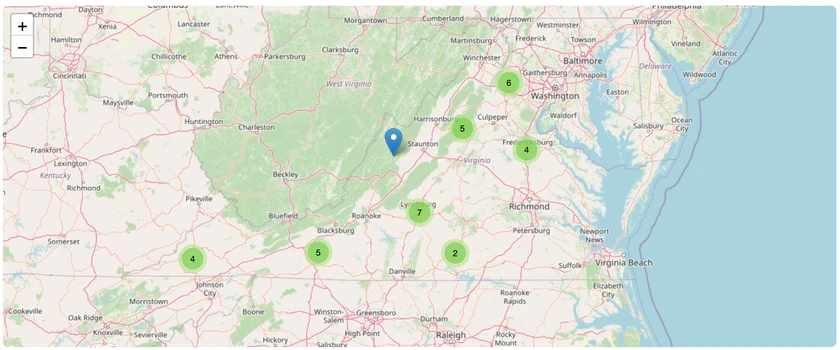
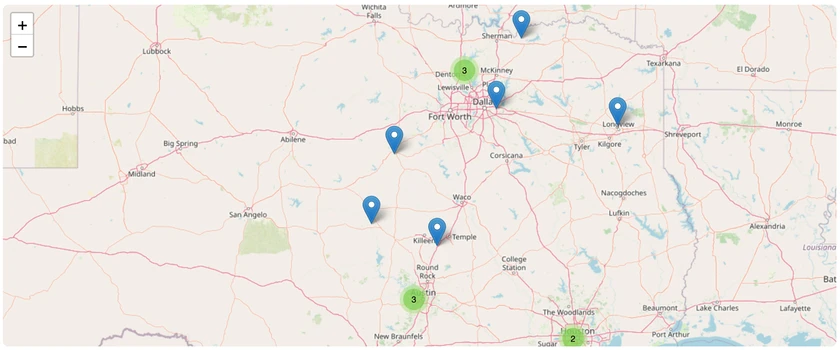
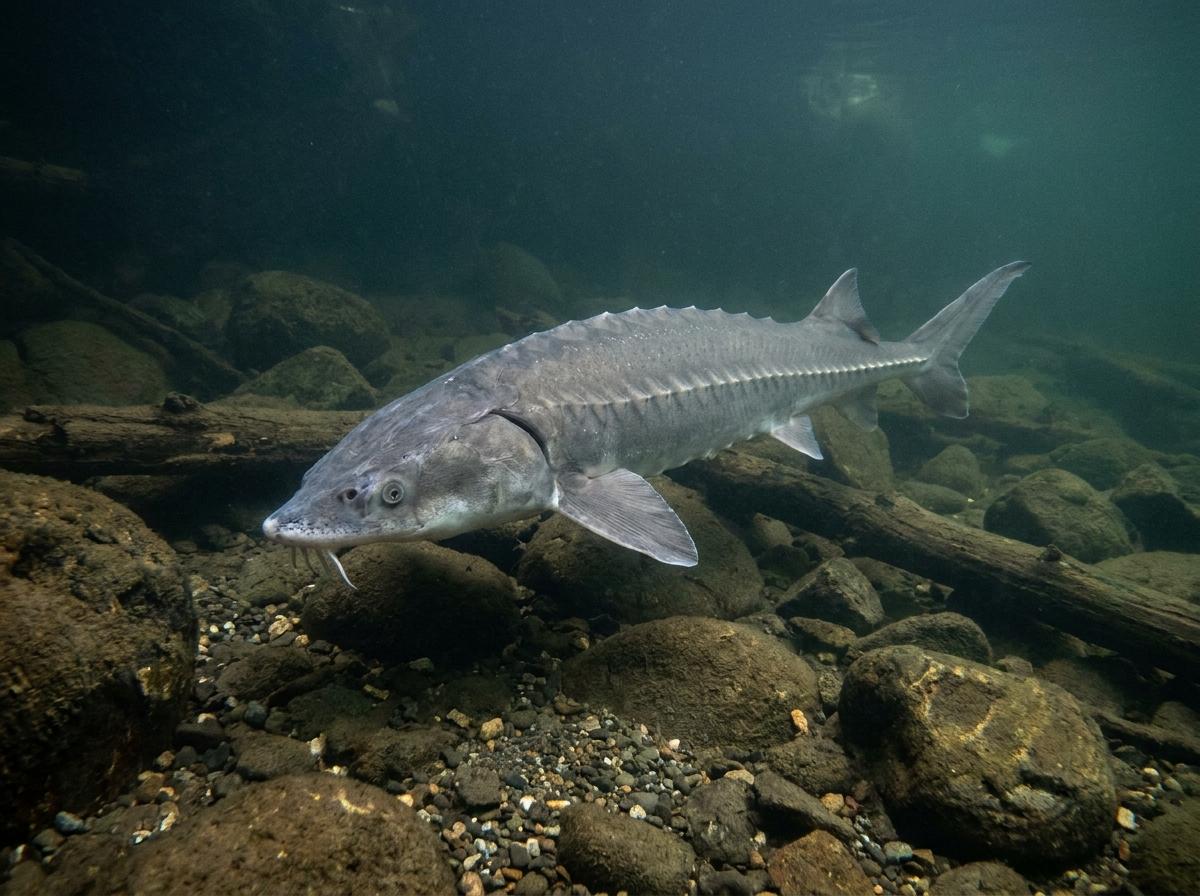
The white sturgeon, Acipenser transmontanus, is native to Pacific-draining rivers, estuaries, and coastal waters from Alaska to California. Instead of scales, it carries rows of bony scutes, with barbels under the snout that help locate food on the bottom. Individuals can live for many decades, reach enormous size, and move between fresh and brackish water where river access allows. They feed on worms, shellfish, small fish, and other bottom-dwelling prey, while spawning over clean gravel in large rivers.
Human management spans commercial aquaculture, conservation hatcheries, tribal and recreational fisheries, and river-restoration programs. Because sturgeon mature slowly and do not spawn every year, harvest rules and broodstock records matter greatly. Dams, altered spring flows, blocked migration, warm water, and pollution can reduce recruitment, so agencies monitor age classes and release tagged juveniles in some systems. White sturgeon are also farmed for meat and caviar under controlled permits. They are unsuitable for ordinary home aquariums or garden ponds because size, lifespan, and oxygen needs require professional-scale facilities.
Colors: Gray to Dark Gray