



Tortoise
Testudinidae
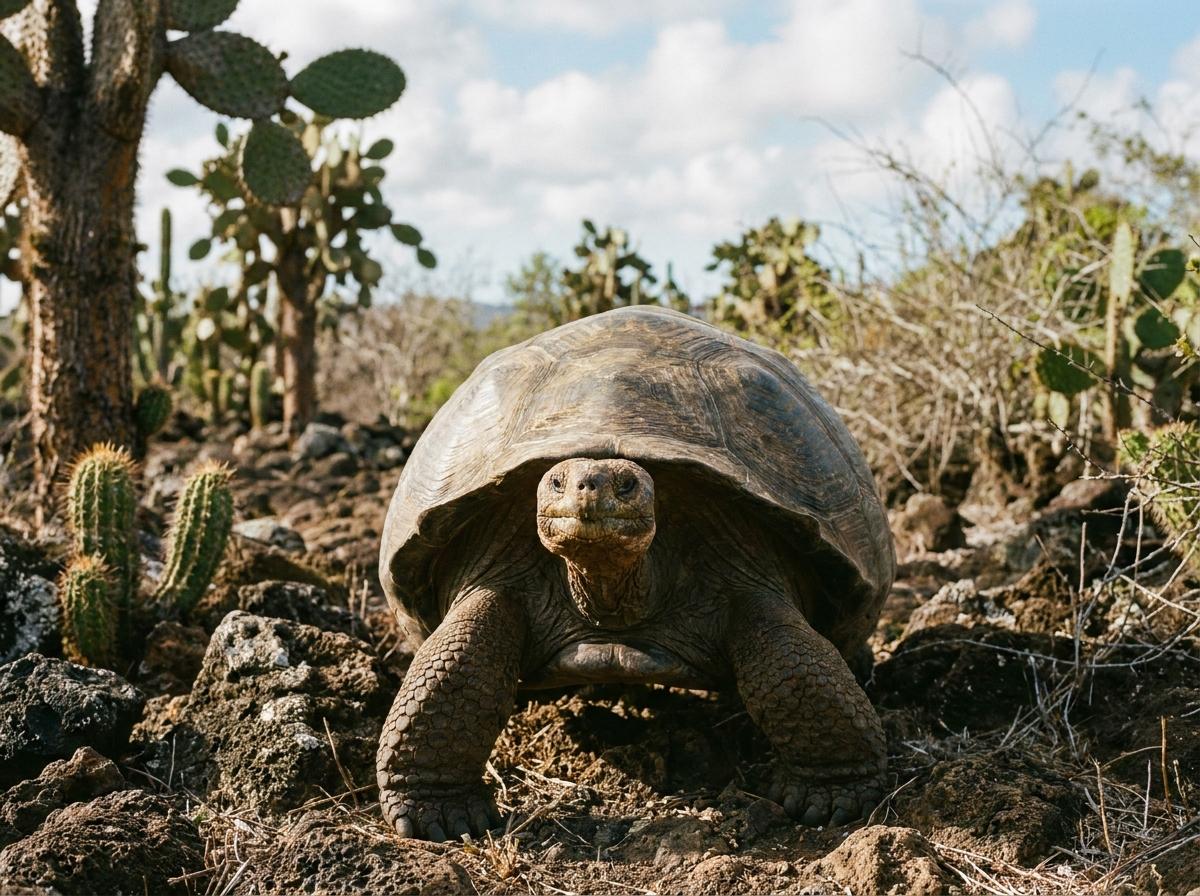
A tortoise is a land-adapted turtle in the family Testudinidae, not a single species. Tortoises usually have domed shells, sturdy elephant-like hind legs, and short feet built for walking rather than swimming. The group ranges from small Mediterranean and Asian species such as Hermann's, Greek, Russian, and star tortoises to much larger sulcatas, leopards, Aldabras, and Galapagos tortoises. Most are herbivorous or mainly plant-eating, with diets shaped by dry grasslands, scrub, deserts, forests, or islands. Lifespans can be long enough that a healthy animal outlives its first keeper.
Pet care depends heavily on the species and climate. A Russian tortoise that brumates and a sulcata that digs large burrows cannot be managed the same way, and hatchlings have different humidity needs from adults. Successful housing usually combines outdoor sun when safe, predator-proof pens, appropriate heat and ultraviolet light indoors, a calcium-rich high-fiber diet, and room to roam. Many tortoises enter rescues after outgrowing small indoor tanks or because buyers underestimated winter housing and veterinary costs. Trade in numerous species is regulated, and released pets can spread disease or damage native habitats.
Colors: Wild Type