


European
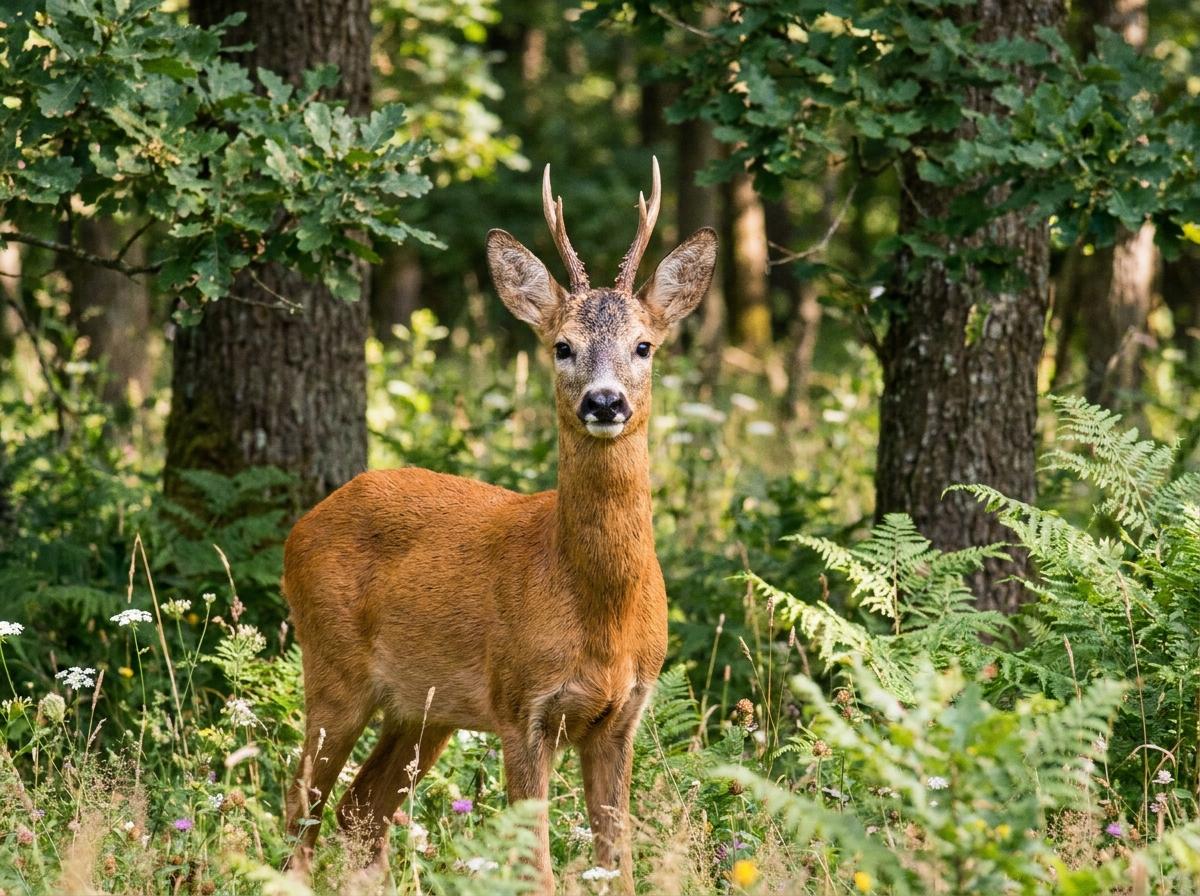
The European roe deer is the familiar roe deer of most of Europe and parts of western Asia, scientifically Capreolus capreolus. It is smaller and more lightly built than red or fallow deer, with a short muzzle, large ears, almost no visible tail, and a pale rump patch that flares when alarmed. The coat is reddish-brown in summer and gray-brown in winter; fawns are spotted, and bucks grow short antlers that usually carry up to three points per side. This animal is often contrasted with the larger Siberian roe deer, though names and local populations can be confused in older sources.
Roe deer are managed mainly as wild deer, not as ordinary livestock or pets. Game estates, conservation agencies, foresters, and researchers monitor density because roe browse young trees, use farmland edges well, and are frequent road-collision casualties. Rehabilitation of orphaned fawns is specialist work; hand-reared deer can imprint easily and become unsafe or unreleasable. Zoo or sanctuary settings require quiet paddocks with browse, grass, shelter, and fencing designed for nervous, quick-moving animals. In the wild, management decisions often balance hunting quotas, habitat quality, predator presence, crop damage, and genetic separation from introduced or neighboring roe populations.
Colors: Gray-Brown in Winter, Reddish-Brown in Summer