

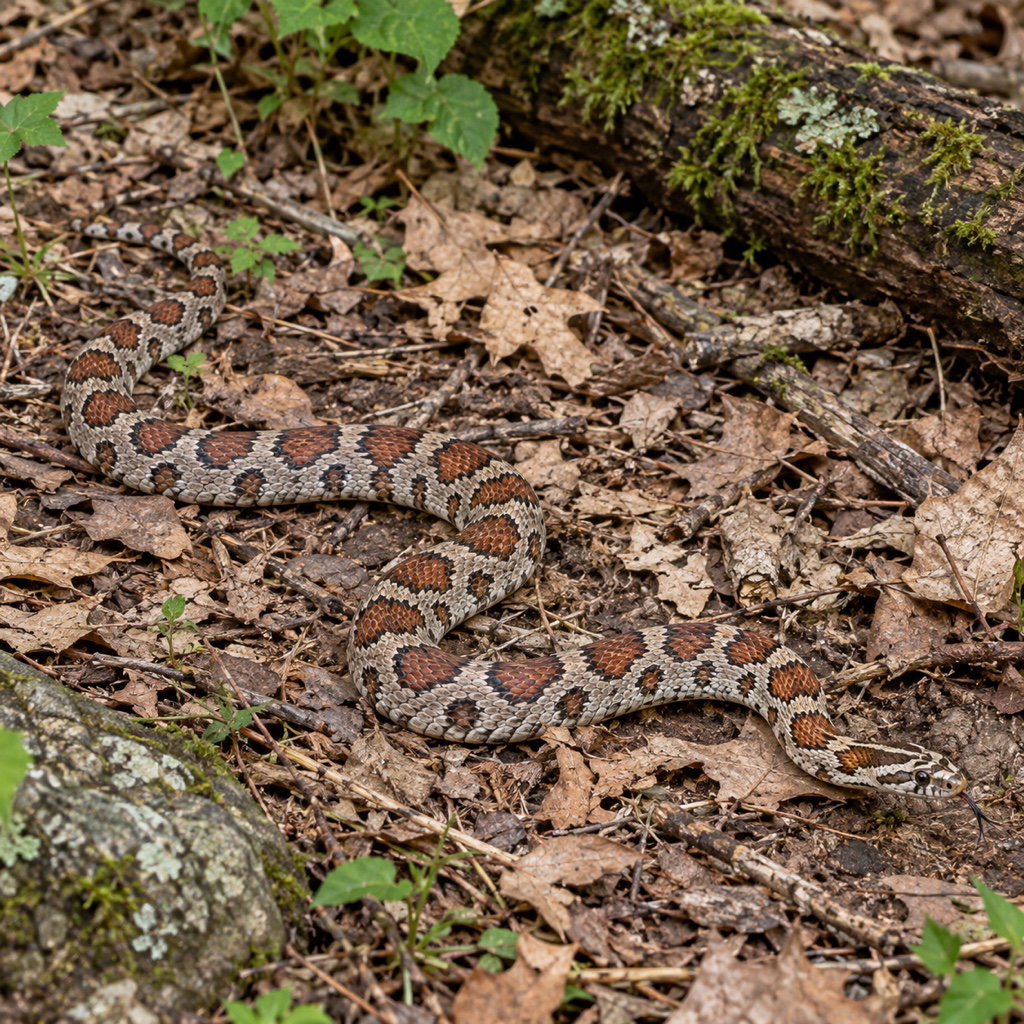
Eastern Milk Snake
Lampropeltis triangulum
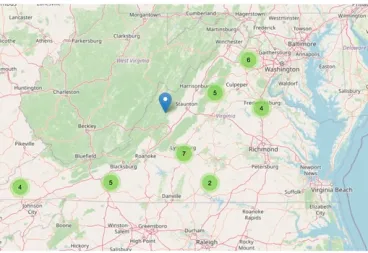
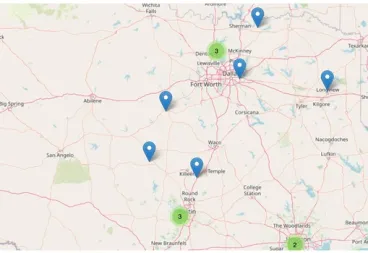
The eastern milk snake (Lampropeltis triangulum) is a nonvenomous constrictor of eastern and central North America. Most have a gray or tan ground color with dark-edged reddish-brown blotches, while the red milk snake form has brighter red saddles on a pale ground. It uses rocky slopes, fields and woodland edges, where it hunts small vertebrates.
Colors: Albino, Amelanistic, Apricot, Butter, Extreme Red, Ghost, High Red, Hypomelanistic, Ivory, Moonglow, Normal/Wild Type, Reverse Stripe, Snow, Splash, Striped, Tangerine, Ultramel, Vanishing Pattern