



Hybrid Camel
Camelus dromedarius x bactrianus
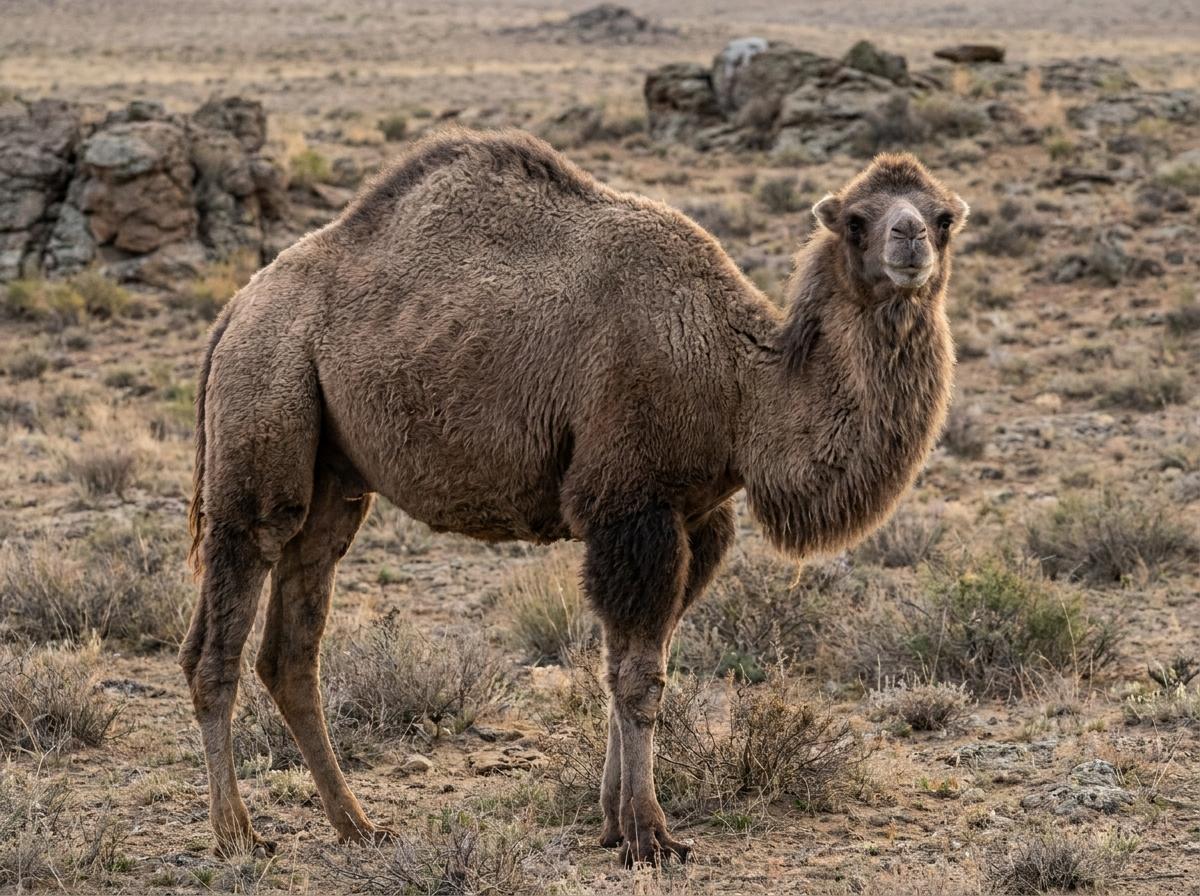
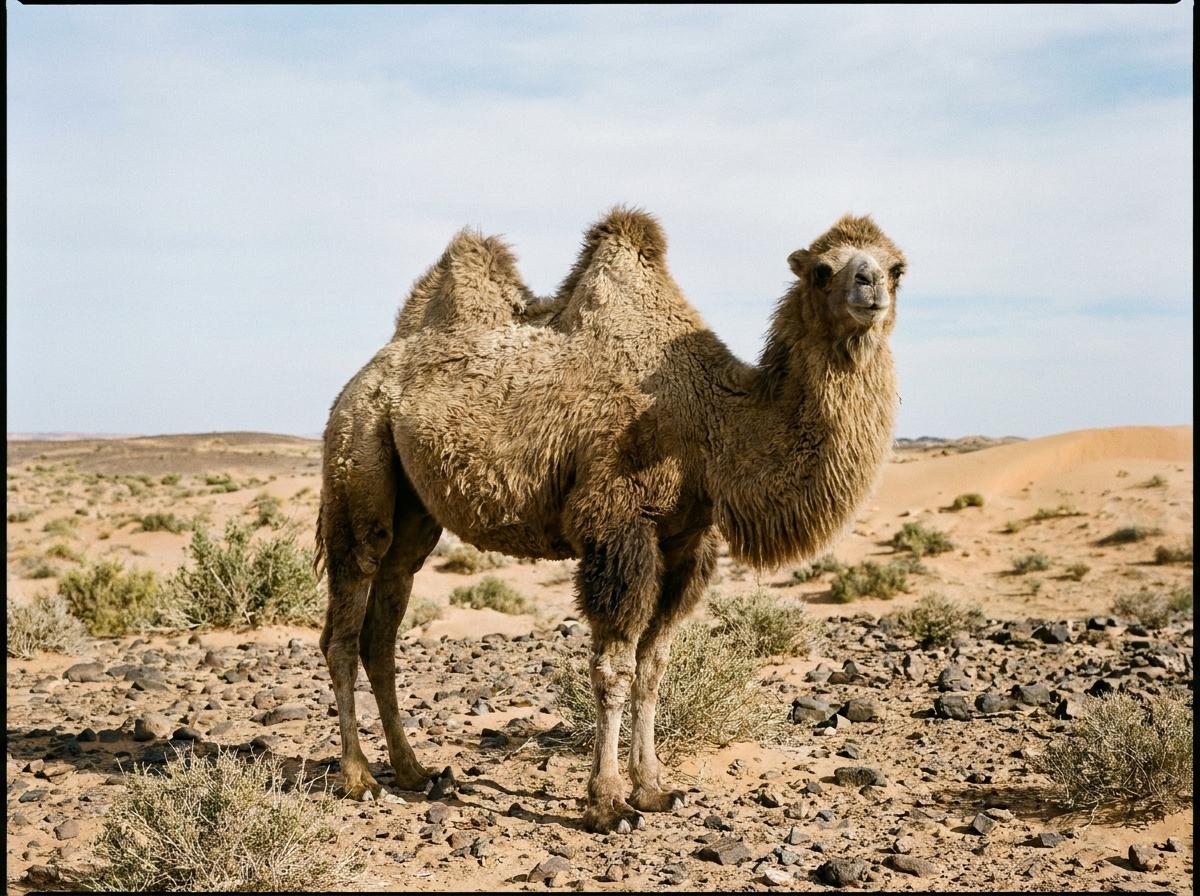
A hybrid camel is usually the offspring of a one-humped dromedary and a two-humped Bactrian camel, produced in regions where the two domestic camel types overlap or where breeders want traits from both. First-generation animals may show a single large hump, a divided or uneven hump shape, heavy body size, and a coat that reflects the parent lines. These crosses have been used for packing, riding, milk, meat, and draft work, especially where strength, endurance, and climate tolerance are valuable. Names and breeding customs vary by region, so broad claims about appearance or use need some caution.
Managing hybrid camels starts with ordinary camel skills: secure yards, strong handling facilities, patient training, hoof and pad care, parasite control, mineral balance, and enough roughage for steady digestion. Breeders should keep clear parentage records because later backcrosses can differ from first-generation hybrids in hump form, coat, size, fertility, and working suitability. Heat, cold, and workload tolerance depend on the individual and its background rather than on the hybrid label alone. Buyers should look at age, training, soundness, temperament, and local husbandry experience before treating the cross as automatically better than either parent type.