


Mixed Breed
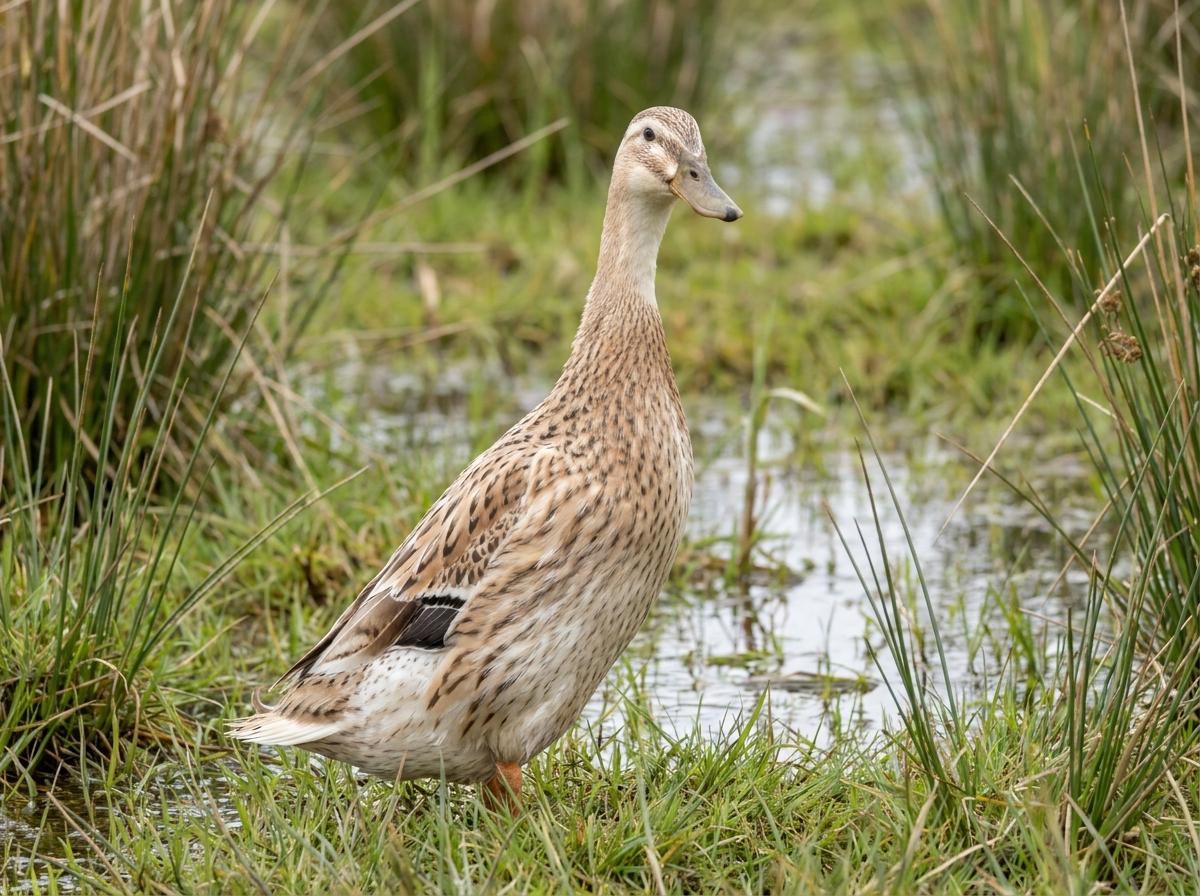
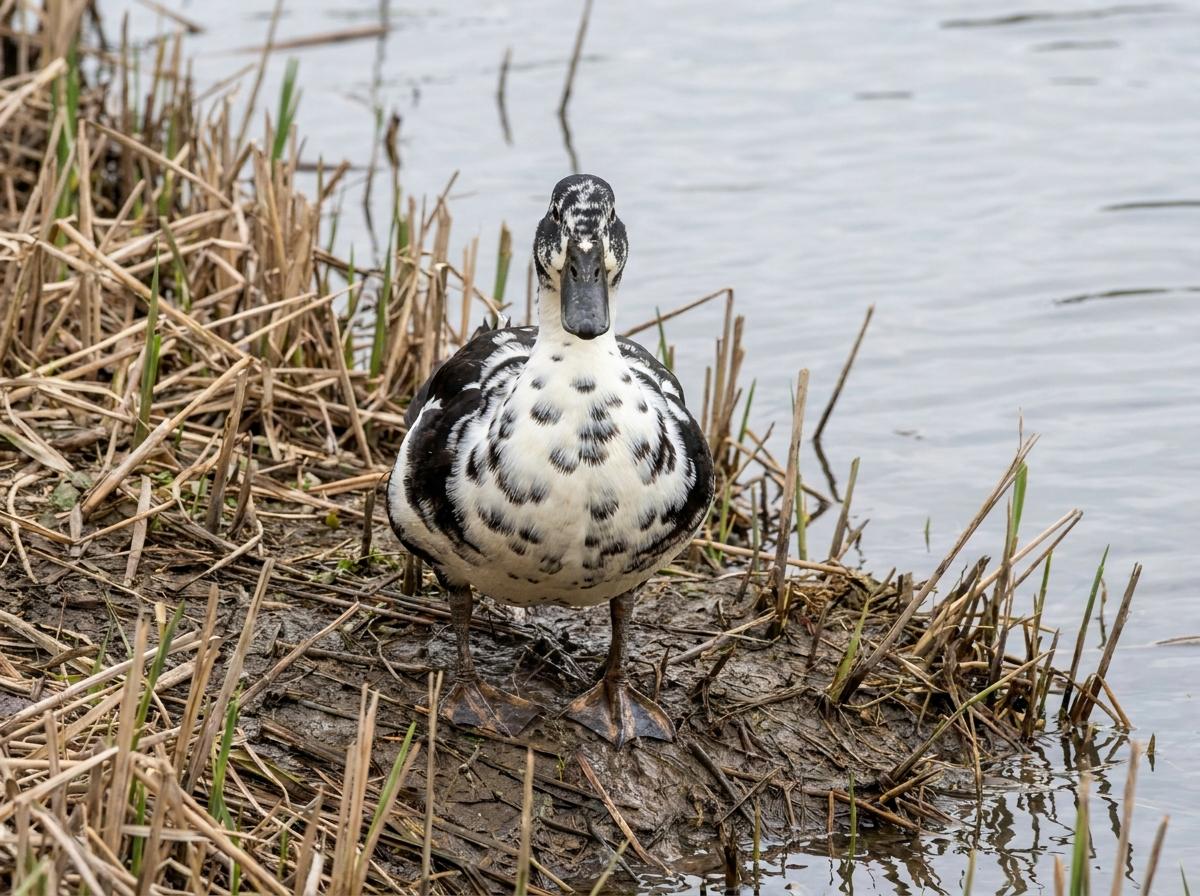
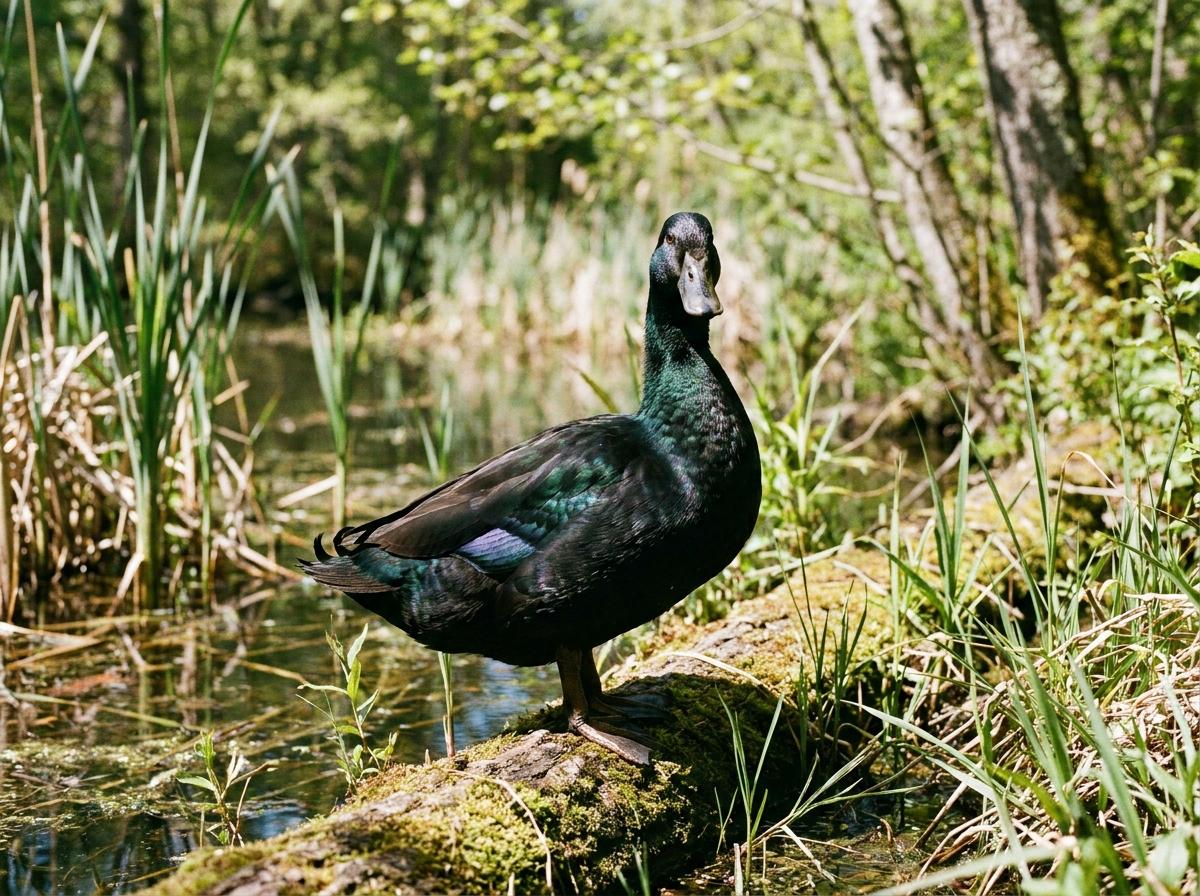
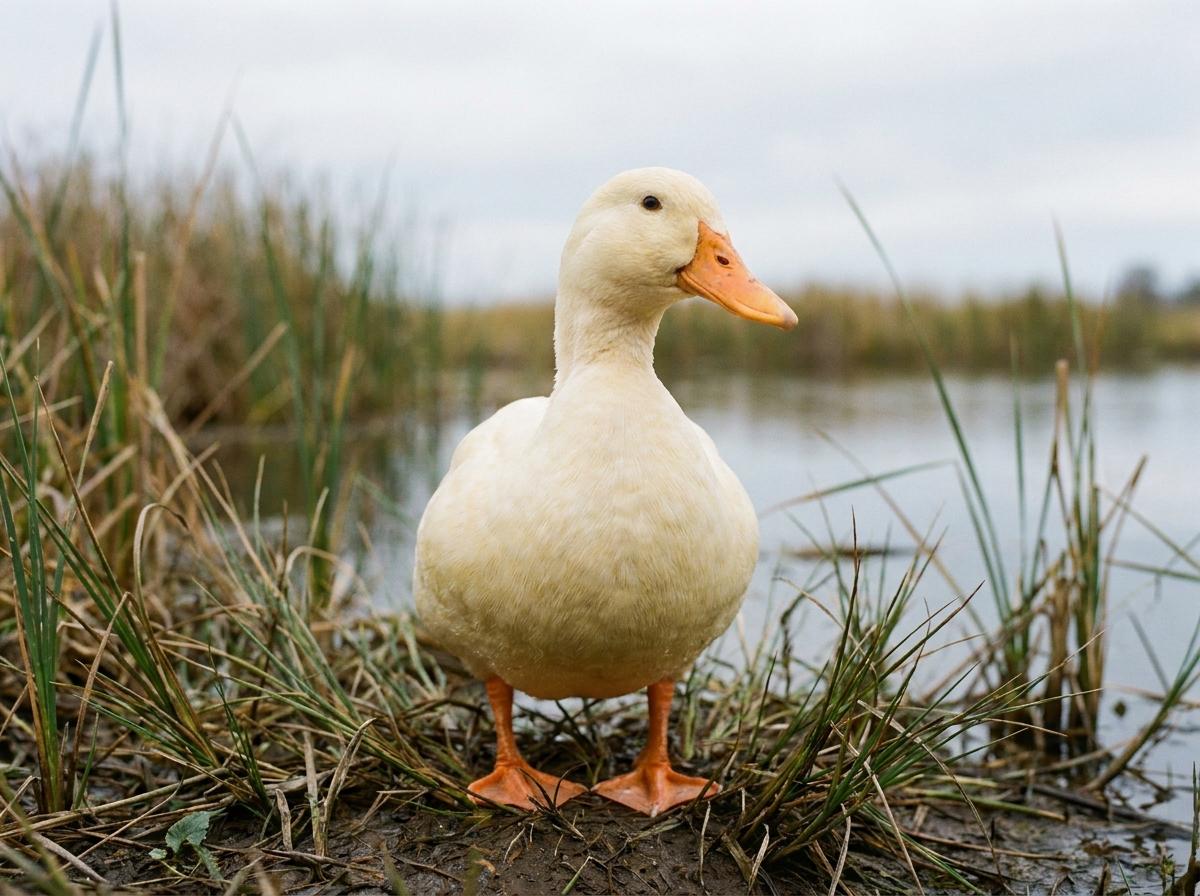
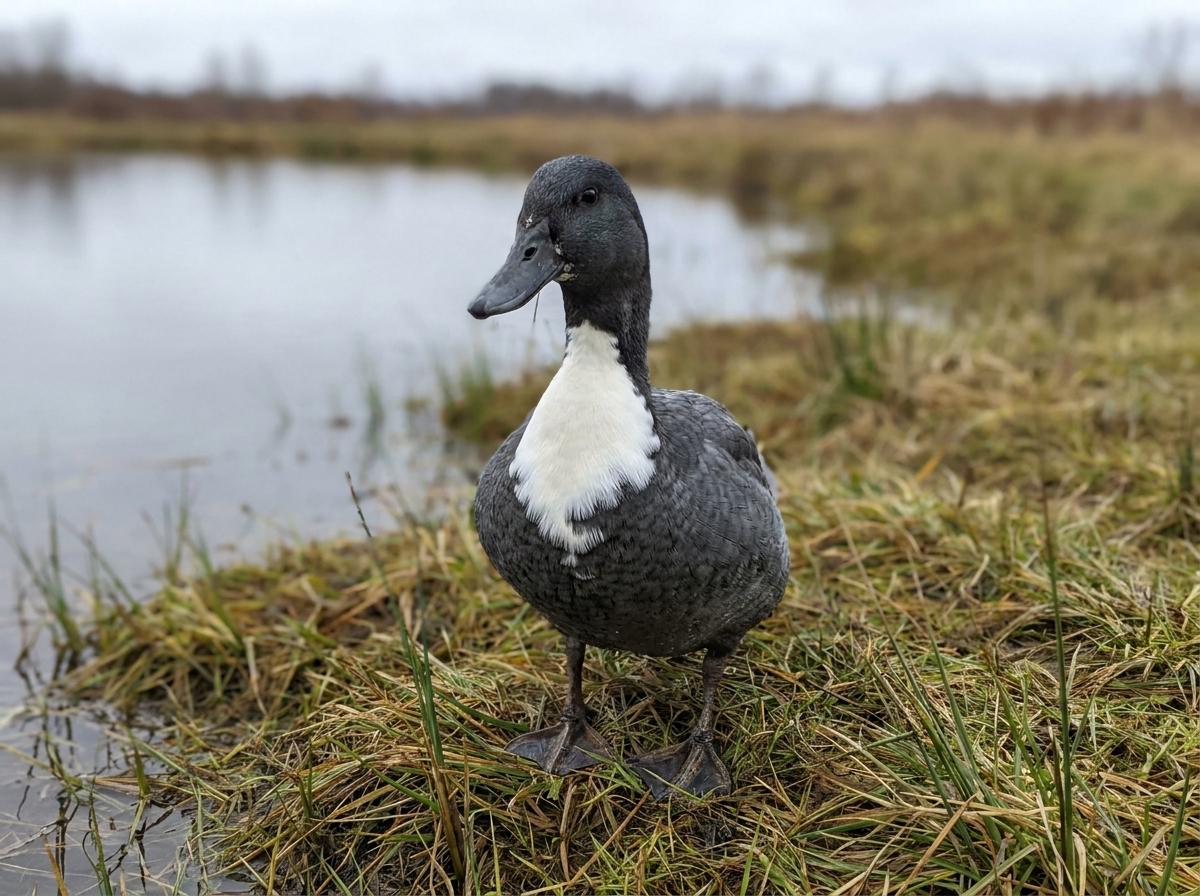
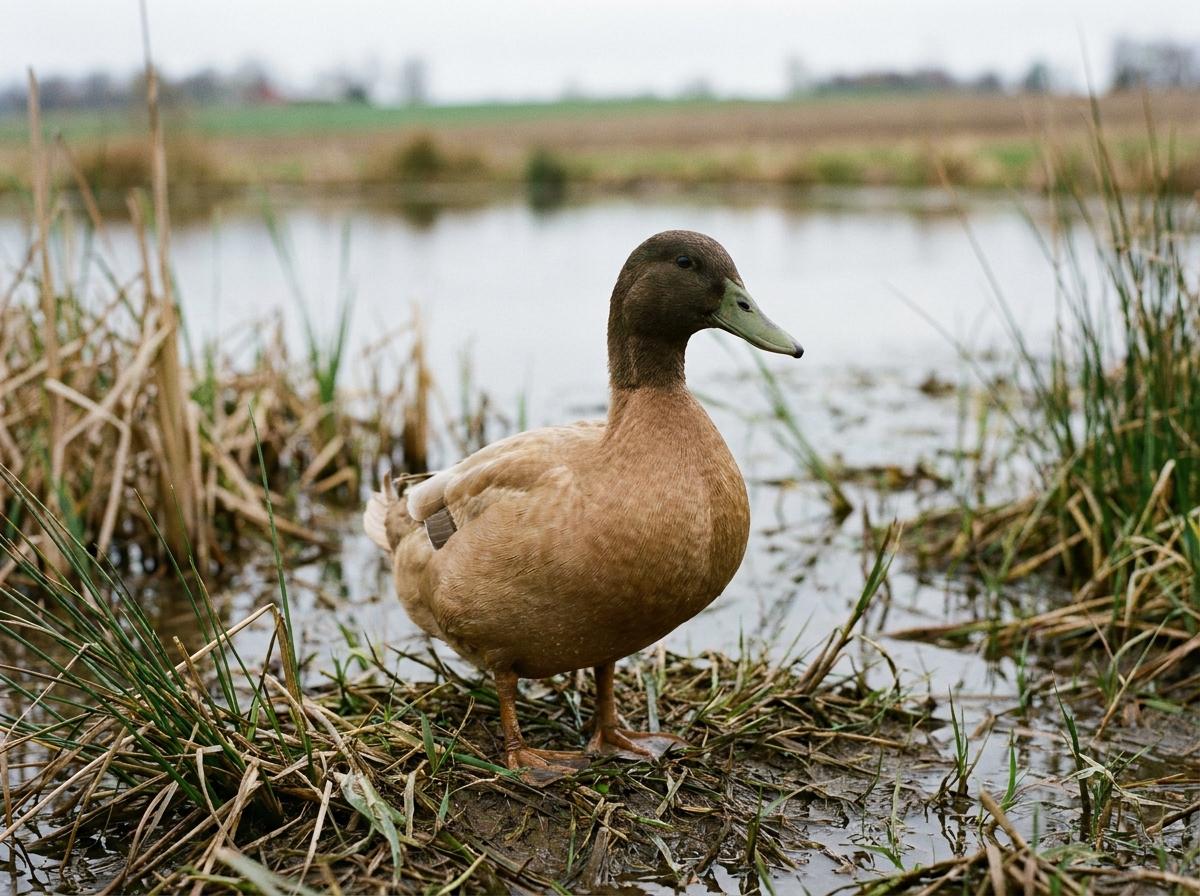
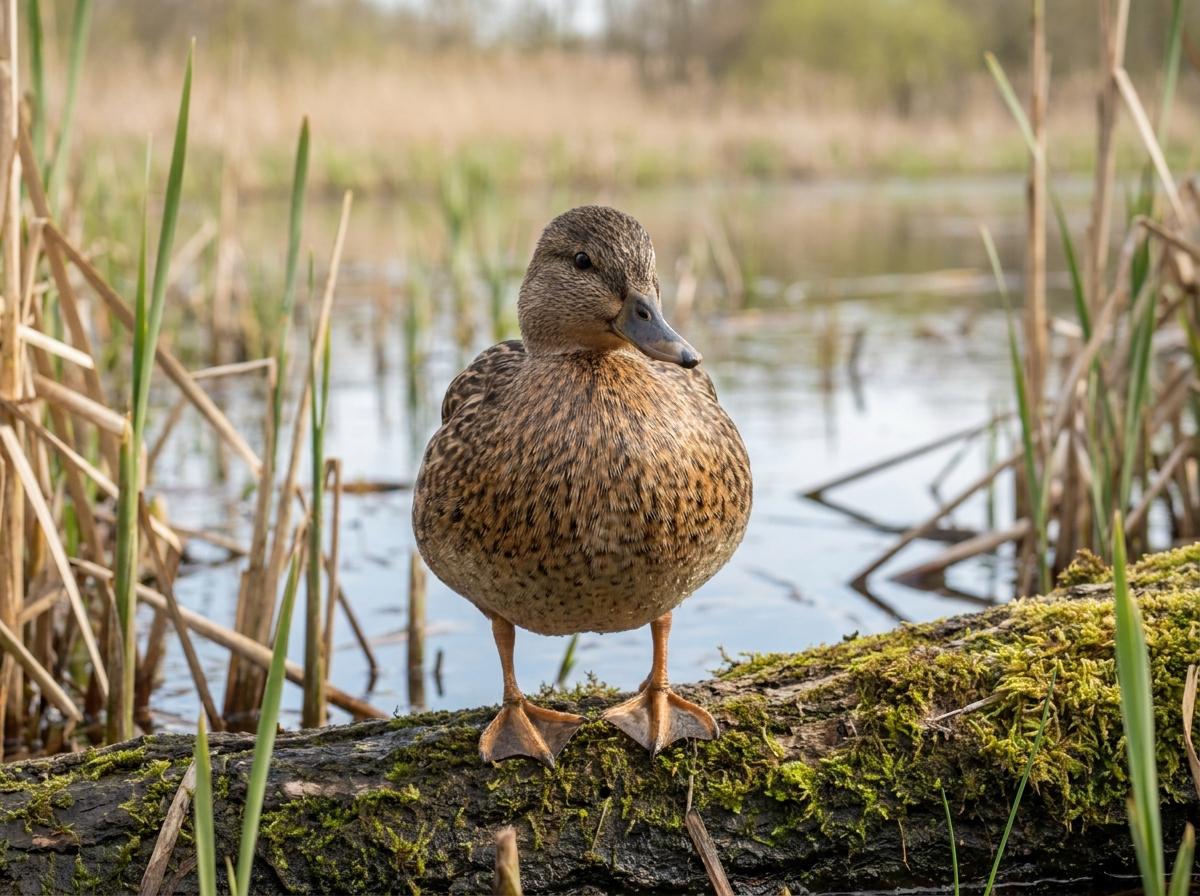
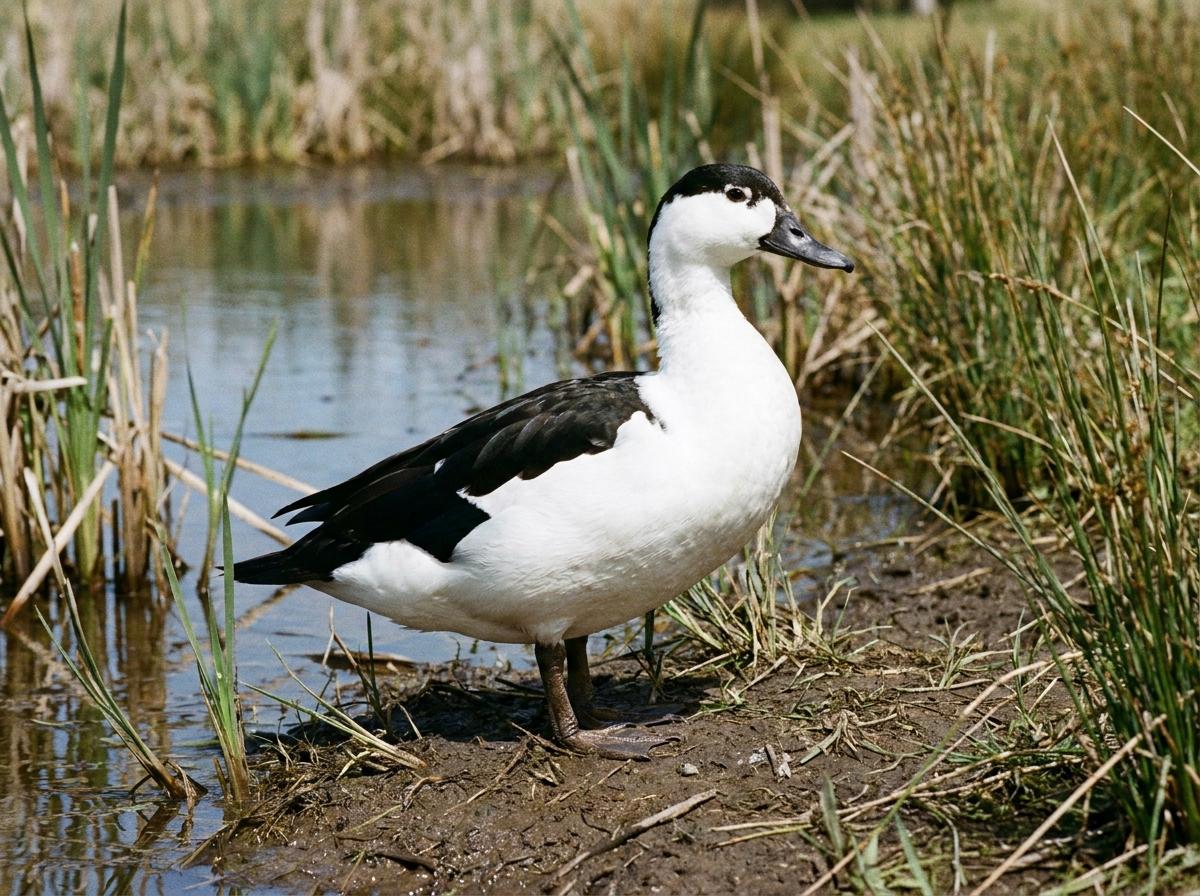
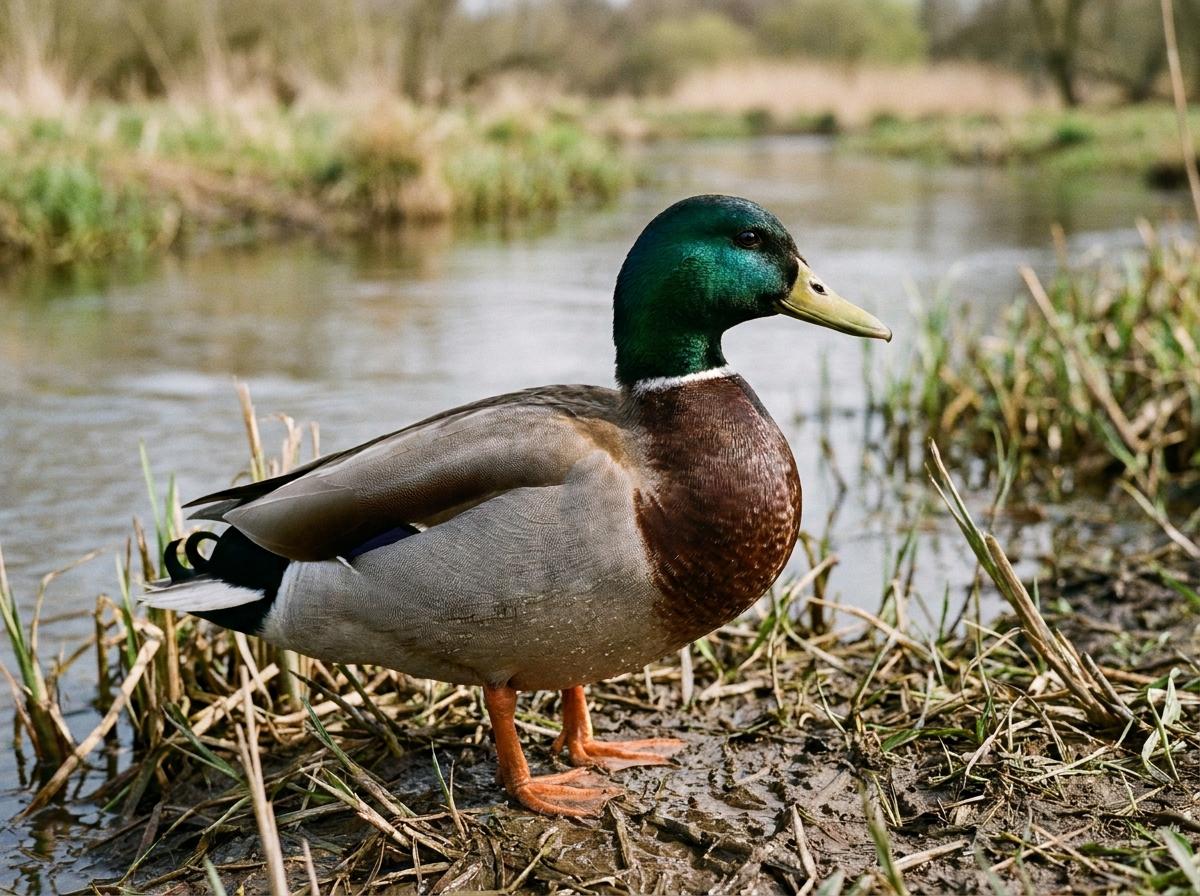
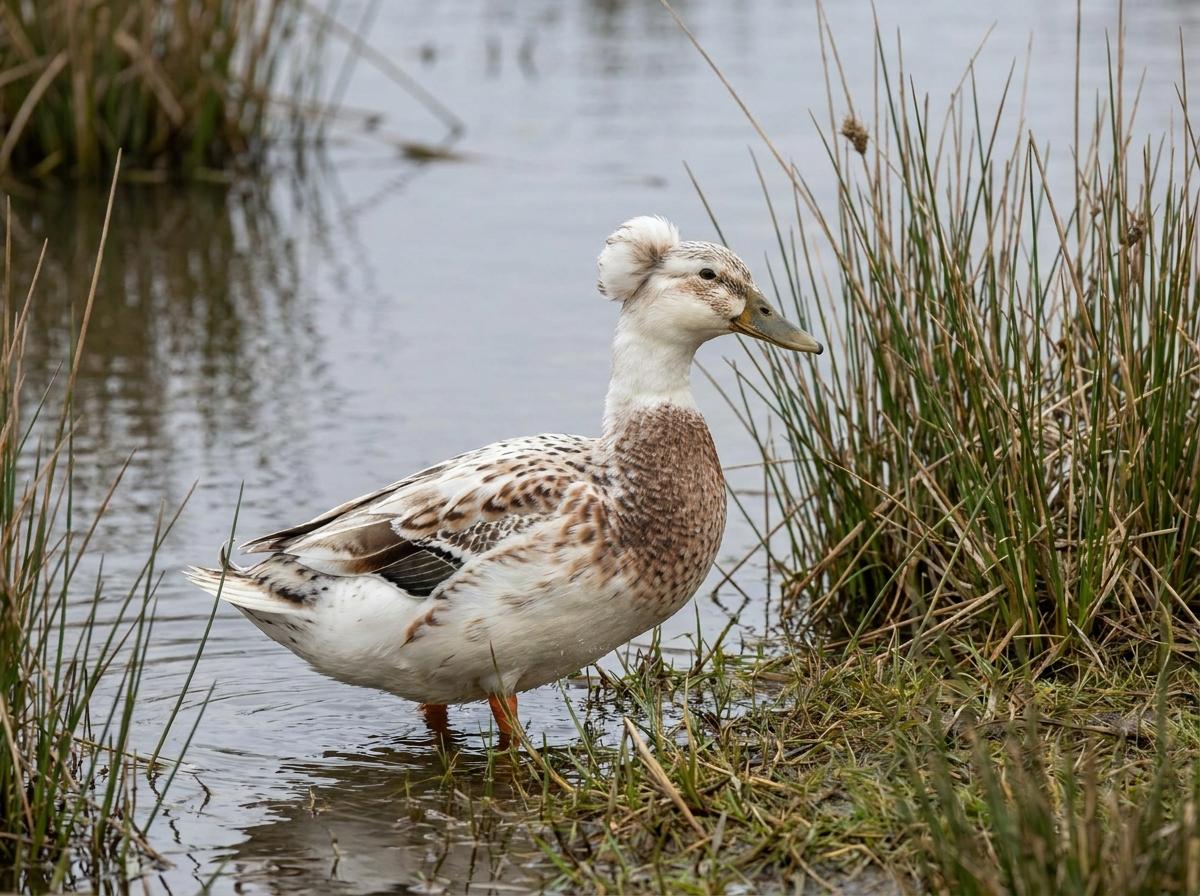
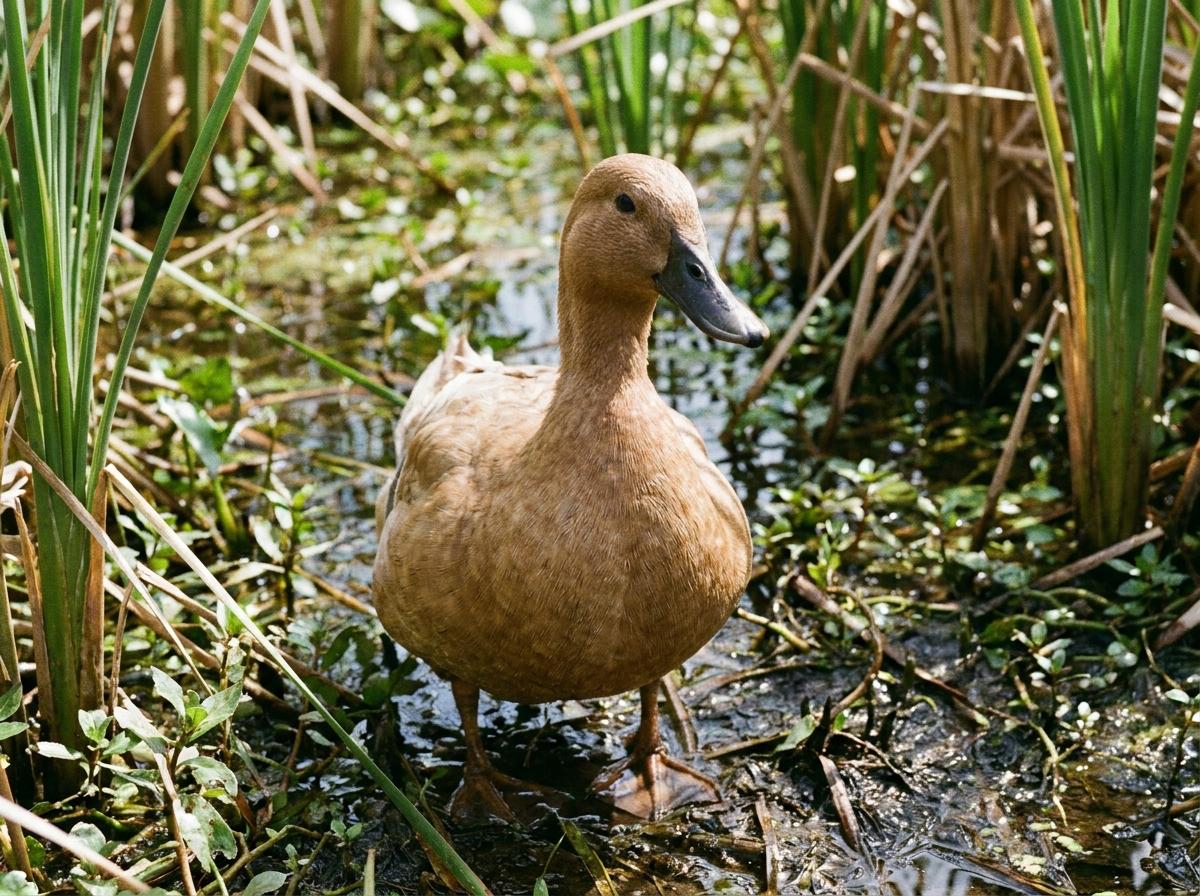
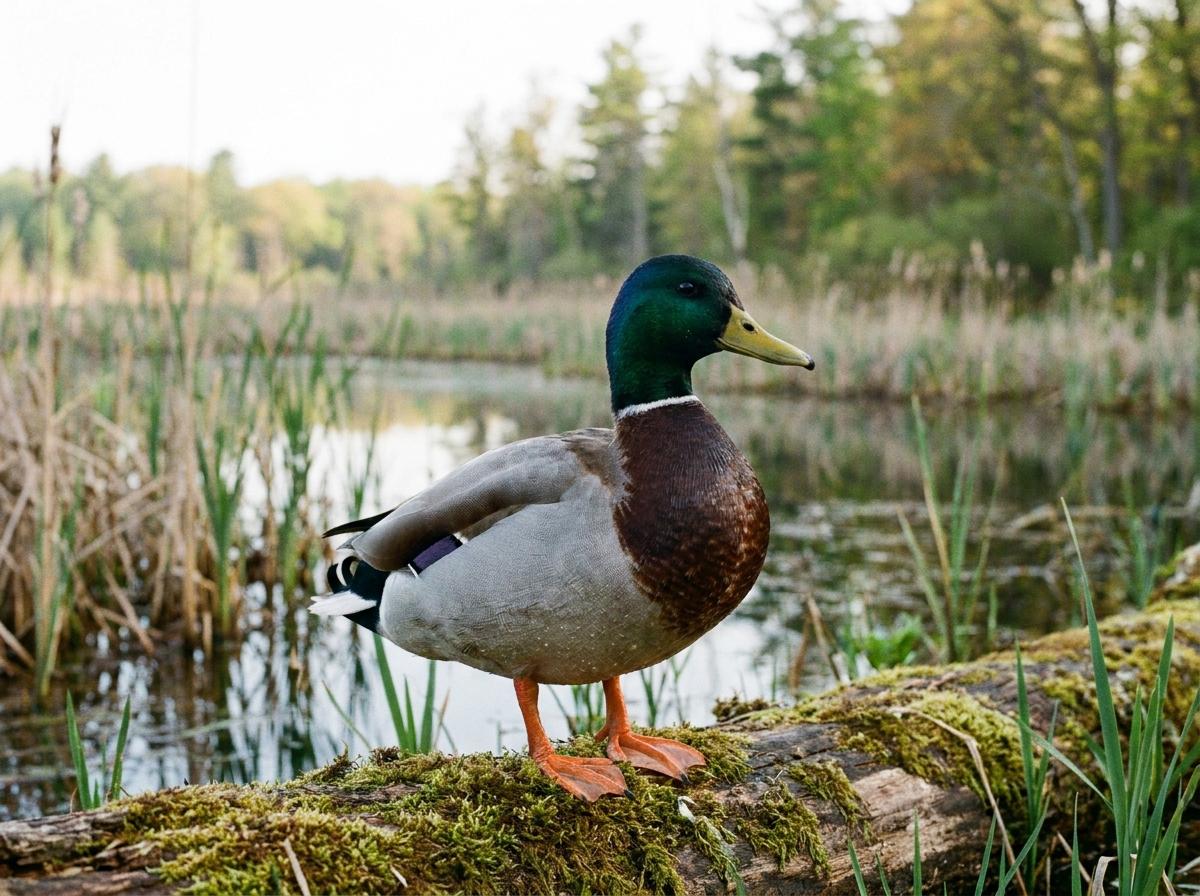
Mixed-breed domestic ducks are birds of crossed or unknown ancestry rather than a standardized breed. They may come from backyard flocks that include Pekin, Rouen, Runner, Khaki Campbell, Swedish, Cayuga, or other mallard-derived ducks, and their size, color, egg laying, and body shape can vary widely. A black-and-white mottled duck, a buff duck with a bib, or a blue bird with uneven markings may all be mixed breed. Muscovy ancestry is usually recognizable by facial caruncles and different behavior; Muscovy crosses, such as mulards, are generally sterile.
For rescues and smallholders, mixed ducks can be practical, hardy birds, but they should be evaluated as individuals. Mature weight affects housing, feed needs, and leg comfort, while temperament and sex ratio affect flock stability. They need the same basics as other domestic ducks: predator-safe shelter, clean water, appropriate waterfowl feed, dry bedding, and protection from overheating or ice. Breeding mixed flocks can produce healthy ducklings, but traits will not be predictable, so purposeful breeding is best done with clear goals and room for the offspring.
Colors: Apricot, Bibbed, Black, Black and White, Black and White Mottled, Blue, Blue and White, Buff, Chocolate, Cream White, Cumberland Blue, Dark, Dark Green and Brown, Emery, Fawn, Golden Buff, Gold Phase, Gray, Grey, Khaki, Lavender, Magpie, Mallard, Mallard Pattern, Metallic Black with Green Sheen, Pastel, Penciled, Pied, Pink Bill, Pure White, Runner Pattern, Silver, Silver Phase, Snowy, Splash, White