
Corn Snake
Pantherophis guttatus
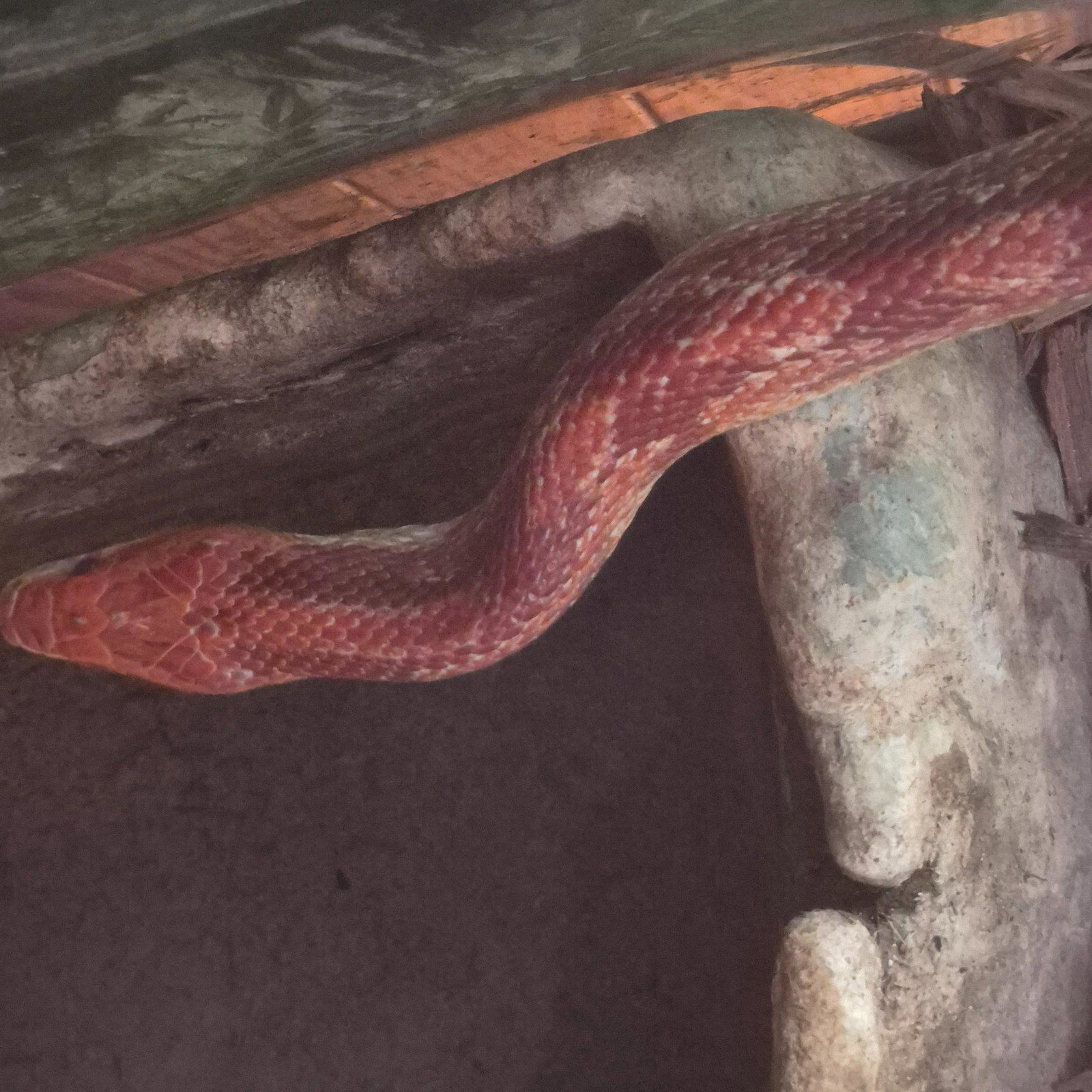
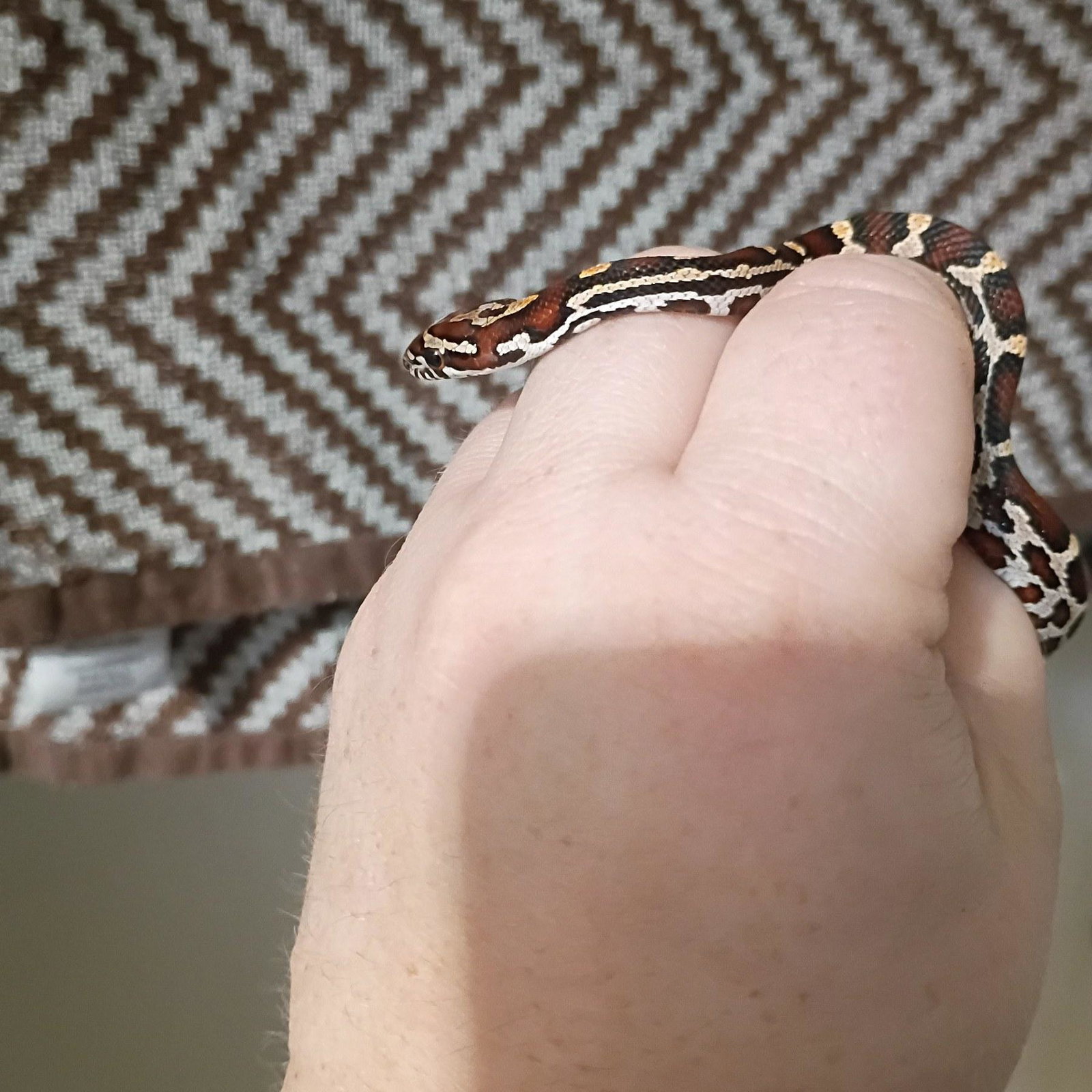
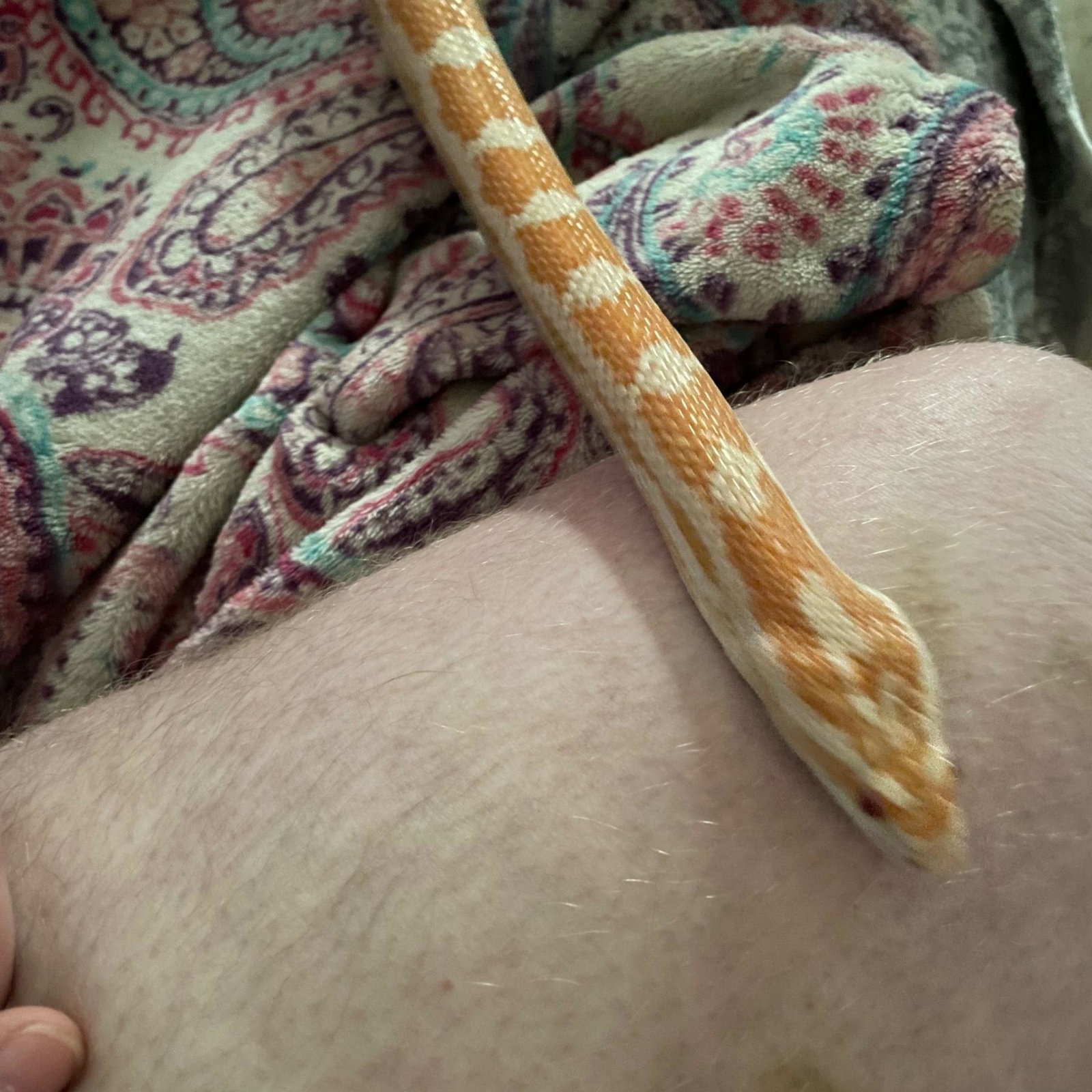
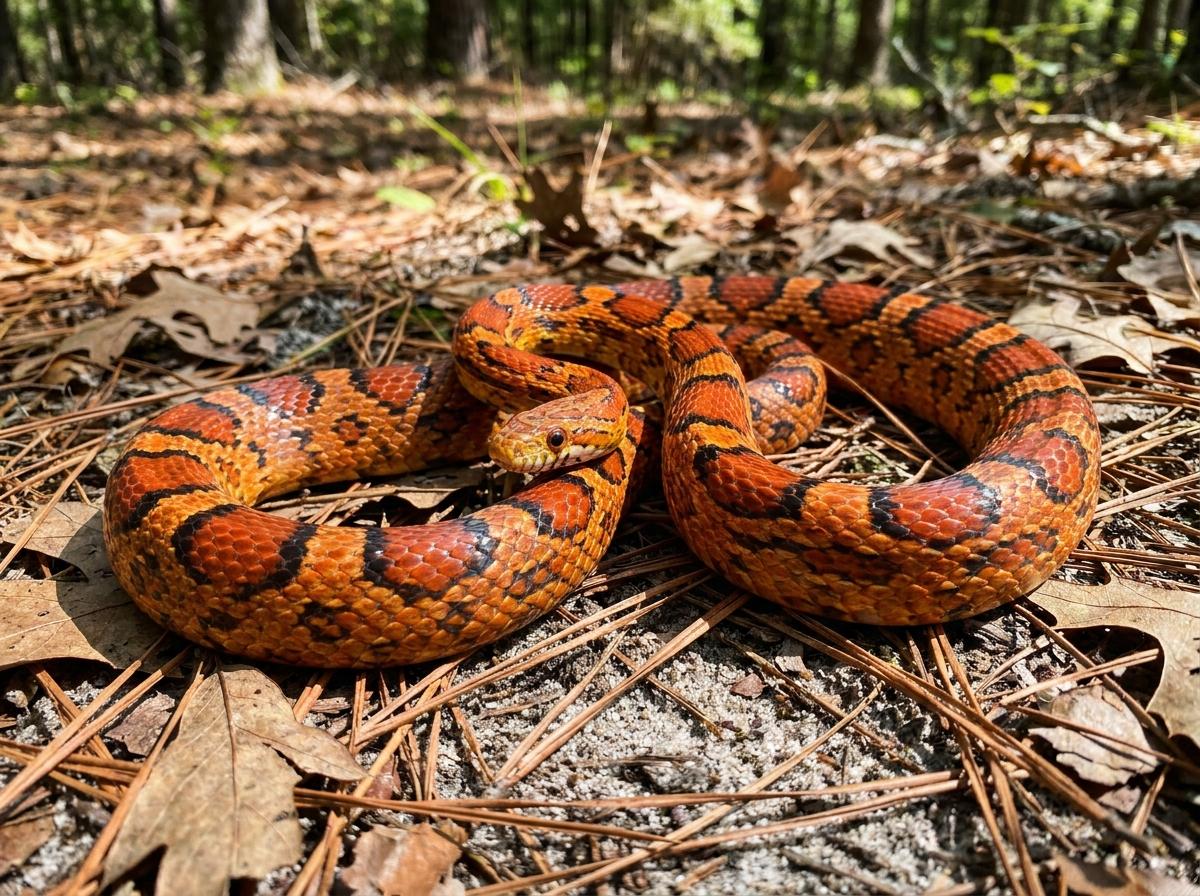
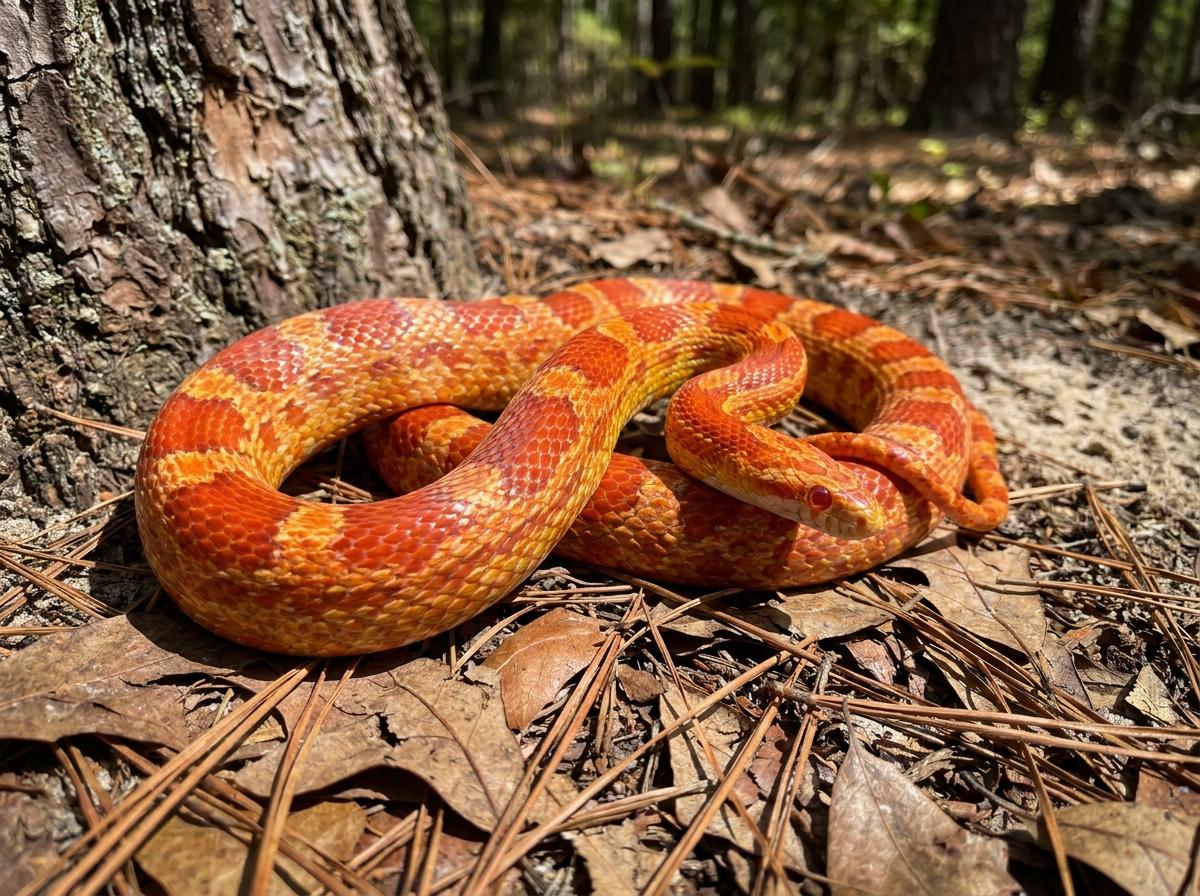
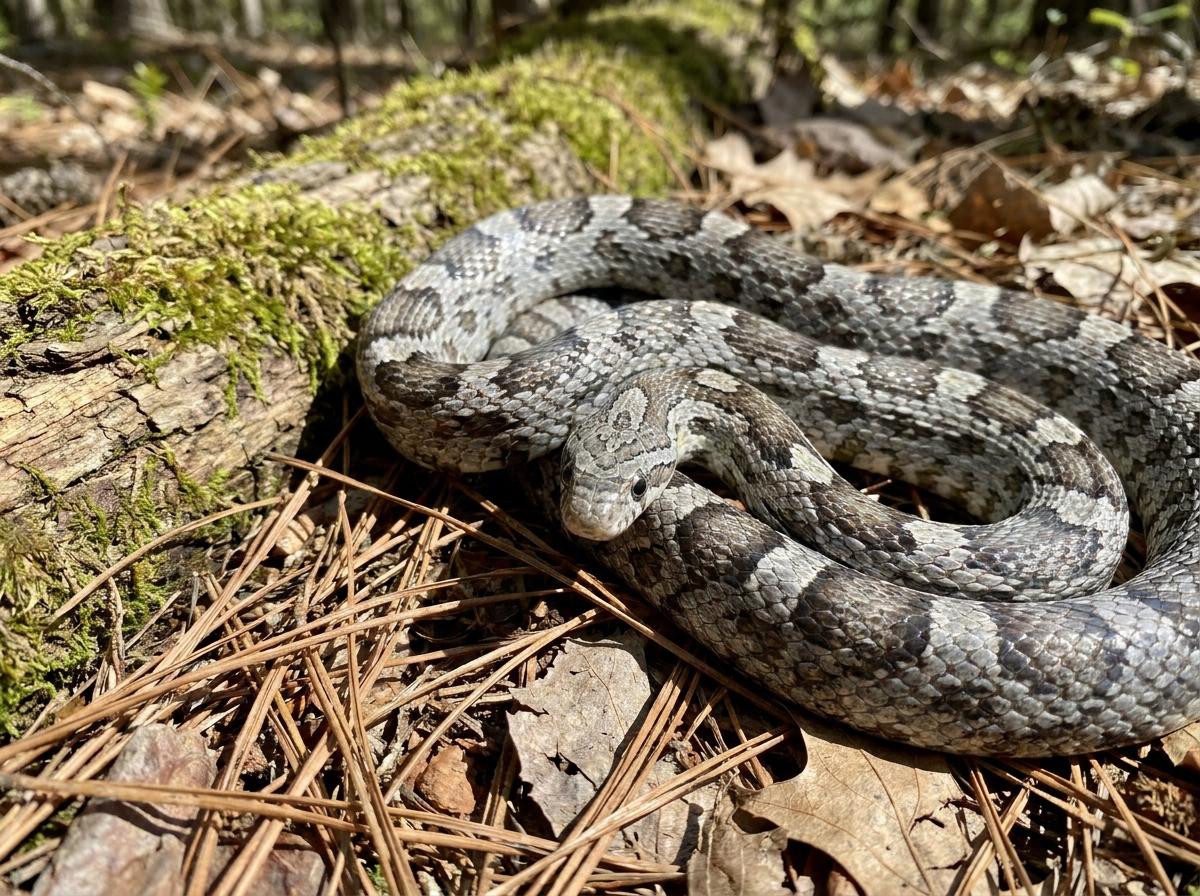
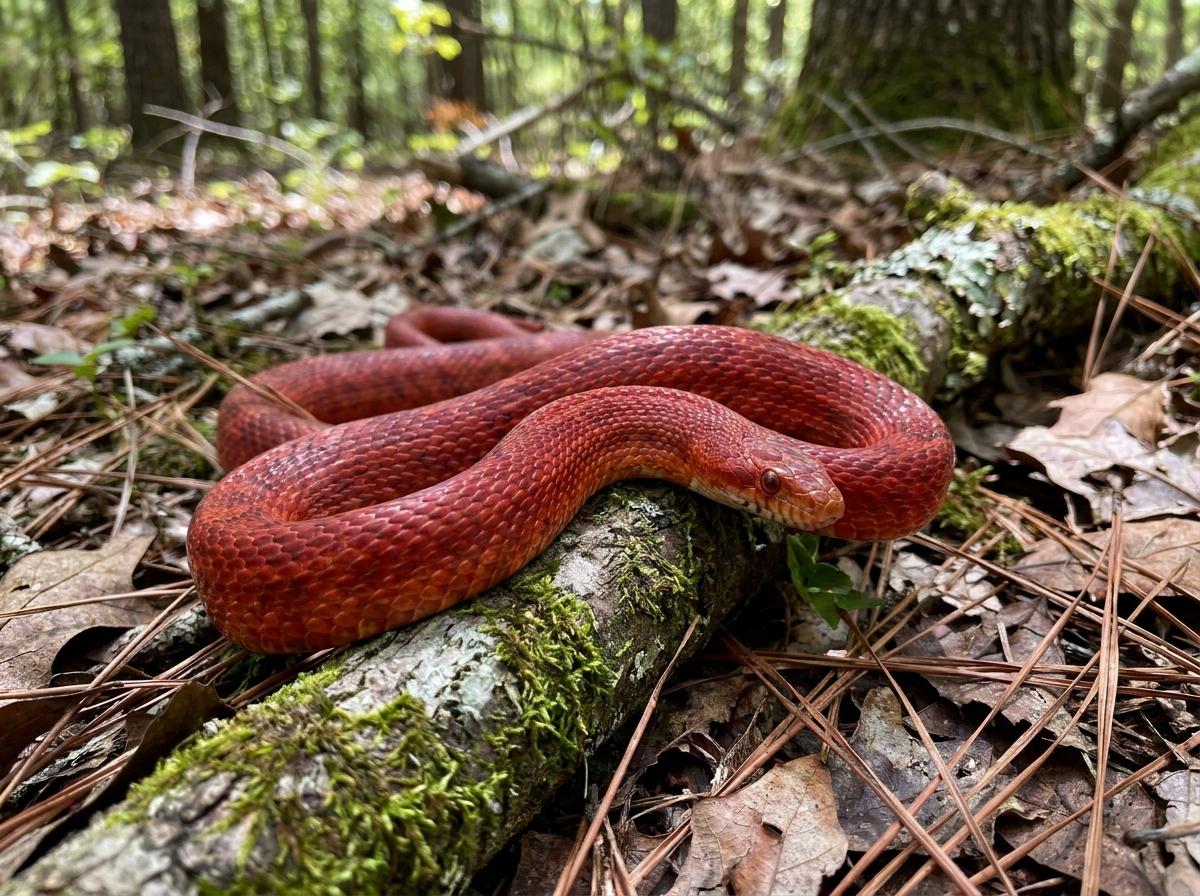
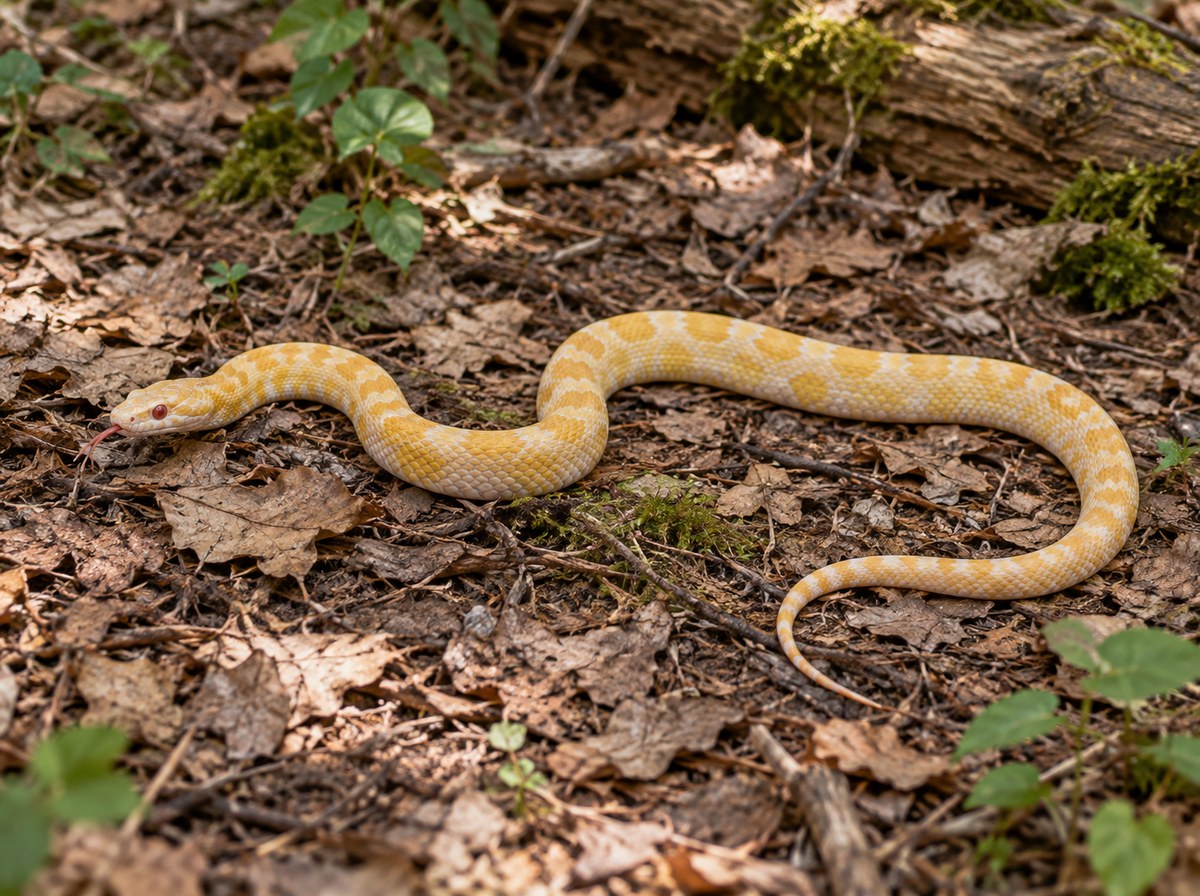
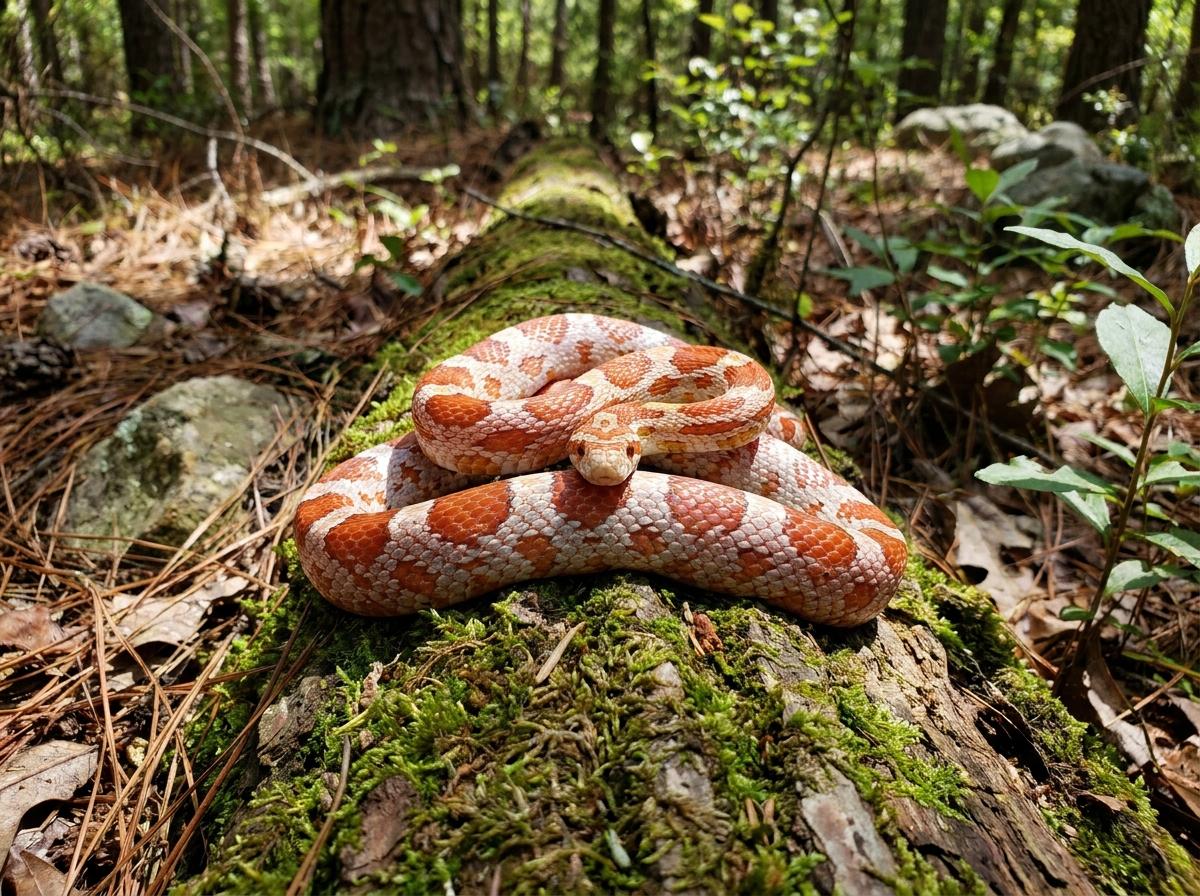
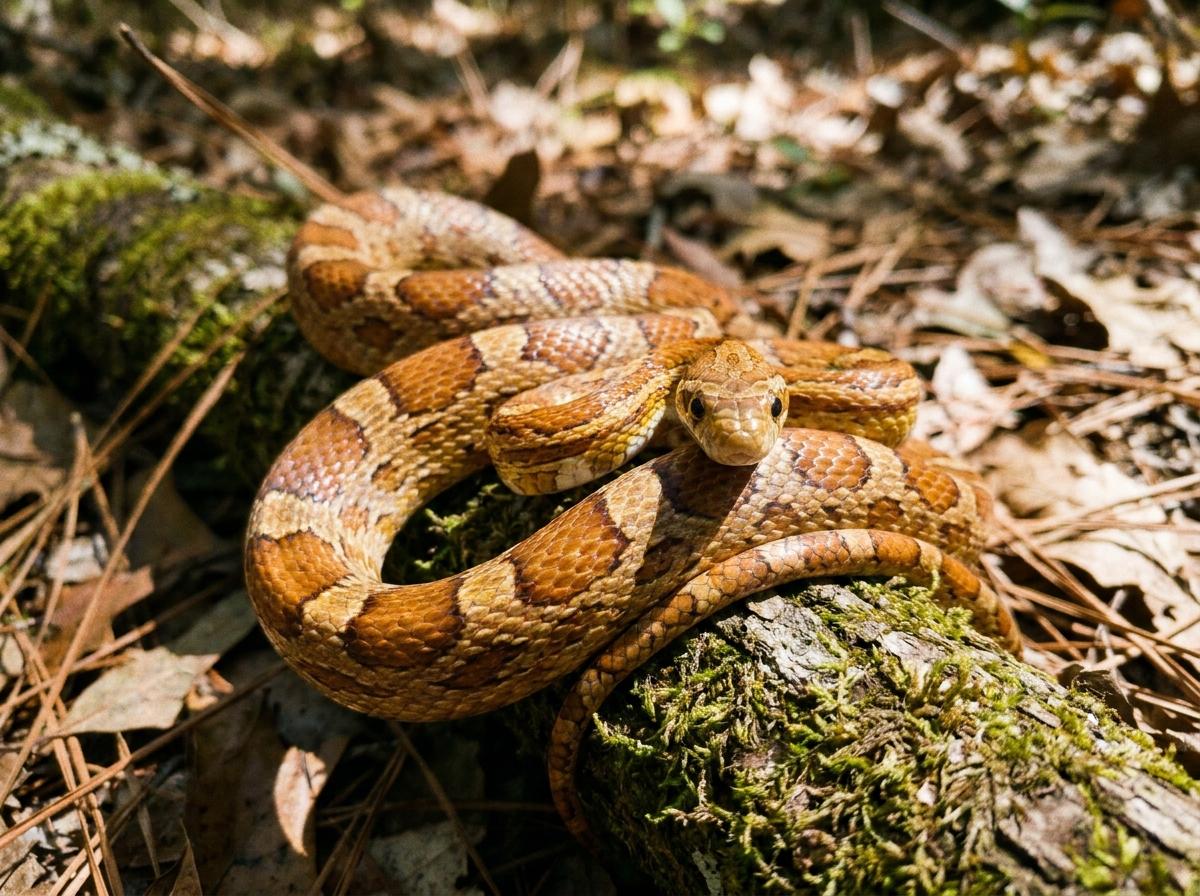
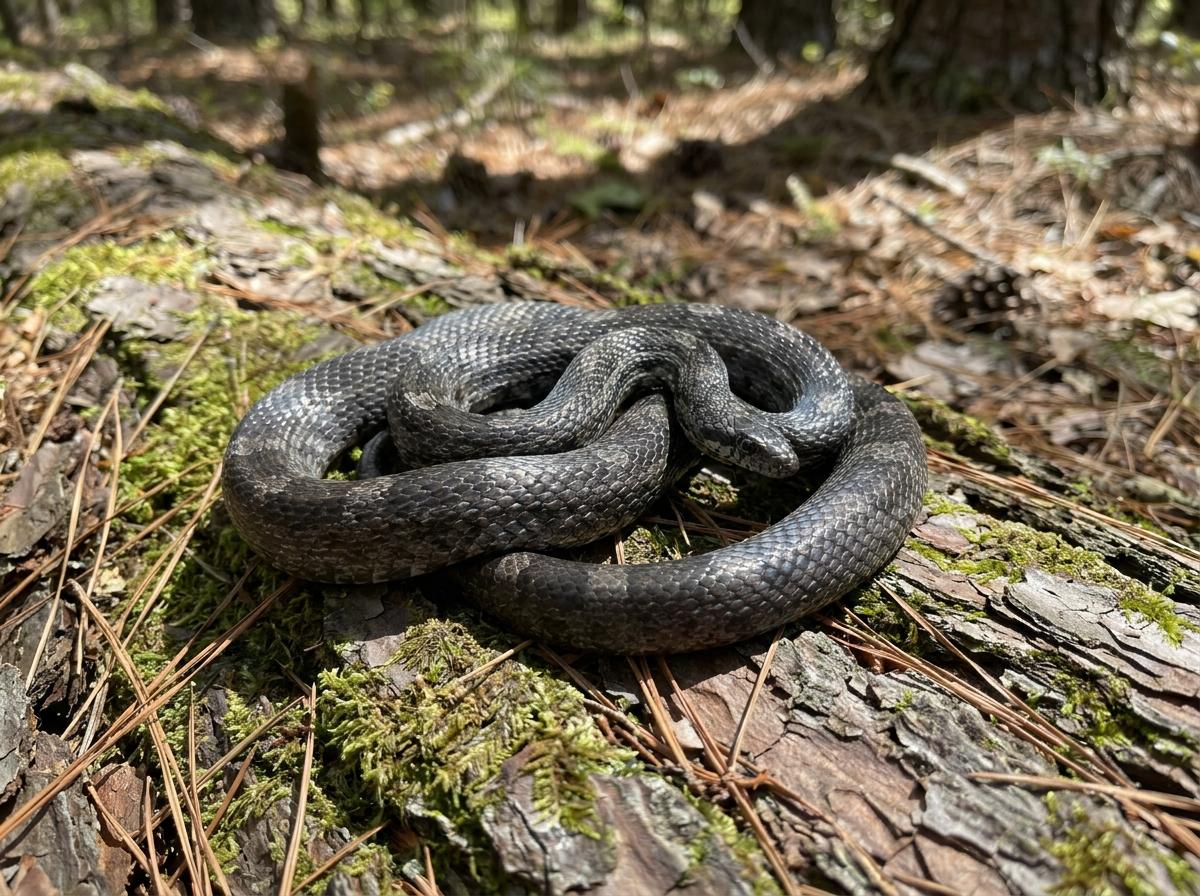
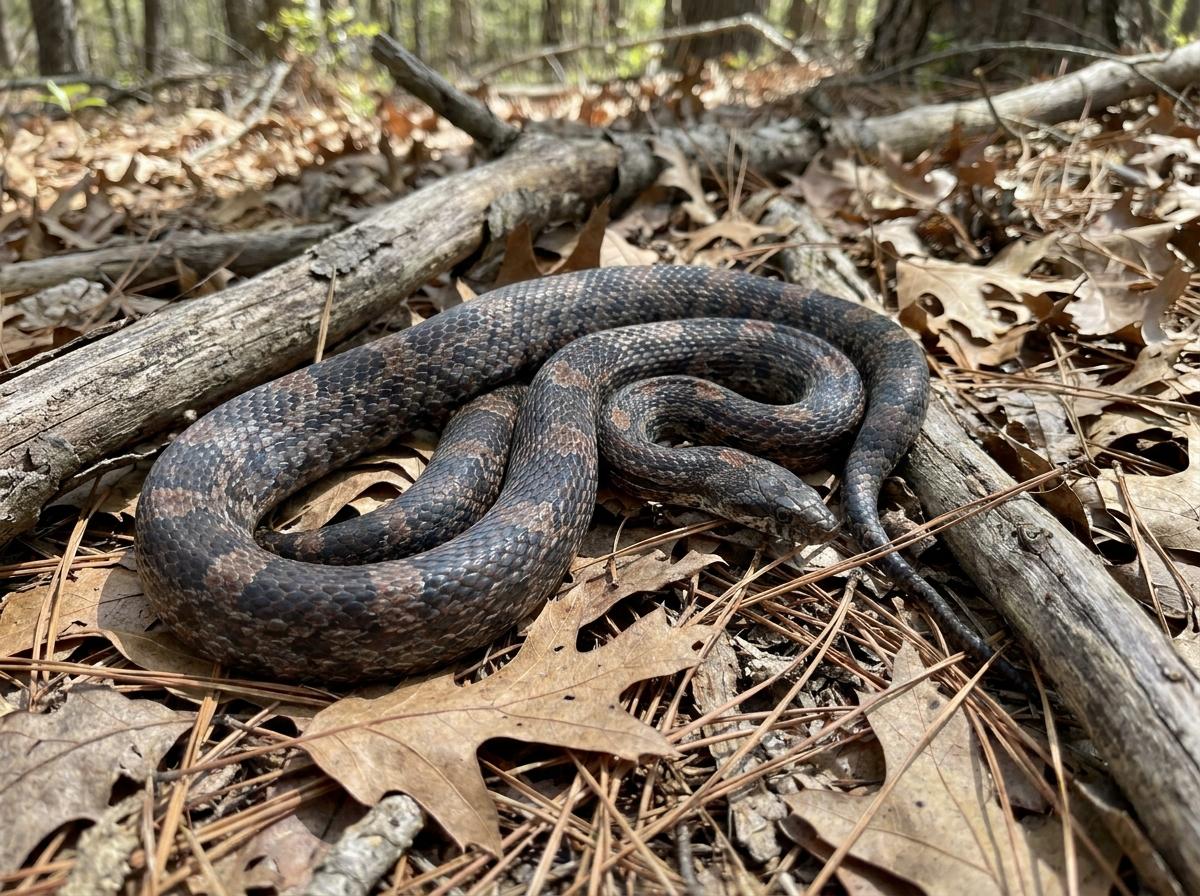
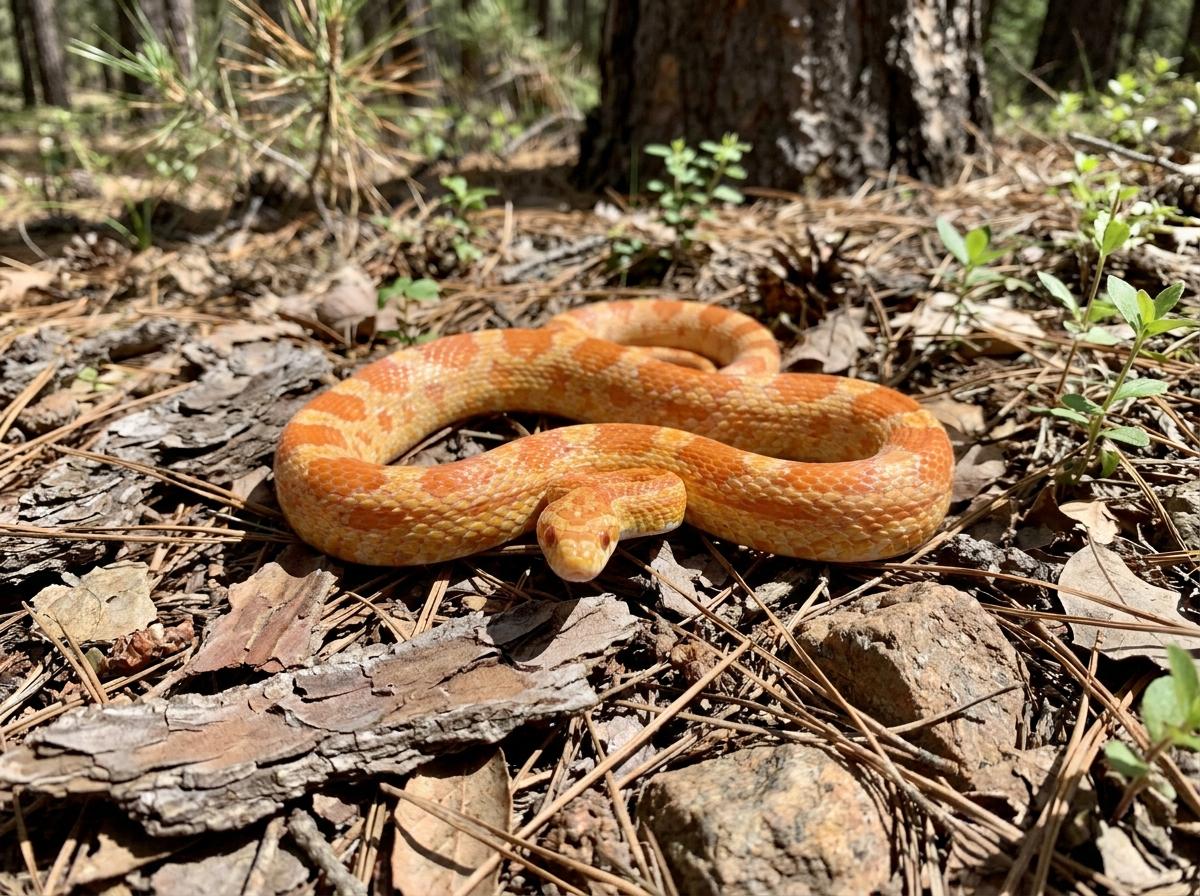
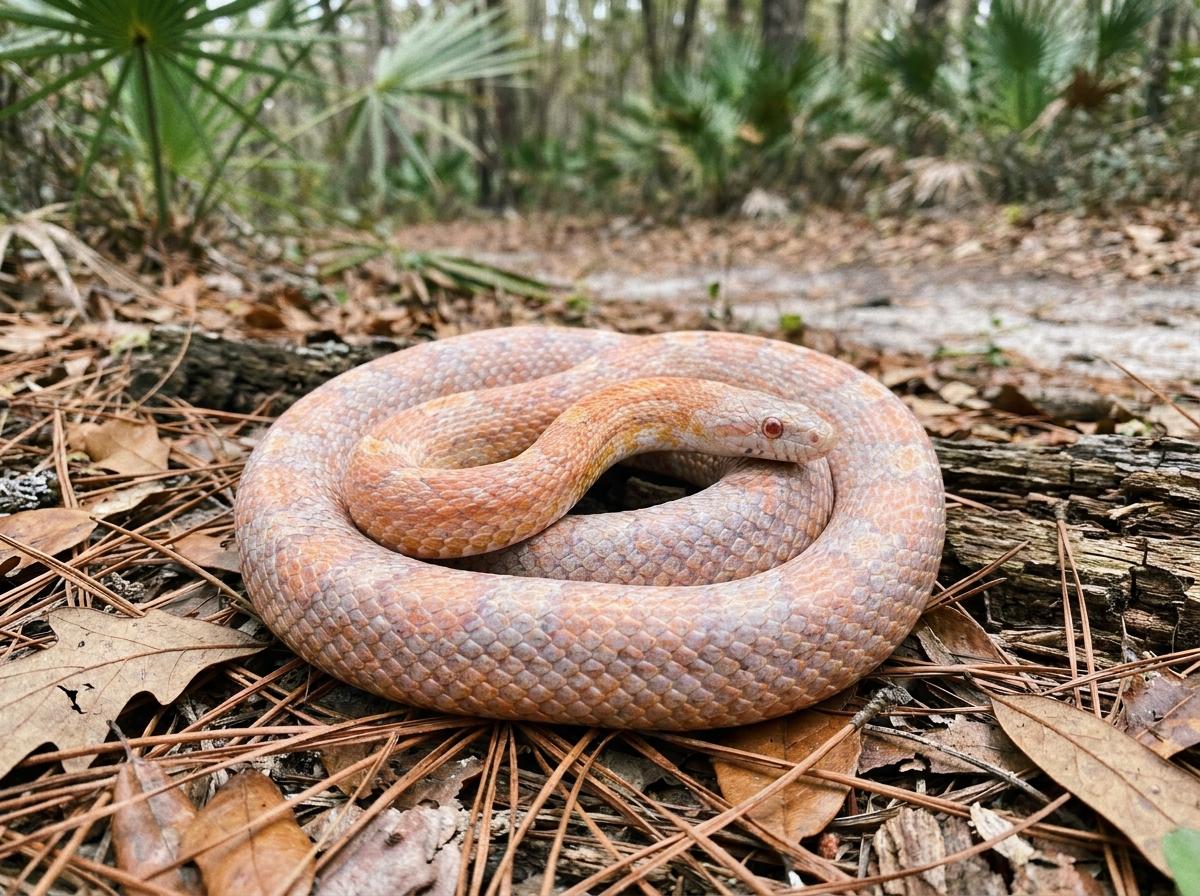
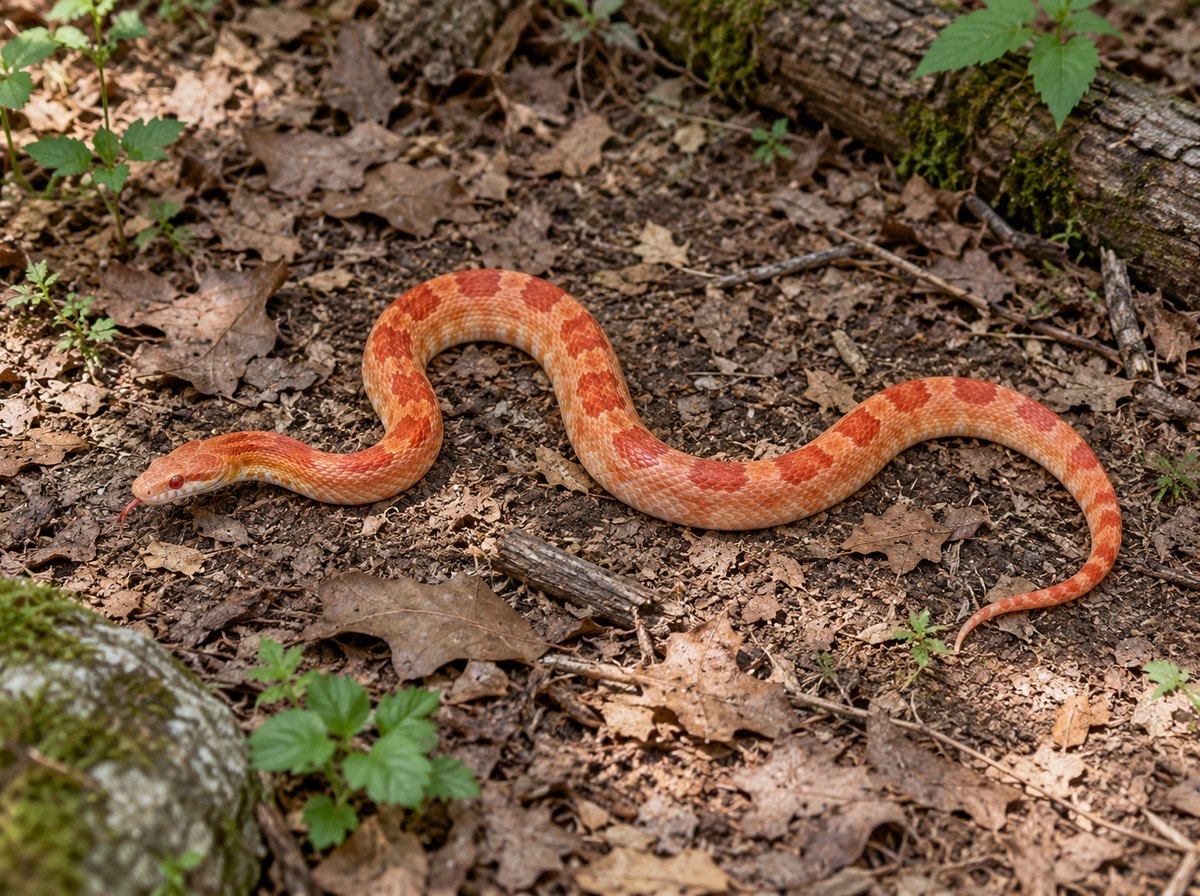
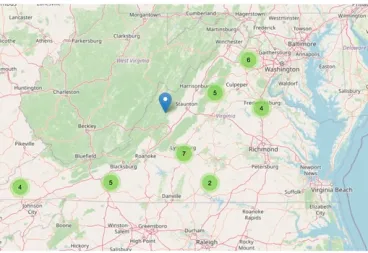
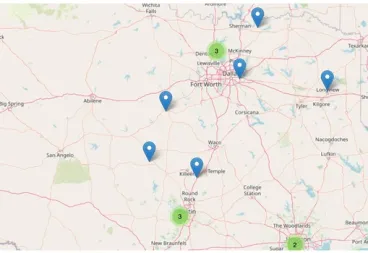
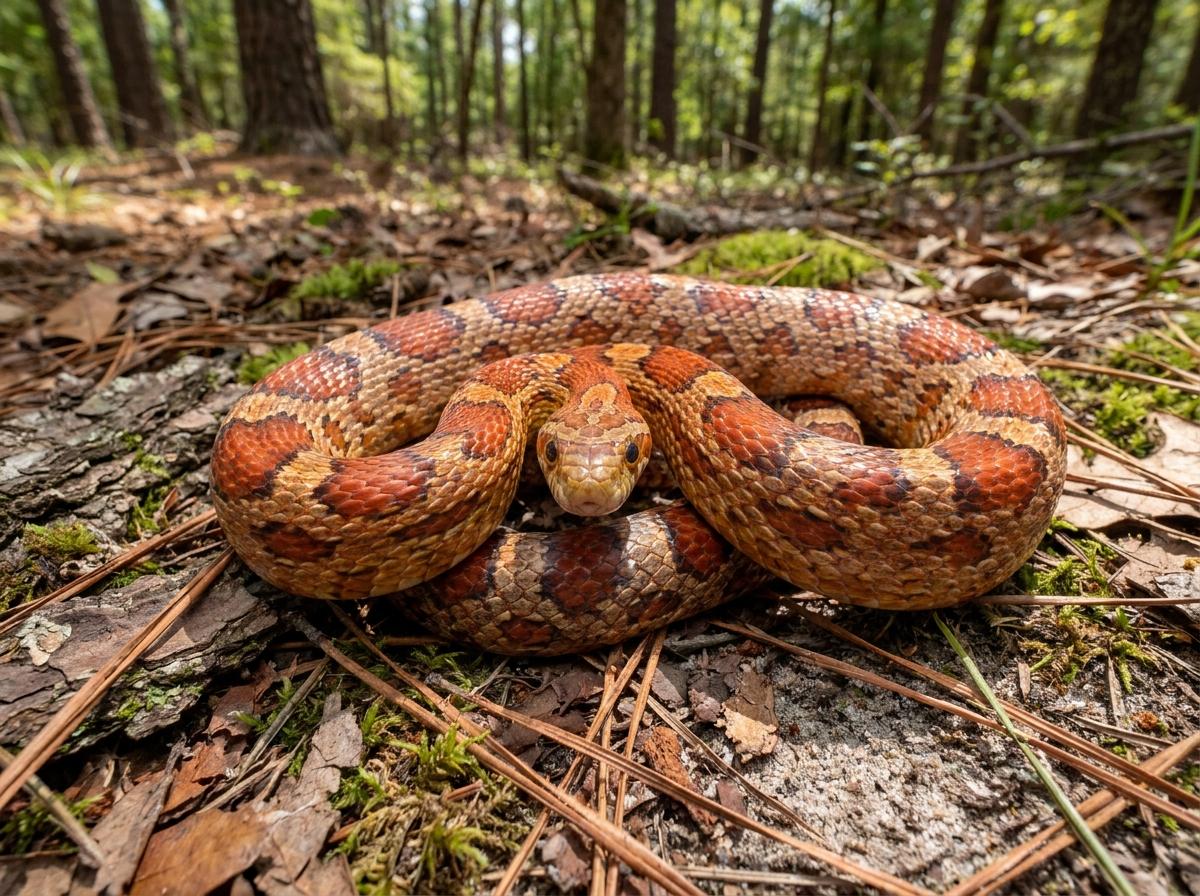
The corn snake (Pantherophis guttatus) is a nonvenomous North American rat snake native to the southeastern United States, where it hunts rodents, lizards, and small birds around pine woods, fields, barns, and rocky edges. Wild-type animals are usually orange, tan, or reddish with dark-edged saddles and a checkered belly, a pattern that gave rise to the name through its corn-kernel look or its association with corn storage areas. Decades of captive breeding have produced many color and pattern morphs, but the underlying species remains a slender constrictor that is active mostly at dusk and night.
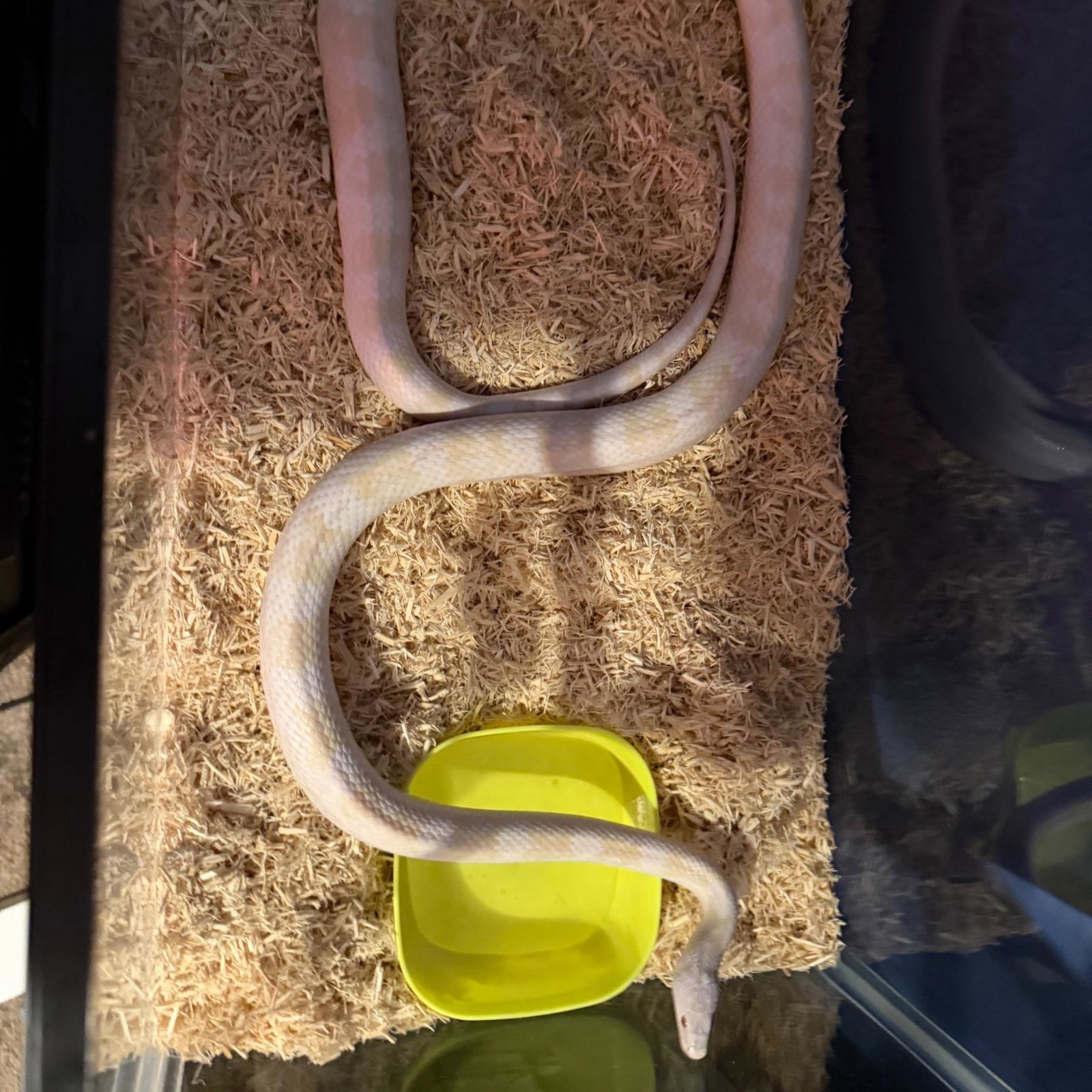
Captive-bred corn snakes are common in the reptile trade and are generally a better choice than wild-caught snakes for health, temperament, and conservation reasons. Husbandry centers on an escape-proof enclosure with secure hides, a temperature gradient, clean water, and substrate that stays dry enough to protect the skin. Most adults feed readily on thawed mice or small rats sized to the snake. Breeders track morph genetics, seasonal cooling, egg laying, and incubation, while buyers should ask about feeding history and local rules, especially where the species is native or restricted as a non-native animal.