




Albino
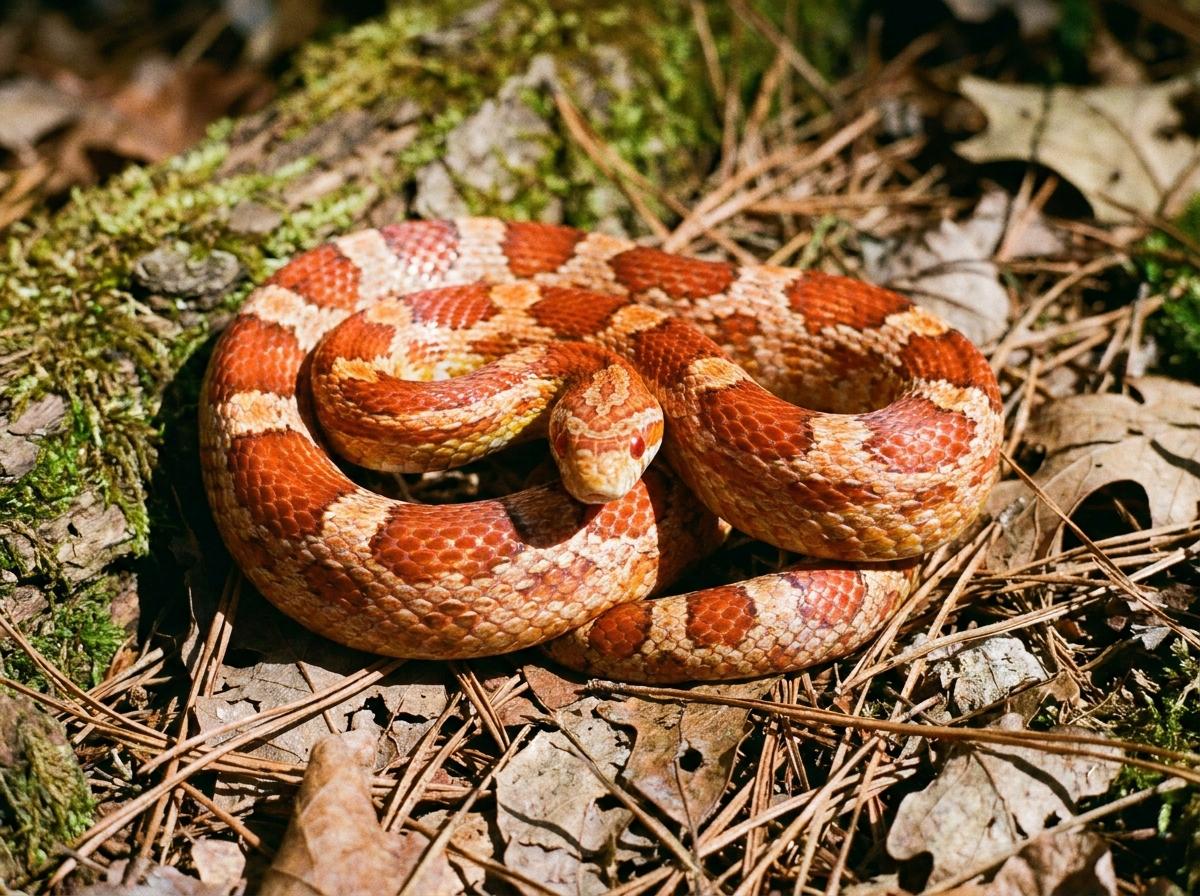
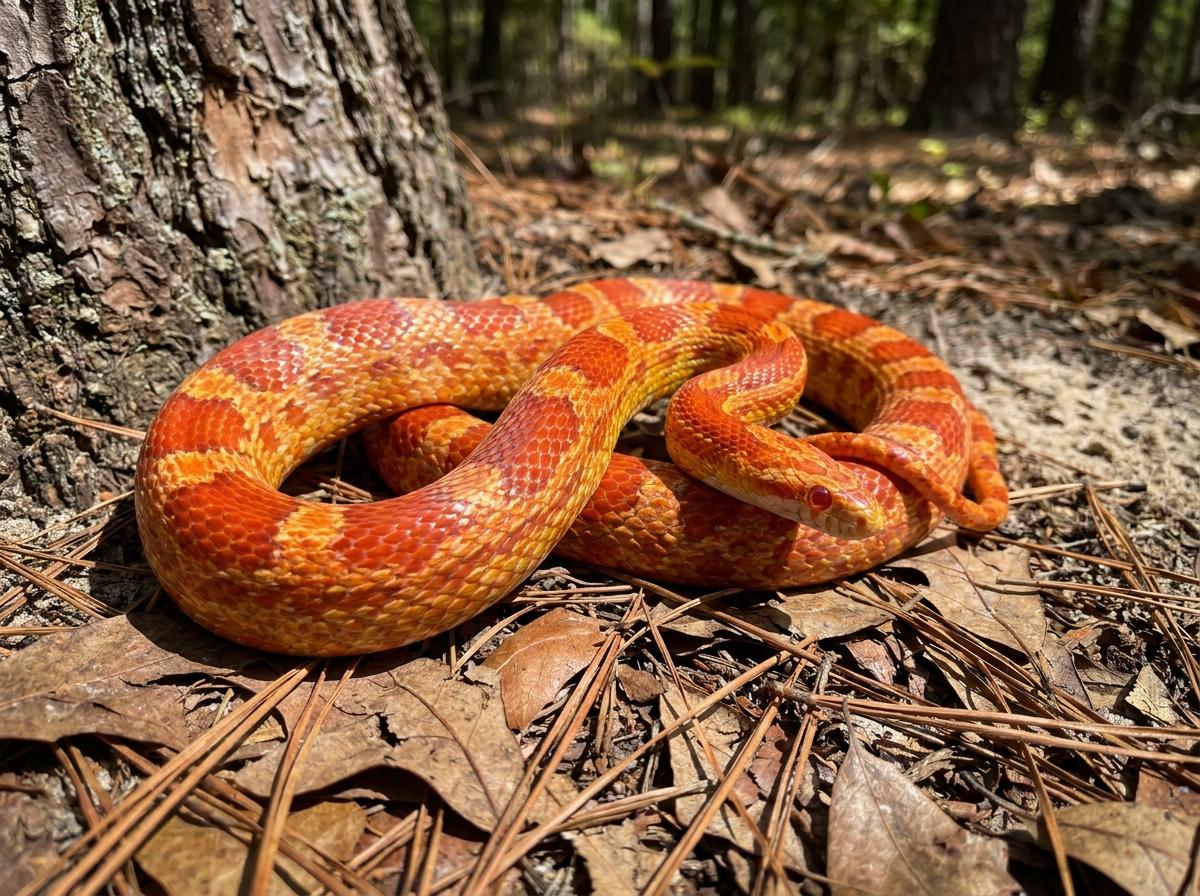
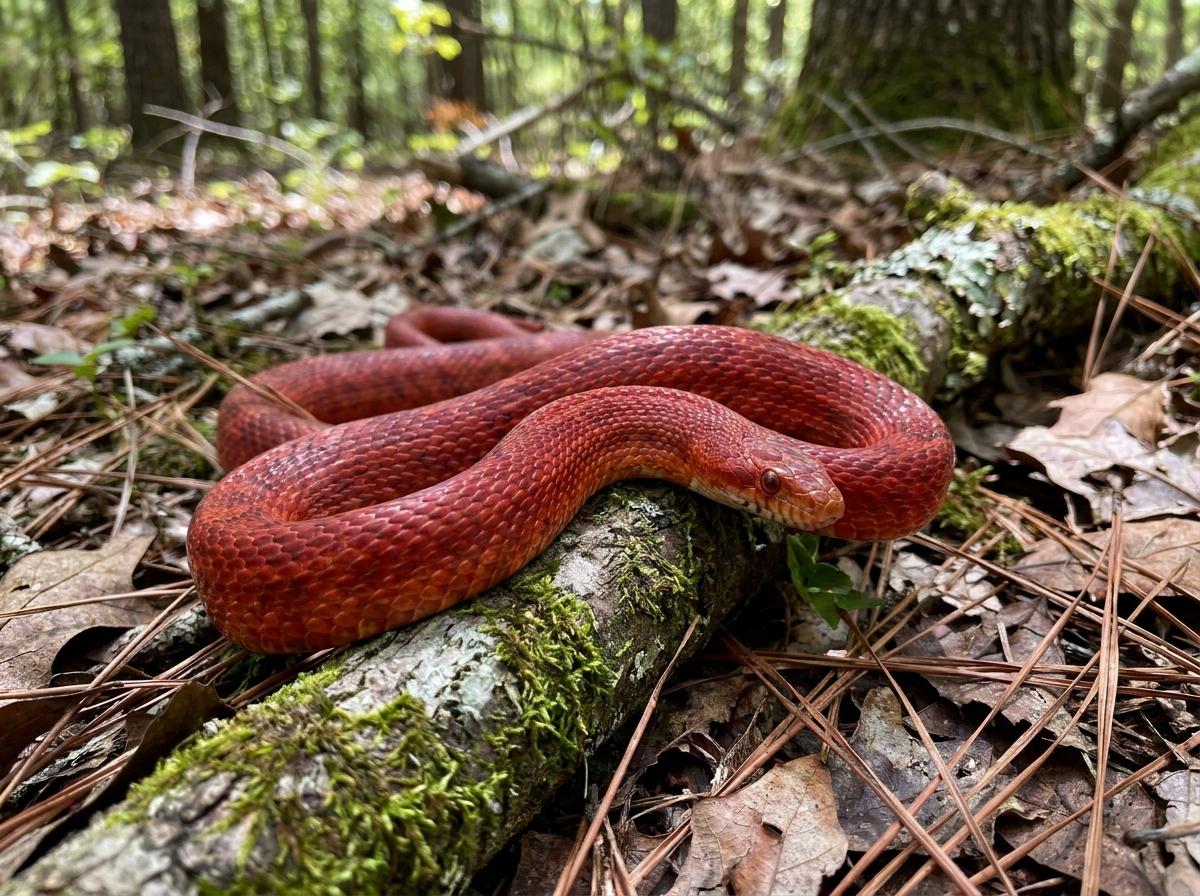
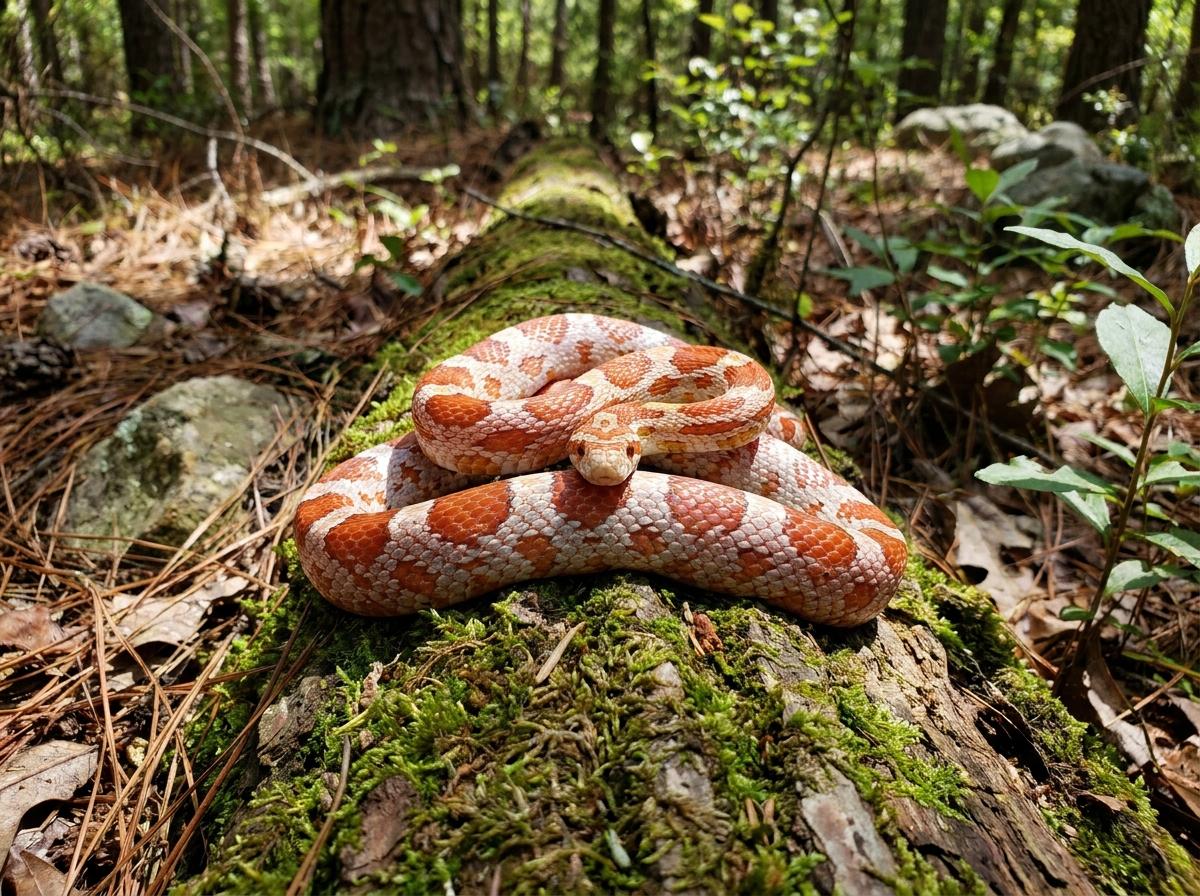
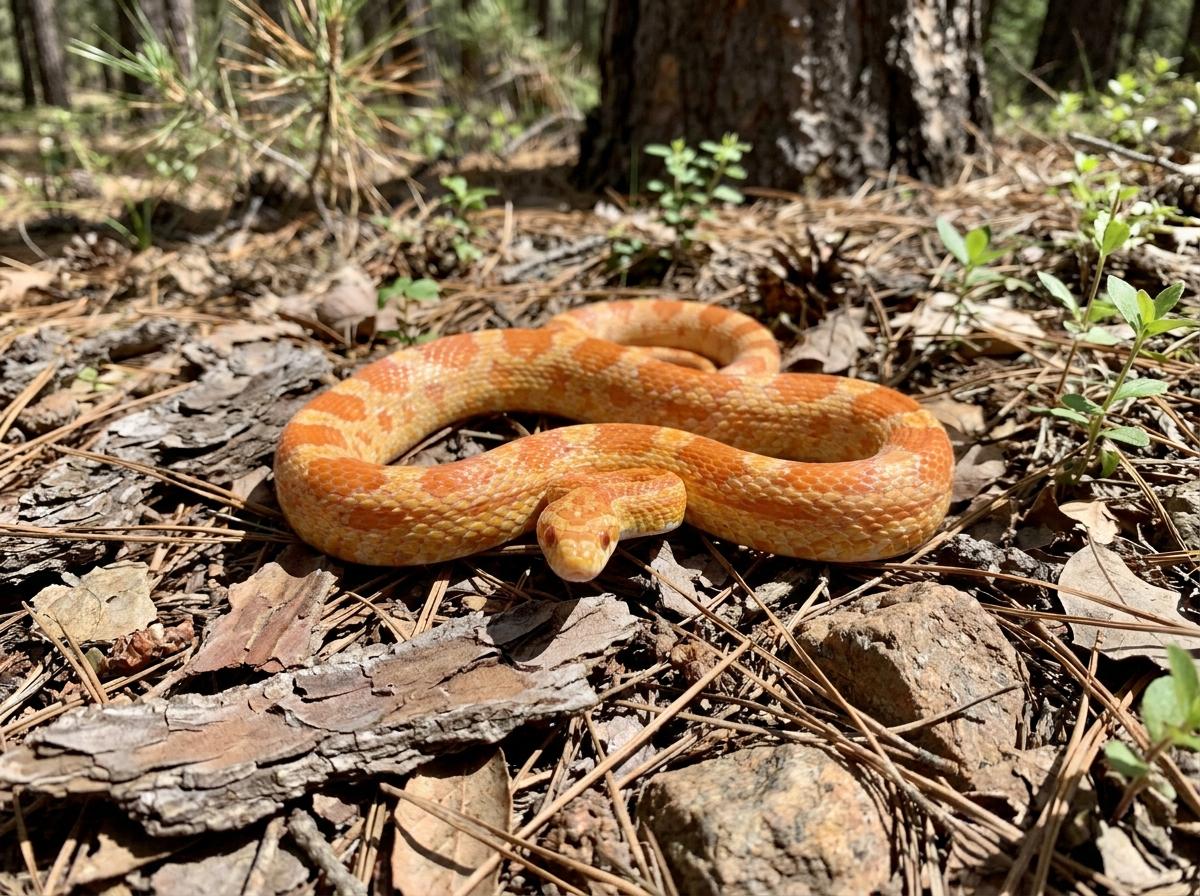
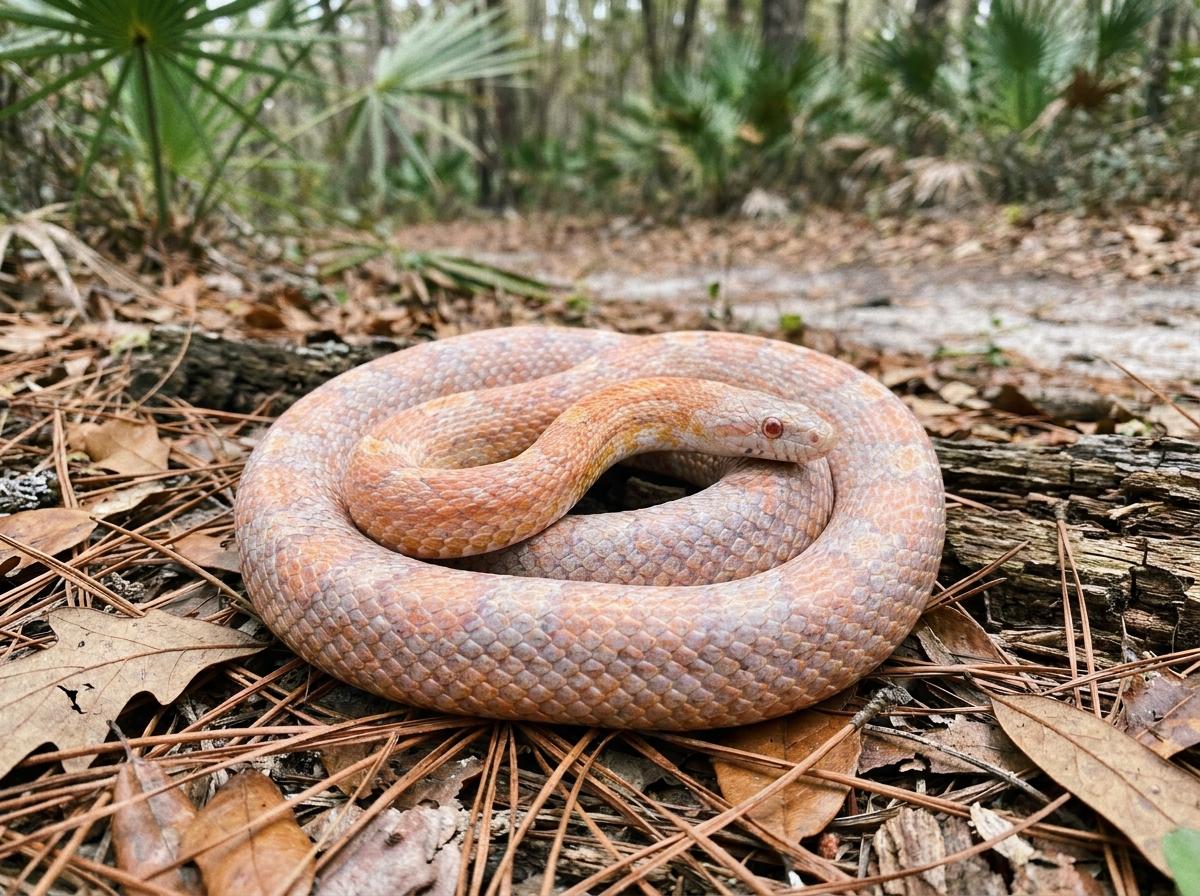
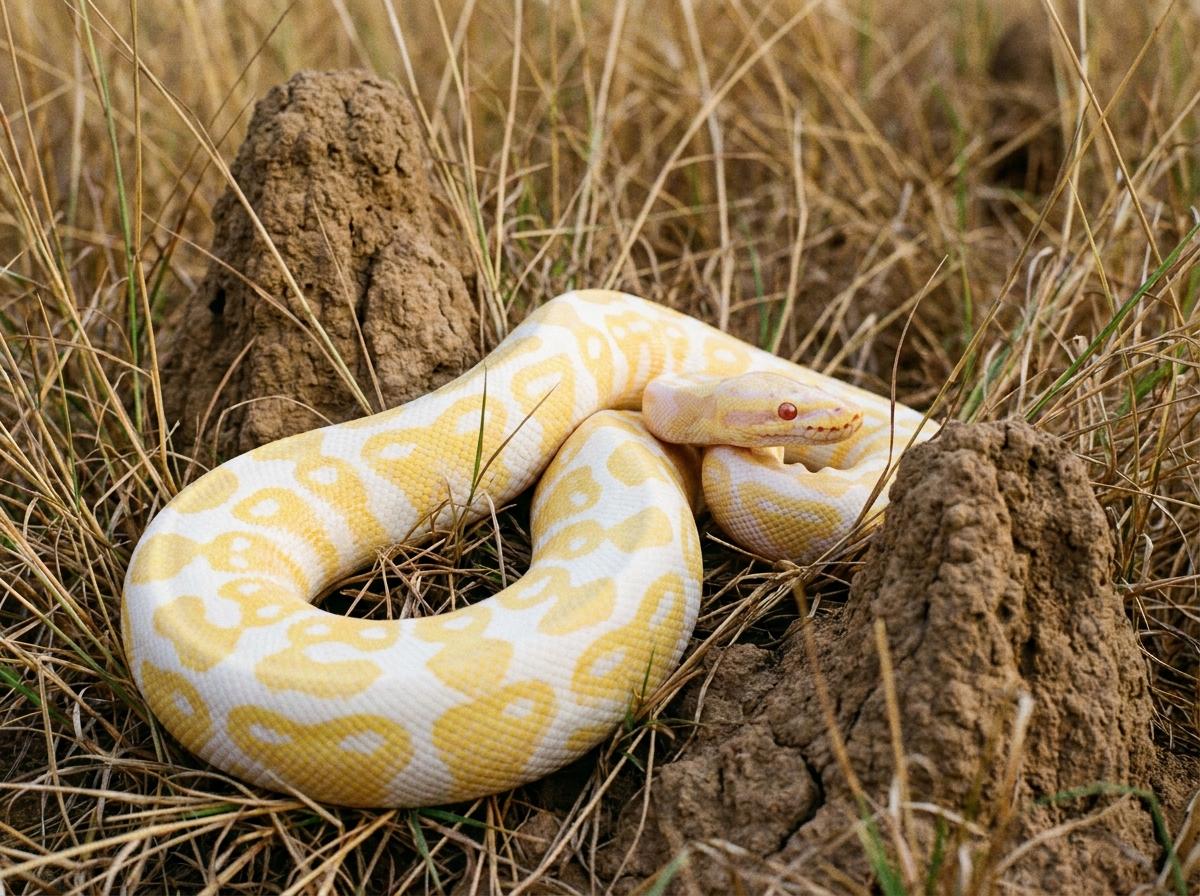
In corn snake keeping, albino usually refers to the amelanistic, or amel, morph of Pantherophis guttatus rather than a pure white animal. The mutation removes black melanin, so the normal dark saddles and borders are replaced by red, orange, yellow, and cream tones, often with pink to red eyes. Albino corn snakes have been in captive collections for decades and are one of the foundation morphs behind many combinations, including snow, butter, and candy cane lines. Because the word albino is used loosely, serious listings often identify the animal as amel and note any additional genes or possible hets.
Care does not differ from other corn snakes. The enclosure needs a secure lid, a warm side and cool side, and snug hides. Fresh water and appropriately sized thawed mice support a normal routine once the snake is settled. Pale snakes can look washed out before a shed, so buyers should judge color from recent photos and, when possible, adult relatives. Breeding albino to albino produces visual albinos, while pairing to a non-carrier produces normal-looking offspring that carry amel; clear genetic records prevent confusion as more color genes are added.
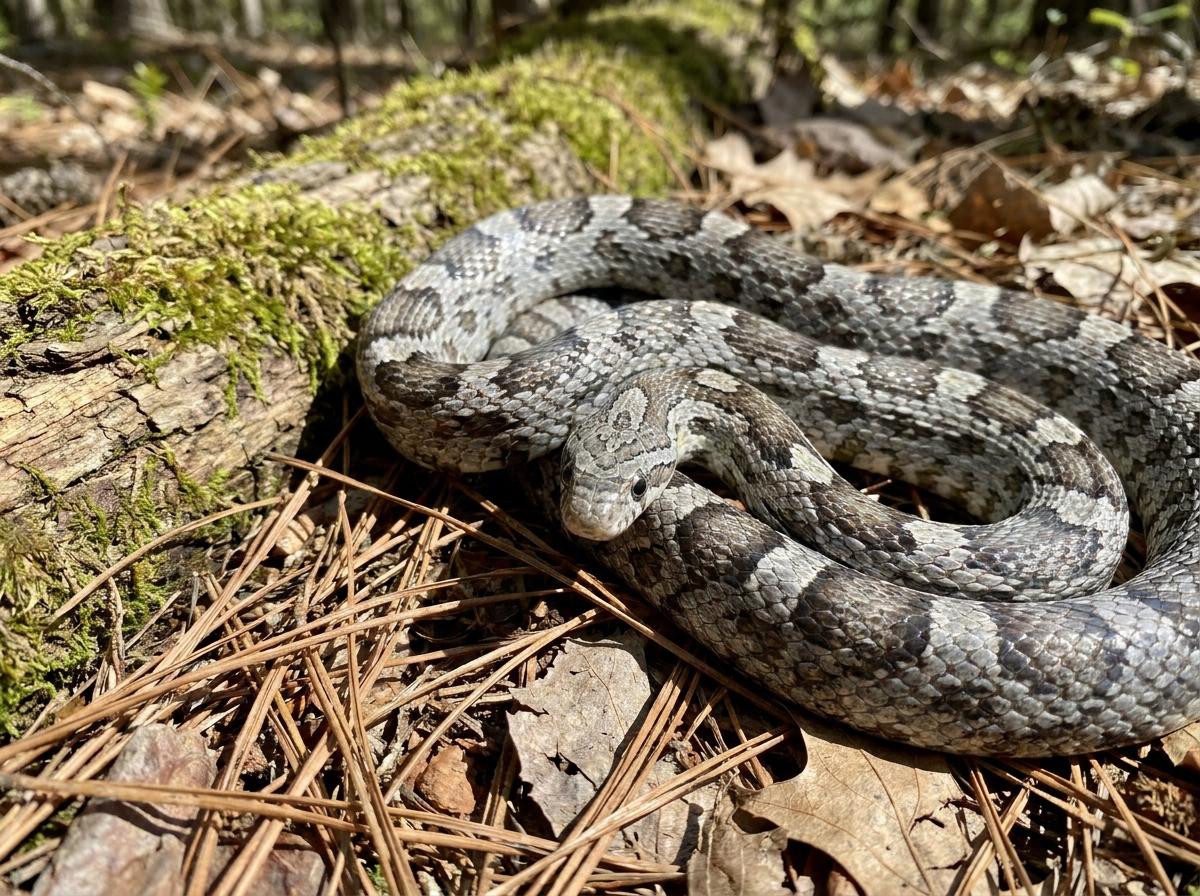
Colors: Albino, Amel, Amelanistic, Anery, Anerythristic, Bloodred, Butter, Candy Cane, Caramel, Charcoal, Cinder, Creamsicle, Dilute, Fire, Ghost, Granite, Hypo, Lava, Lavender, Masque, Miami Phase, Motley, Normal, Okeetee, Opal, Palmetto, Pewter, Plasma, Reverse Okeetee, Scaleless, Snow, Stripe, Sunglow, Sunkissed, Tessera, Ultramel, Wild Type