


How Much Does a Capybara Cost? Purchase, Pair, Enclosure, and Lifetime Price Guide
Author: Elliott Garber, DVM · Published
Plan on roughly $1,500 to $5,000 for a single capybara from a US breeder, with hand-raised babies from well-known breeders sitting at the top of that range. That is the number people search for, and it is also the most misleading one, because you cannot responsibly keep just one. Capybaras are herd animals, so a realistic starting purchase is a pair, which doubles the sticker price before you have built anything. Add a large secure enclosure, a pool the animal can fully submerge in, an exotic vet on call, and a commitment that can run up to 12 years, and the honest figure is tens of thousands of dollars over the animal’s life, not a few thousand up front.
This guide walks through each of those costs, where the money actually goes, and the legal reality that decides whether you can keep one at all before you spend a dollar.
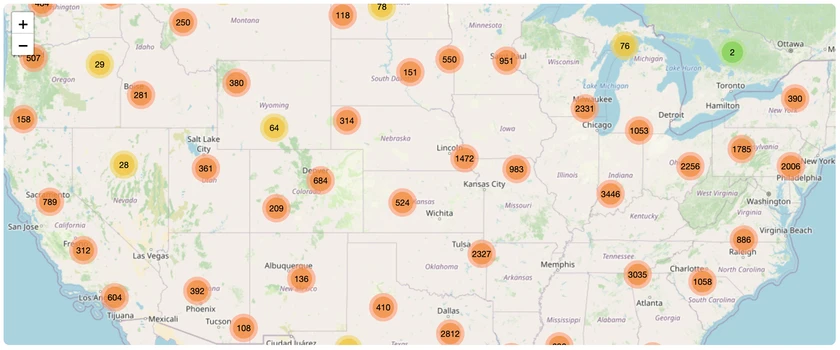
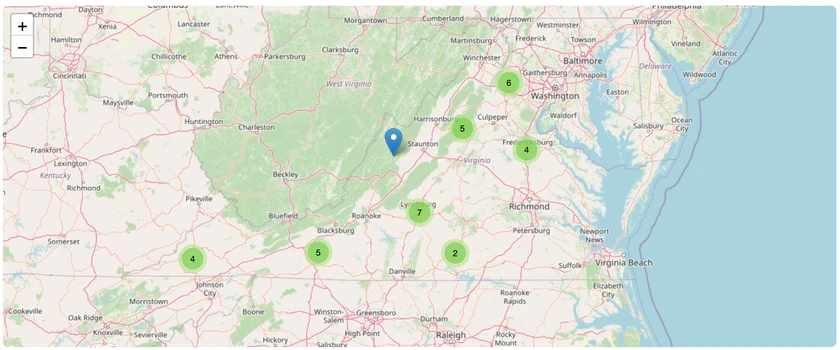
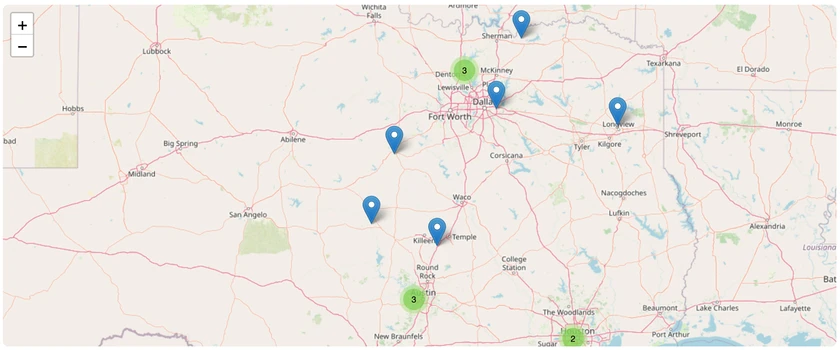
To see current availability and asking prices, you can browse the capybara marketplace on Creatures.
| Purchase, one animal | Roughly $1,500 to $5,000 or more, breeder and age dependent |
|---|---|
| Realistic starting pair | Roughly $3,000 to $10,000, because they must be kept in company |
| Enclosure and fencing | Several thousand dollars for a large, secure outdoor space plus shelter |
| Pool or pond | A major line, not enrichment; water deep enough to fully submerge |
| Ongoing food and care | Often a few hundred dollars a month per pair, plus exotic-vet visits |
| Lifespan | Up to 12 years in expert care (San Diego Zoo Wildlife Alliance) |
| Legality | Varies widely by state; banned outright in some, permit-required in many, and local bans apply |
| Realistic lifetime cost | Tens of thousands of dollars for a pair over their lifespan |
How much does a capybara cost to buy?
The purchase price of a single capybara generally runs somewhere in the low thousands, with hand-raised, well-socialized babies from established exotic breeders commanding the most. Age, temperament, how much handling the animal has had, and the breeder’s reputation all move the figure up or down. Treat any single quote as a starting point, not a fixed rate, and be skeptical of a price far below the typical range, because a cheap capybara often means an under-socialized or poorly started animal that will cost far more in problems later.
Here is the part most first-time buyers miss. You are almost never buying one. Capybaras are among the most social of all rodents, living in the wild in stable groups that usually number ten to twenty animals and sometimes far more, with a clear social structure and constant contact between herd members (Britannica; San Diego Zoo Wildlife Alliance). A capybara kept alone is a capybara under chronic stress. Responsible breeders and exotic vets generally recommend keeping them in pairs or small groups, which means your real acquisition cost is at least two animals, not one. That single fact roughly doubles every number people expect.
What drives the price
Beyond the pair requirement, a few things separate a mid-range capybara from a premium one:
- Hand-rearing and socialization. A baby raised in close contact with people, bottle-fed and handled daily, is calmer and easier to manage as an adult, and breeders price that labor in.
- Age. Younger animals that can bond to a new home tend to cost more than older ones.
- Breeder reputation and health guarantees. An established breeder who health-checks the animal, starts its records, and stays reachable for questions is worth paying for.
- Availability in your region. Few US breeders produce capybaras, so distance, transport, and simple scarcity all add to the cost.
No authoritative price index exists for live capybaras, so anyone quoting a single national figure is estimating. Budget from ranges, get a written quote from your breeder, and confirm what the price includes before you commit.

The enclosure and pool most budgets underestimate
This is where the real money lives, and where cutting corners does the most harm. The capybara is the largest living rodent on earth. Adults run roughly 3.5 to 4.5 feet long and commonly weigh from about 75 up to 145 pounds, with the heaviest wild animals recorded well above that (Wikipedia morphometric summary; Guinness World Records). This is a livestock-scale animal, not a pocket pet, and it needs a large, secure, outdoor enclosure with strong perimeter fencing and a weatherproof shelter for cold months. Building that properly costs several thousand dollars and up, and it scales with the size of your group.
Then there is the pool, and it is not optional. Capybaras are semi-aquatic. They have partially webbed feet, they feed and socialize in and around water, and, most importantly, they use water to regulate their body temperature and escape heat (Wikipedia; San Diego Zoo Wildlife Alliance). Zoo husbandry treats a pond or pool deep enough for full immersion, alongside space to graze, as a core requirement, not a luxury (San Diego Zoo Wildlife Alliance managed-care fact sheet). A capybara without proper water access is a welfare and health problem waiting to happen. A pool deep enough for an adult to submerge, plus a way to keep it clean, is one of the biggest single expenses in the project, and the line new owners most often forget until they are pricing pumps and filtration.
Put the enclosure and pool together and you can easily spend more on housing than on the animals themselves, which is the same pattern you see with most exotics: the creature is cheap next to the habitat it truly needs.

Ongoing costs: food, exotic vet, and upkeep
Capybaras are grazers. Their diet is built on grass and grass hay, supplemented with appropriate vegetables and species-formulated food. For a pair this size the monthly feed bill is real, often a few hundred dollars once you account for the volume of hay two large rodents get through. This is not a hamster’s grocery list.
Veterinary care is the cost that catches people off guard. Capybaras are exotics, and not every clinic will see one. You need a veterinarian experienced with exotic or zoo species, which usually means a specialist practice, sometimes a drive away, and exotic-vet visits cost more than routine dog-and-cat care. Line up that relationship before you bring an animal home, not during a crisis, and budget for at least annual wellness checks plus a reserve for the illness or injury that will eventually happen over a life that can reach 12 years. As with any animal, all medical and drug decisions belong to your veterinarian, not a care blog.
Pool upkeep is the third recurring cost. Capybaras routinely defecate in their water, so pools need regular cleaning, water changes, and often filtration, which costs time and money month after month. Add bedding, enclosure maintenance, heating for cold climates, and the occasional fence or shelter repair, and the ongoing figure becomes a steady drain rather than a one-time hit.
The legality gauntlet: check this before anything else
Before you price a single capybara, find out whether you can legally keep one where you live, because in many places you cannot, and the rules are a genuine patchwork. Ownership is regulated at the state level and often again at the county and city level, so there is no single national answer.
Some states ban private capybara ownership outright. California is a clear, verifiable example: the state classifies essentially all rodents other than a short list of domesticated species as restricted animals under its regulations (California Code of Regulations, Title 14, Section 671), and permits to possess restricted species are generally issued only for narrow purposes like research or public exhibition, not private pets (California Fish and Wildlife restricted-species regulations; 14 CCR 671). Widely circulated state-by-state trackers put the number of outright-ban states at around nine plus Washington, DC, but those lists are secondary sources that copy one another, so do not treat any tally as gospel. Verify your own state directly.
Many states that do allow capybaras require a permit or license, and the application, inspection, and fees are part of your real cost. And even where a state allows ownership, a county or city can ban it. New York State, for instance, does not ban capybaras outright, but New York City prohibits them: the city’s Health Code bans large rodents outright, capybaras included, with no private permit available (NYC Health Code Article 161). That gap between state and local law is exactly the trap that catches buyers who checked only one level.
The practical rule: contact your state wildlife or agriculture agency and your county and city authorities, in writing, and confirm current law before you buy. This article is general information, not legal advice, and the rules change, so a professional or an agency is your source of truth.
What a capybara really costs over its life
Add the pieces up and the shape is clear. The purchase price of a pair is a meaningful number on its own, but it is dwarfed by what comes after: the enclosure and pool you build before they arrive, then the better part of a decade of hay by the bale, specialist vet care, pool maintenance, heating, and repairs, multiplied by the two or more animals a healthy group requires. Realistically that lands in the tens of thousands of dollars over the animals’ lifespan, and higher in a hard health year or a cold climate. The exact figure depends heavily on where you live, your access to an exotic vet, and the scale of your setup, so treat it as a planning range rather than a quote.
The takeaway is the one worth internalizing before you fall for a photo of a calm, blocky rodent lounging in a kiddie pool. The sticker price is the smallest cost in the whole equation. A capybara is closer to keeping a small herd of exotic livestock than to owning a pet, with the space, water, social, legal, and financial commitments that implies. Go in with those real numbers and it can be done well. Go in expecting a large guinea pig and it becomes an expensive, and sometimes heartbreaking, mistake.
If you are still weighing it, the Creatures capybara species guide covers behavior, housing, and care needs in more depth.
Frequently asked questions
How much does a capybara cost as a pet?
A single capybara from a US breeder generally runs roughly $1,500 to $5,000 or more, with hand-raised babies from established breeders at the top of the range. Because they must be kept in company, plan on buying at least two, which roughly doubles the purchase cost before any housing.
Why do you have to buy two capybaras?
They are intensely social herd animals, living in the wild in groups that usually number ten to twenty. A capybara kept alone suffers chronic stress and behavioral problems, so responsible breeders and exotic vets recommend keeping them in pairs or small groups.
Do pet capybaras really need a pool?
Yes. Capybaras are semi-aquatic and use water to regulate body temperature, feed, and stay healthy. Zoo husbandry standards treat a pool or pond deep enough for full immersion as a core requirement, which makes it one of the largest setup costs, not an optional extra.
Is it legal to own a capybara?
It depends entirely on where you live. Some states ban private ownership outright (California is one, under its restricted-species rules), many require a permit, and cities and counties add their own bans even where the state allows it, as New York City does. Confirm current law with your state wildlife agency and your local authorities before buying.
How long do capybaras live?
Up to 12 years in expert care, according to the San Diego Zoo Wildlife Alliance, which is why the multi-year running cost matters far more than the purchase price.
Do this next on Creatures
Whether you are pricing out a first pair, confirming what is legal where you live, or already keeping capybaras, Creatures is the marketplace, directory, and records layer to do it in one place.
Find a breeder. Capybaras come from a small number of exotic breeders, so start by searching trusted breeders in the Creatures directory. If you breed or rehome capybaras yourself, create a breeder profile so buyers can find you. No account needed to start, and the walkthrough is in getting listed in the breeder directory.
Get alerted when one is listed. Listings are rare, so waiting for the right pair pays off. Set a free capybara listing alert and we will tell you when one is posted. No account needed to start, and there is more in saving searches and using your watchlist.
Browse what is available now. Check current capybaras on the marketplace, though listings for this species are usually few.
Add your capybara. Already keeping one? Create a free animal profile in a few minutes. No account needed to start, and the how-to is in adding an animal to Creatures.
Track health and vet care. With a lifespan that can reach 12 years and specialist exotic-vet visits, records matter. Add a health record on Creatures. The record sheet opens for any visitor to look around, and a free account saves what you enter. See adding a record and health and medical records for the full guide.