





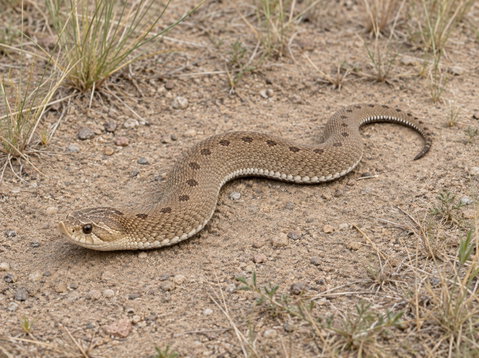
3/837.5%
Anaconda
possible het Toffee Belly 2/3 (of the babies that look Anaconda)
2 genotypes with this look
- Anaconda het Toffee Belly · 1/4
- Anaconda · 1/8

Pick the parents. See the morphs, carrier chances and sourced health notes for each egg.
Per egg at conception, for the parent genotypes and assumptions below.
possible het Toffee Belly 2/3 (of the babies that look Anaconda)
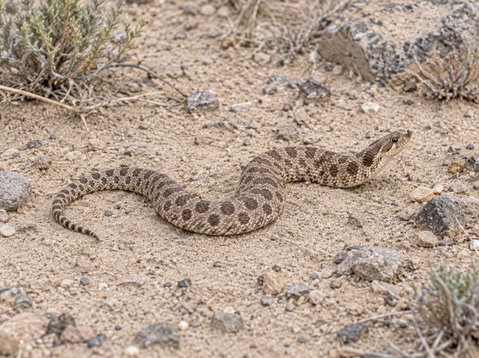
possible het Toffee Belly 2/3 (of the babies that look Normal)
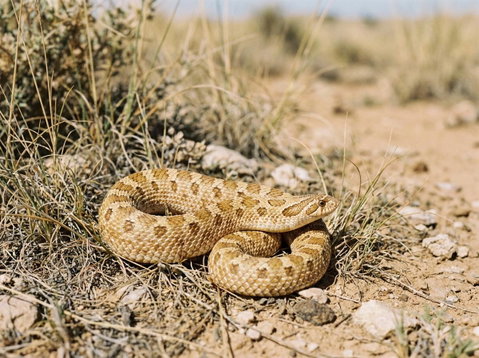
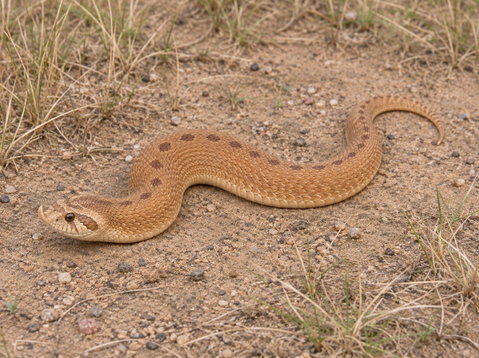
normal/Anaconda · normal/Toffee Belly
normal/Anaconda
normal/Toffee Belly
Toffee Belly/Toffee Belly
normal/Anaconda · Toffee Belly/Toffee Belly
Names follow our reviewed naming rules; breeders sometimes use other names for the same combination. Health notes cover only reported, sourced problems; no result is a health promise.
Create a free Creatures account to save your hognose pairing result and keep your animal records in one place.
Pick each western hognose parent's genes, or use your own recorded hognoses, to see every possible baby morph as an exact fraction per egg. The calculator shows het odds, Superconda, Super Arctic and reviewed named combinations like Snow and Yeti. Line-bred colors stay visible without invented odds. Each result uses the genes you enter and the reported, sourced notes.
Each egg gets one copy from each parent. The odds describe each egg, not a guaranteed clutch.
These stay under Not included, with the reason shown.
Each parent passes one copy of every gene to each baby. The calculator lists the combinations those copies can make, adds their chances and names the results using reviewed rules. It calculates 11 predictable western hognose genes. The odds are per egg, so the actual number of each morph in a clutch can vary.
Two one-copy Anacondas give each egg a 1/4 chance of Superconda, a 1/2 chance of Anaconda and a 1/4 chance of Normal, assuming no other entered genes. Superconda has two Anaconda copies. Superconda paired with Normal produces all one-copy Anacondas.
Red Line is built by selecting red animals over generations, rather than passing on one gene with simple ratios. There are no Red Line hets or supers. Breeders pair red animals with red animals to keep the color strong. Extreme Red is also line-bred, and outcrossing dilutes its color. You can record these traits alongside genes such as Albino, but the calculator gives no odds for them.
Yes, if both are het Albino. Each egg has a 1/4 chance of visual Albino, a 1/2 chance of a normal-looking het and a 1/4 chance of carrying no Albino. Taken together, the normal-looking babies have a 3/4 chance; two out of three of those carry Albino.
Snow has two copies of Albino and two copies of Axanthic. Snow paired with Snow produces all Snow babies, assuming no other entered genes. Two double hets, each carrying one copy of Albino and one of Axanthic, give each egg a 1/16 chance of Snow.
Breeders keep Pink Pastel Albino as its own recessive gene, but published crosses have not settled whether it is separate from standard Albino or another form of it. When both appear anywhere in a pairing, the calculator leaves both out rather than guessing how they interact. Pink Pastel Albino can still calculate without Albino, including the Pink Panther combination with Anaconda.
A result is a prediction from the genes you enter. It does not establish what a snake carries, and saving a pairing never changes any animal's recorded genetics.




