


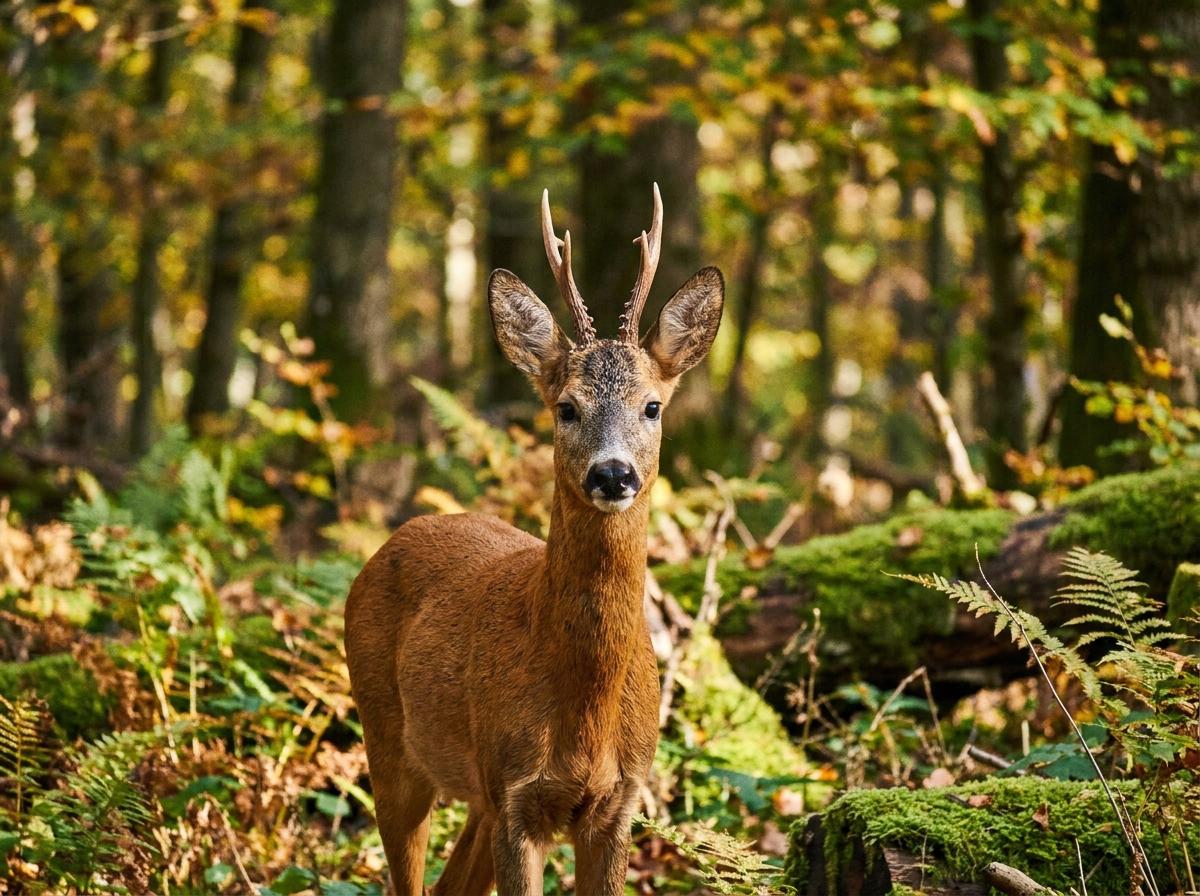
Roe Deer
Capreolus capreolus
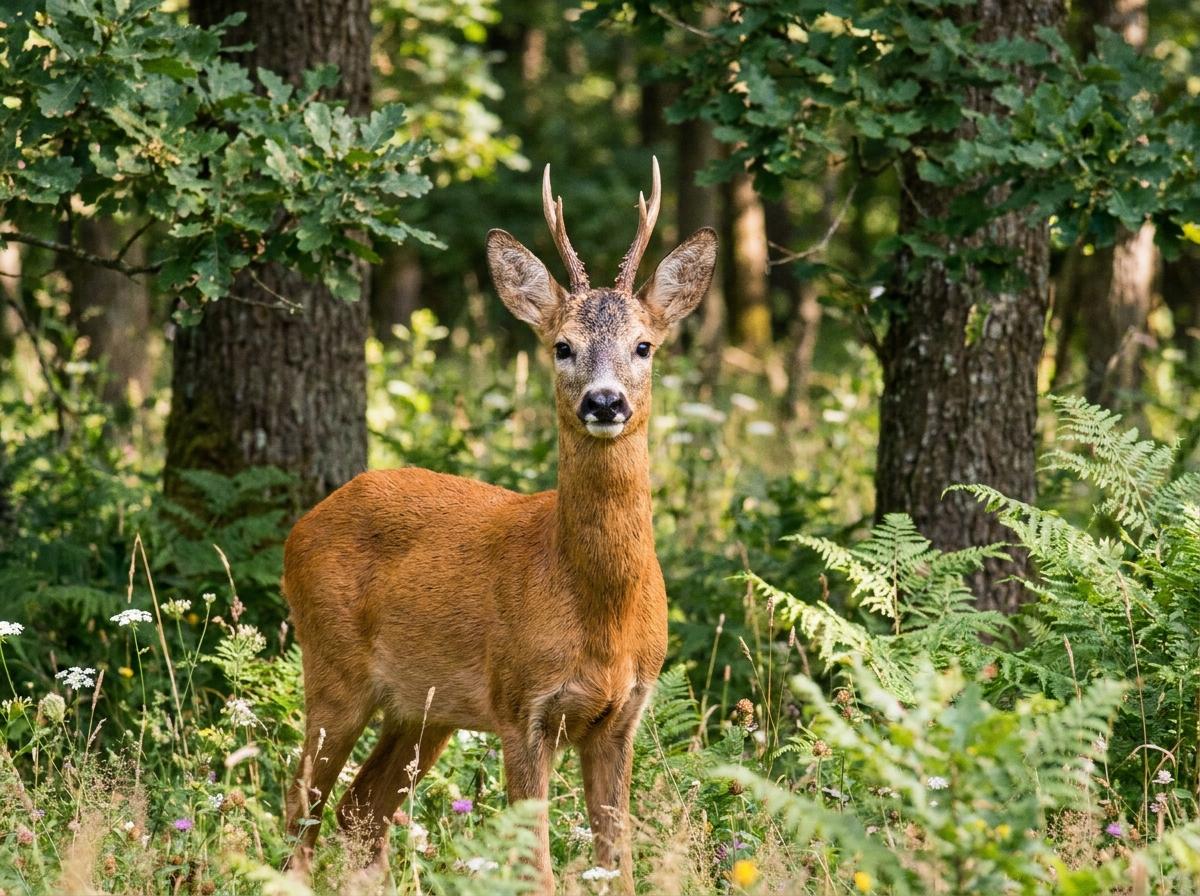
The roe deer, Capreolus capreolus, is a small deer native to Europe and parts of western Asia, separate from the larger Siberian roe deer. It is quick, fine-boned, and adapted to woodland edges, hedgerows, farmland, and young forest. The coat is reddish in summer and gray-brown in winter, with a pale rump patch that flares when the animal is alarmed. Bucks grow short upright antlers and become strongly territorial during the rut; does give birth to spotted fawns that hide quietly for their first weeks.
Most contact between people and roe deer comes through wildlife management, hunting, road-collision response, habitat planning, and occasional rehabilitation of injured or orphaned animals. They are not suitable as casual pets, and hand-reared fawns can become difficult or dangerous as adults. Deer parks and zoological collections provide quiet paddocks with browse, shelter, and visual barriers, while capture is minimized because roe deer are prone to stress and injury. In farming and forestry areas, management balances deer welfare with crop browsing, tree damage, and the need to maintain healthy local populations.