



Rhea
Rhea spp.
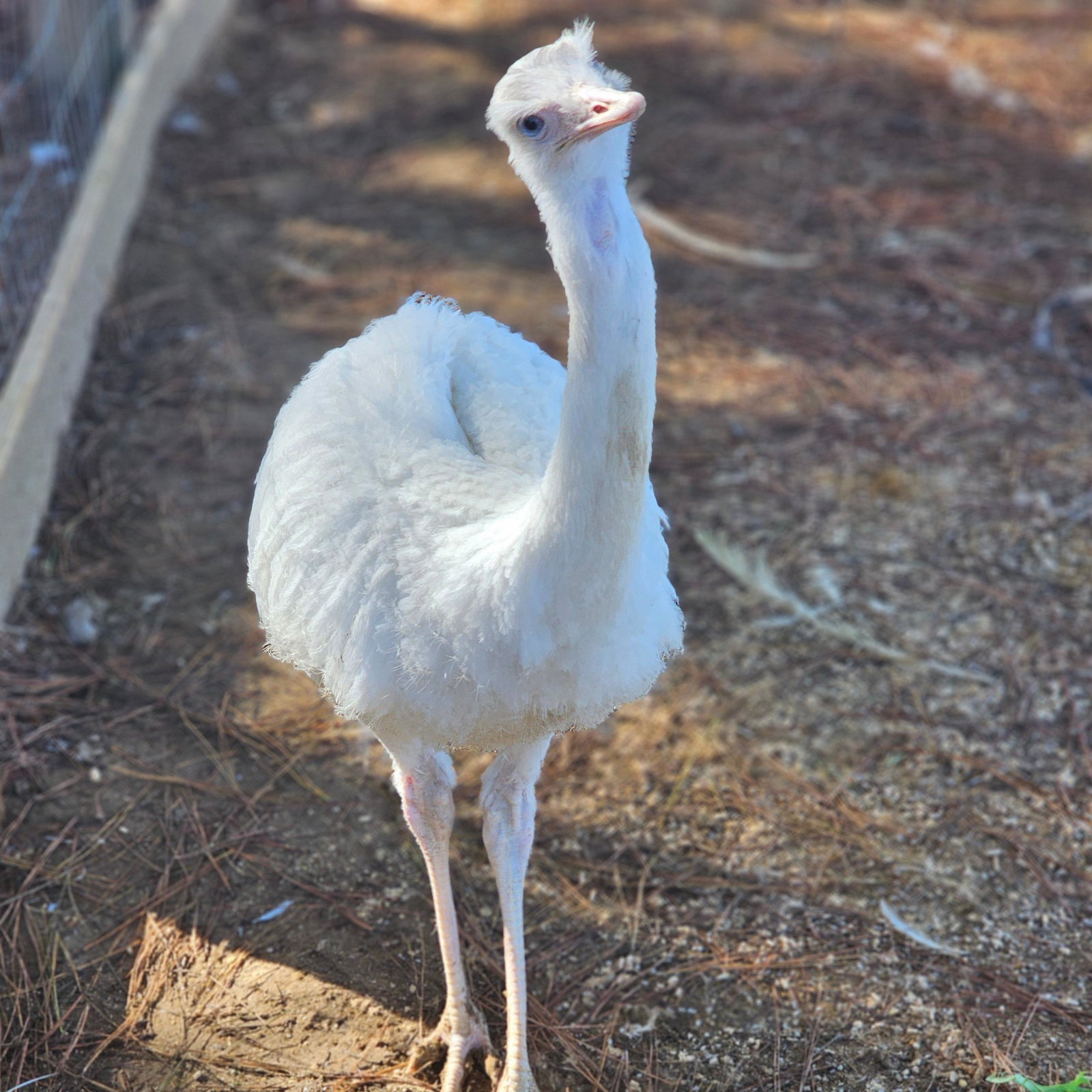
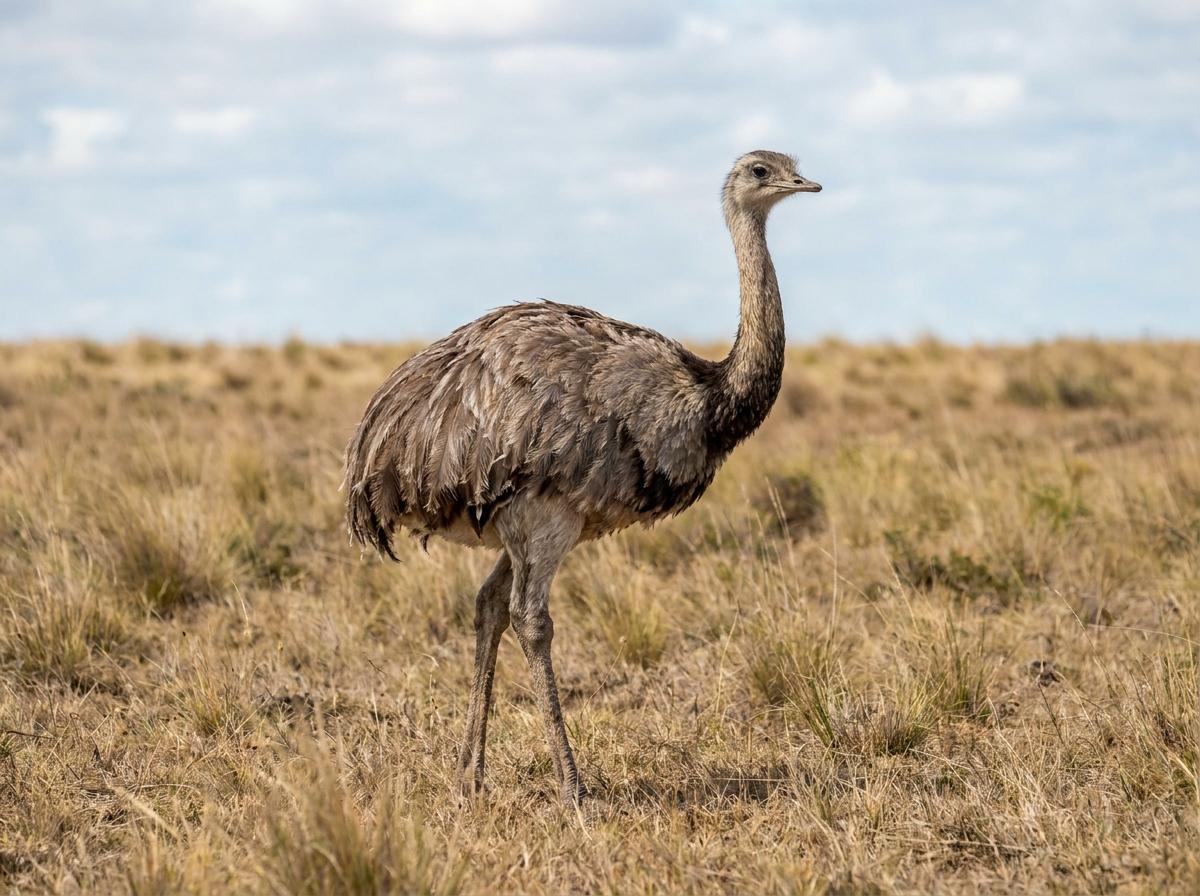
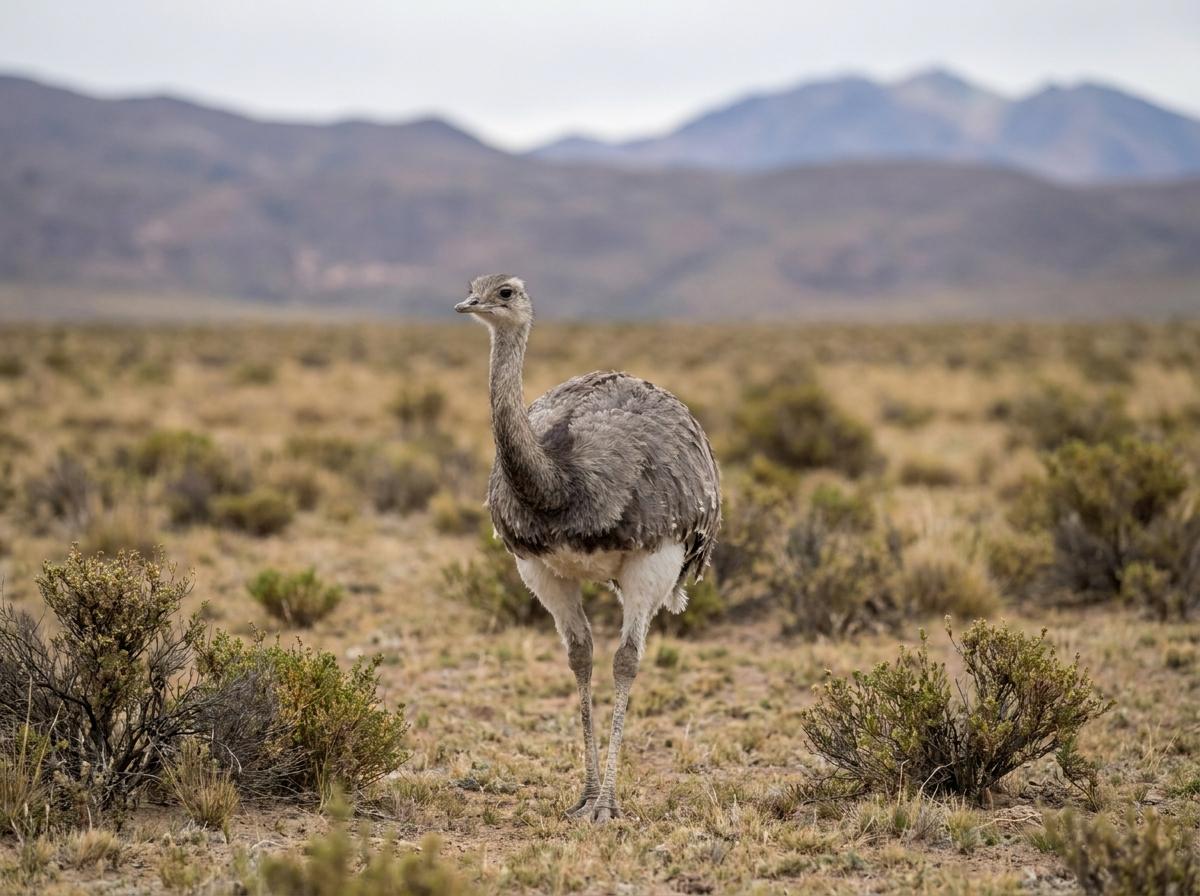
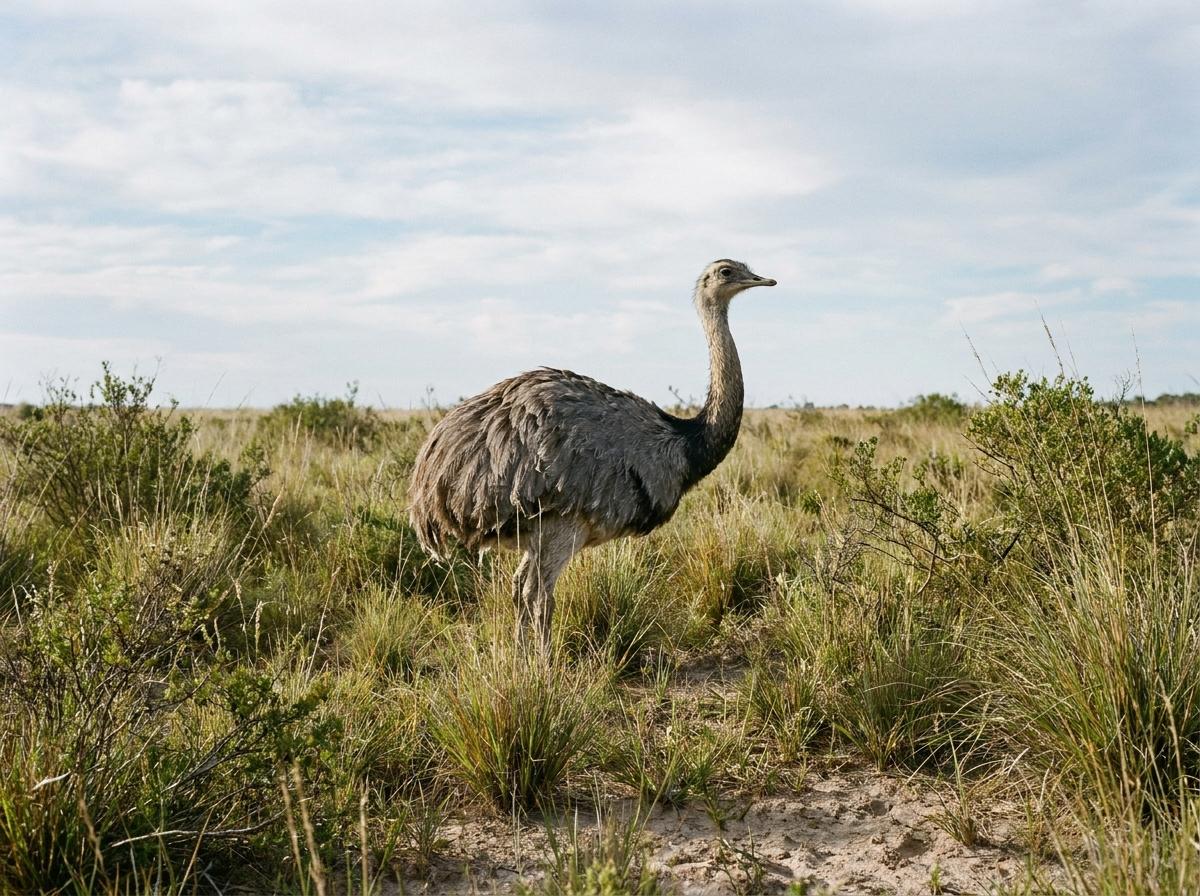
The rhea most often meant by Rhea americana is the greater rhea, a large flightless ratite of South American grasslands, scrub, and open savanna. It resembles a small, gray-brown ostrich but has three toes, no showy tail plumes, and soft body feathers suited to running through open country. Native range includes parts of Brazil, Argentina, Uruguay, Paraguay, and Bolivia. In the breeding season, males build nests, court several females, incubate mixed clutches, and defend the chicks, a reproductive pattern that surprises people used to domestic poultry.
Rheas are kept on farms, in zoos, and occasionally by private owners who have suitable land and permits. They need tall, visible fencing, pasture or dry lots with shelter, ratite-formulated feed, and handling systems that reduce kicking and collision injuries. Chicks are sensitive to chilling and poor footing, while adults can be hard on weak gates during breeding season. Production herds may be managed for meat, leather, oil, feathers, or eggs, but markets are regional and inconsistent. Where rheas escape outside their native range, managers may treat them as feral wildlife rather than livestock.