


Polar Bear
Ursus maritimus
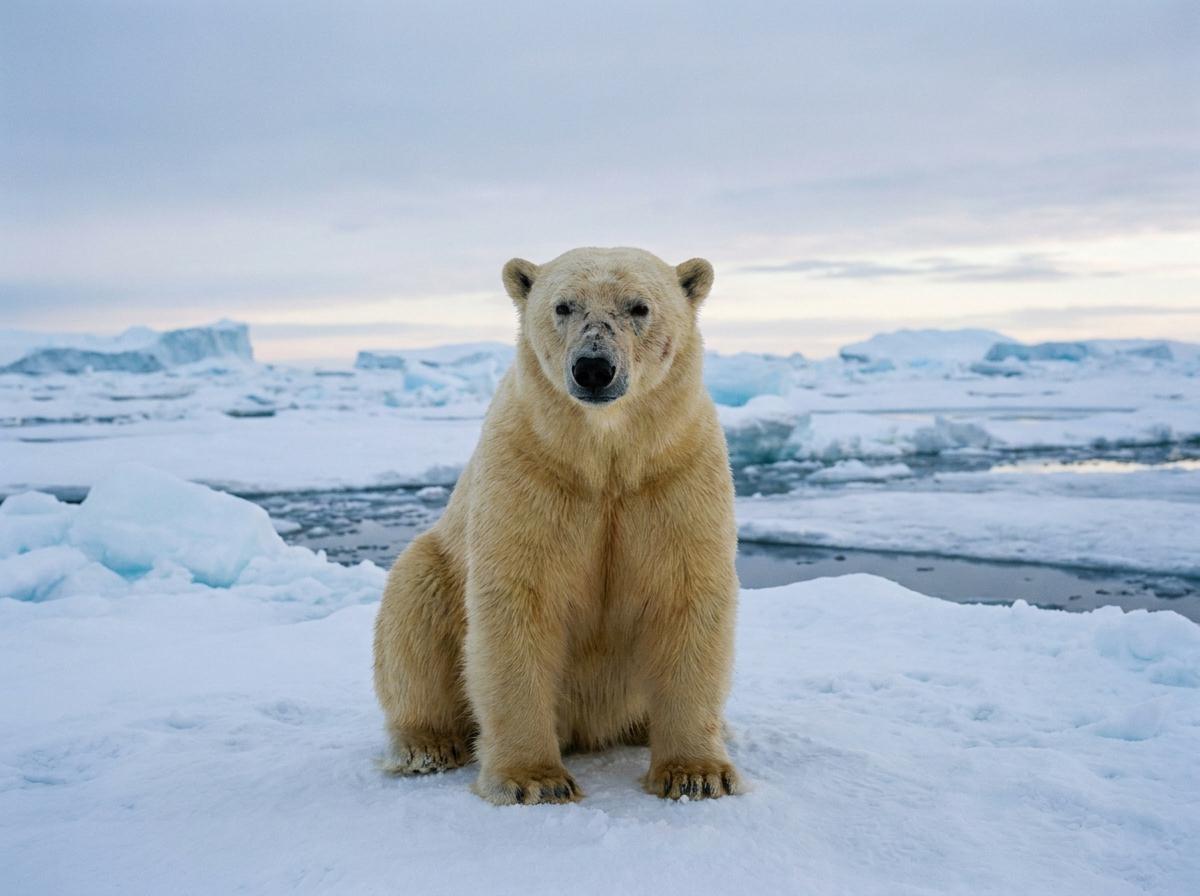
The polar bear (Ursus maritimus) is the largest living bear species, adapted to Arctic sea ice where it hunts seals, travels over snow and water, and depends on seasonal access to frozen marine habitat. Its white coat, black skin, large paws, and strong swimming ability all reflect a life tied to cold coasts rather than inland forest. Although closely related to brown bears, polar bears are more specialized predators, and the condition of sea ice strongly affects feeding opportunity, reproduction, and cub survival.
Polar bear management is limited to professional settings: accredited zoos, wildlife agencies, Arctic community programs, research teams, and rehabilitation or sanctuary contexts. Facilities that house them need cold-weather planning, deep pools, heavy-duty barriers, scent and food enrichment, and veterinary programs prepared for large carnivore anesthesia and dental, foot, and metabolic health. Conservation work includes field monitoring, conflict reduction around settlements, protected denning areas, and climate-linked population research. Private ownership is not a normal or appropriate context for the species, and any managed record should make origin, transfer history, and institutional responsibility clear.
Colors: Wild Type