


Nile Crocodile
Crocodylus niloticus
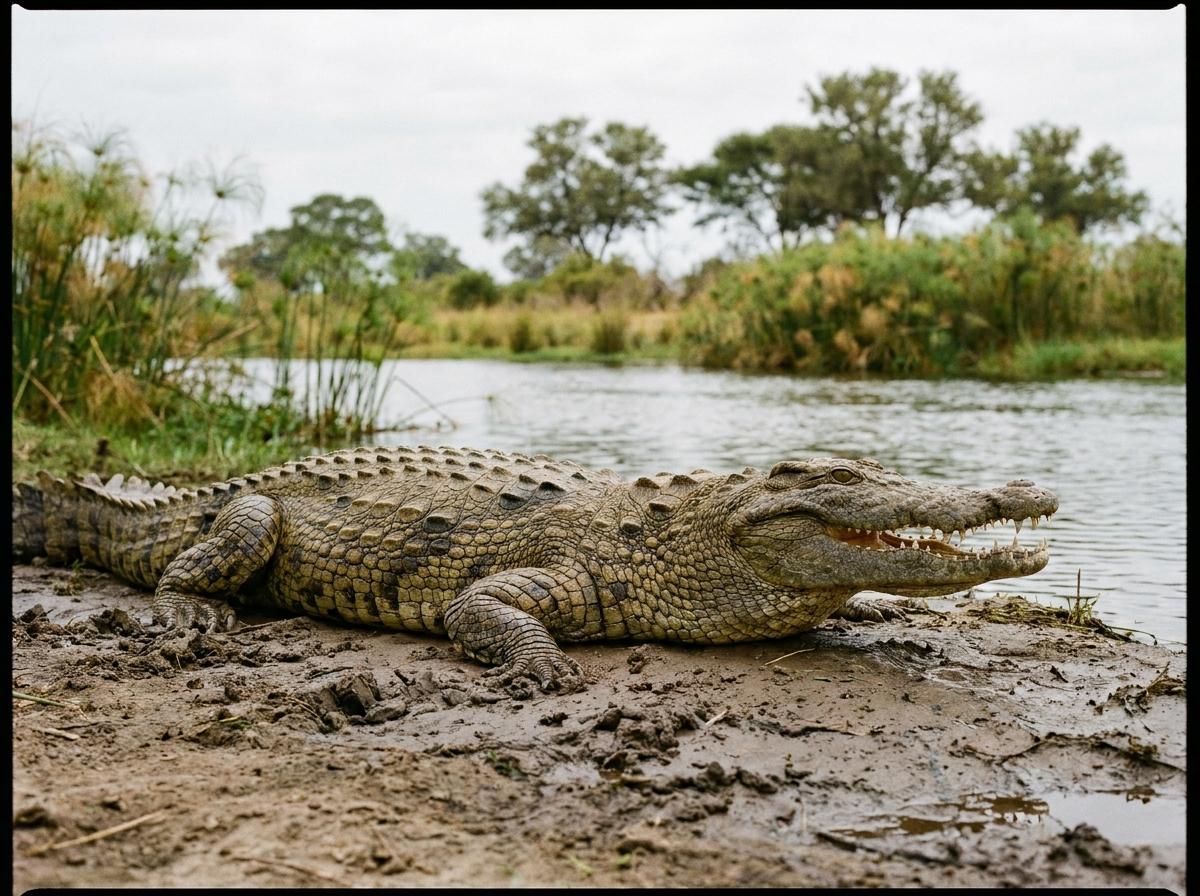
The Nile crocodile, Crocodylus niloticus, is one of Africa's largest crocodilians, occupying rivers, lakes, wetlands, and reservoirs across much of sub-Saharan Africa and nearby regions. It has a powerful body, broad snout, armored back, and a life history built around ambush predation, basking, nesting banks, and maternal defense of young. Taxonomy and regional variation have been revised in recent years, but the Nile crocodile remains the familiar large crocodile of many African waterways. Its presence can shape both ecosystems and human safety planning.
Human management involves licensed crocodile farms, zoos, sanctuaries, conservation agencies, and conflict-response teams rather than ordinary private ownership. Facilities need secure barriers, warm basking areas, deep water, haul-out space, trained staff, and strict feeding and handling protocols. Farms may track growth, hide quality, breeding groups, and egg incubation, while conservation programs monitor nesting habitat, harvest rules, and population status. Communities near crocodile habitat often need practical risk reduction around fishing, water access, livestock watering, and rescue response. Legal controls are central because the species is dangerous and internationally regulated.
Colors: Wild Type