





Laboratory Mouse
Mus musculus
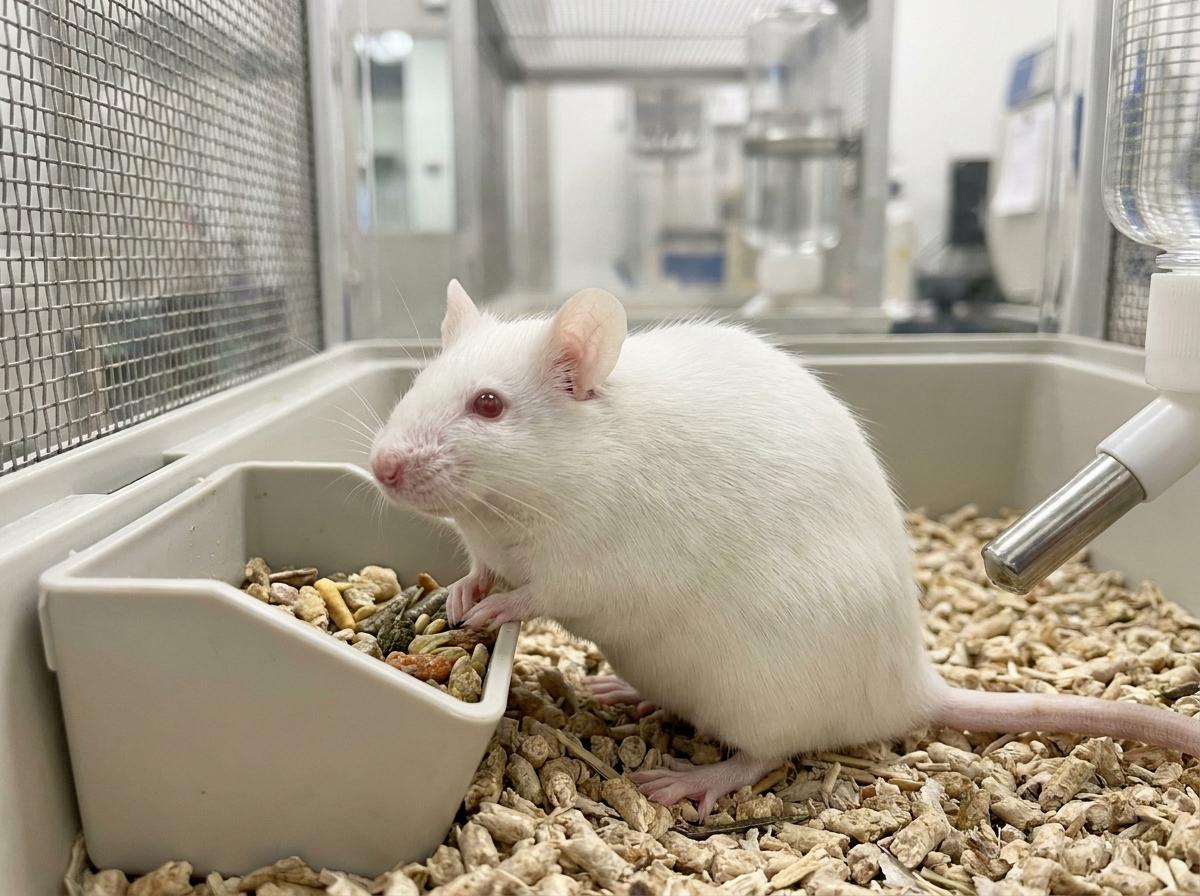
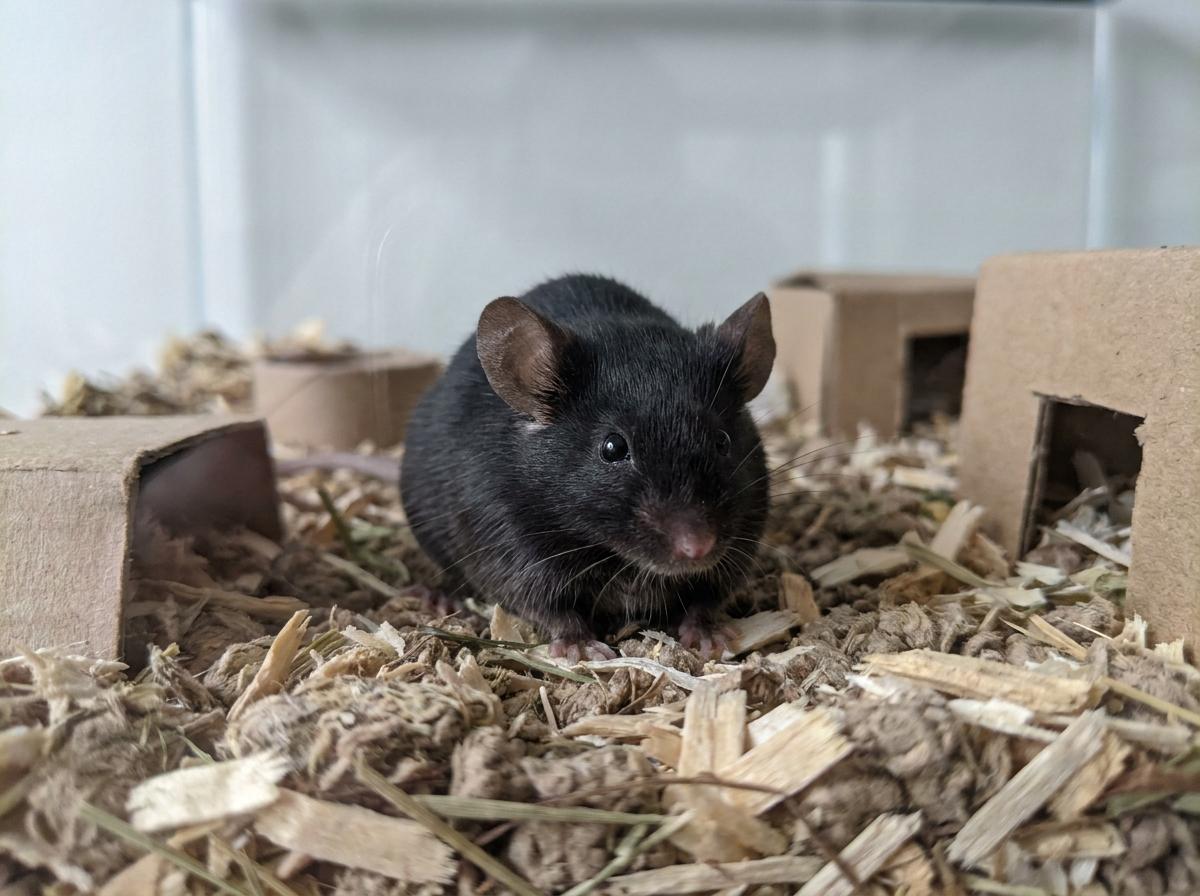
The laboratory mouse, Mus musculus, is a domesticated form of the house mouse used as a model mammal in biomedical, genetic, behavioral, and developmental research. It is small, fertile, and adaptable, with a short generation interval and well-described anatomy. Common lines include inbred strains such as C57BL/6 and BALB/c, outbred stocks, immunodeficient mice, and genetically engineered lines made to study specific genes or diseases. Coat color ranges from albino and black to agouti or patched, but the important differences among lab mice are often hidden in genotype, microbiome, temperament, and strain-specific health risks.
Managed colonies are housed in secure cages or ventilated rack systems with nesting material, gnawing items, measured diets, and controlled light cycles. Social housing is standard when compatible, while breeding setups, weaning age, and male aggression require close attention from trained staff. Specific pathogen-free programs rely on health monitoring, quarantine, and accurate cage records, because an unnoticed infection or strain mix-up can invalidate years of work. Fancy mice kept as pets share the species, but laboratory lines are maintained under research oversight and welfare rules that govern handling, procedures, breeding numbers, and humane endpoints.