


Impala
Aepyceros melampus
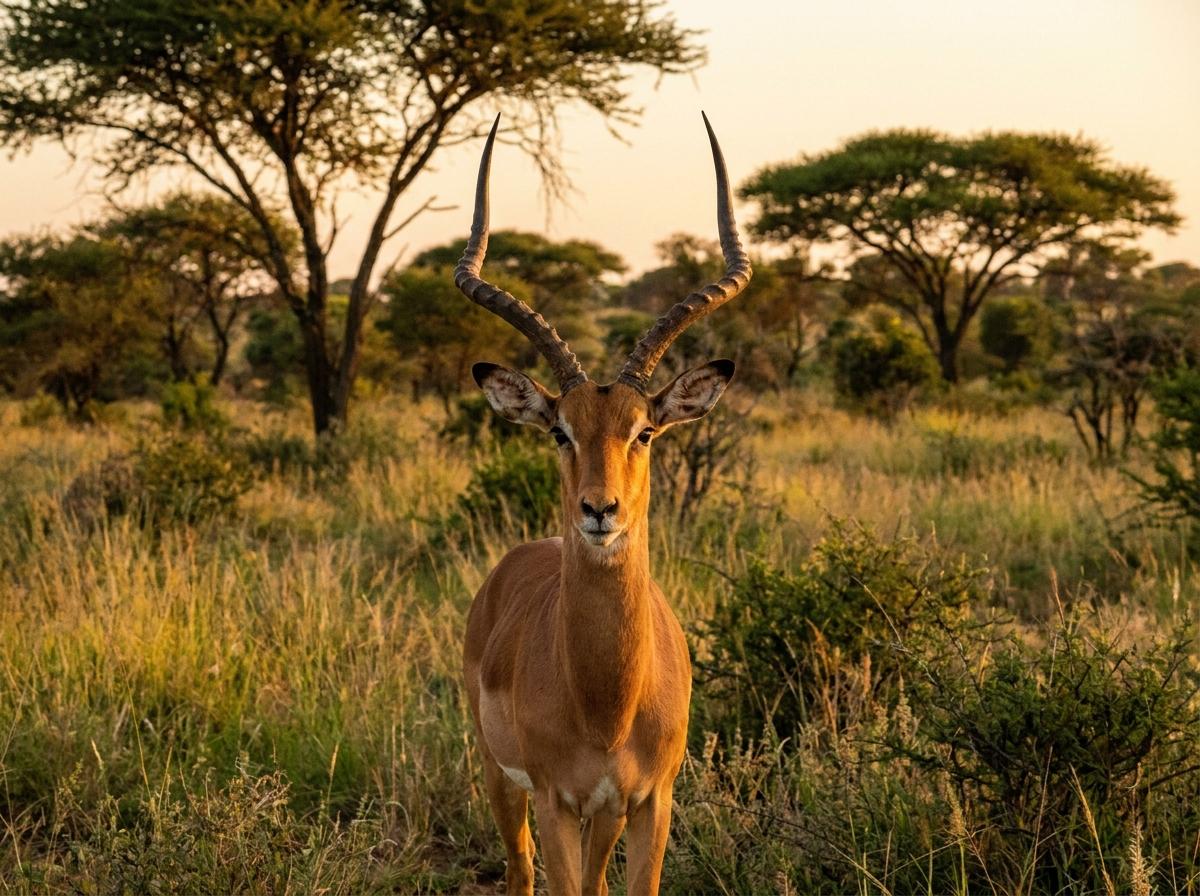
The impala is a medium-sized African antelope with a reddish coat, pale belly, black markings on the rump and lower legs, and lyre-shaped horns on males. Aepyceros melampus lives in savannas, woodland edges, and lightly wooded grasslands, where it can graze or browse depending on season. Herd structure changes through the year, with female groups, bachelor groups, and territorial males becoming especially visible during the rut. Its speed, high leaping, and tight herd reactions make it a familiar prey animal for many large carnivores, but also a species that needs space to move naturally.
In reserves, safari parks, and zoos, impala management depends on fencing, herd balance, nutrition, and low-stress handling. They are not built for small pens or frequent restraint, so raceways, visual barriers, and experienced capture teams matter. Mixed-species exhibits can work when hoofstock temperaments, parasite exposure, and feed competition are considered. Browse, hay, pasture, minerals, and careful body-condition checks help prevent both underfeeding and rich-diet problems. Population records, births, transfers, and male introductions are useful because social pressure can rise quickly when too many mature males compete in limited space.
Colors: Black, Black and White, Brown, Cream, Gray, Red, Tan, White, Wild Type