


Warlander Horse: Baroque Breed Profile, Traits, and Buying Guide
Author: Elliott Garber, DVM
The Warlander is a modern baroque horse created by crossing the Friesian with a purebred Iberian breed, most often the Andalusian (Pura Raza Española) or the Lusitano. The goal, set out by breeders in Australia in 1990, was to rebuild the kind of proud, collected, elevated-moving horse that fills the classical riding manuals of the seventeenth and eighteenth centuries, using two living breeds that still carry that baroque stamp. The result is a striking, powerfully built horse with an arched crested neck, a kind and expressive eye, abundant mane and tail, and naturally cadenced paces. It is not a warmblood and not a sport-horse registry cross. It is a deliberate baroque type, prized above all for dressage and classical work. This page covers where the Warlander comes from, how to recognize one, its temperament and the disciplines it suits, the registry rules that actually define the breed, and what to weigh before you buy.
What is a Warlander?
A Warlander is the offspring of a Friesian and a purebred, registered Iberian horse. According to the breed registries, that Iberian parent can be an Andalusian (the Pura Raza Española, or PRE), a Lusitano, a Menorquin, or a recognized cross of Spanish and Portuguese lines, but it cannot be some other breed standing in for one. The Friesian parent, in turn, must be a pure Friesian registered with a recognized Friesian studbook such as the Friese Paarden Stamboek (FPS) in the Netherlands or the Friesian Horse Association of North America (FHANA). In other words, the Warlander is defined by its parentage, and both sides of that parentage have to be the real thing.
That parentage is not random. Both the Friesian and the Iberian horses are what enthusiasts call baroque breeds, the compact, upheaded, powerfully built type that European royalty and riding masters favored in the sixteenth through eighteenth centuries for haute ecole and for war and parade. There is even a historical thread connecting them: during the sixteenth century the Low Countries were under Spanish rule, and Iberian horses brought north are thought to have influenced the development of the Friesian itself. Crossing the two, then, is less an invention than a reunion of related stock, aimed at a single modern purpose.
If you are still comparing baroque and sport types, the broader Creatures horse species page is a useful place to set the Warlander alongside other breeds before you commit to one.
Origin and history
The Warlander is genuinely modern. By the current account from the Warlander Studbook Society, Karen-Maree Kaye of Classical Sporthorse in Western Australia coined the name, developed the breed standard, and bred the first Warlander around 1990. You will also find a widely repeated story that the horse was named after a stud veterinarian, Warwick Vale; that version lives in legacy and secondary material rather than in the current WSS history, so treat it as disputed. Either way, this is not an ancient landrace with centuries of village breeding behind it. It is a purpose-built composite, created within living memory by breeders who wanted a contemporary version of the classical baroque horse rather than a historical reenactment of one.
That recent origin shapes almost everything about the breed today. Because it remains uncommon, the Warlander does not have the deep, sprawling population of an established warmblood or of its own Friesian and Iberian parents. Most registered Warlanders are first cross (F1) animals, a Friesian bred directly to an Iberian, and comparatively few horses are second generation (F2) or beyond. Wikipedia’s account of the breed notes that F1 crosses benefit from hybrid vigor, while the very small number of F2 and later horses means there is still limited data on how those later generations breed on. For a buyer, the practical takeaway is simple: most Warlanders you meet will be a straightforward Friesian by Iberian cross, and the breed’s studbooks exist largely to keep that cross honest.
What a Warlander looks like
The Warlander is a baroque horse through and through, and a well-bred one is hard to mistake for a modern sport horse. A few features give it away.
- Baroque build. Expect a deep, rounded body, sloping strong shoulders, and powerful, well-muscled hindquarters that let the horse carry weight behind and lift in front. This is a horse built for collection rather than for raw ground-covering speed.
- Arched, crested neck and noble head. The upheaded, arched neck is one of the breed’s signatures, carried proudly and often heavily crested in stallions. The head is refined and expressive, usually with a large, kind eye, blending Iberian elegance with Friesian presence.
- Abundant mane, tail, and some feathering. Warlanders typically carry a thick, long mane and tail. The legs should have good depth of bone, and many horses show at least slight feathering, the long hair at the back of the lower leg inherited from the Friesian side. How heavy that feather is depends on how much Friesian influence a given horse carries.
- Baroque size, not warmblood size. The standard deliberately keeps the Warlander in a baroque range. Under the current Warlander Studbook Society standard, adopted in 2022, the accepted height is 15.1 to 16 hands, and a horse under 15.1 hands does not pass. Older figures you will still find quoted online, such as a 14.3 minimum or a 17 hand ceiling, come from the legacy standard and are not the current rule. Breeders are encouraged to hold the baroque type rather than drift toward a big modern sport horse.
Color is worth a note of its own. Because the Friesian is always black, solid black tends to dominate and is the most common and most sought-after Warlander color. But the Iberian side brings in other possibilities, so bay, grey, and chestnut Warlanders also occur and are perfectly legitimate. A horse’s color says nothing about its quality as a Warlander; a correct bay is worth far more than an incorrect black.

Movement and temperament
Where the Warlander really shows its breeding is in how it moves and how it thinks.
Paces. The breed inherits natural collection and elevated, cadenced paces from its Iberian parent, combined with the strong hindquarter engagement and rounder, ground-covering stride of the Friesian. A good Warlander tends to move uphill, with plenty of knee and hock action and a natural ability to shorten and elevate, which is exactly the raw material a dressage or classical rider wants. It is the movement, more than any single physical point, that people buy the breed for.
Temperament. By registry description and by broad reputation, the Warlander is willing, people-oriented, and intelligent, and importantly it is not a hot horse. The intention behind the cross is to blend the calm, human-focused nature of the Friesian with the courage and energy of the Iberian, producing a horse that is responsive and brave without being flighty. Breeders often describe these horses as quick to learn and genuinely wanting to work with the rider. Treat that as the breed’s aim and general reputation rather than a guarantee for every individual: temperament always varies with the specific horse, its handling, and its training, and a young stallion is a different ride from a schooled gelding regardless of breed.
What Warlanders are used for
The Warlander was created for classical work, and that is still where it shines.
- Dressage. This is the headline discipline. The breed’s natural collection, cadence, and trainable temperament make it well suited to modern competitive dressage as well as to classical high-school work. Many Warlanders are bred specifically with the dressage arena in mind.
- Classical and working equitation. The same qualities lend themselves to classical equitation, including the collected movements and, in the most talented and well-schooled horses, the advanced airs associated with the Iberian and Spanish Riding School traditions. Working equitation, which rewards exactly this blend of collection, obedience, and agility, is a natural fit.
- Driving. The Friesian influence gives many Warlanders the presence, strength, and showy action that make a good driving horse, and some compete successfully in harness.
- Broad riding-horse roles. Beyond the classical arena, the breed’s sensible temperament means Warlanders also turn their hoof to modern equitation, leisure riding, and even western-style disciplines such as reining in some homes. It is genuinely versatile, though it is a baroque riding and driving horse at heart, not a specialist jumper or a speed breed.
Care and management
A Warlander is cared for much like any other large, athletic riding horse, with a couple of points that follow from its baroque build and its Friesian ancestry. None of this replaces hands-on advice from your own veterinarian and farrier, who can see the individual horse.
Turnout and company. Like all horses, Warlanders do best with daily turnout, forage-based feeding, and the company of other horses. They are social, people-oriented animals, and time out of the stable matters for both physical and mental health.
Feet and feathering. The feathering on the lower legs is part of the breed’s appeal, but it needs attention. Feather can trap moisture and mud and, if neglected, predispose the skin to irritation and conditions such as the chronic dermatitis horse owners call “mud fever,” so those legs need to be kept clean and dry and checked regularly. Farriery is individual; because these are substantial horses carrying real weight, some benefit from careful or remedial shoeing, and a good farrier relationship is worth having from the start.
Health and records. Standard equine health management applies: a vaccination and deworming plan suited to your region, routine dental and hoof care, and sensible feeding to avoid the metabolic problems that heavier, easy-keeping horses can be prone to. Because the Warlander is a young composite breed, responsible studbooks are open about hereditary conditions they screen against; the Warlander Studbook Society, for example, lists concerns such as cryptorchidism, dwarfism, and hydrocephalus among the defects it works to avoid. That is a point in the breed’s favor, not against it, because it means the people maintaining it are watching for these things. Ask any breeder how they screen. Keeping clear health, farriery, and breeding records for your own horse makes these conversations, and your vet’s job, far easier. Defer every medical decision and any medication to a veterinarian who has examined the animal.
Lifespan. There is no reliable breed-specific lifespan figure for a population this young and this small, so treat the Warlander as you would any well-cared-for riding horse. With good management, horses commonly live into their late twenties, but that is a general expectation rather than a promise tied to the breed.

Registries and breeding reality
Because the Warlander is defined by its parentage rather than by a closed herdbook stretching back centuries, its registries do real work. They are what keep a “Warlander” from becoming a vague label for any dark, hairy crossbred.
The registry picture is simpler than it looks, and it is commonly misreported as a set of competing bodies. The Australian-based Warlander Studbook Society is the current mother studbook. The International Warlander Society and Registry is not a separate parallel organization today: it managed the registry from 2000 to 2012 and was then renamed, becoming the WSS, so references to the IWSR are references to the former name, and historical IWSR registrations are recognized on that basis. In Europe, the Bayerischer Zuchtverband fur Kleinpferde und Spezialpferderassen is the recognized registry, and WSS accepts WSS and BZVKS paperwork. The essentials of the standard are consistent: both parents must be pure and registered (a recognized Friesian on one side, a recognized Andalusian, Lusitano, or other approved Iberian on the other), and the resulting horse must sit between 25 percent and 75 percent of either base breed, so it can never be mostly one thing with a token dash of the other. The height rule described above serves the same goal of holding the breed to a baroque type.
For anyone thinking about breeding, a few realities follow from all this. Most Warlanders are F1 crosses, and producing one means standing or accessing a quality purebred on each side, which is not trivial given how relatively few top Friesians and Iberians there are. Breeding Warlander to Warlander (producing F2 and later horses) is still uncommon, and because the population of such horses is small, breeders proceed carefully. If you intend to breed, registering with a recognized studbook and following its inspection and screening process is the difference between contributing to the breed and simply producing crossbred foals. If you manage a stud or run your breeding with others, you can set up an organization profile on Creatures to keep your program, team, and animals in one place; the help center walks through creating an organization and adding your team.
Finding and buying a Warlander
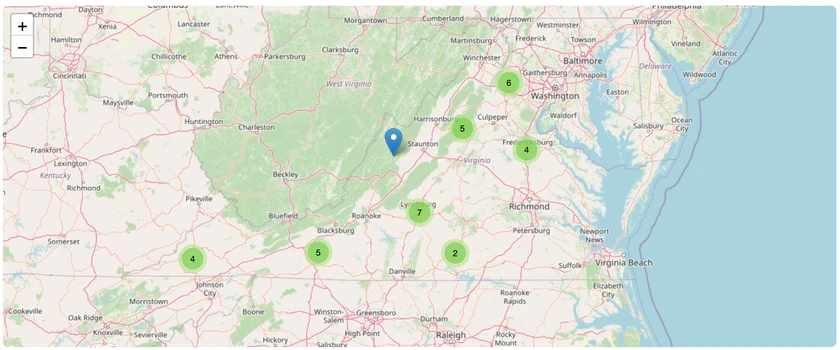
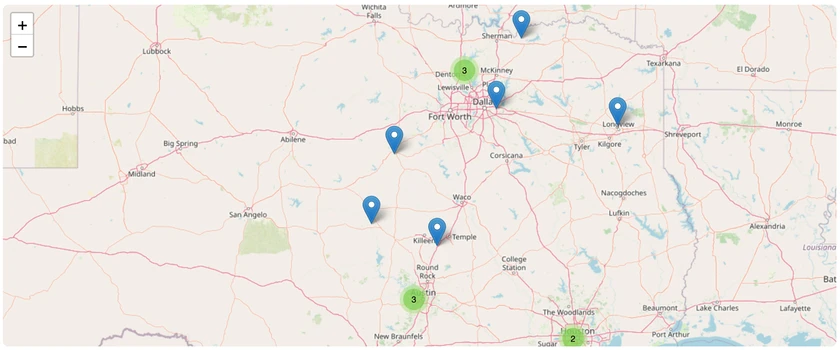
The honest headline is that Warlanders are uncommon. This is a boutique breed with a small worldwide population, concentrated wherever dedicated breeders have set up, so you should expect a limited pool of horses rather than pages of listings, and you may need patience or some travel to find the right one.
A few things are worth doing before you buy.
- Confirm the parentage and papers. Because the whole definition of the breed rests on registered pure parents, ask to see the registration of both the sire and dam and the horse’s own Warlander registration. A horse casually advertised as a “Friesian cross” is not necessarily a registered Warlander.
- Buy for the job, not just the look. Black and hairy is photogenic, but if you want a dressage partner, the movement, trainability, and soundness matter far more than color or the volume of feather. Ride the horse, or have it ridden, and judge the paces and temperament for yourself.
- Vet the horse, and mind the feather. A pre-purchase examination by an equine veterinarian is standard sense for a horse at this price point. Have the feet and lower legs assessed, since heavy feather and substantial bone come with their own maintenance.
- Ask how the breeder screens. Given the hereditary conditions the studbooks track, a serious breeder should be able to tell you plainly how they select against them.
You can browse current Warlander listings on the Creatures marketplace and look for breeders and farms in the Creatures directory. Because genuine Warlanders come up for sale infrequently, a saved listing alert (below) is often the most practical way to catch one when it is posted rather than checking back by hand.
If you like reading breed profiles like this one, the Creatures library has plenty more, including some far-flung ones: the flock-guarding Kurdish Mastiff and the remarkably prolific Taihu pig are two good examples of breeds shaped, like the Warlander, by very specific human goals.
Frequently asked questions
What two breeds make a Warlander?
A Warlander is a Friesian crossed with a purebred, registered Iberian horse, most often an Andalusian (Pura Raza Española) or a Lusitano, though a Menorquin or a recognized Spanish and Portuguese cross also qualifies. Both parents have to be pure and registered for the foal to be a true Warlander.
Is a Warlander a rare breed?
Yes, in practical terms. It is a modern composite breed with a small worldwide population, named only in 1990, so it is far less common than either of its parent breeds and much less common than an established warmblood. Expect a limited number of horses for sale at any one time.
How big do Warlanders get?
The current Warlander Studbook Society standard, adopted in 2022, accepts 15.1 to 16 hands, and a horse under 15.1 hands fails the standard. Ignore the 14.3 minimum and 17 hand ceiling still floating around online; those are legacy figures from the older standard. The aim throughout is to hold a baroque type rather than a large modern sport horse.
Are Warlanders always black?
No. Black is the most common and most desired color because the Friesian parent is always black, but bay, grey, and chestnut Warlanders occur through the Iberian side and are entirely legitimate.
What are Warlanders good for?
Above all, dressage and classical or working equitation, thanks to their natural collection, elevated paces, and willing temperament. Many also drive well, and their sensible nature makes them capable general riding horses.
Are Warlanders good for beginners?
Their calm, people-oriented temperament can make them pleasant to be around, but they are large, athletic, and often keenly trainable baroque horses, and many are young or bred for serious dressage work. A beginner can do well with the right individual and good instruction, but you should match the specific horse’s age and schooling to your experience rather than choosing on breed reputation alone.
Do this next on Creatures
Whether you are researching the breed, hunting for a genuine registered horse, or already keeping a Warlander, Creatures is the records, marketplace, and directory layer to do it in one place.
Compare the breed. See how the Warlander sits against other breeds on the Creatures horse species page before you commit.
Find a horse. Browse Warlanders on the marketplace and search trusted breeders and studs in the Creatures directory. New to the marketplace? Read saving searches and using your watchlist.
Get alerted. Genuine registered Warlanders come up rarely, so set a free Warlander listing alert and we will tell you when one is posted. No account needed to start.
Add your horse. Already own a Warlander? Create a free animal profile in a few minutes. The walkthrough is in adding an animal to Creatures.
Track training and health. Keep farriery, vaccination, and schooling records on Creatures. The record sheet opens for any visitor to look around, and you will need a free account to save what you enter. See adding a record for the full how-to.
List your stud. Breed or stand Warlanders? Set up your organization profile and get listed in the breeder directory so buyers looking for this hard-to-find breed can reach you. If you run your program with a team, see creating an organization and adding your team.
Explore more breeds. Working through the Creatures library? The Kurdish Mastiff and the Taihu pig are two more breed profiles shaped by very deliberate human goals.