

Galapagos Giant Tortoise
Chelonoidis niger
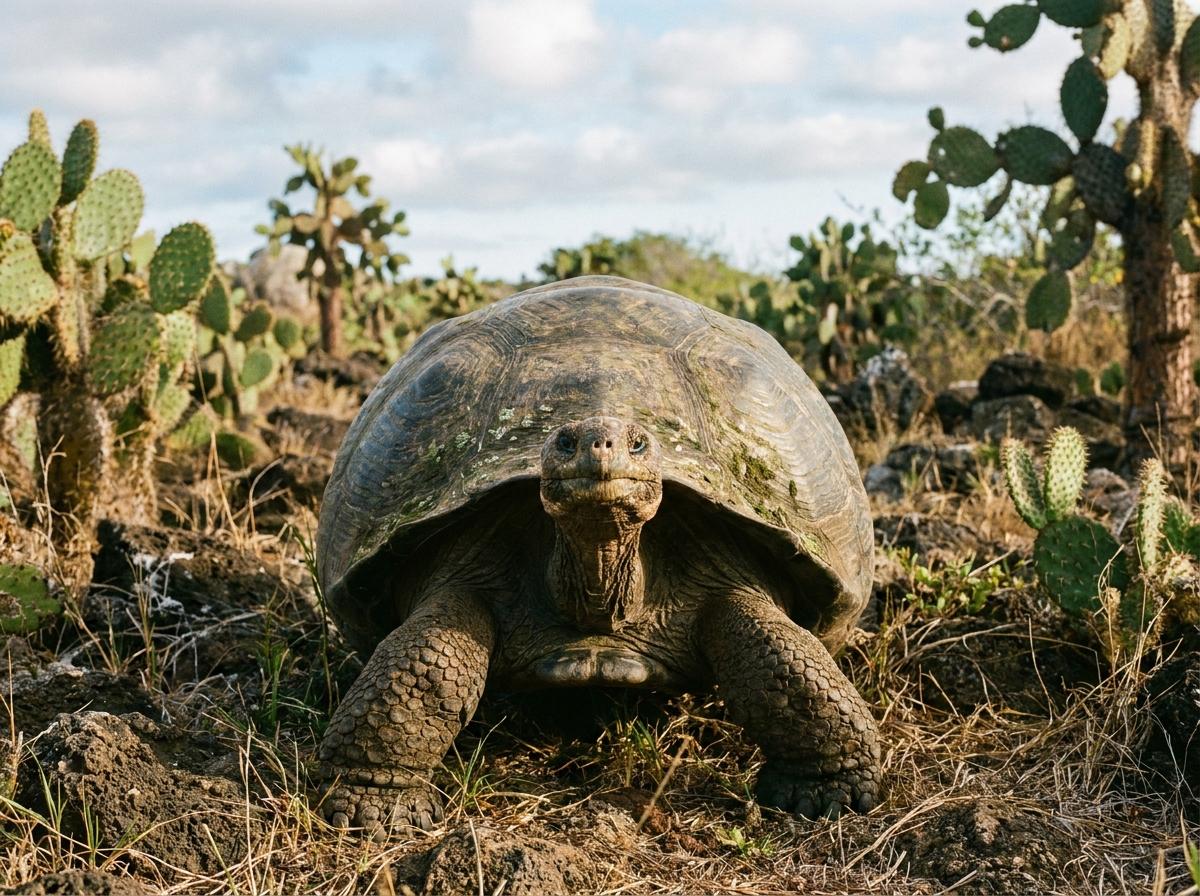
The Galapagos giant tortoise (Chelonoidis niger complex) is the large, long-lived tortoise associated with the Galapagos Islands, where different island and volcano populations developed distinct shell shapes and body sizes. Saddleback forms have raised front shell openings and long necks for browsing higher vegetation, while domed forms are better suited to ground-level grazing in wetter areas. Taxonomy and population names have changed as genetics clarified relationships among surviving and extinct lineages.
Galapagos giant tortoise programs depend on conservation breeding, habitat restoration, and careful decisions about moving animals among islands or facilities. Tortoise centers incubate eggs, rear young until they are less vulnerable, and release them where invasive predators, fire ants, or habitat damage are under control. Captive care calls for large outdoor space, grazing and browse, warm basking areas, shade, mud wallows or soaking, and long-term veterinary planning. Records of island origin and parentage are essential because mixing lineages can weaken conservation value even when animals look similar.
Colors: Wild Type