

Fallow Deer
Dama dama
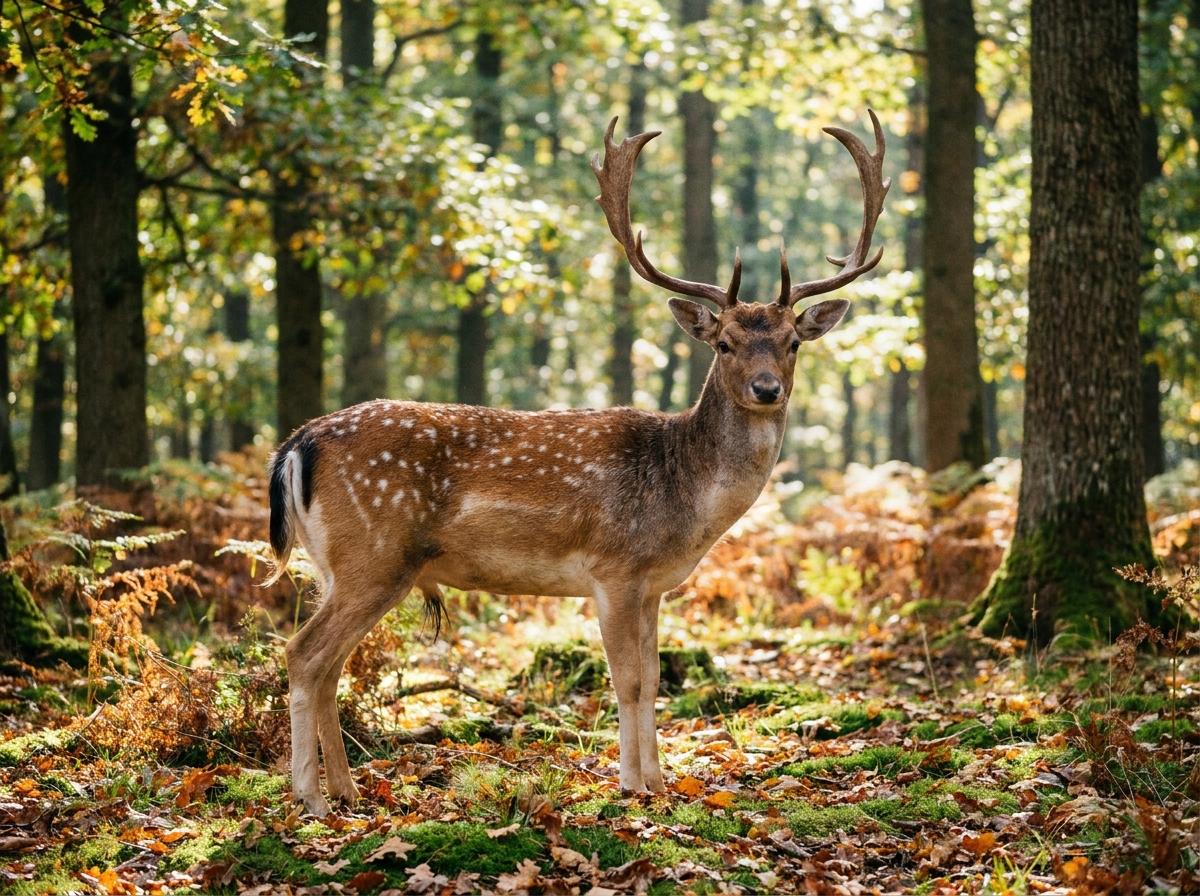
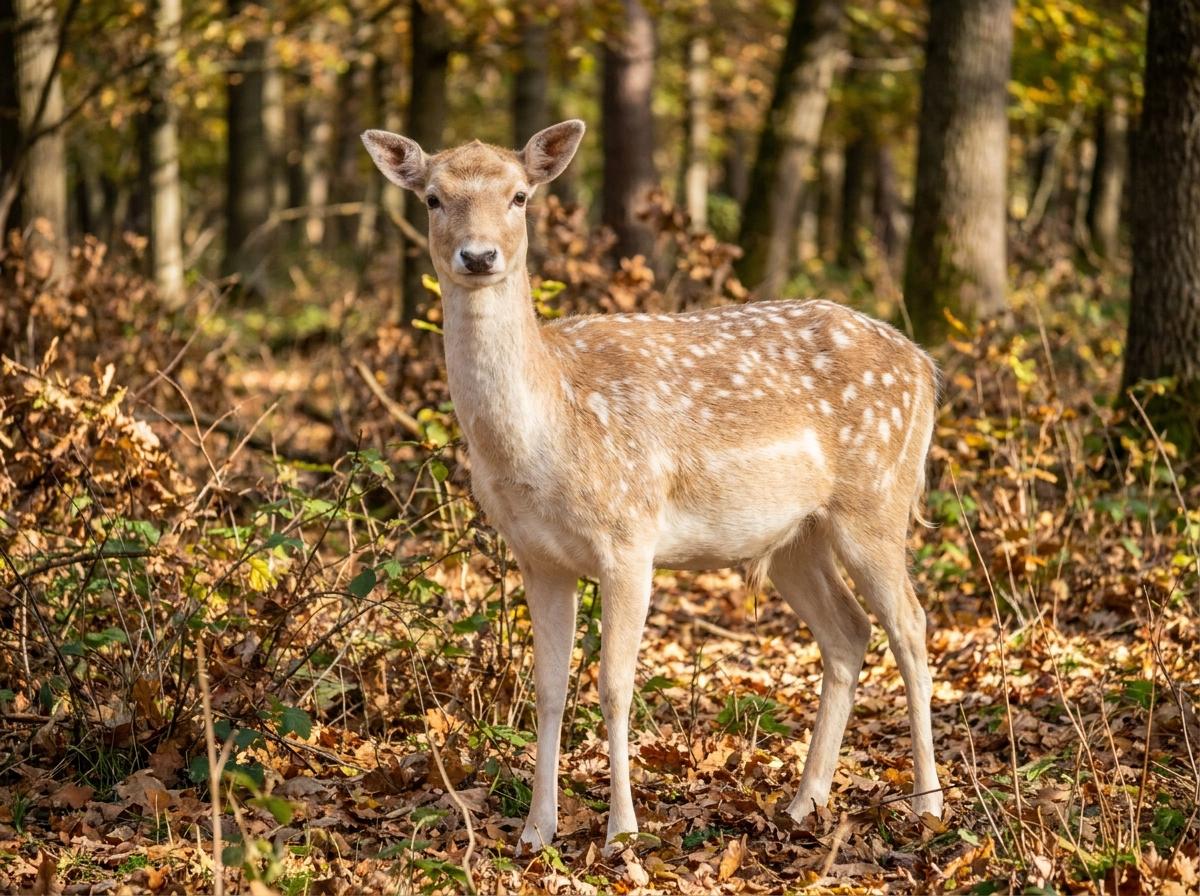
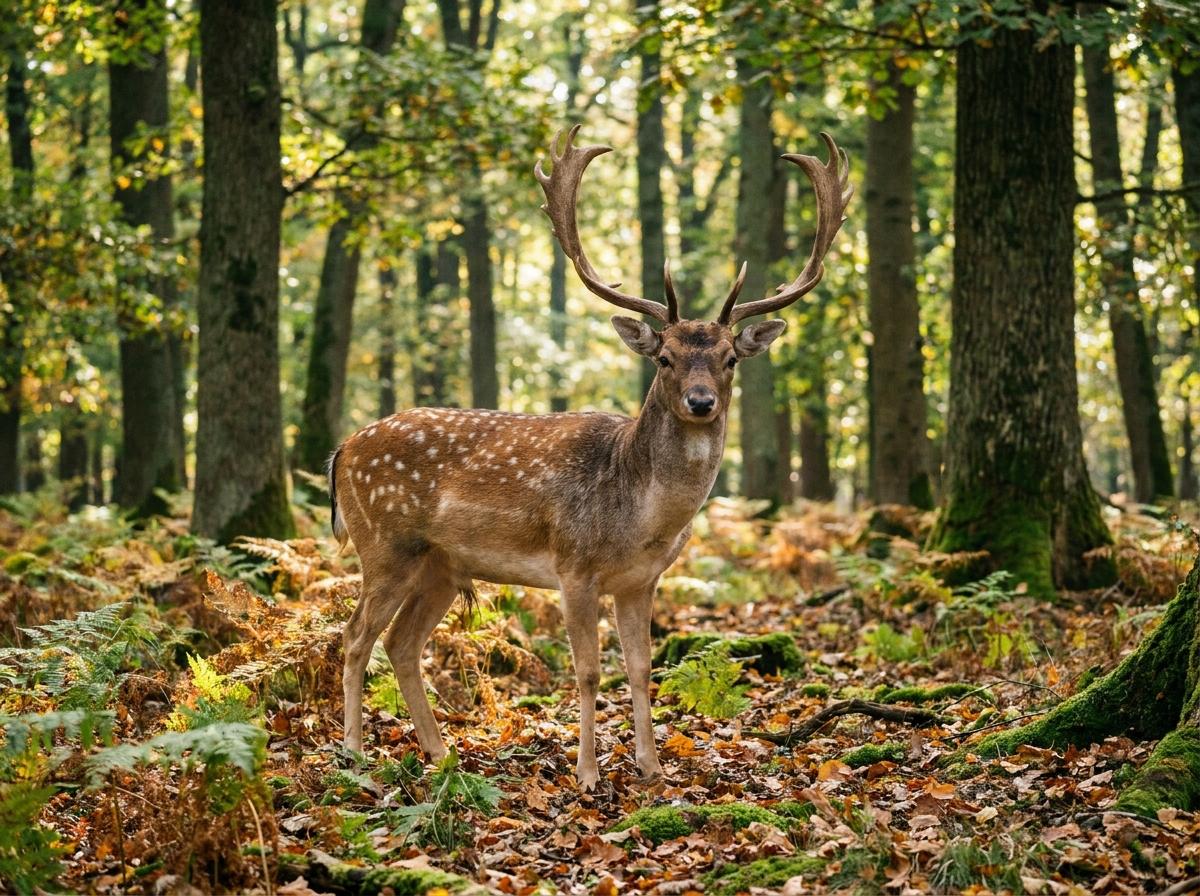
The fallow deer, Dama dama, is a medium-sized deer associated with the Mediterranean region and long introduced through parks, estates, and hunting landscapes across Europe and beyond. Bucks carry broad palmate antlers as adults, while does are smaller and lack antlers. Coat color is highly variable: the familiar summer-spotted form is common, but menil, melanistic, and white animals also occur in managed and wild herds. During the autumn rut, bucks groan, scent-mark, display, and may defend stands or lek-like areas where does pass through.
Fallow deer are kept in deer parks, farms, wildlife collections, and sanctuaries, and free-ranging populations are managed in many countries. They need secure high fencing, room for grazing and browsing, shelter from heat and severe weather, and handling systems that reduce panic and injury. Herd density matters because fallow deer can heavily browse woodland regeneration and compete with other grazers. On farms they are mainly raised for venison or estate management rather than as pets. Movement, culling, escape response, and disease monitoring are usually governed by local wildlife or livestock rules.