

Alpine
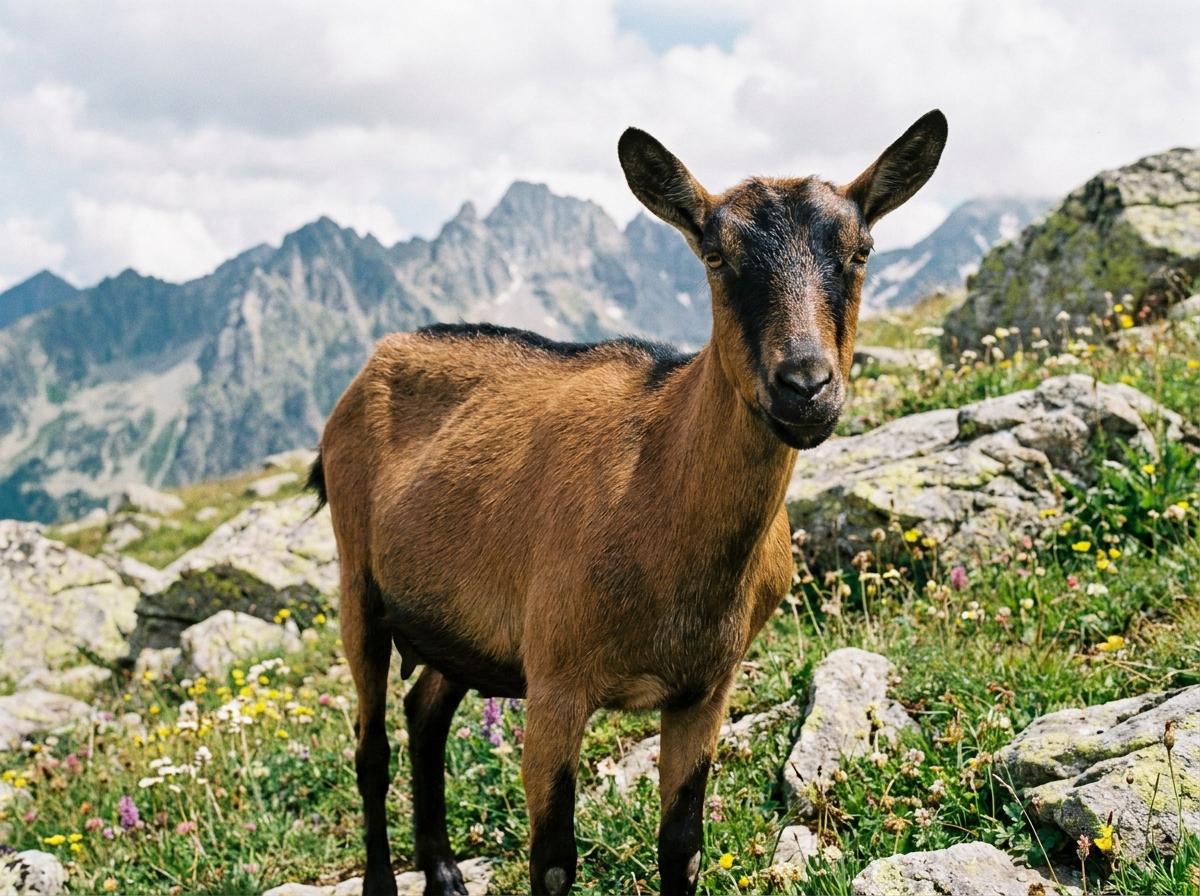
The Alpine chamois is the mountain form of the chamois most closely associated with the European Alps, often treated as Rupicapra rupicapra rupicapra within the wider chamois species. It is a compact, agile goat-antelope with short hooked horns in both sexes, a pale face crossed by dark cheek bands, and a coat that shifts from lighter brown in summer to darker gray-brown or almost black along the back in winter. Alpine animals use steep grass, rock, dwarf pine, and high forest edges, moving seasonally as snow and forage change.
People encounter Alpine chamois mainly through wildlife management, protected-area monitoring, hunting programs, and occasional zoo or sanctuary care rather than private ownership. Managers track herd size, sex and age structure, winter survival, and disease issues such as mange, while also limiting disturbance on winter ranges and kidding areas. In captivity they need secure, rocky enclosures, room to climb, browse and hay-based rations, and low-stress handling because they are nervous, powerful mountain ungulates.
Colors: Dark Brown, Gray-Brown in Winter, Light Brown in Summer