

Rainbow Trout
Oncorhynchus mykiss
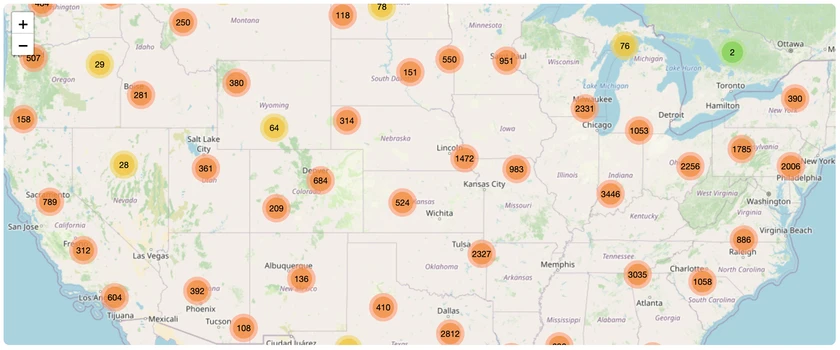
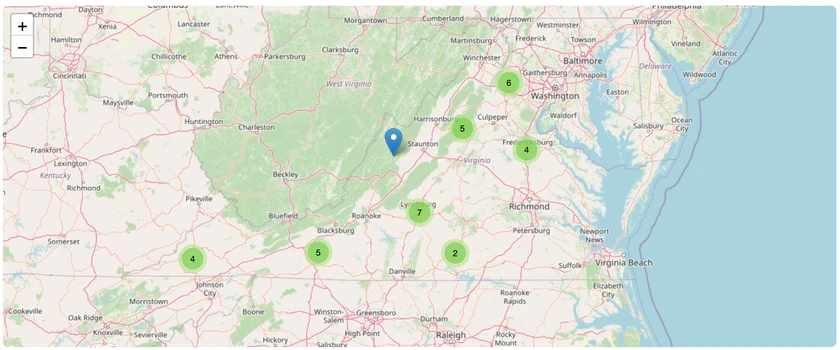
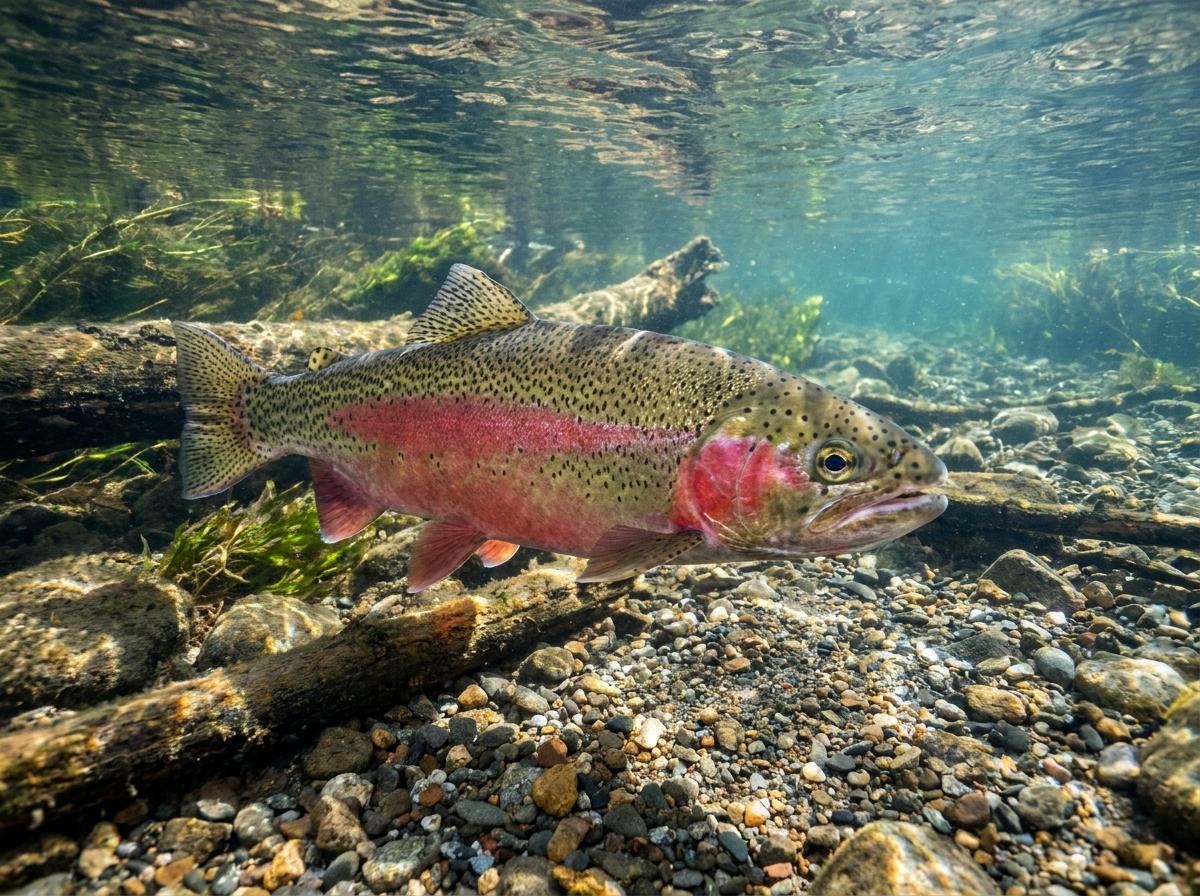
The rainbow trout (Oncorhynchus mykiss) is a coldwater salmonid native to Pacific drainages of western North America and northeastern Asia. Resident freshwater fish are commonly called rainbow trout, while sea-run forms are known as steelhead; both belong to the same species and can show varied life histories. Typical fish have black spotting, a pale belly, and a pink to red stripe along the side, though hatchery strains and color variants differ. Rainbow trout feed on aquatic insects, crustaceans, small fish, and drifting invertebrates in clear, oxygen-rich streams and lakes.
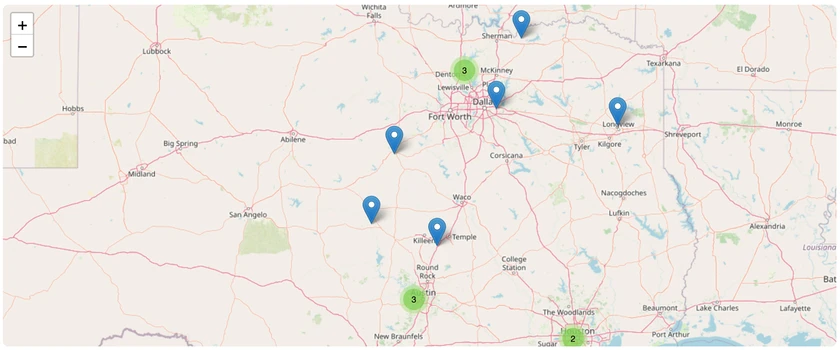
People manage rainbow trout for sport fishing, food production, research, and conservation, making it one of the most widely cultured salmonids. Hatcheries and farms rely on cold clean water, high dissolved oxygen, formulated feeds, disease monitoring, and careful stocking densities. Stocking programs require permits and planning because introduced trout can compete with native fish, spread pathogens, or interbreed with local salmonids. For pond owners and aquaculture buyers, water temperature is the limiting factor: warm, low-oxygen ponds quickly become unsuitable. Conservation work increasingly separates harvest-oriented hatchery strains from wild population recovery.