


Nine-Banded Armadillo
Dasypus novemcinctus
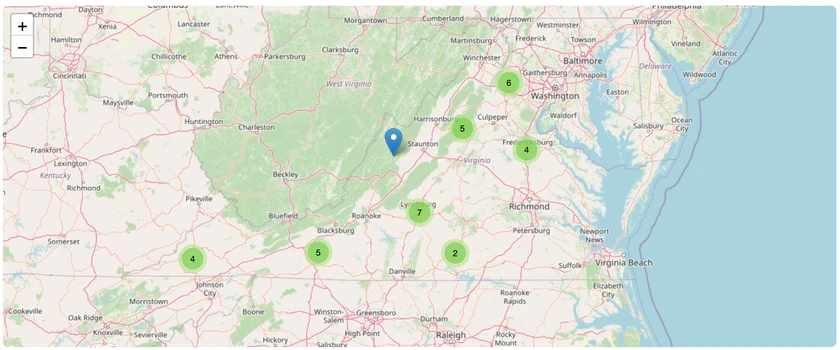
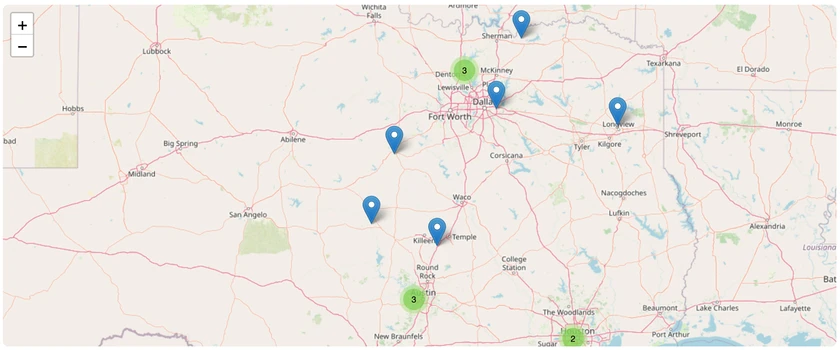
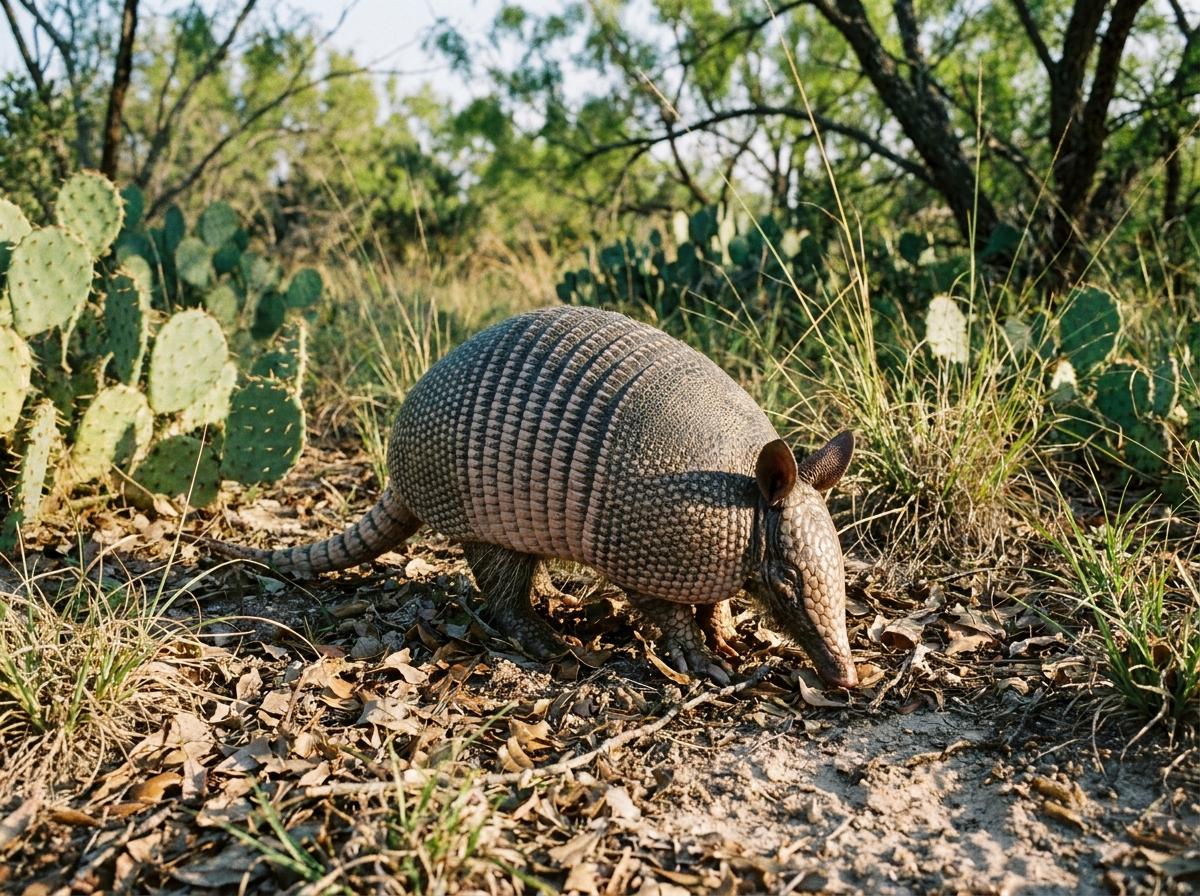
The nine-banded armadillo, Dasypus novemcinctus, is a small armored mammal native to the Americas and now widespread through much of the southern United States. It has bony plates, a pointed snout, strong digging claws, and a habit of rooting through soil for insects, worms, and other invertebrates. Despite the name, the number of flexible bands can vary slightly. One of its best-known biological traits is regular production of genetically identical quadruplets, which has made the species important in research as well as familiar in roadside and backyard encounters.
Human interaction with nine-banded armadillos is mostly wildlife management, rehabilitation, research, and nuisance prevention rather than pet ownership. They need soil, cover, and insect-rich habitat, so captivity is specialized and regulated in many settings. Homeowners usually manage conflicts by securing crawlspaces, reducing attractants, and repairing burrows rather than handling the animal. Wildlife rehabilitators must consider diet, temperature, digging behavior, and zoonotic disease precautions. Field researchers may track range expansion, road mortality, reproduction, and disease ecology. The species is resilient, but safe stewardship starts with limiting direct contact and respecting local wildlife rules.
Colors: Gray