


Mozambique Tilapia
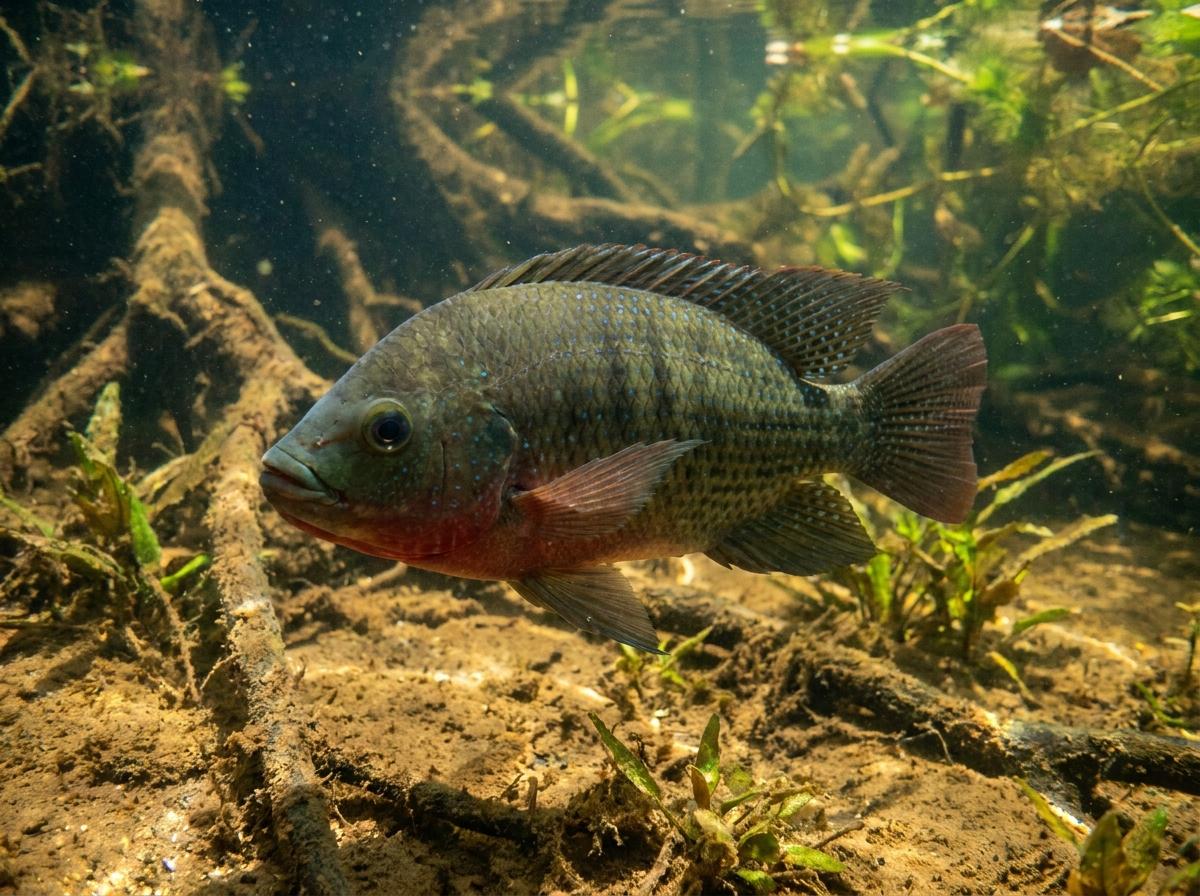
Oreochromis mossambicus
Mozambique tilapia, Oreochromis mossambicus, is a hardy cichlid from southeastern Africa that has been moved widely for aquaculture, weed control, and warm-water fish production. It has the deep tilapia body shape, strong mouthbrooding behavior, and tolerance for heat, poor water quality, and some salinity. Compared with Nile tilapia, it is often less favored for fastest commercial growth, but it remains important in hybrid programs and in regions where resilience matters. Its ability to establish outside its native range also makes it a species of ecological concern.
Aquaculture management usually focuses on broodstock control, stocking density, water temperature, dissolved oxygen, and preventing unwanted reproduction that can overcrowd ponds. Mozambique tilapia may be used in small farms, recirculating systems, research facilities, and hybrid breeding, but movement between waters should be handled cautiously because escapes can affect native fish communities. Producers compare strains for growth, feed conversion, salinity tolerance, and market size, while regulators may restrict possession or release. Good records help separate pure stock from hybrid lines and avoid accidental spread.