



Llama
Lama glama
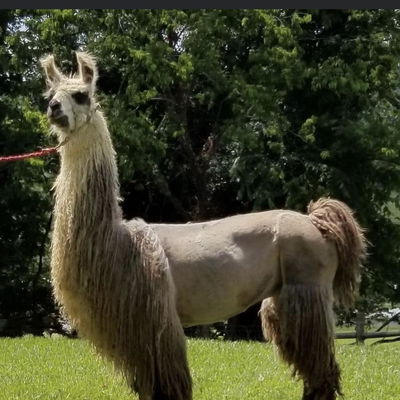
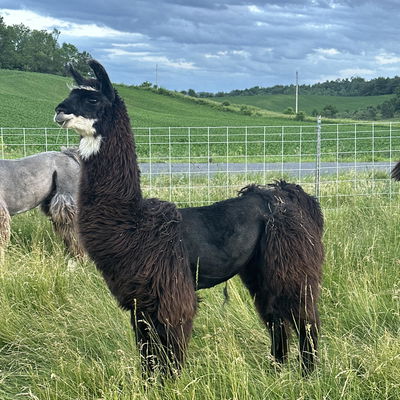
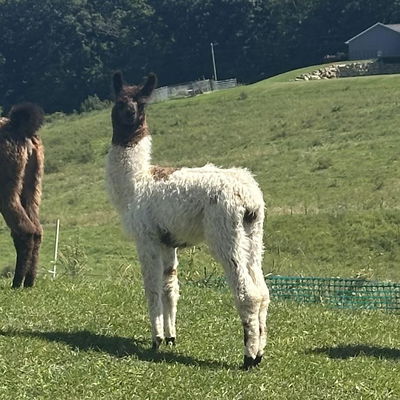
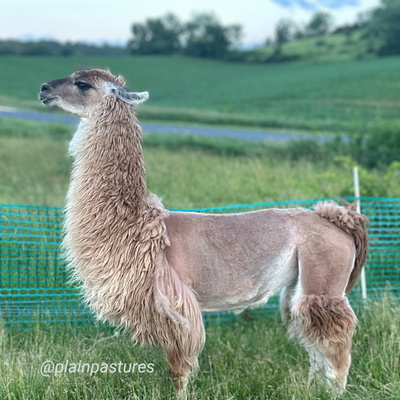
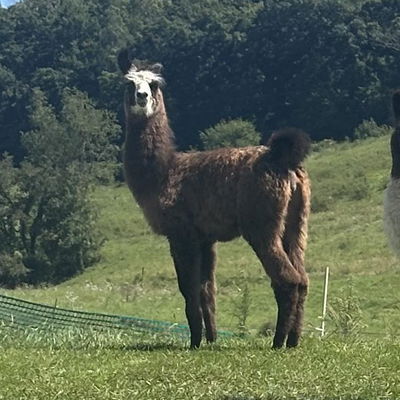
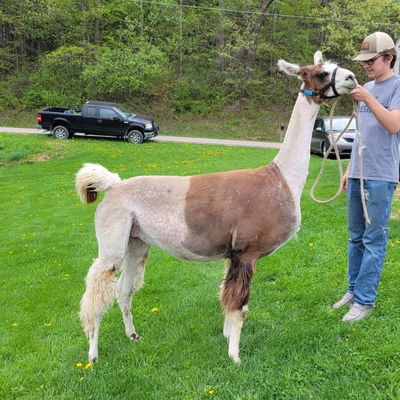
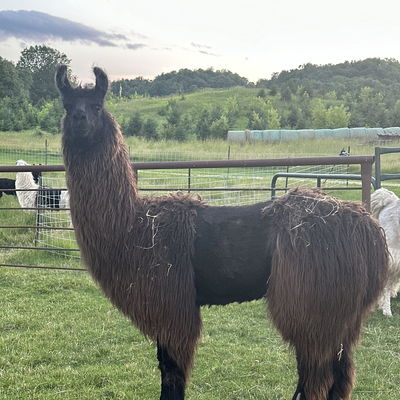
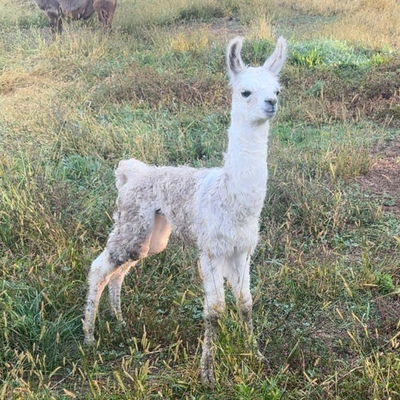
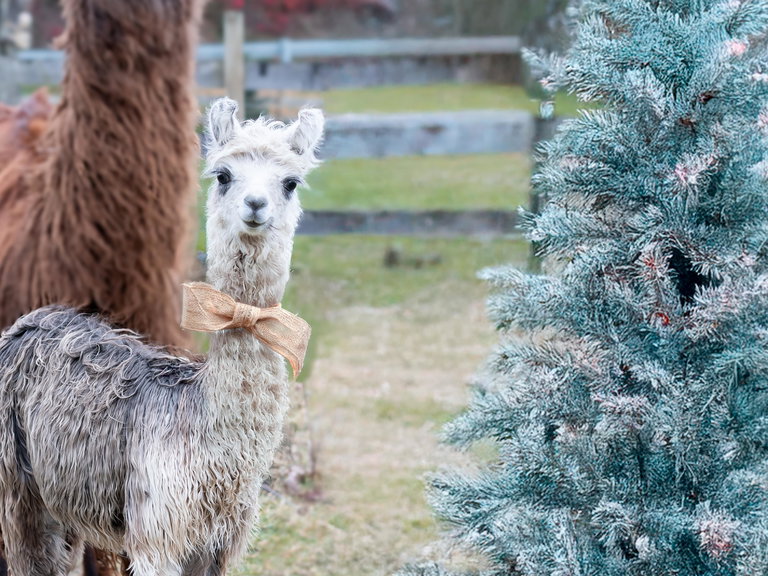
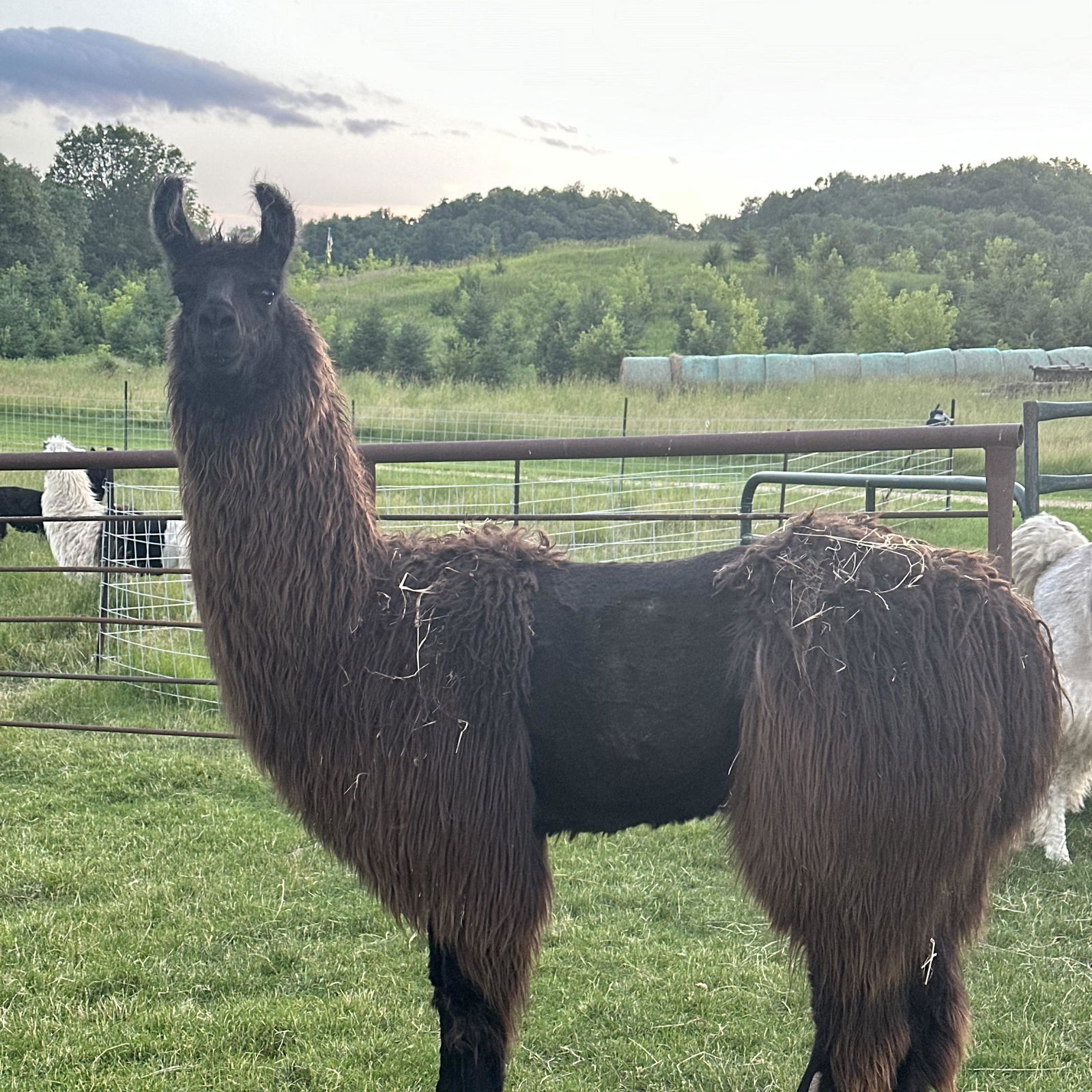
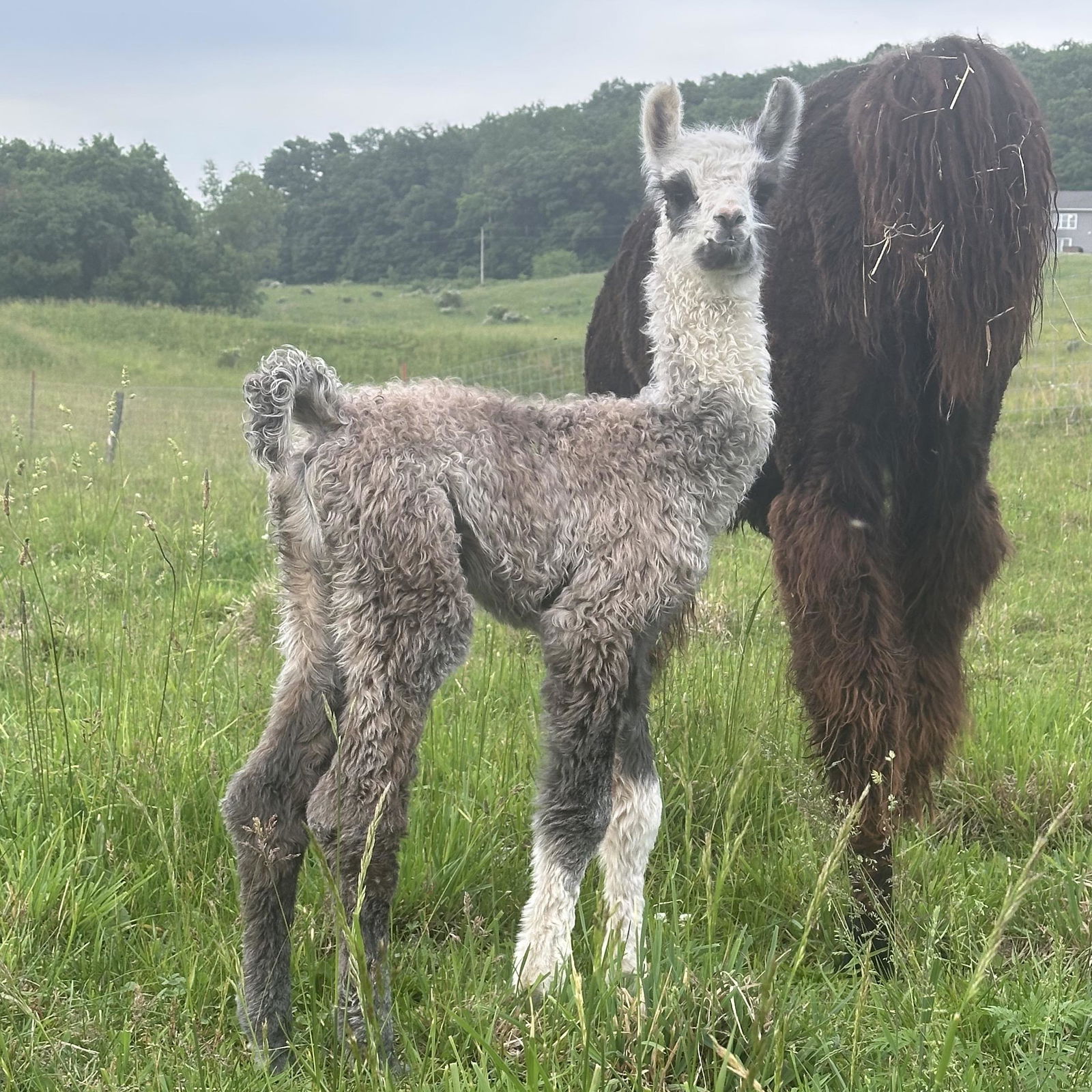
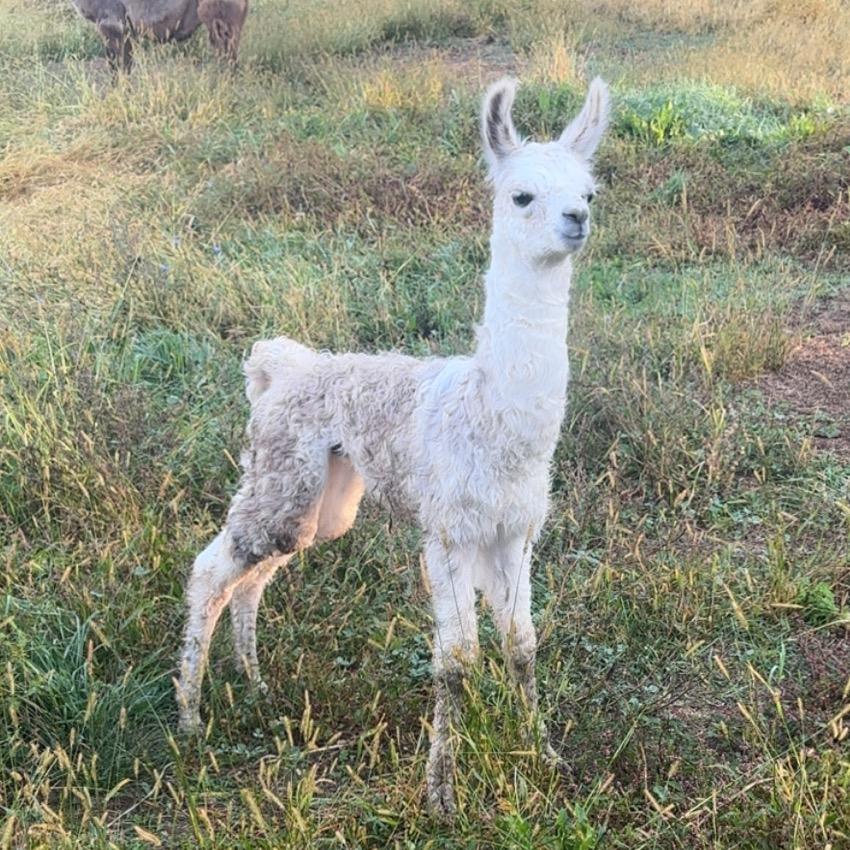
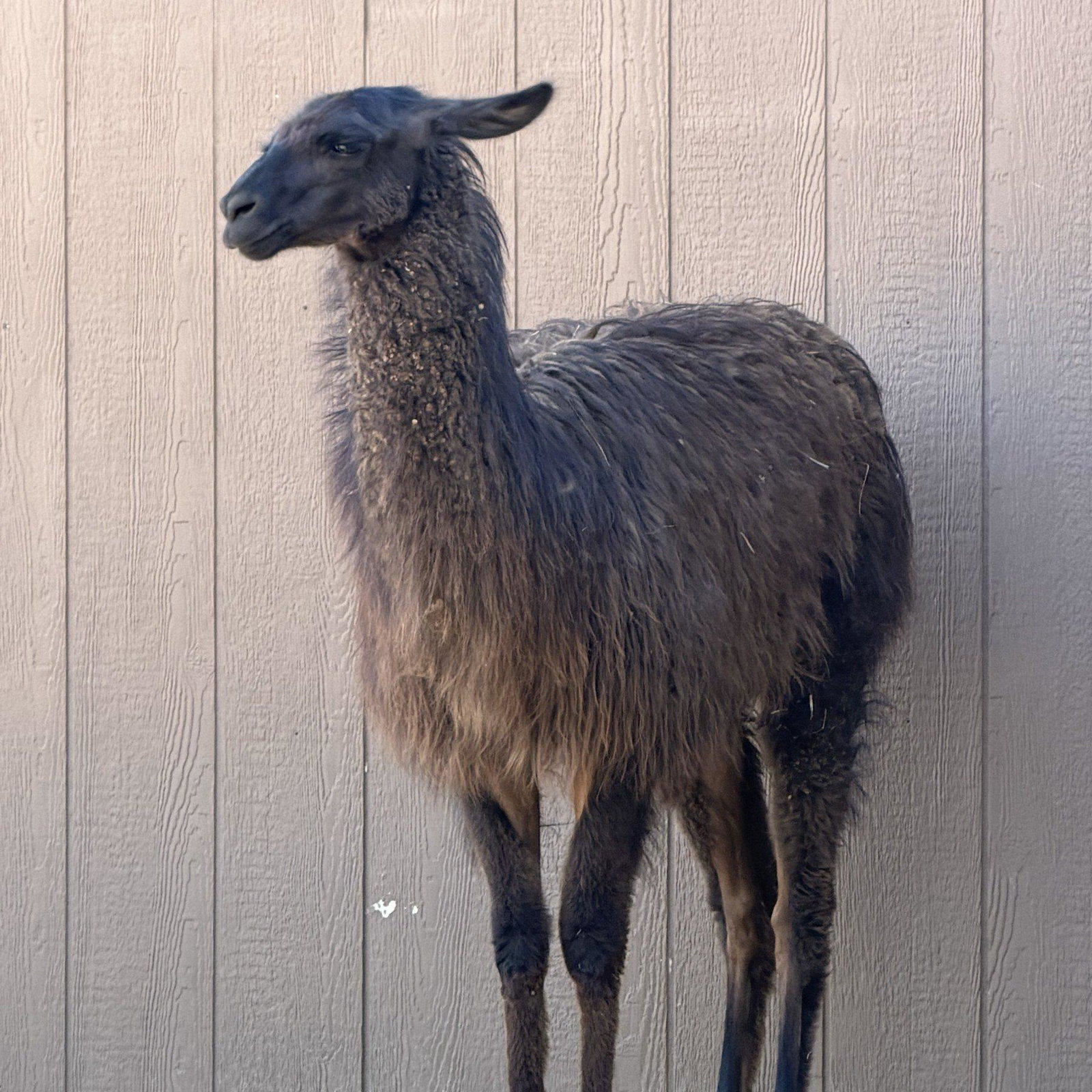
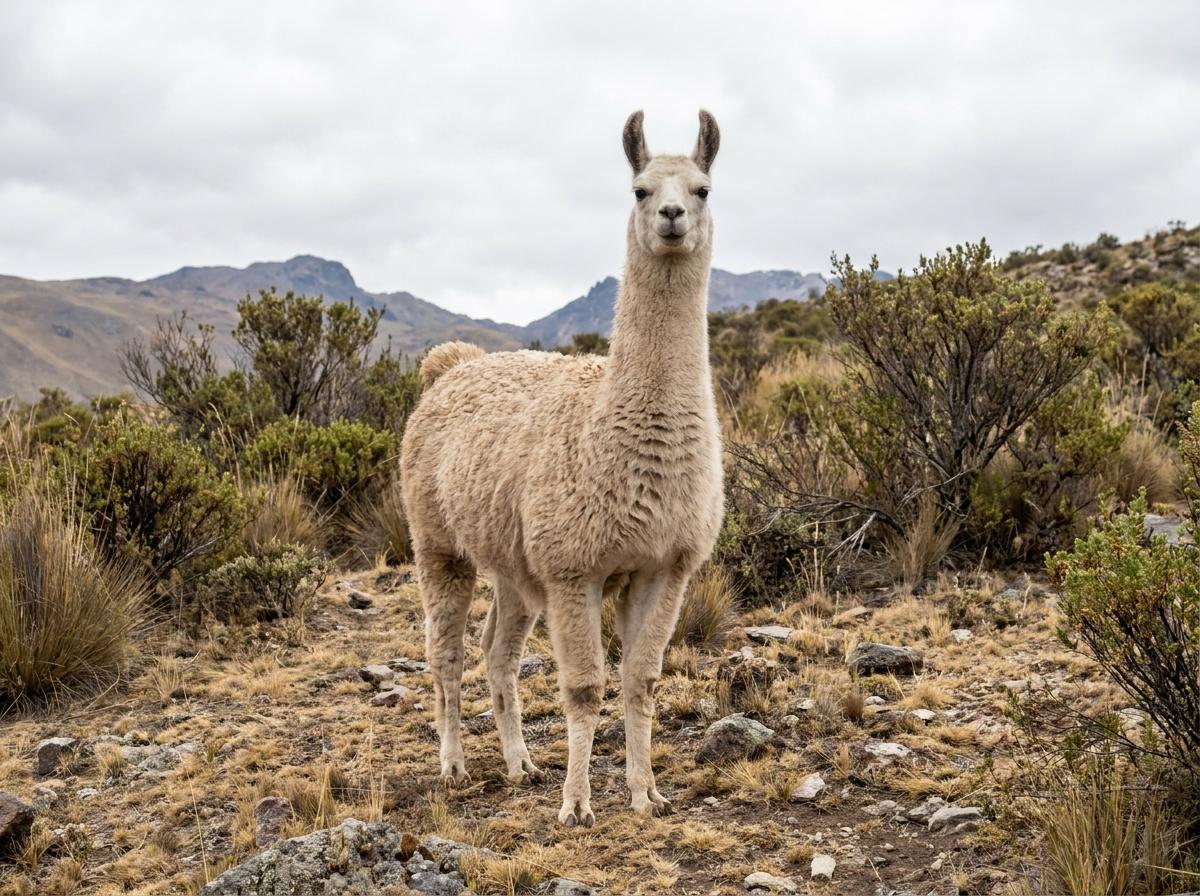
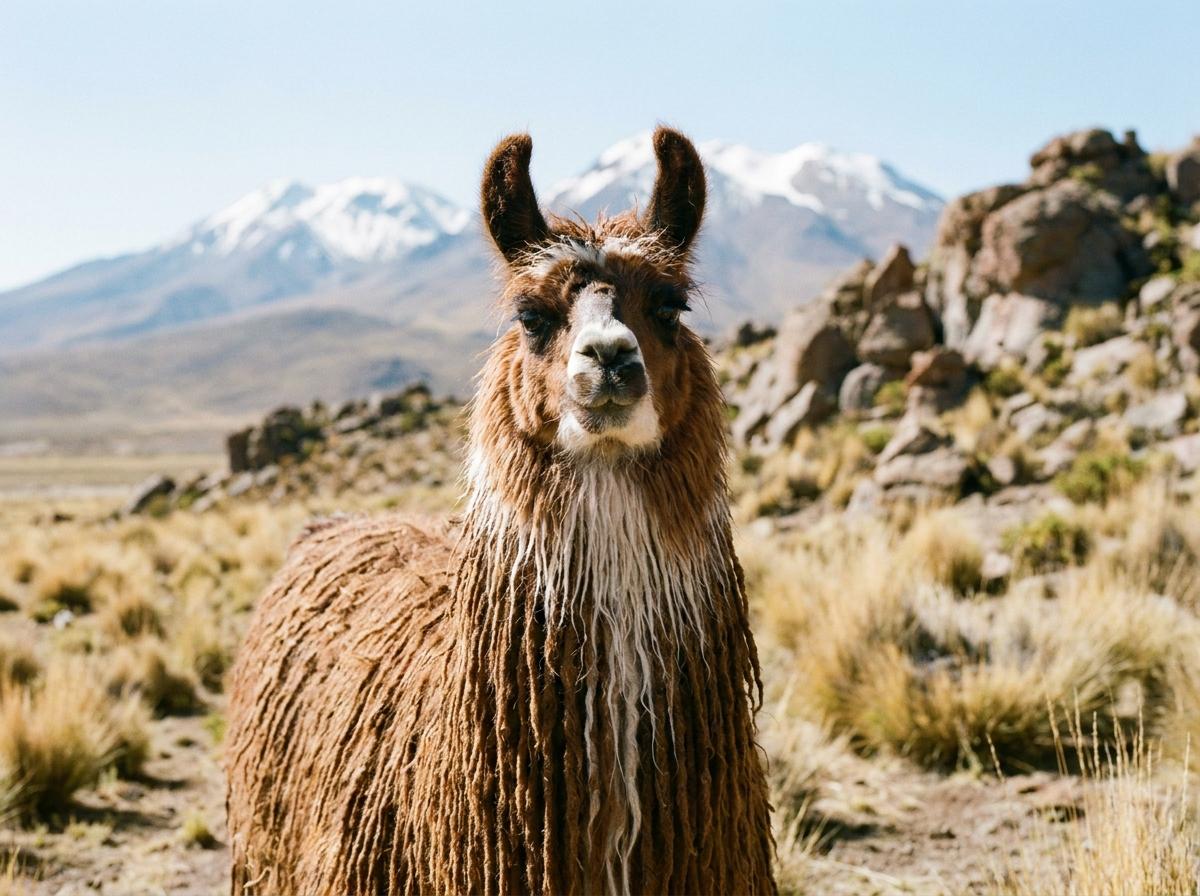
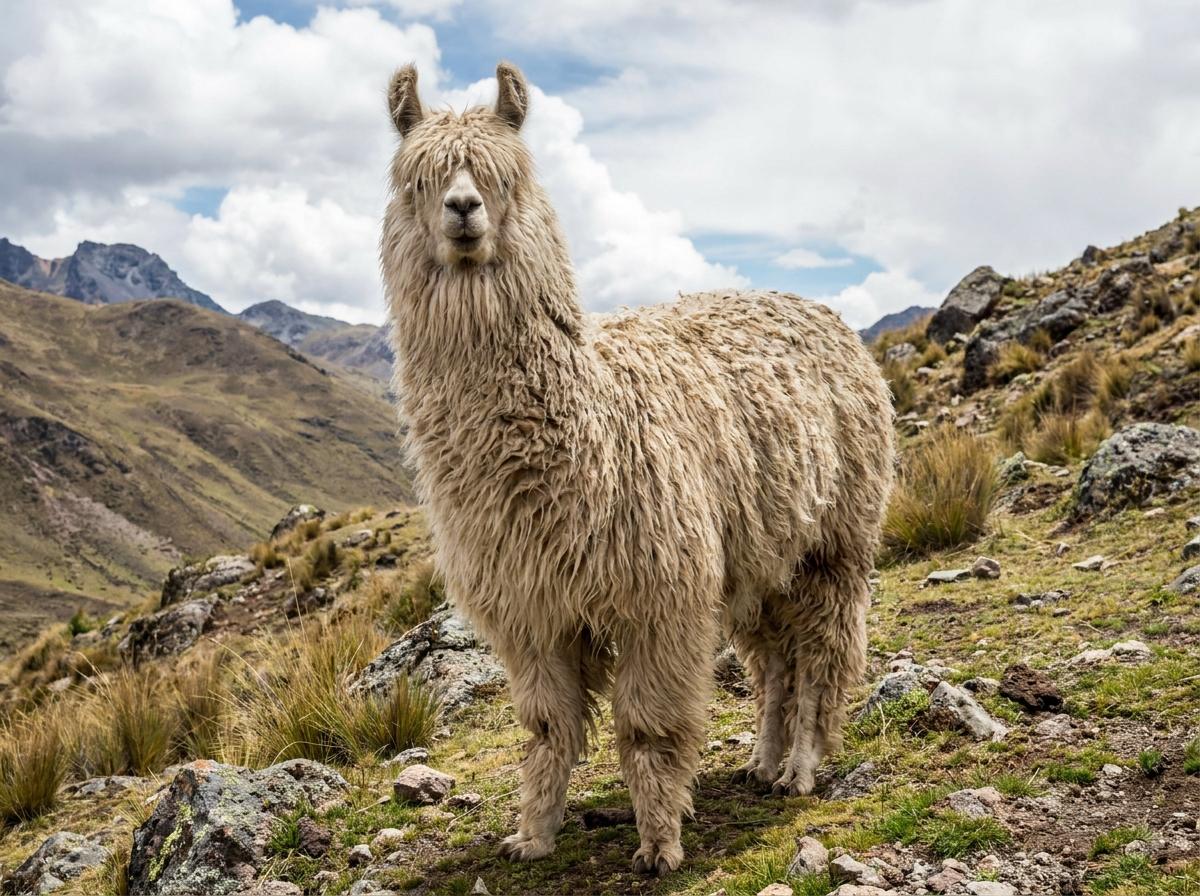
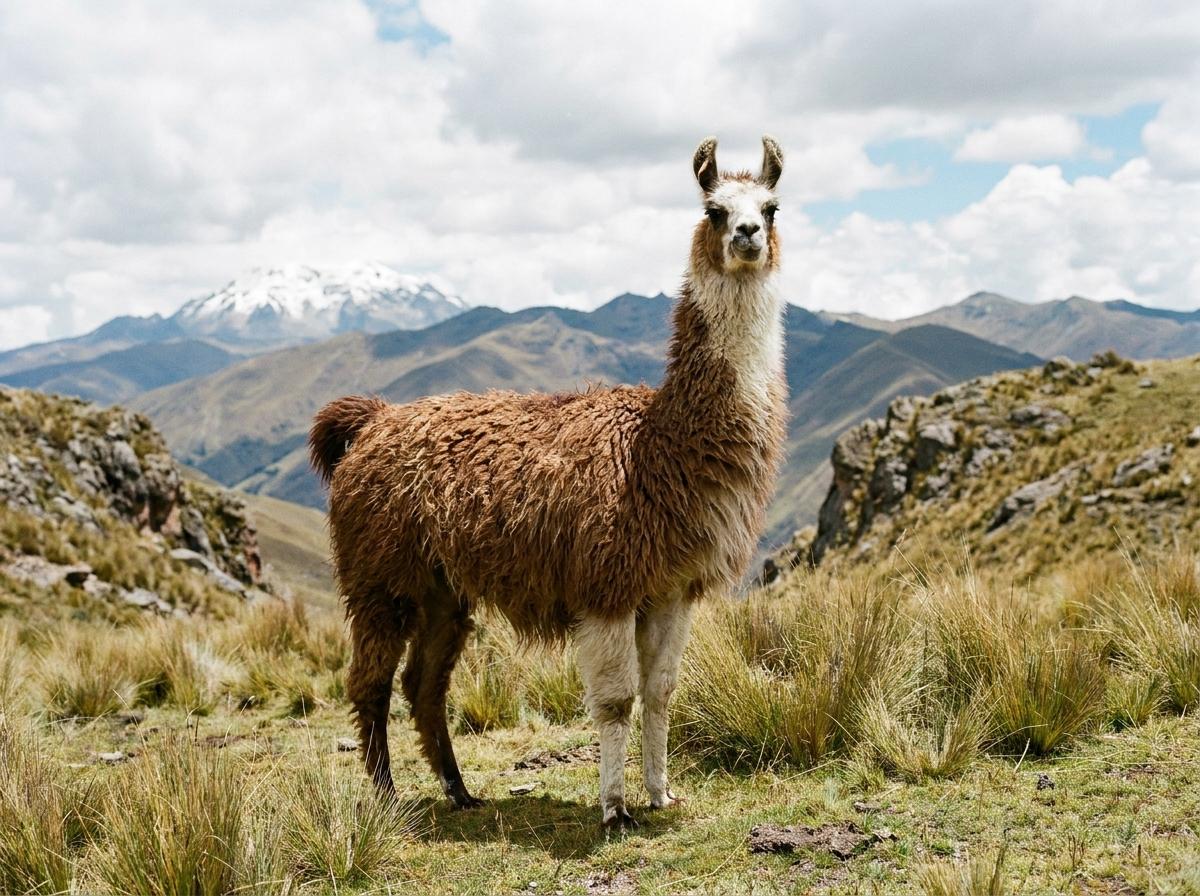
The llama (Lama glama) is a domesticated South American camelid descended from guanacos and shaped for life with people in the Andes. Larger and longer-legged than an alpaca, it has banana-shaped ears, a long neck, padded two-toed feet, and a fleece that may be short, silky, heavy, or double-coated depending on type. Llamas have been used for pack transport, fiber, meat, manure, and as alert guard animals for sheep or goats. They communicate with humming, ear posture, body language, and spitting when pressured or settling disputes.
Llamas are herd animals and usually need other camelids or compatible livestock nearby. Basic management centers on good fencing, dry footing, shade and wind shelter, grass hay or pasture, clean water, and minerals chosen for camelids and local soils rather than copied from sheep or cattle programs. Routine care includes toenail trimming, shearing for heavy-fleeced animals, dental checks, vaccinations where advised, and parasite control based on fecal testing. Halter training is valuable for packing, veterinary work, and farm visits. Intact males and working guard llamas require experienced handling because early overfamiliarity or isolation can create unsafe behavior.