



Lizard
Lacertilia
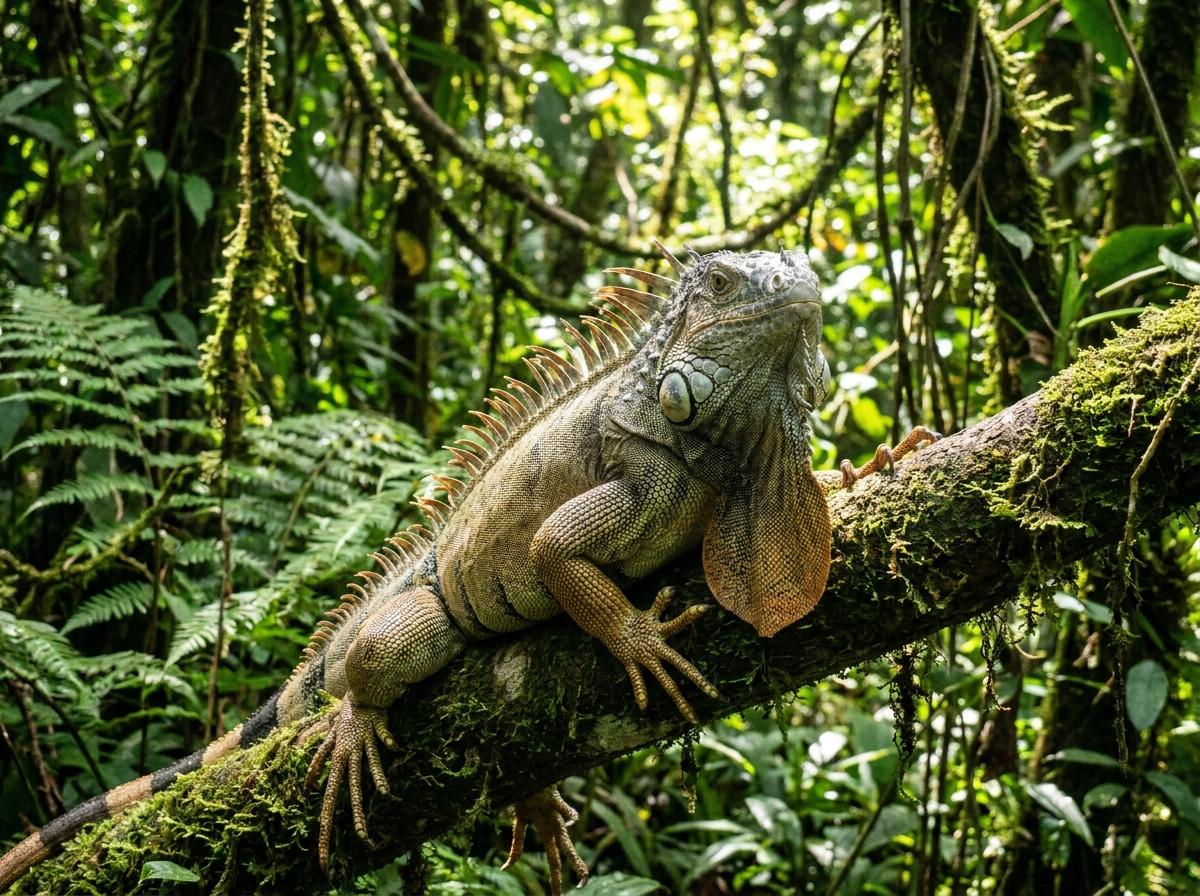
Lizards are a broad group of squamate reptiles traditionally placed in Lacertilia, ranging from tiny geckos and anoles to iguanas, skinks, chameleons, tegus, and monitor lizards. Most have scales, four limbs, external ear openings, and movable eyelids, although many exceptions exist: some geckos lack eyelids, some skinks are nearly limbless, and legless lizards can be mistaken for snakes. As ectotherms, lizards use basking, shade, burrows, color change, posture, and seasonal dormancy to manage body temperature. Their diets include insects, leaves, fruit, flowers, eggs, small vertebrates, carrion, or mixed prey depending on species.
Care or management has to be planned at the species level because a crested gecko, bearded dragon, green iguana, and Nile monitor have very different adult sizes and risks. Responsible keeping starts with captive-bred animals, a secure enclosure, a measured heat gradient, appropriate ultraviolet lighting for species that need it, and humidity that matches the animal's natural habitat. Diet is another dividing line: herbivores need calcium-rich greens, insectivores need gut-loaded feeder insects, and large carnivores require far more space and safety planning. Some lizards are regulated as venomous, endangered, or invasive wildlife, so legal status should be checked before purchase or rescue placement.
Colors: Wild Type