

Crossbred
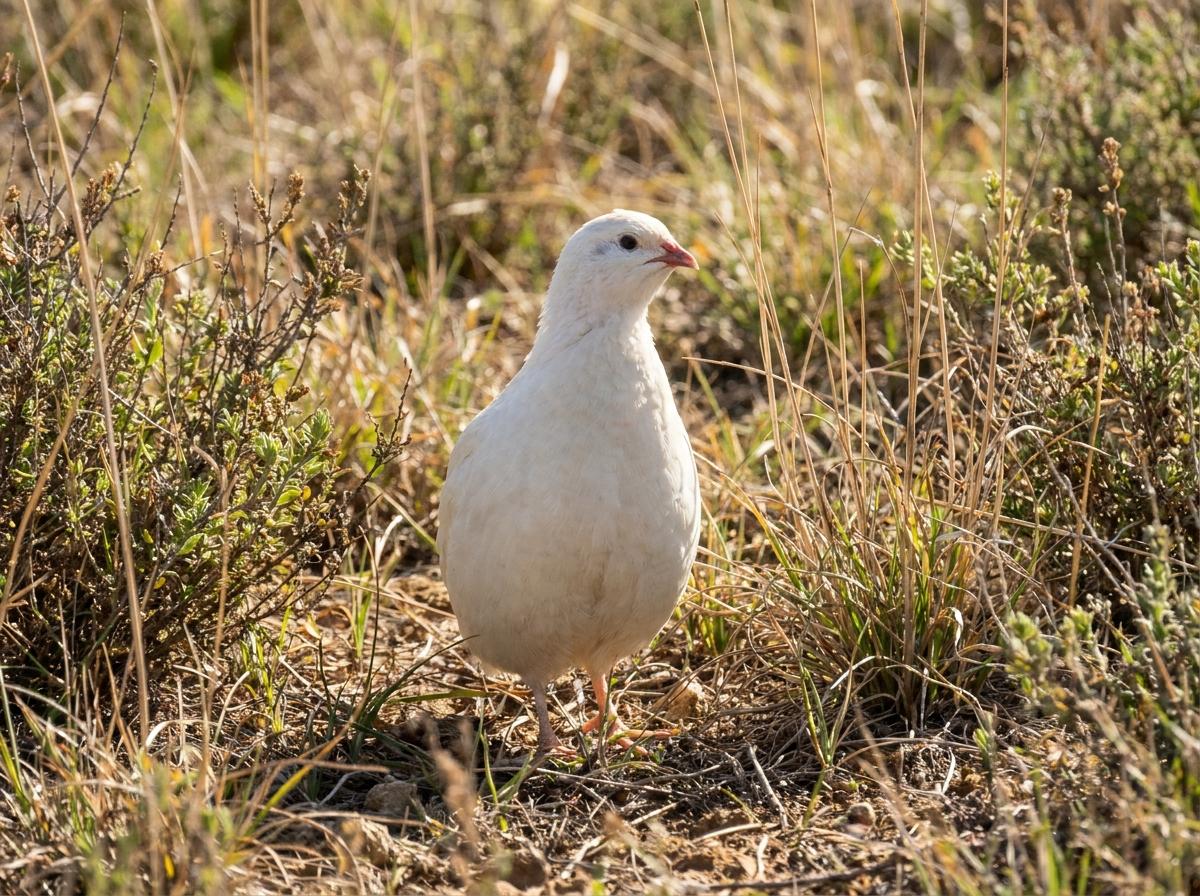
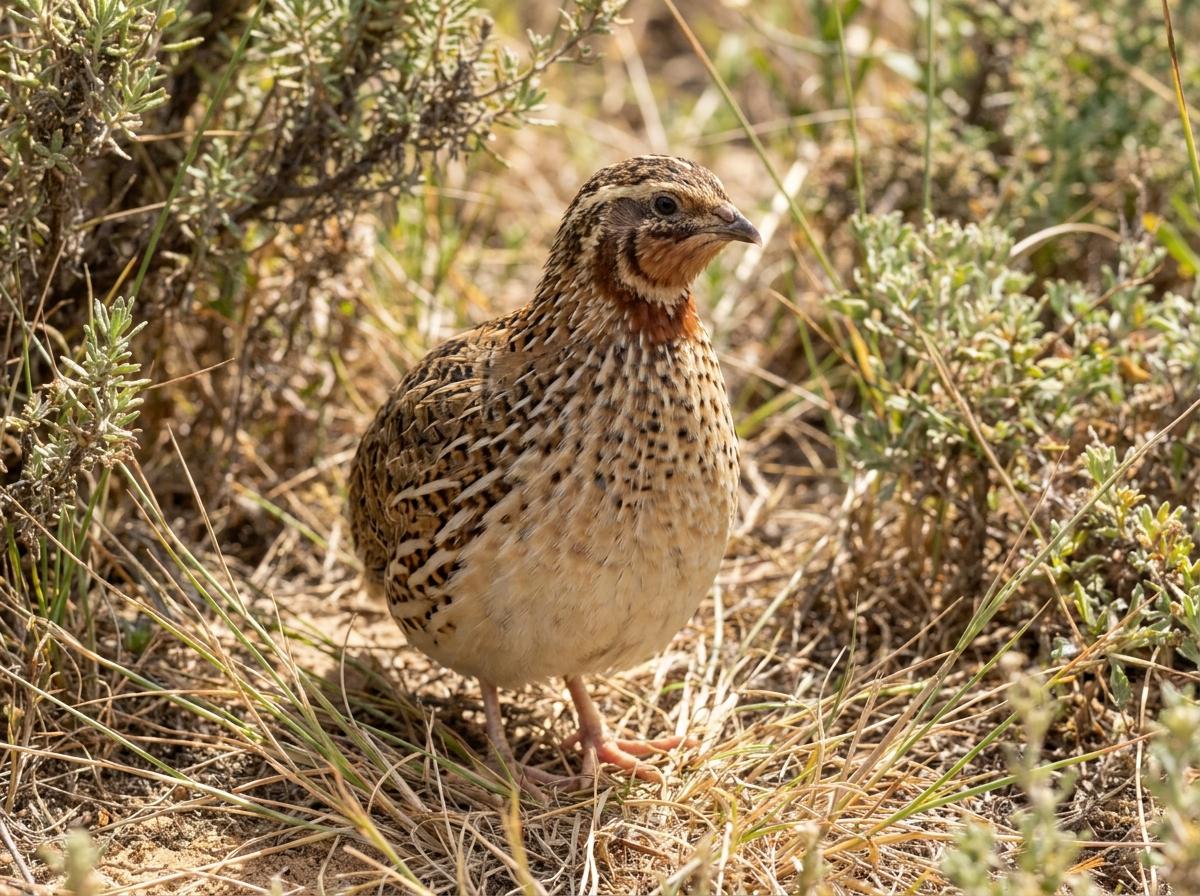
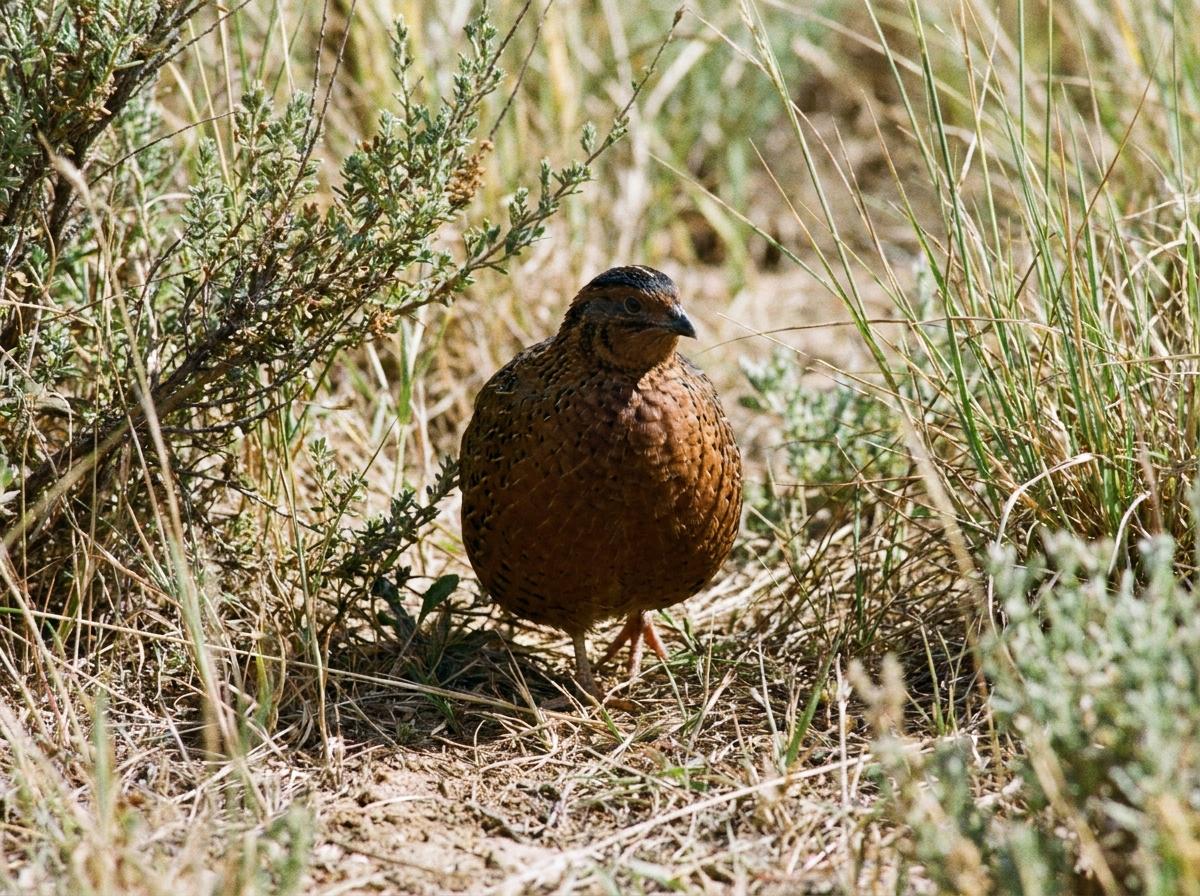
In Japanese quail, crossbred usually means Coturnix japonica produced by mating birds from different strains, size selections, or color varieties rather than maintaining one defined line. In backyard and small-farm flocks this may involve standard egg layers, jumbo meat birds, English white, pharaoh, cinnamon, golden, blue, or other color mutations. Crossbreeding can increase variety and sometimes improves vigor, but offspring may not breed true for size, feather color, egg rate, or body type. The term is used more loosely in coturnix quail than in many livestock registries, because many breeds are really production strains or plumage varieties.
Management should be based on the birds in front of you. Heavier crossbreds need more feeder space and careful grow-out nutrition, while lighter laying types may start producing small speckled eggs at about six to eight weeks. A high-protein game-bird ration for chicks, appropriate calcium for laying hens, dry bedding or clean wire, and protection from drafts and predators are central. When breeding crossbreds, choose adults for health, temperament, hatchability, and the practical traits you want, and avoid selling mixed results as a fixed variety.
Colors: American Pansy, Andalusian, Autumn Amber, Blue, Calico, Cinnamon, Egyptian, English White, Falb Fee, Fawn, Ginger, Golden, Grau Fee, Italian, Lavender, Manchurian Golden, Opal, Oz Sandy, Oz Snowy, Panda, Pearl Fee, Pharaoh, Progressive Pied, Range, Recessive Black, Red Range, Rosetta, Roux, Scarlet, Silver, Slate, Sparkly, Splash, Texas A&M, Tibetan, Tuxedo, White, White Wing Pied, Wild‑Type, Wild Type (Brown)