


Indian Stick Insect
Carausius morosus
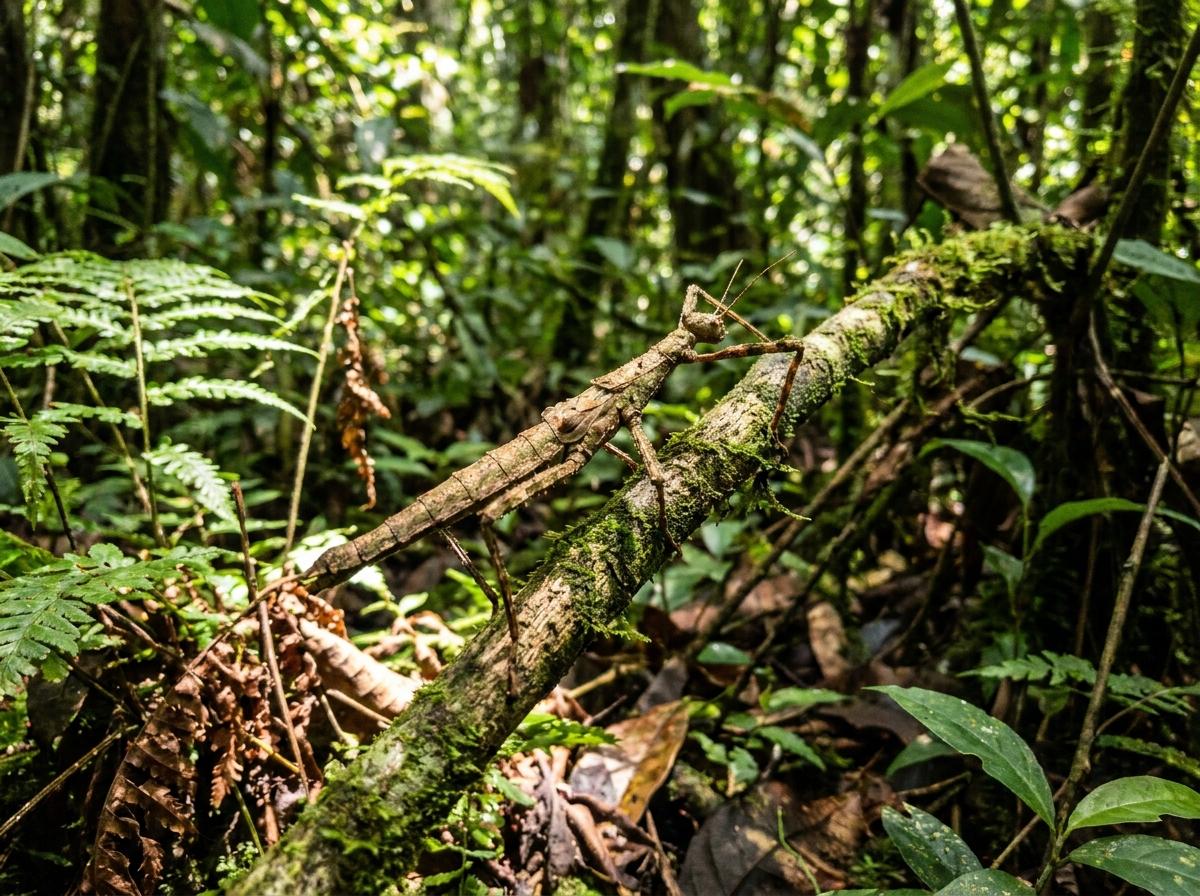
The Indian stick insect (Carausius morosus), also known as the laboratory stick insect, is one of the most common phasmids kept in classrooms and home invertebrate collections. It comes from South Asia and resembles a dry twig, with a long narrow body, thin legs, and slow swaying movements that help it blend into vegetation. Most captive populations are female and reproduce by parthenogenesis, so a single adult can produce fertile eggs without mating.
A simple but well-ventilated enclosure suits this species, provided it is tall enough for safe molting and escape-proof for tiny hatchlings. Fresh bramble, privet, rose, ivy, or other accepted food plants are usually offered in water-filled stems covered to prevent drowning. Light misting helps humidity, but stale wet conditions can kill nymphs. Handling should be gentle because legs break easily, and unwanted eggs or plant waste should be frozen or otherwise destroyed rather than released outdoors. In warm regions, phasmids may be regulated because escaped insects can feed on ornamental or native plants.
Colors: Brown, Green