


House Cricket
Acheta domesticus
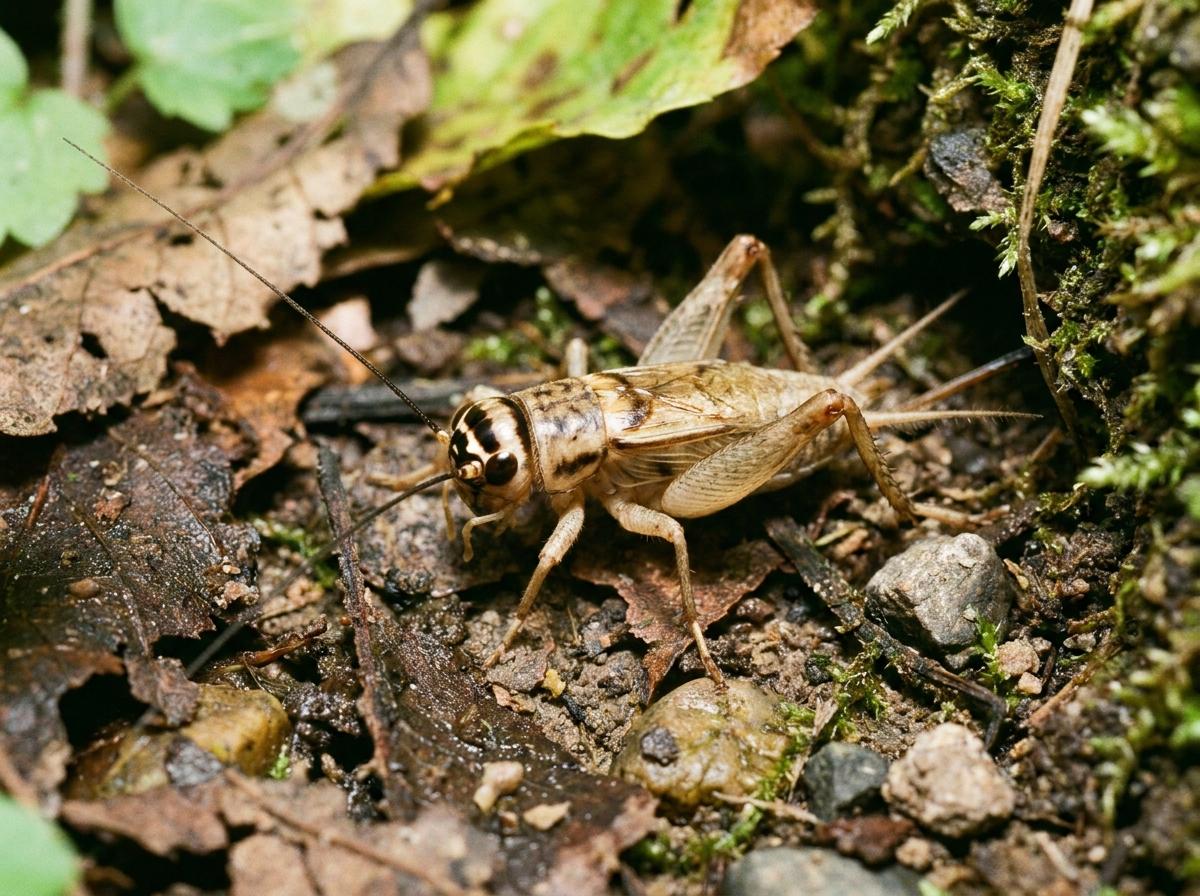
The house cricket is a small tan to brown cricket widely known as a feeder insect, classroom animal, and occasional indoor guest. Acheta domesticus has long antennae, strong jumping legs, and males that produce the familiar chirping call by rubbing their wings. The species grows quickly under warm conditions, feeds readily on grains and vegetable matter, and has been cultured for reptiles, amphibians, birds, fish, small mammals, and in some places human food production. Its common name can be misleading, since most commercial colonies are managed intentionally rather than collected from houses.
Good house cricket production depends on warmth, ventilation, dry shelter, and clean food more than complicated equipment. Keepers use egg flats or similar climbing surfaces, shallow water sources that prevent drowning, and separate laying containers so eggs and young can be managed without crushing. Feeder colonies should be gut loaded before use and monitored for dead insects, mold, mites, and disease, since poor culture conditions can reduce nutrition and spread problems through a reptile room or breeding facility. Escape control also matters; loose adults can chew materials, sing at night, and establish in warm service areas.