




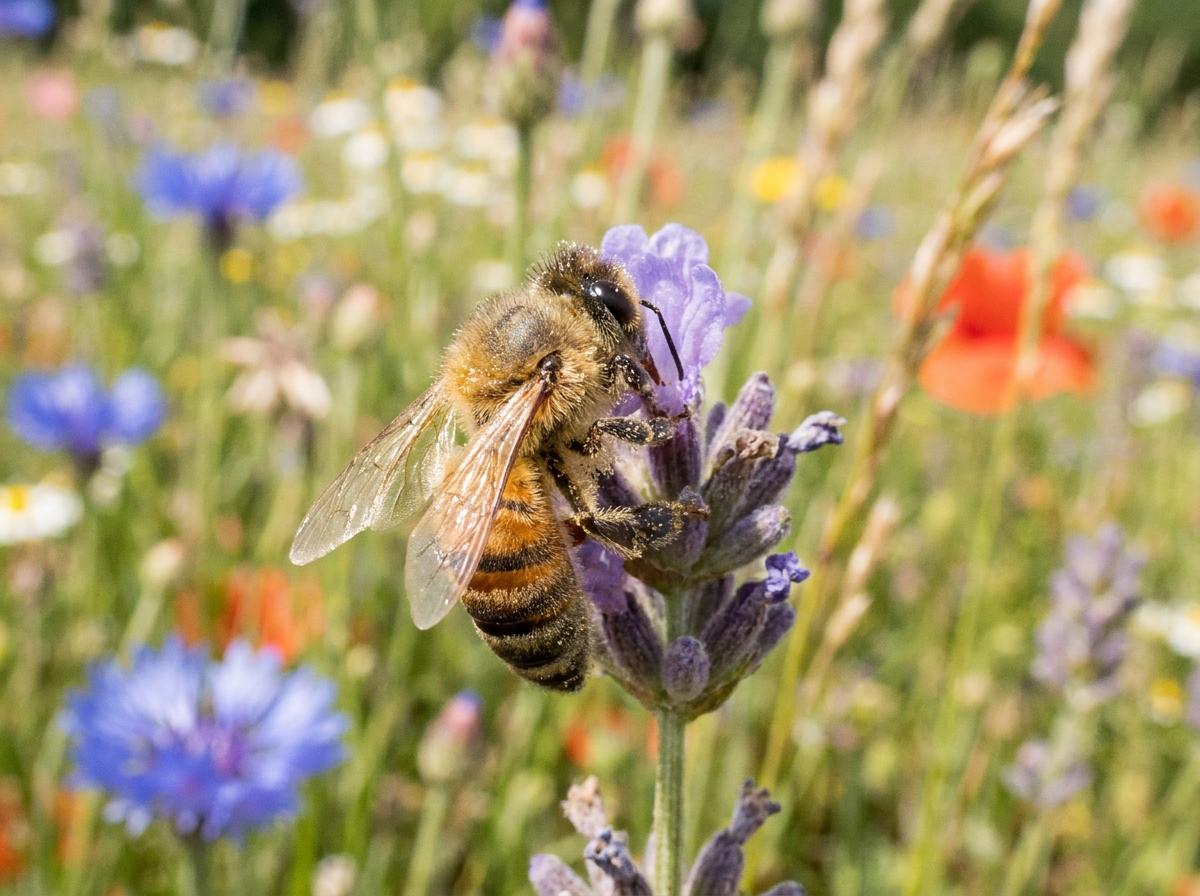
European Honey Bee
Apis mellifera
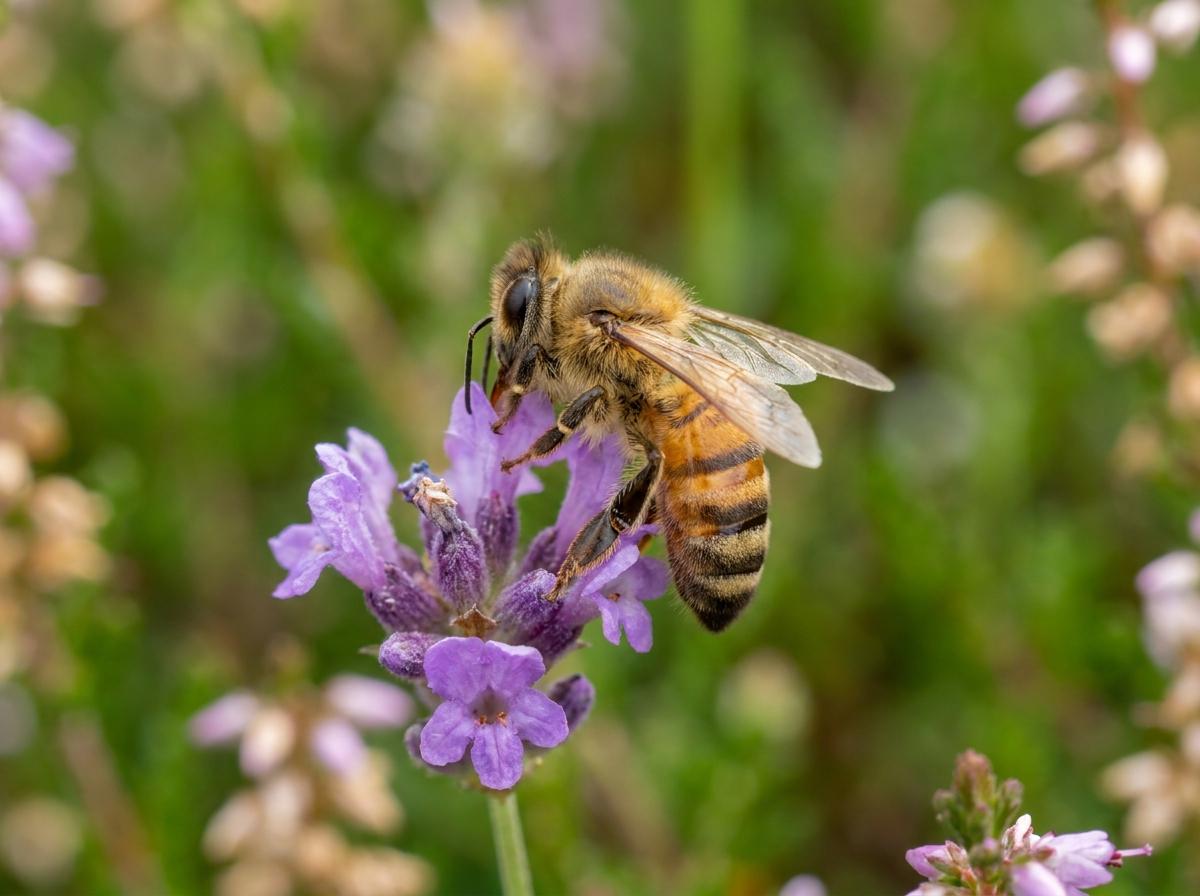
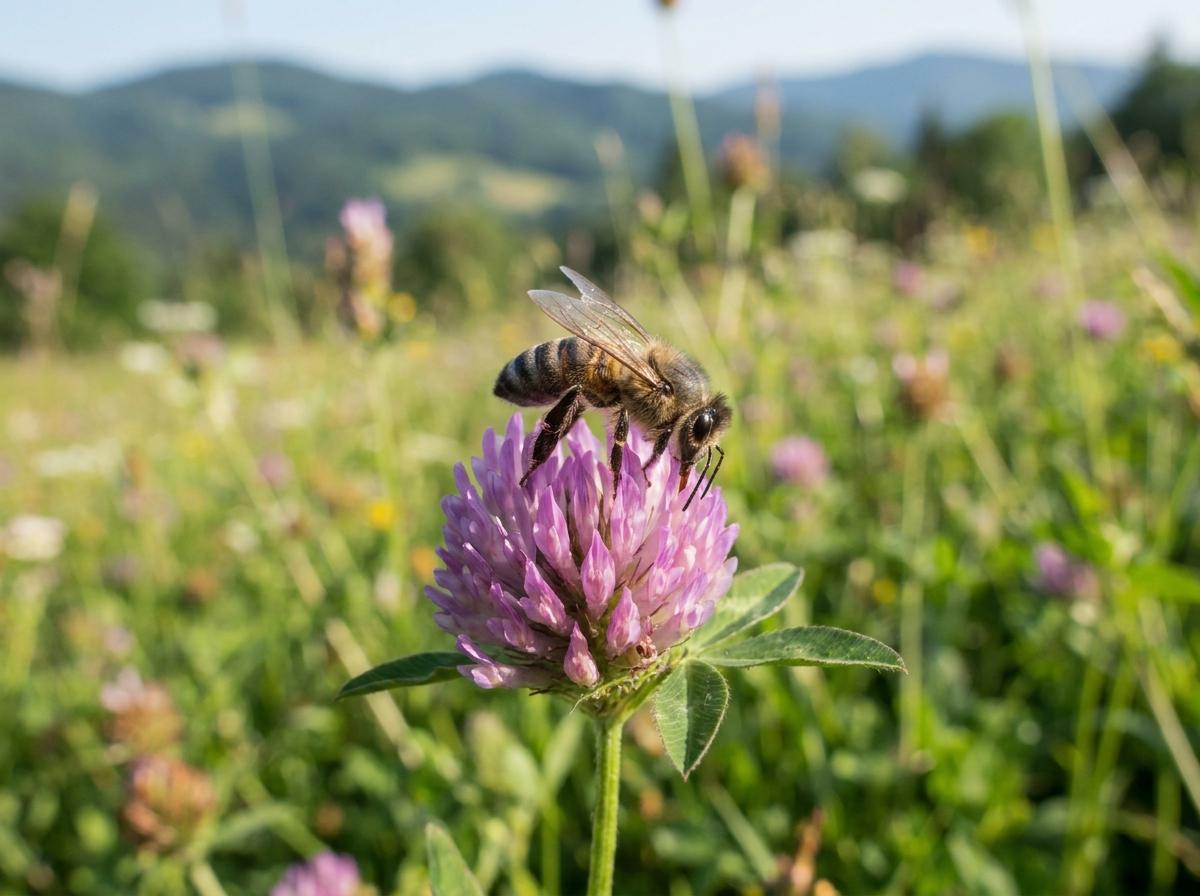
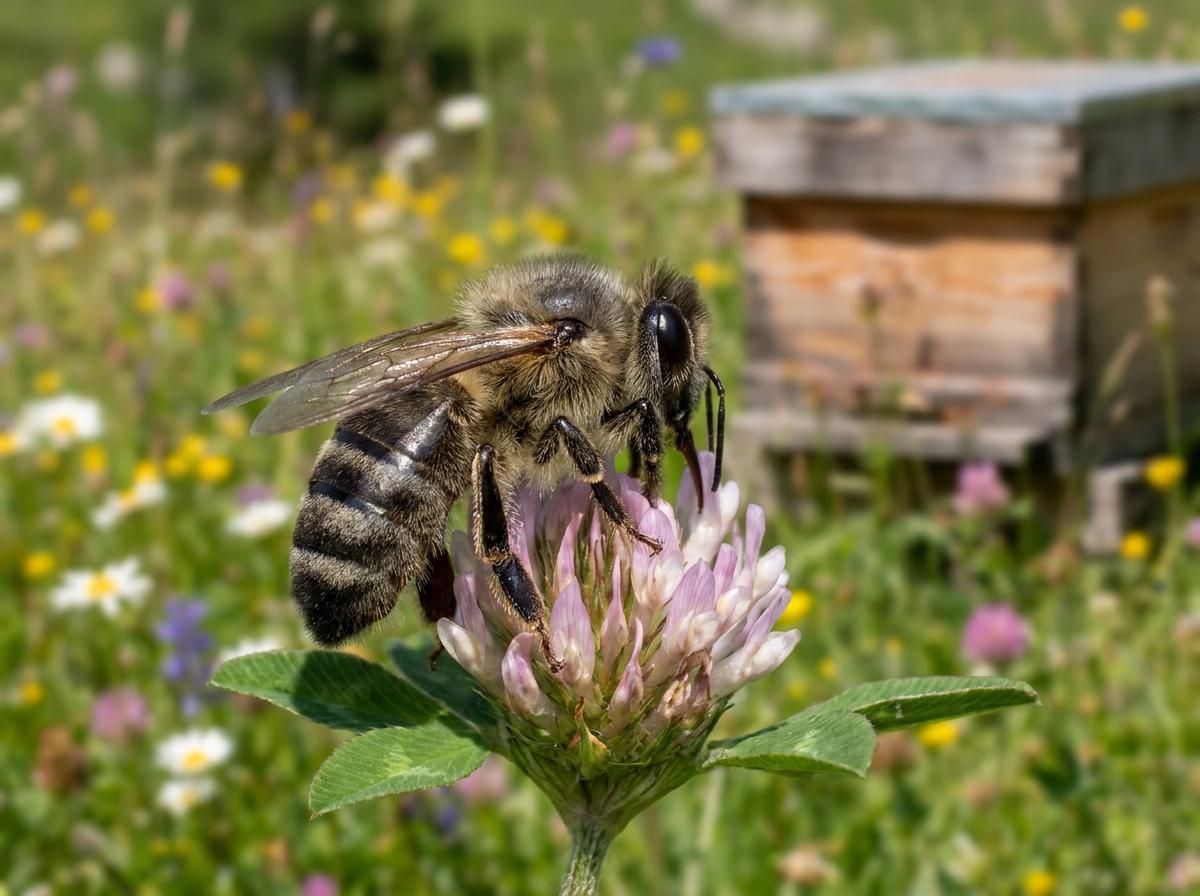
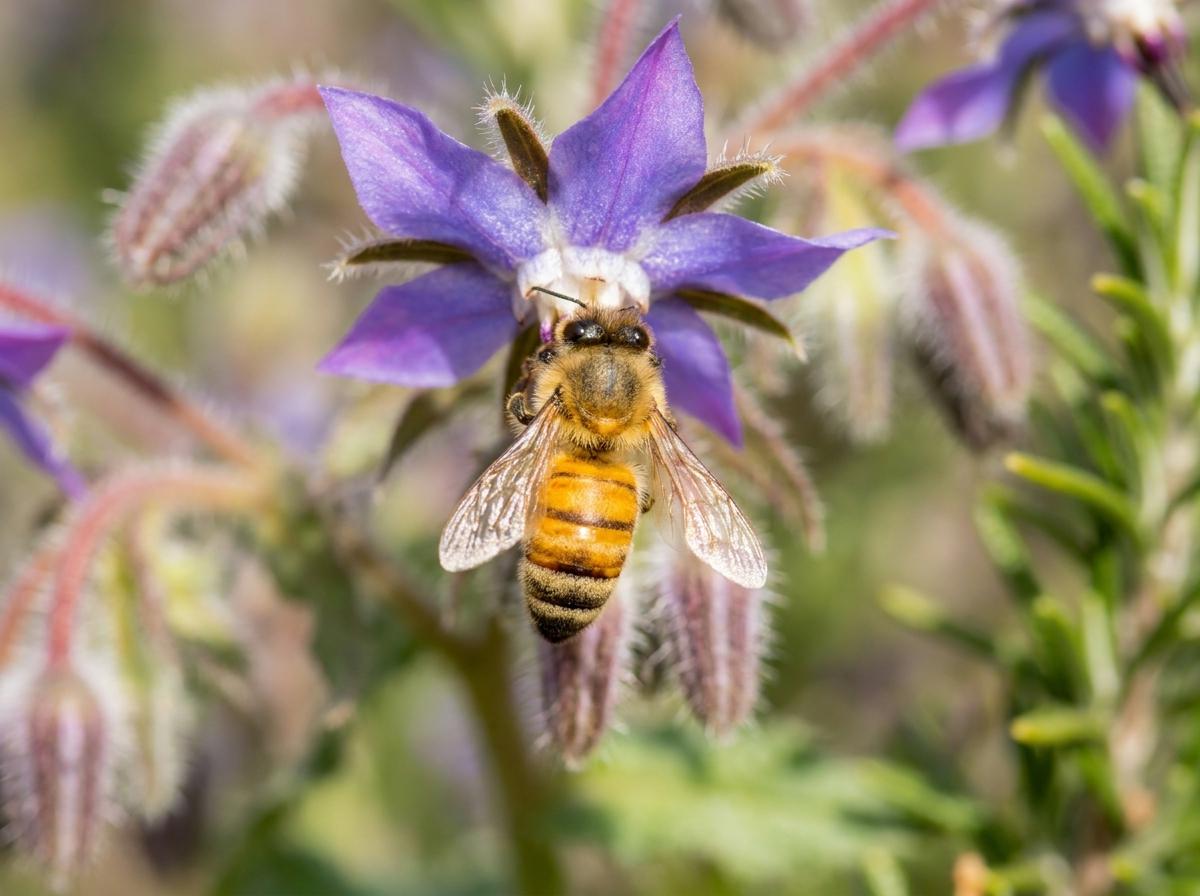
The European honey bee, Apis mellifera, is the western honey bee, a social bee native to Europe, Africa, and western Asia and now managed worldwide. Colonies contain one queen, many workers, and seasonal drones, all living on wax comb used for brood, pollen, and honey storage. European-derived strains and subspecies include Italian, Carniolan, Caucasian, and the dark or black bee, each with local differences in temperament, wintering, brood pattern, and foraging behavior. The species is central to beekeeping for honey, wax, queen rearing, and crop pollination.
Beekeepers manage European honey bees in movable-frame hives, top-bar hives, or other approved systems, depending on local practice. Good colony care includes regular inspections, swarm control, adequate forage and water, and close attention to Varroa mites, viruses, foulbrood, and pesticide exposure. Breeding choices often balance gentleness, productivity, disease tolerance, and adaptation to local climate. Hive registration, movement rules, and disease reporting vary by region. Near sensitive natural areas, high hive densities should be planned carefully because managed honey bees can overlap with native pollinators using the same flowers.