


Dubia Roach
Blaptica dubia
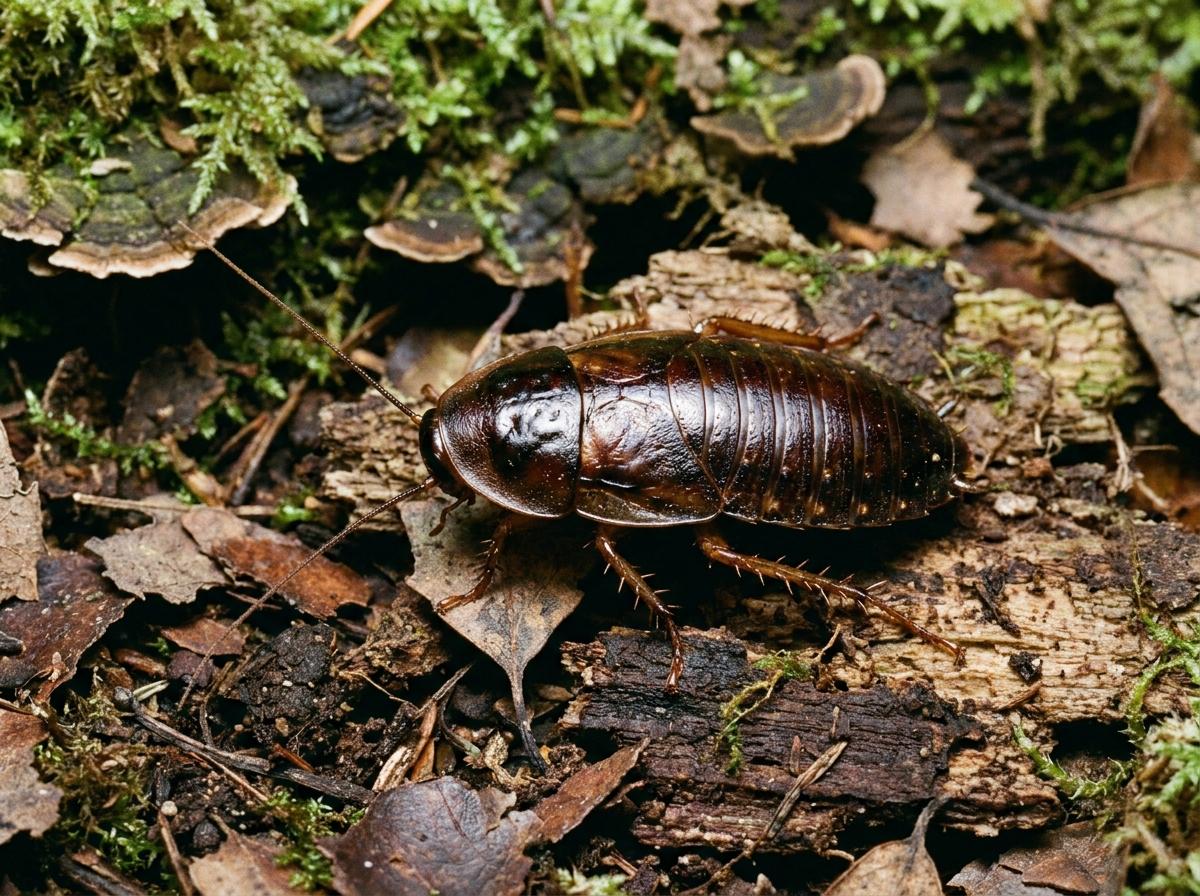
The dubia roach, Blaptica dubia, is a tropical cockroach widely cultured as a feeder insect for reptiles, amphibians, invertebrates, birds, and some fish. Native to parts of Central and South America, it is also called the orange-spotted roach or Guyana spotted roach. Adults show clear sexual dimorphism: males have full wings, while females are broader with reduced wing pads. Unlike some feeder roaches, dubias do not climb clean smooth plastic or glass well, and they give birth to live young rather than producing exposed egg cases.
Captive colonies are usually kept warm, dark, and well ventilated in escape-resistant bins with cardboard or egg-crate surfaces for shelter. Productivity depends on steady heat, dry staple foods, and moisture from vegetables, fruit, or water crystals that will not drown nymphs. Feeders are often gut-loaded and dusted with calcium or vitamins before being offered to reptiles. Good hygiene helps control odor, mold, mites, and allergen buildup; people who handle colonies frequently may want gloves or a mask. Dubia roaches should not be released outdoors, and local rules on possession or shipment vary, especially in warm regions where nonnative insects are regulated.