


Asian Elephant
Elephas maximus
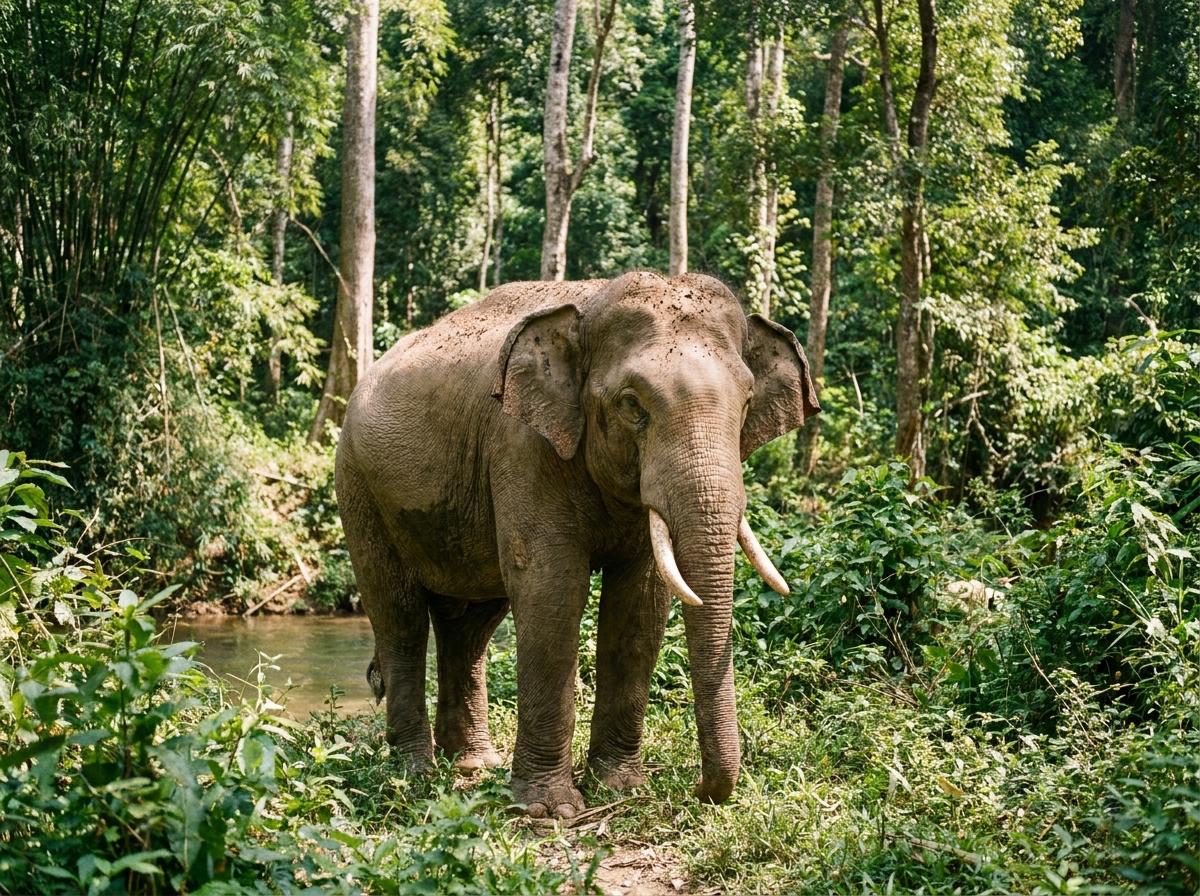
The Asian elephant (Elephas maximus) is the smaller living elephant species, native to South and Southeast Asia in forest, grassland, and agricultural-edge landscapes. It has a high domed head, smaller ears than African elephants, and one finger-like projection at the tip of the trunk. Tusks vary widely: many females have no visible tusks, and some males carry short tushes or none at all. Family groups are led by adult females, while mature bulls spend more time alone or in loose association.
People have worked with Asian elephants for centuries in logging, transport, ceremonies, and tourism, but modern care standards place more weight on welfare, choice, and social living. Zoos and sanctuaries need large, reinforced spaces, skilled foot care, protected-contact handling systems, and diets that prevent obesity while allowing many hours of feeding. Conservation work centers on habitat corridors, crop-raiding conflict, disease surveillance, and protection from capture or illegal trade. Breeding programs must account for slow reproduction, complex social behavior, and the need for long-term placement.
Colors: Wild Type