

Roosevelt
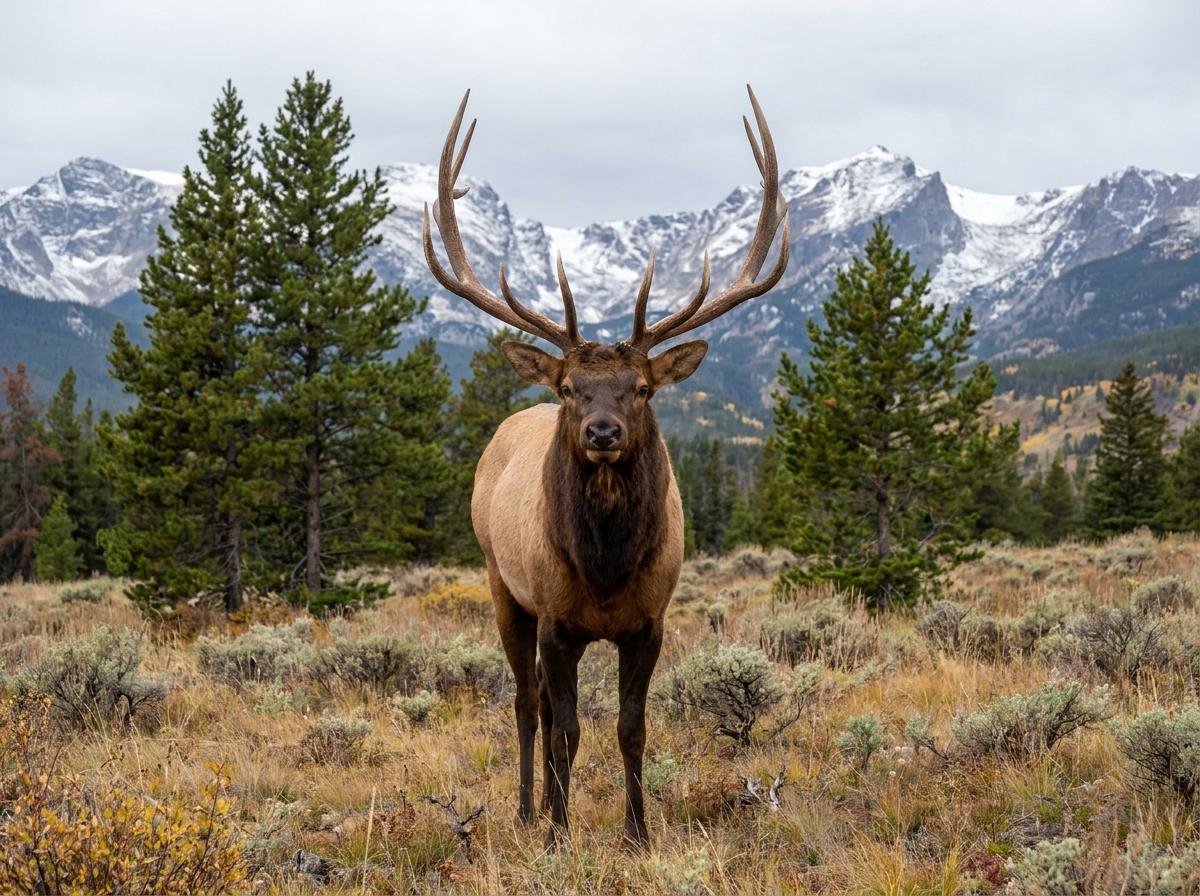
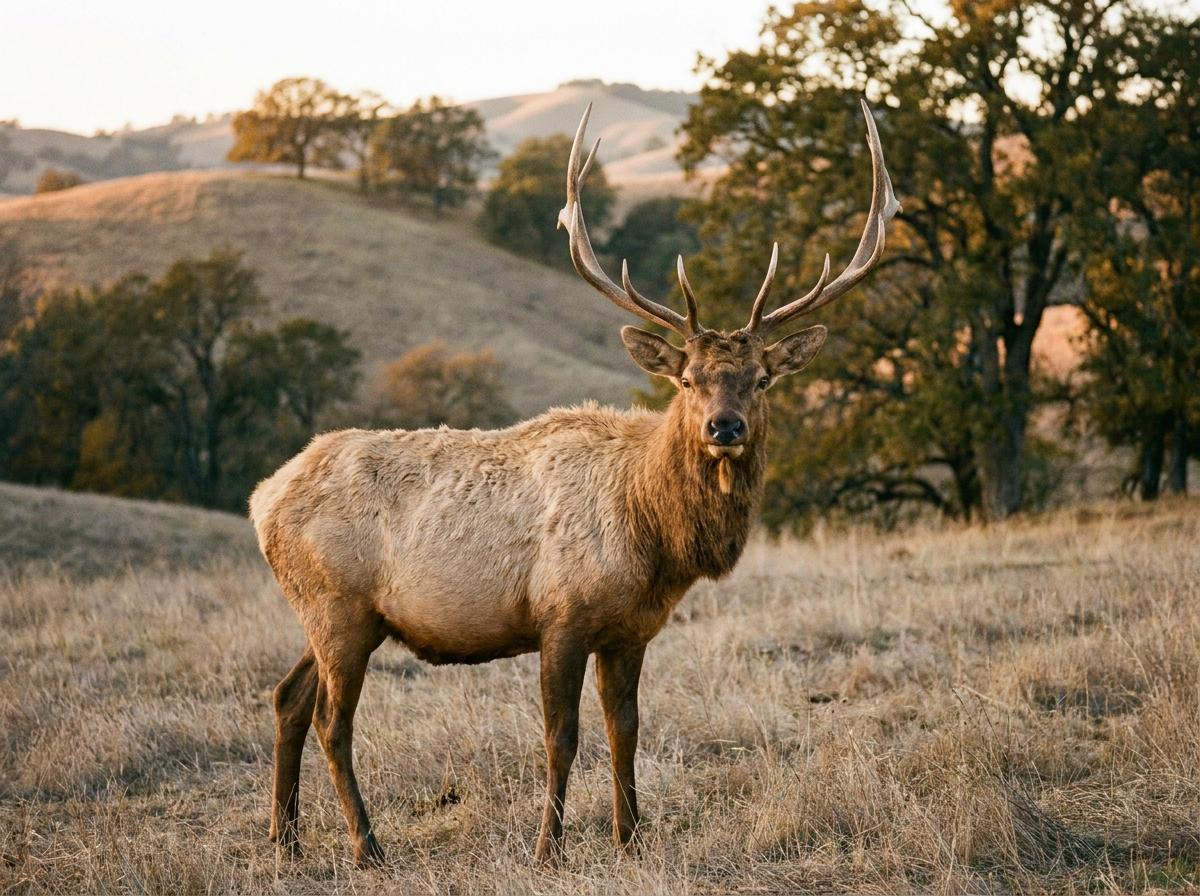
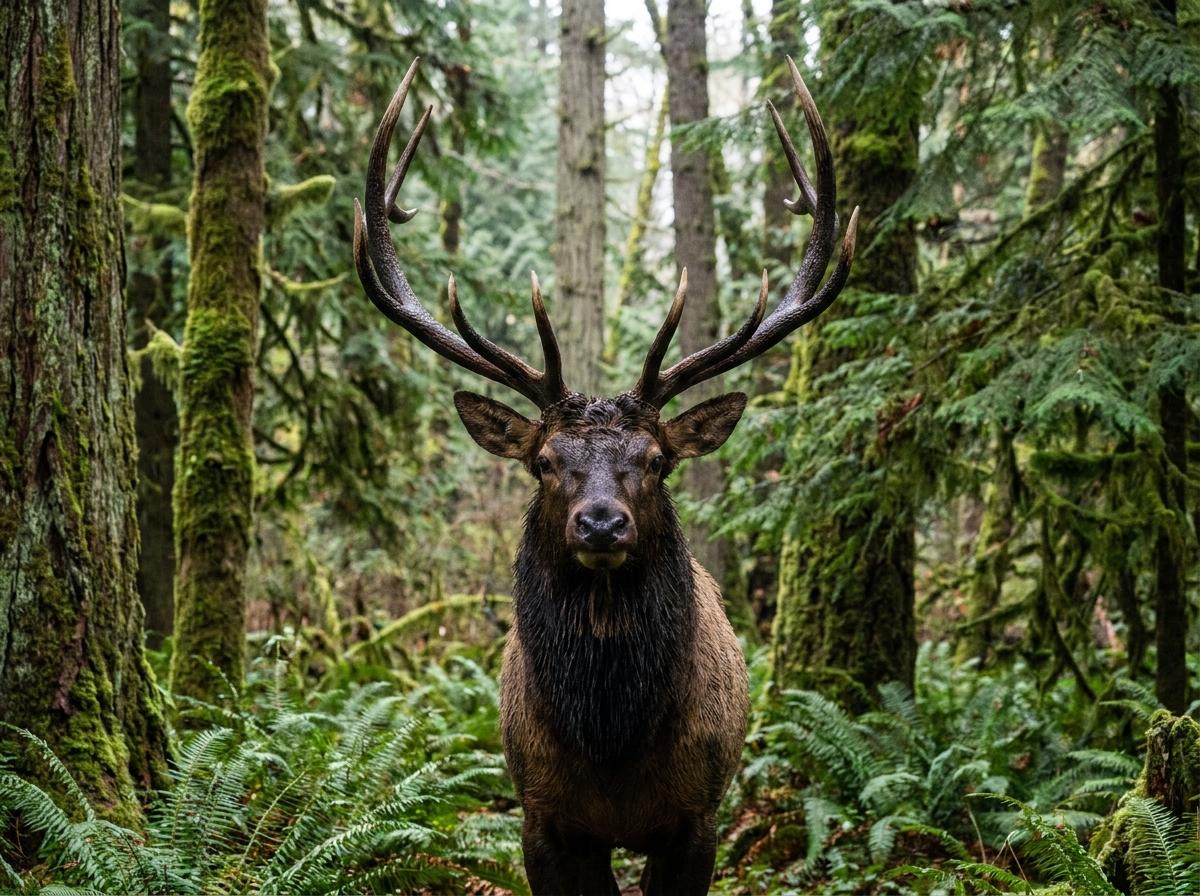
Roosevelt elk are the coastal Pacific form of elk, usually classified as Cervus canadensis roosevelti. They are heavier-bodied than Rocky Mountain elk and are associated with wet forests, fern understories, river valleys, and coastal meadows from northern California through Oregon, Washington, and into British Columbia. Their coats tend to look darker brown or gray-brown, and mature bulls carry heavy antlers with the size and spread shaped by nutrition and age. The name honors Theodore Roosevelt and is widely used by wildlife agencies, parks, and ranch records.
Management of Roosevelt elk is tied to forest habitat as much as to the animals themselves. Free-ranging herds are monitored for calf recruitment, harvest pressure, road conflict, and damage to crops or young timber, while zoo or ranch settings need strong fencing, mud-tolerant yards, shade, browse, and careful winter feeding. These elk can be nervous in close quarters, and rutting bulls require experienced handling. Movement or ownership is commonly regulated because elk diseases and genetics are managed at a population level.
Colors: Dark Brown, Gray-Brown