

Rocky Mountain
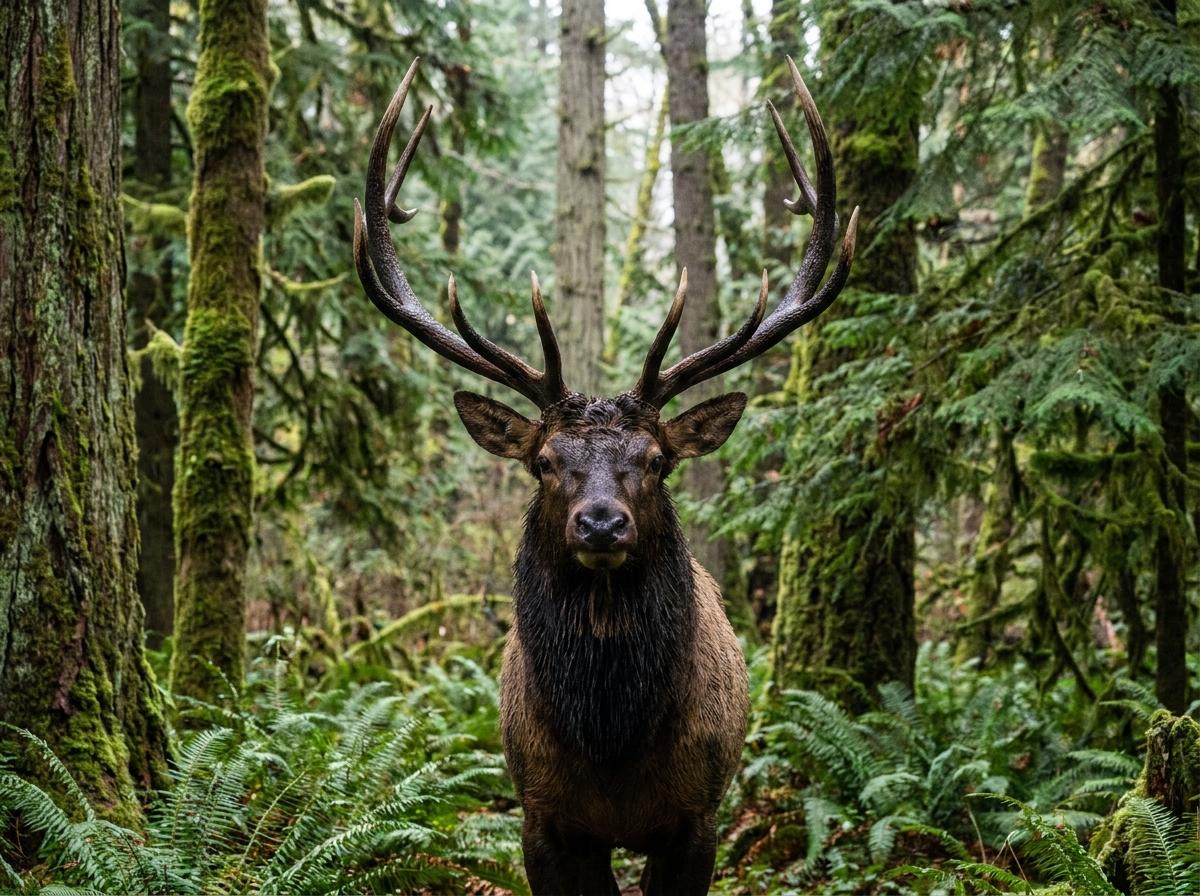
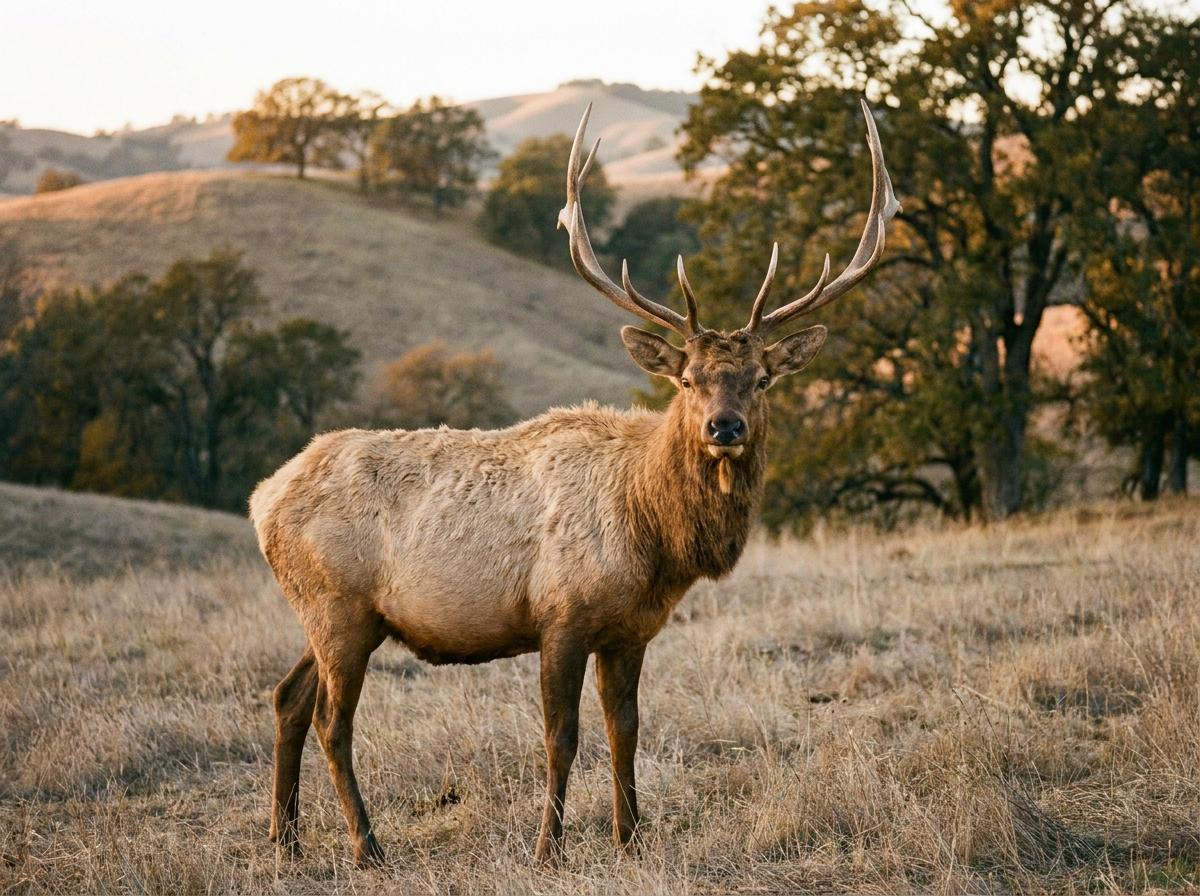
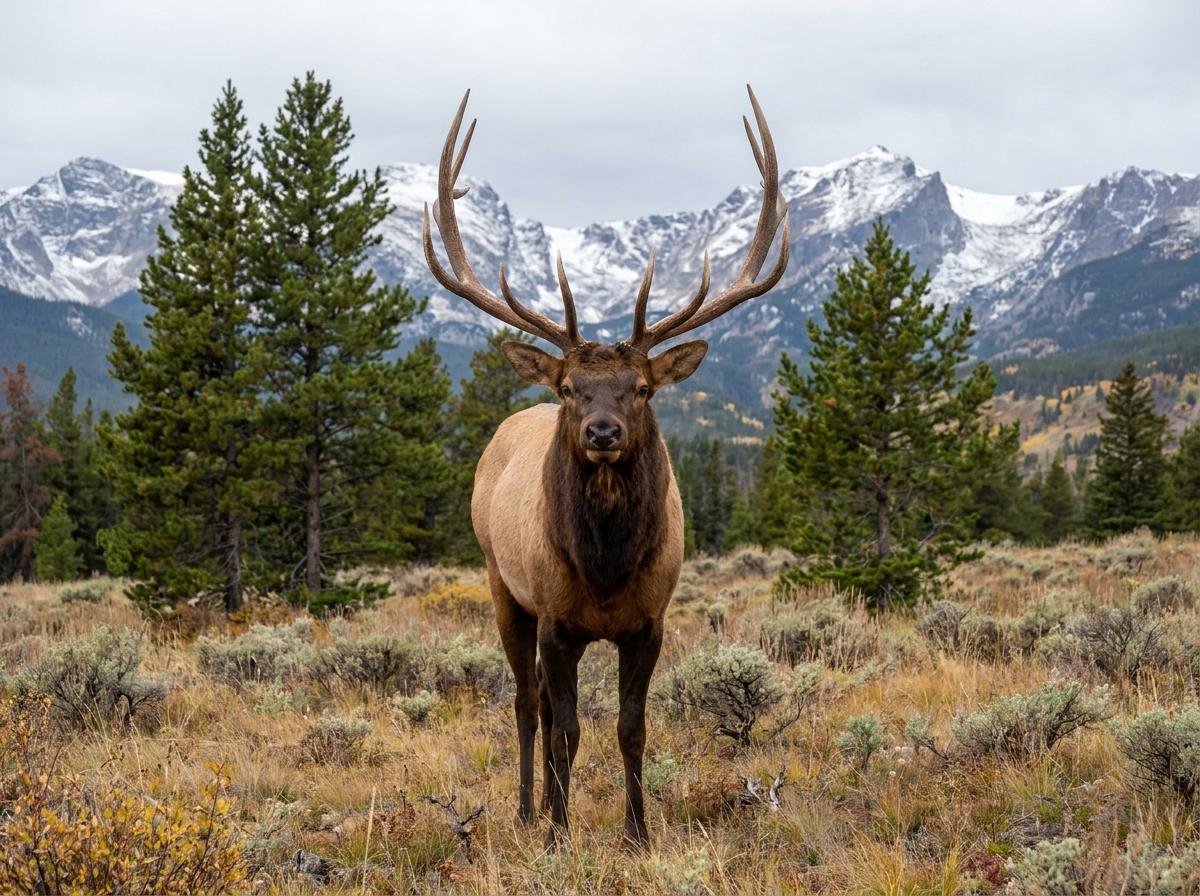
The Rocky Mountain elk is the interior western form of Cervus canadensis, often treated as Cervus canadensis nelsoni and sometimes listed in livestock or wildlife records as a Rocky Mountain elk line. It is the elk most people associate with the mountains and high valleys of western North America, with bulls carrying sweeping antlers, a pale rump patch, and a gray-brown to tan coat that darkens around the neck. Historic translocations also placed Rocky Mountain elk in several areas outside their original range, so the name may describe ancestry, management stock, or a free-ranging population depending on context.
People manage Rocky Mountain elk in national parks, game agencies, tribal programs, private preserves, and elk ranches for viewing, hunting, venison, antler velvet, and breeding stock. Captive groups need acreage, secure high fencing, strong gates, and low-stress handling systems built for large deer; rutting bulls are dangerous even when bottle-raised. Feeding is based on pasture, browse, hay, and minerals, with health programs shaped by regional rules for chronic wasting disease, brucellosis, tuberculosis, transport, and identification.
Colors: Gray-Brown, Light Tan