

Updated
Hi, everyone!
Since the last edition, the highland calendar has been packed. Six sales closed between May 2 and May 10, totaling roughly $2.54 million in cattle gross moved across the highland market in a little over a week. The sales were:
-
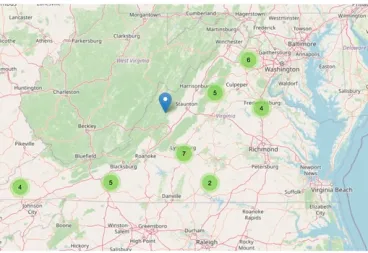
HHCA 15th Annual Spring Highland Sale, May 2, live at the Springfield Livestock Marketing Center with DVAuction online bidding.
-
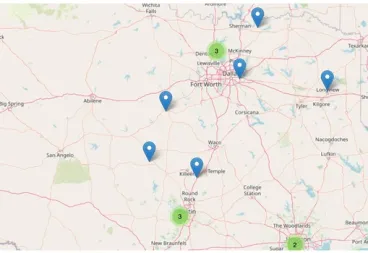
Pandarosa Ranch and Little Lone Stars Live Auction, May 2, in-person at a Texas venue with simultaneous online bidding via Pandarosa Online Sales.
-
MWHCA Highland Cattle Sale at Smokey Lane Stables, May 9, live ring in Sugarcreek, Ohio with cowbuyer.com online bidding.
-
Mother's Day Weekend Auction hosted by Seven Daugherty Farm, May 9, online no-reserve multi-consignor event on the Creatures platform.
-
Highland Hill "To The Moo'n and Back" Mother's Day Auction, May 10, online no-reserve from Highland Hill Miniature Cattle Ranch.
-
Creekside Highland Haven & Hauser's Homesteads Elite Highland Genetics, May 10, online no-reserve joint sale on hornsnhoovesauction.com.
Highlights from each below, then a deeper look at what the cycle as a whole tells us about what's actually driving results in highland sales right now.
HHCA 15th Annual Spring Highland Sale, May 2
Heartland Highland Cattle Association's flagship spring event at Springfield Livestock Marketing Center in Springfield, Missouri. Hybrid live ring with DVAuction online bidding. 60+ consignors from across the country.
-
180 cattle lots, all sold. Gross $659,750.
-
Average $3,665, median $3,000. High sale: Lot 1031 at $15,000 (Flint Ridge Farms heifer). Low: $850.
-
Females (123 sold): average $4,187, median $3,500. Males (45 sold): average $2,149, median $1,500. Heavy steer presence pulled the male average down.
-
The catalog spans tiers from premium AHCA registered cattle (the 1000s, averaging ~$6,500) to commercial-tier stock (the 2000s, closer to $1,300). Halter trained cattle commanded a meaningful premium over non-halter cattle, consistent with the pattern from the April Roundup.
What makes this sale work: Fifteen years of running the same sale at the same venue with the same association behind it. That kind of continuity builds a buyer following you can't shortcut. Consignors trust the catalog will be marketed; buyers trust the cattle will be quality-screened. The 60+ consignor breadth reflects that institutional reputation. The hybrid format keeps it accessible to both live ring traditionalists and remote buyers without making either feel like an afterthought.
Pandarosa Ranch and Little Lone Stars Live Auction, May 2
Live ring sale at a Texas venue with simultaneous online bidding via Pandarosa's W2 platform. Single consignor (Pandarosa Miniature Ranch, based in Illinois but the cattle were physically transported to Texas for sale day).
-
68 cattle lots, all sold. Gross $1,399,750.
-
Average $20,585, median $20,000. High: Hercules at $71,000 (Mini/Mid Blue Roan Highland Bull). Low: $6,500.
-
4 wooly mini donkey lots added another $103,000 in gross.
-
Blue roan was the standout color tier. All five of the top sales were blue roan or HighPark. Chondro positive heifers commanded a meaningful premium over chondro negative.
-
"Steer/Bull Option" mechanic: 24 of the 68 cattle lots sold under this option. The listed price is the steer price, and buyers can elect to keep the animal as a bull by paying double. Full upside if every option goes to bull would add roughly $312,000 to the gross.
What makes this sale work: Pandarosa has invested heavily in brand visibility, with consistent social media presence, high-production-value photography, and content that builds anticipation well before sale day. The Texas venue relocation puts cattle in front of a different buyer pool than Illinois alone reaches. Single-consignor sales at this volume need that kind of audience-building work to clear; the buyers who showed up came specifically for a Pandarosa-branded animal. Like any program with strong marketing, Pandarosa has both an enthusiastic buyer base and a set of breeders who'd run their own programs differently. The cross-sale themes section below talks more about the broader philosophy diversity in the highland community.
MWHCA Highland Cattle Sale at Smokey Lane Stables, May 9
Midwest Highland Cattle Association annual sale, hosted this year at Smokey Lane Stables in Sugarcreek, Ohio (Amish Country). AHCA registered focus. Hybrid live ring with cowbuyer.com online bidding.
-
34 lots offered (28 main catalog + 6 added lots), 28 sold. All six no-sales came from the "added lot" section at the back of the catalog; the main catalog sold through completely.
-
Gross $205,750. Average $7,348, median $6,450. High: Lot 1637 CAM Belle + B&R Ranch Cruise at $30,000 (cow-calf pair).
-
Females averaged ~$7,500; bulls averaged ~$7,100. Tight male-female spread compared to other sales this cycle, likely because the male catalog skewed toward herd sire bulls rather than steers.
What makes this sale work: Destination weekends create community in a way pure online sales can't. Friday networking, Saturday morning annual meeting, barn viewing, noon cattle auction. Buyers who travel to Sugarcreek are there for the cattle and for each other. Amish country adds character that becomes a reason to come back. The AHCA registered focus sets a quality bar that the main catalog cleared cleanly. Worth noting for next year: added lots that join the catalog late tend to get less marketing lead time and less bidder attention than lots in the main catalog, a pattern we've seen at other association sales too.
Mother's Day Weekend Auction hosted by Seven Daugherty Farm, May 9
Seven Daugherty Farm brought together a great group of newer breeders for this multi-consignor online event hosted on the Creatures platform. No buyer fees, no reserves, and full pricing autonomy for each consignor. The catalog covered a mix of species beyond just highlands, including Babydoll Southdown sheep and donkeys.
-
52 lots offered, 22 sold across the full catalog: 14 cattle, 3 donkeys, and 5 Babydoll Southdown sheep.
-
Cattle (14 sold): $45,225 gross. Average $3,230, median $2,825. High sale: Ruth at $7,500 (Highpark heifer, via Buy Now). Low: Casper at $1,200 (Highpark bull).
-
Non-cattle sidecar: 3 donkeys cleared for $3,625 combined, and 5 Babydoll Southdown sheep cleared for $1,695 combined.
-
Buy Now turned out to be a real feature of this sale. Seven of the 22 sold lots cleared at the seller's listed Buy Now price before bidding even opened (Ruth, Maisey, Blanch, Diesel, and Saint on the cattle side, plus Eva and Emma among the sheep). That's the strongest Buy Now signal we've seen on any Creatures event, and it gave sellers who'd set a defended price a clean way to transact with buyers who wanted certainty.
-
The most active bidding of the entire event came from the donkey lots. Bray drew 39 bids, Tonto drew 33, both well above any cattle lot in the catalog. Worth keeping in mind for organizers thinking about catalog mix: a few different species in the same event can pull in buyer pools that wouldn't have shown up for a single-species sale.
-
For sellers whose lots didn't move during the event window, several of those animals are now available as fixed-price listings on Creatures where buyers who took notice during the event can reach out directly. Multiple consignors also reported gaining new followers and receiving inquiries about their programs as a result of the visibility, which is real program-building value regardless of which specific lots cleared.
What makes this sale work: Lindsey designed an event where sellers kept full control of their own pricing strategy, where buyers had a clean Buy Now path if they wanted certainty, and where the social side of putting animals in front of an audience mattered as much as any specific sold checkmark. Many small farms are still figuring out what they want from online sales events, and Lindsey's group of consignors helped expand the playbook for what these events can look like. Worth following them and their programs after the sale; many are continuing to list animals on Creatures and elsewhere, and the inquiries that opened during the event window are still working their way through.
This is also the kind of sale I’m hoping to see more of on Creatures, hosted by different organizers with their own communities of sellers, in the same way CowBuyer, DVAuction, and the W2 Auctions platforms serve as venues for events organized by all kinds of breeders, associations, and ranches. Creatures is built to support that, and I’m grateful Lindsey took the lead in showing what an organizer-led Creatures event can look like.
Highland Hill "To The Moo'n and Back" Mother's Day Auction, May 10
Online single-consignor sale using the W2 platform from Highland Hill Miniature Cattle Ranch in Miles, Iowa. Their third sale we've tracked. All no-reserve.
-
12 lots, all sold. Gross $87,850.
-
Average $7,321, median $6,475. High: Rocky at $13,500 (Micro/Mini Silver Highland Bull). Low: Domino at $2,600.
-
The catalog leaned heavily toward micro/mini and mid/mini heifers and bulls, with HighPark and Highway breeds well represented alongside straight highland.
What makes this sale work: Tight curation and a consistent track record. Twelve lots is small enough that every animal gets the attention it deserves in the catalog. The repeat customers who showed up have bought from Highland Hill before and trust the program. No-reserve plus a focused catalog plus an established consignor produces the kind of clean engagement the format is designed for. This is a model smaller breeders can realistically follow: don't try to be the biggest brand in the market, just be consistent and well-presented at the scale you actually operate.
Creekside Highland Haven & Hauser's Homesteads Elite Highland Genetics, May 10
Joint two-consignor online sale hosted on hornsnhoovesauction.com, another W2 Auctions tenant we hadn't tracked before. Both consignors based in Nebraska.
-
17 lots total: 15 cattle plus 2 semen lots, all sold. Gross $137,350 (cattle) plus $755 in semen lots.
-
Average cattle price $9,157, median $8,250. High: Chief at $25,000 with 77 bids, the most-contested lot of the sale. Low: $3,600.
-
Per-consignor breakdown: Creekside Highland Haven (Mason City, NE) consigned 11 lots and drove $107,200 in gross. Hauser's Homestead (Crawford, NE) consigned 4 lots and added $30,150. Both consignors sold every animal they offered.
What makes this sale work: The joint-consignor model gives breeders more catalog presence than they could generate alone, without diluting into a 100+ lot association event. Two breeders pooling their best animals into a single 17-lot catalog is enough to build real bidding intensity. Both Creekside and Hauser's have meaningful reputations in highland circles, and the joint format compounded their reach. Worth watching as a template that other smaller breeders could replicate together.
What this cycle can teach us
A few patterns ran across all six sales worth pulling out together.
Marketing is the lever that matters most
The biggest variable across these six sales isn't format, platform, reserve policy, or starting bid strategy. It's the consignor's existing audience and the time they've invested in being visible.
Almost every program that performed at the top of its tier this cycle had years of marketing investment behind it. HHCA's strong sell-through reflects fifteen years of running the same sale at the same venue with the same association behind it, building an institutional reputation that draws buyers regardless of who's consigning in any given year. Highland Hill's repeat-customer base reflects three years of consistent presentation. Creekside and Hauser's reputations in the highland community brought a focused buyer pool to their sale. Pandarosa's pricing tier reflects ongoing brand-building work that puts their cattle in front of a specific buyer audience well before any sale day.
Each of these is a different version of the same point: buyers come to programs they already know. By the time a sale opens, most of the work has already been done.
The contrast is real and worth being honest about: a beautifully bred animal with no marketing behind it will struggle to clear on any platform. A more average animal with a strong story, good photos, and an engaged audience will outperform.
That's not a criticism of anyone. It's a description of how this market works right now.
Different programs, different philosophies
As the highland community keeps growing, the diversity of programs keeps growing too. Different breeders make different choices about how cattle are raised and what information is shared. Some keep calves on the dam through natural weaning; others bottle-raise from early on based on the impression that human handling from birth produces friendlier, more manageable adults. Some publish full sire and dam pedigree information for every animal listed; others share less. Some breed for specific micro/mini size targets and color patterns; others focus on traditional highland conformation and natural maternal traits.
None of these are inherently wrong choices, but they reflect meaningfully different philosophies about what makes a great highland program. Some buyers specifically seek out dam-raised animals because they value the maternal behaviors and full pedigree transparency. Others specifically seek out bottle-raised animals because of how today's market has come to associate that practice with closer human bonding and easier handling. Whether bottle-raising actually produces those outcomes more reliably than dam-rearing is a separate (and contested) question; what's clear is that buyer perception in this market currently treats them as different products.
When you're evaluating a program to buy from, think about which approach matches what you actually want from a highland in your pasture. A bottle-raised heifer is a different animal in temperament and development than a dam-raised one. A heifer with documented sire and dam is a different proposition than one with partial pedigree information. These aren't quality questions; they're values questions, and the answers will vary by buyer.
Sales results reflect what buyers are valuing at any given moment, not which approach is right.
What any of us can do about it
Nothing in the marketing playbook is platform-specific. The same things work on Facebook, Instagram, Creatures, your own website, or just by word of mouth at the next association meeting:
-
Take better photos. Natural light, clean backgrounds, the animal calm and at rest. One excellent photo beats ten mediocre ones. If your phone takes blurry barn-light pictures, ask a friend with a better camera, hire a local photographer, or invest a couple hundred dollars in a basic setup.
-
Tell stories, not just specs. Buyers want to know who this animal is. Her temperament. What her dam did at calving. The funny thing she does at feeding time. Chondro status and DOB are necessary but not the actual hook.
-
Show up consistently. Post about your program weekly, even when you're not selling. Buyers buy from people they've been watching for months before they reach out.
-
Engage with comments. Reply to questions in a way that makes the buyer feel like a real person was paying attention. The buyers showing up to the strongest sales aren't strangers; they've been in those programs' comment sections for years.
-
Build slowly. Every established program in the highland market started small. Reputation compounds over years of consistent presence, and the breeders dominating sales today were where most of us are now five or ten years ago.
The format choices that worked
Beyond marketing, a few format observations:
-
Hybrid live + online events sold through cleanly (HHCA, Pandarosa, the main MWHCA catalog all moved nearly every lot). The combination of physical inspection for local buyers and remote bidding for everyone else reaches the widest possible pool.
-
No-reserve formats produced clean transactions wherever they were used (Pandarosa, Highland Hill, the Creekside and Hauser's joint sale, and the Mother's Day Weekend sale). When buyers know the seller has committed to selling, they engage differently than they do under reserve uncertainty.
-
Buy Now is emerging as a useful third path between traditional reserve and pure auction bidding. The Mother's Day Weekend on Creatures saw the strongest Buy Now adoption we've tracked yet. Buy Now gives buyers certainty when they want it and gives sellers a defended floor. Worth watching how usage evolves across future events.
The female premium continues
For sales with a meaningful male-female mix, females priced well above males. HHCA females averaged about 2x males, consistent with the breeding-stock pattern we noted in April. This holds across every breeding-focused highland sale we've tracked and is the standard market behavior for any animal whose primary economic role is reproduction.
Coming soon to Creatures
I’m super excited to share about a couple new features I’m building right now.
Animal-aware bookkeeping: A complete financial operating system built for farms and breeding programs, not retrofitted from a generic accounting tool.
Genetics inventory and marketplace. Track every semen straw, embryo, and hatching egg across different locations, with parentage chains back to known sires and dams. List inventory by the straw, embryo lot, dozen hatching eggs, or however you’d like!
Coming up
Monday May 25 (Memorial Day)
-
Willoughby Livestock Highland and Miniature Highland Memorial Day Online Sale. National multi-consignor sale on wlivestock.com. Catalog is still building, currently with 4 consignors and 4 lots. We'll cover the results in the next newsletter.
Thanks for reading, and a big thank you to every consignor, organizer, and buyer who made this cycle worth covering. If there are sales you'd like me to track, send the link and I'll add them to the calendar. Please reply anytime with feedback, corrections, or stories from your own program. I read every one and always try to reply.
– Elliott
Health records, weights, breeding notes, and photos, organized on a free Creatures profile.
Read More

Small Cows, Big News. Welcome!
Hello, everyone! Spring Auction Roundup: Five Sales, $800k, and Some Honest Math It's been a busy spring with lots of sales to review and a few fun ones coming up! Of course, I should highlight the very first online auction being held on my own Creatures platform coming up on April 25. I have a […]

Small Cows, Big News. Welcome!
Well howdy, everyone! Thanks to all our new subscribers in the last week! Please share far and wide with others in our little community who might be interested. You can send them to this link for the easiest free signup. If you missed the first couple newsletters, you can find them right here. No Big Numbers […]

The February Data Drop: 70 Animals Across Four Sales
Howdy friends, Four sales hit in February, two on Super Bowl Sunday, and together they moved 70 live animals for just over $750,000. The data tells a remarkably consistent story across very different catalogs, formats, and consignors. And one animal broke $40k, which we should talk about. Let's dig in. Pandarosa Ranch Valentine's Sale — […]

5 sales, $850k, and the real bull market
Hello, everyone! Spring Auction Roundup: Five Sales, $800k, and Some Honest Math It's been a busy spring with lots of sales to review and a few fun ones coming up! Of course, I should highlight the very first online auction being held on my own Creatures platform coming up on April 25. I have a […]

What I learned running my first big auction (and 4 other April sales)
Hey everyone, The last ten days of April brought a cluster of highland sales worth covering. Five auctions, four different platforms, 201 cattle lots offered, 179 sold, for a combined $747,668. The sales were: The Scottish Highland Cattle Roundup, April 18 The Northwest Highland Cattle Association spring sale, April 25 The No Bull Highland and […]

News and Market Analysis for Livestock Producers
Data-Driven Market Intelligence Our Small Cows, Big News newsletter tracks every major highland cattle auction in North America with detailed pricing breakdowns, trend analysis, and market commentary. Recent coverage includes the 37th AHCA National Sale ( million+ in total sales) and February 2026 results covering 70 animals across four sales. Pair our auction data with […]

37th National Highland Sale Tops $1 Million
AHCA’s January 2026 National Sale totaled $1,050,650. See the Live Lot median, top results and separate semen, embryo and other categories.

December Highland Auctions: Five Sales, Very Different Results
Hi and merry Christmas! I figured a Saturday night watching college football was as good as any time for analyzing this last batch of auctions. December gave us five Highland-focused online auctions within a single week. Same buyer pool (mostly), very different outcomes. If you're trying to figure out how to price your animals or […]

Six Auctions. $1.6 Million. Two Very Different Markets.
$525 Steers to $20,500 Heifers: This Week’s Auction Highlights Howdy friends, Six auctions. 385 animals. Nearly $1.6 million in sales. And a price range that tells you everything about where this market is right now: a steer sold for $550 at the Fall Roundup while a “micro/mini” heifer hit $20,500 at Pandarosa a few weeks […]





