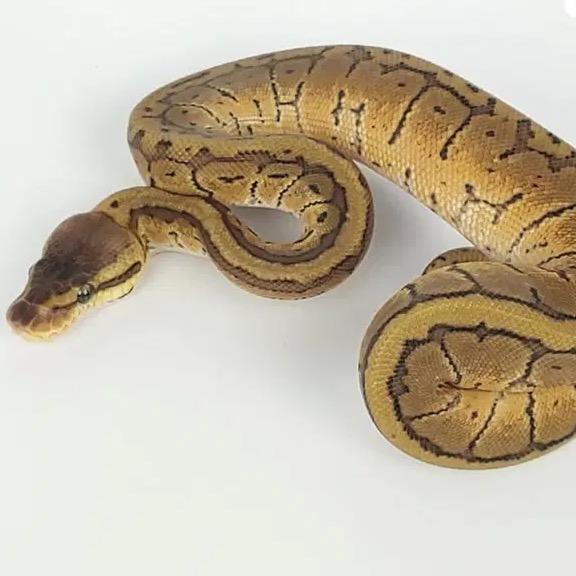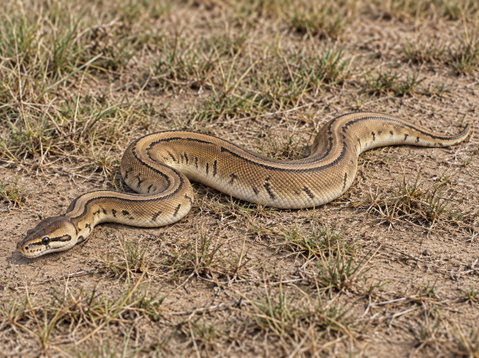
1/425%

Pick the parents. See the morphs, carrier chances and sourced health notes for each egg.
Per egg at conception, for the parent genotypes and assumptions below.
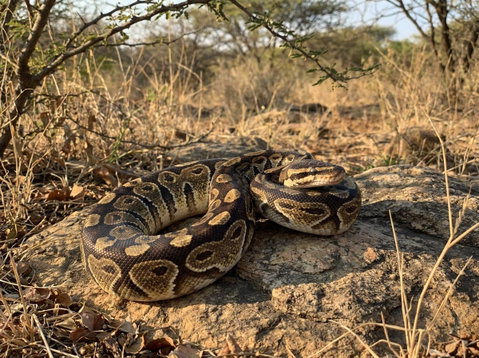
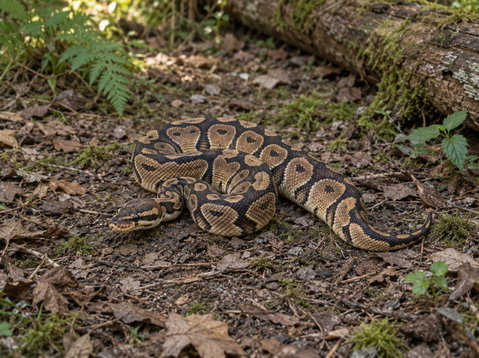
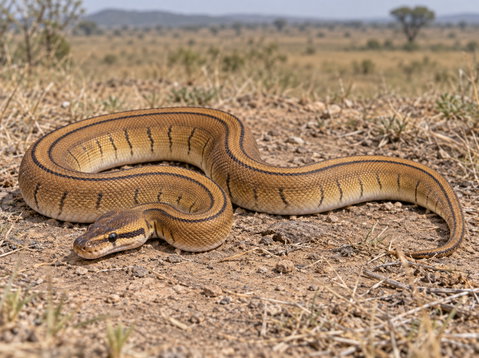
normal/Mojave · normal/Pinstripe
normal/Mojave
normal/Pinstripe
Names follow our reviewed naming rules; breeders sometimes use other names for the same combination. Health notes cover only reported, sourced problems; no result is a health promise.
Create a free Creatures account to save your ball python pairing result and keep your animal records in one place.
Pick the genes for each parent, or use your own ball pythons, and the calculator lists every baby the pairing can produce as an exact fraction per egg. It names the combinations our references agree on, shows het odds for babies that look normal, and flags reported health problems with their sources. When the genetics are not settled, it says so instead of guessing.
A few rules explain almost every clutch.
These are left out of the odds, with the reason shown.
Each parent passes one copy of every gene to each baby, chosen at random. The calculator lists every combination of copies the two parents can pass, adds up the chances, and names each result using reviewed naming rules. The odds are per egg, so a real clutch can come out differently.
When two hets are paired, two out of three of the normal-looking babies carry the gene, so breeders call each normal-looking baby a 66% possible het. If you enter a possible het based on pedigree odds, the calculator uses the figure you give as stated. If the figure comes from elsewhere, it shows both outcomes side by side instead of averaging them.
Banana sits on the sex chromosomes in a way that is not fully settled, so a male Banana tends to pass it mostly to sons or mostly to daughters depending on which parent he got it from. Predicting that needs the baby's sex and the father's history, which this version does not model, so Banana is listed as not included rather than guessed.
Yes, if both carry one hidden copy of albino. Each egg then has a 1 in 4 chance of being albino, a 1 in 2 chance of being a het like the parents, and a 1 in 4 chance of carrying no albino at all.
Spider, Champagne and several related genes are linked to a neurological wobble, and two copies of Spider or Champagne are reported to be lethal. The calculator still shows those babies at conception, with the warning and its source, because leaving them out would make the other odds look better than they are.
No. A result is a prediction from the genes you enter. Saving it never changes any animal's recorded genetics, and only breeding results or a test can confirm what a snake carries.