


Indian Peafowl
Pavo cristatus
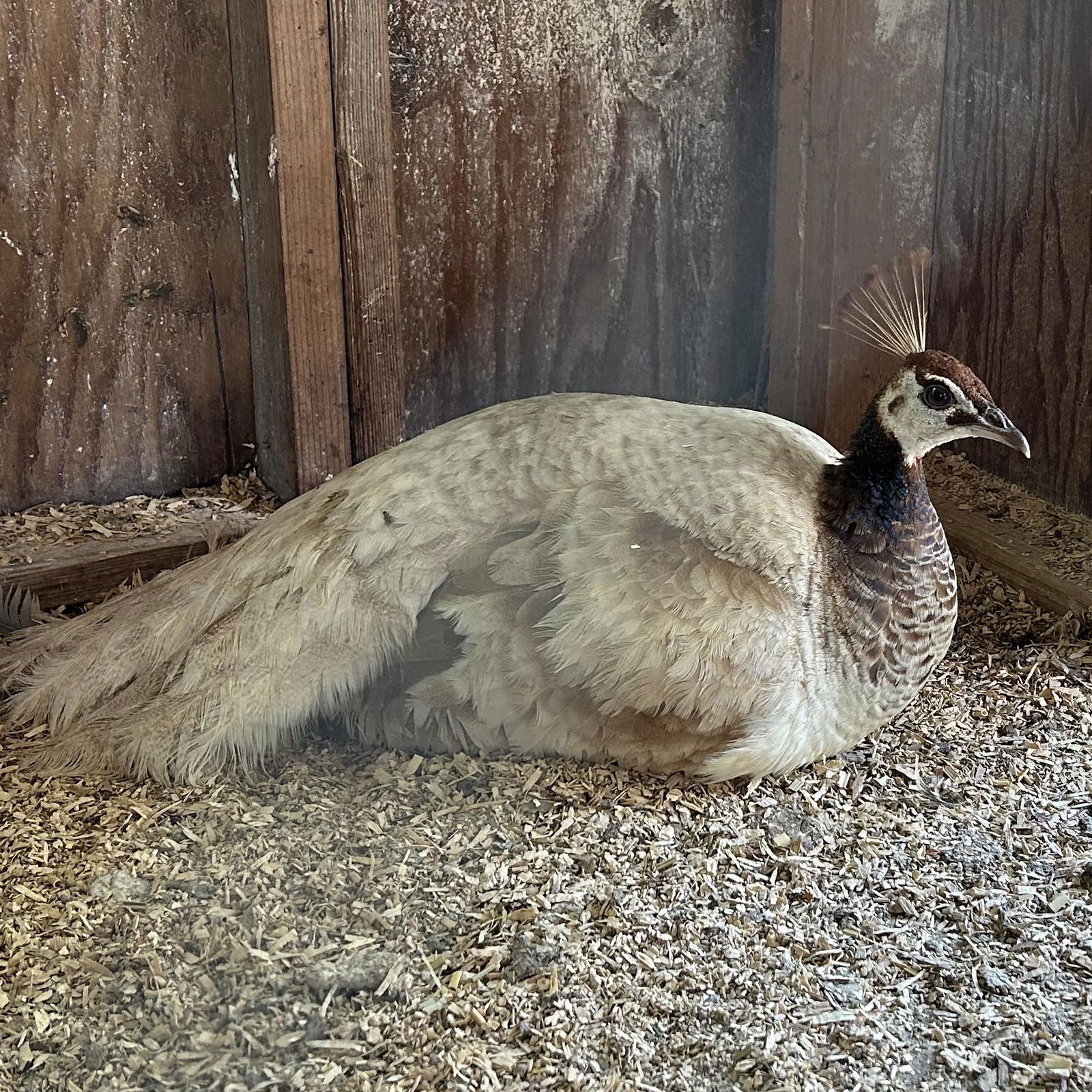
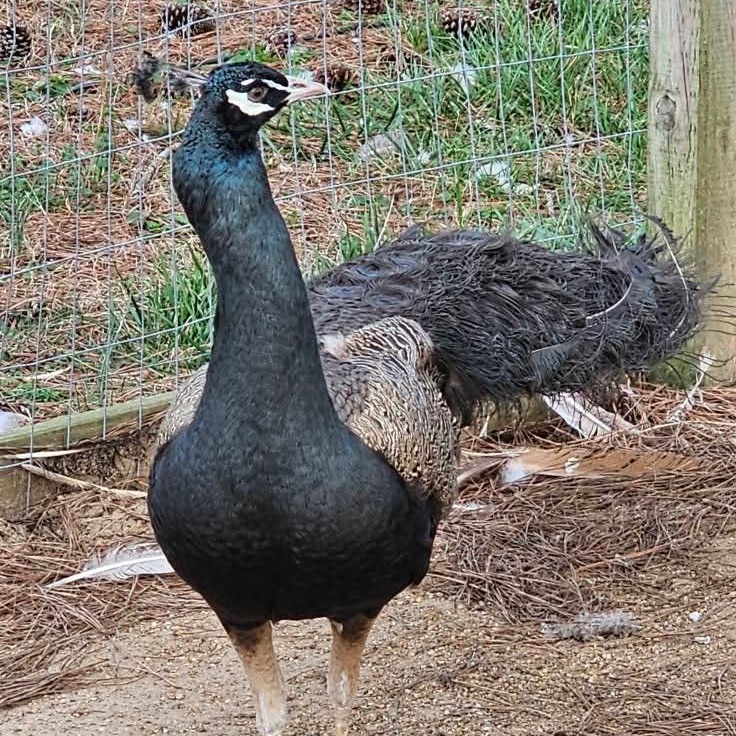
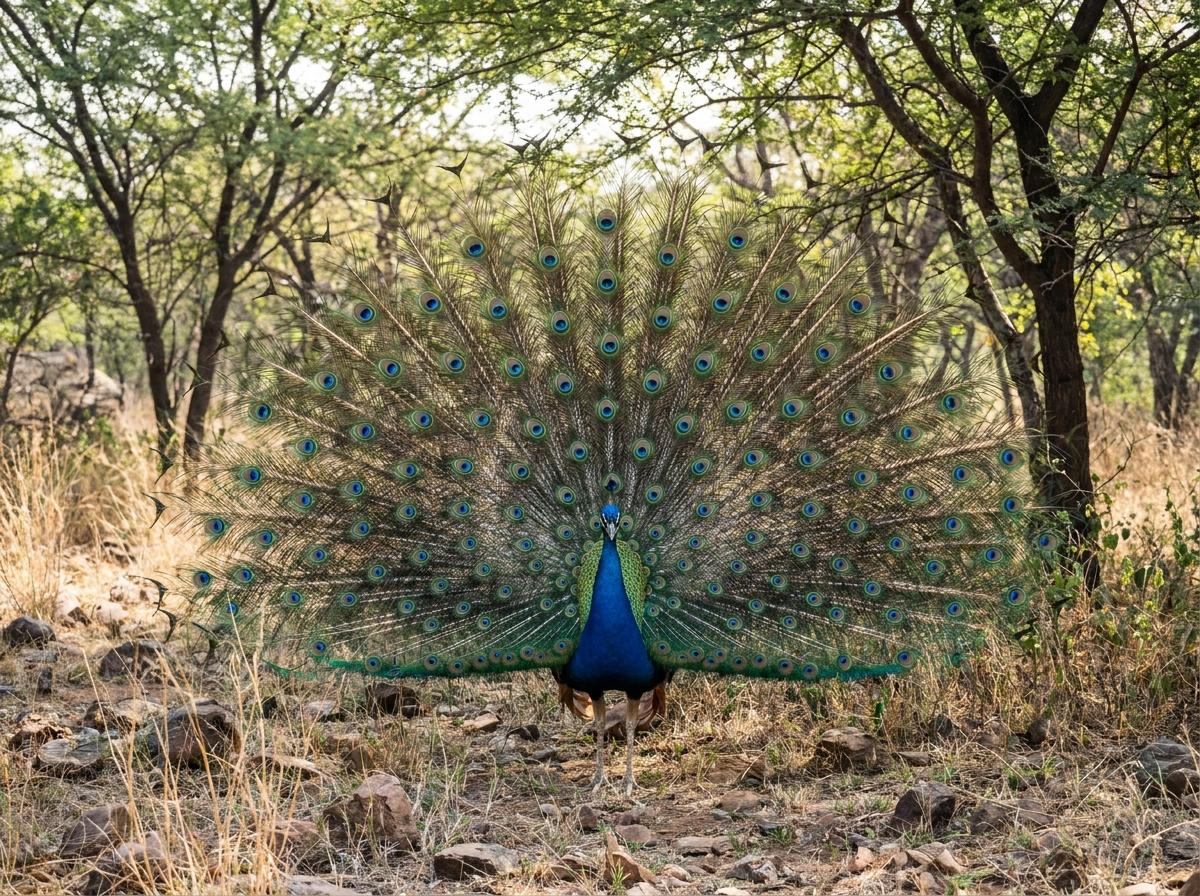
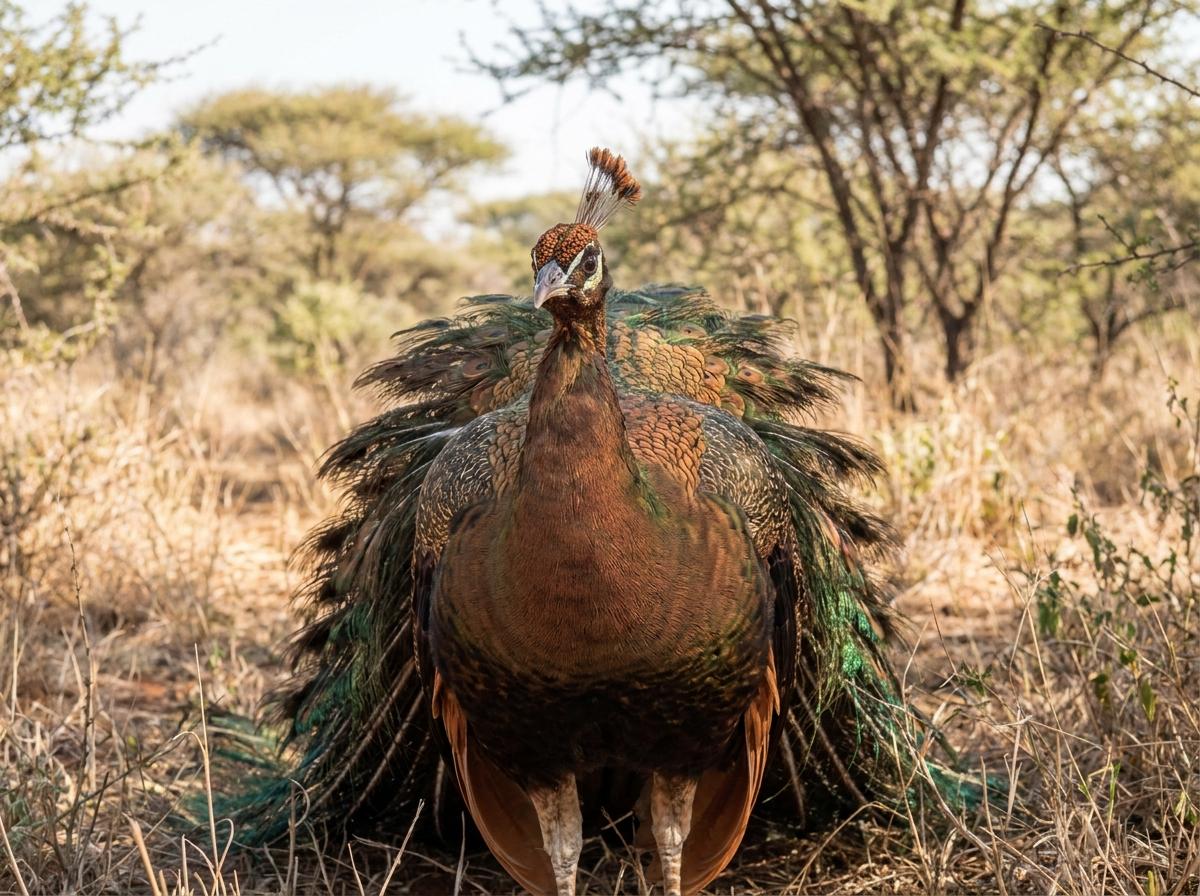
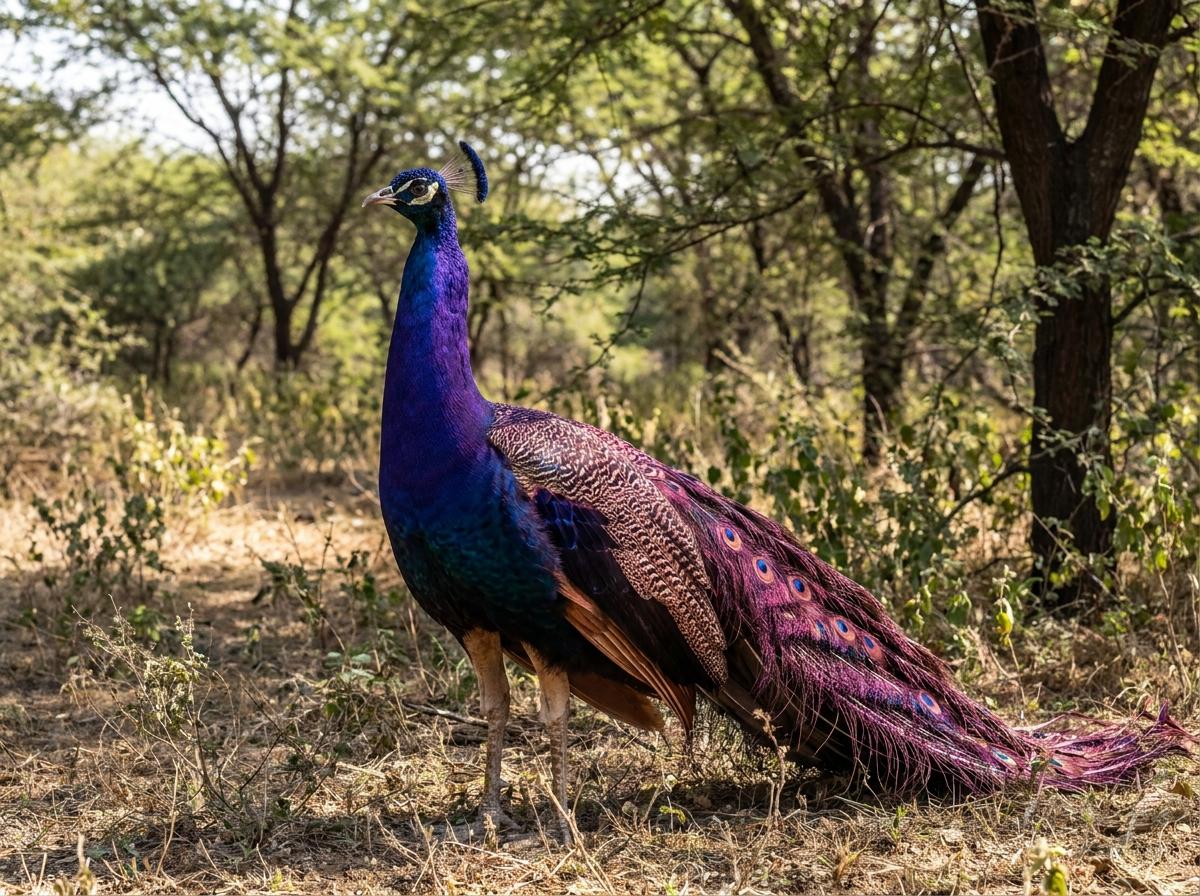
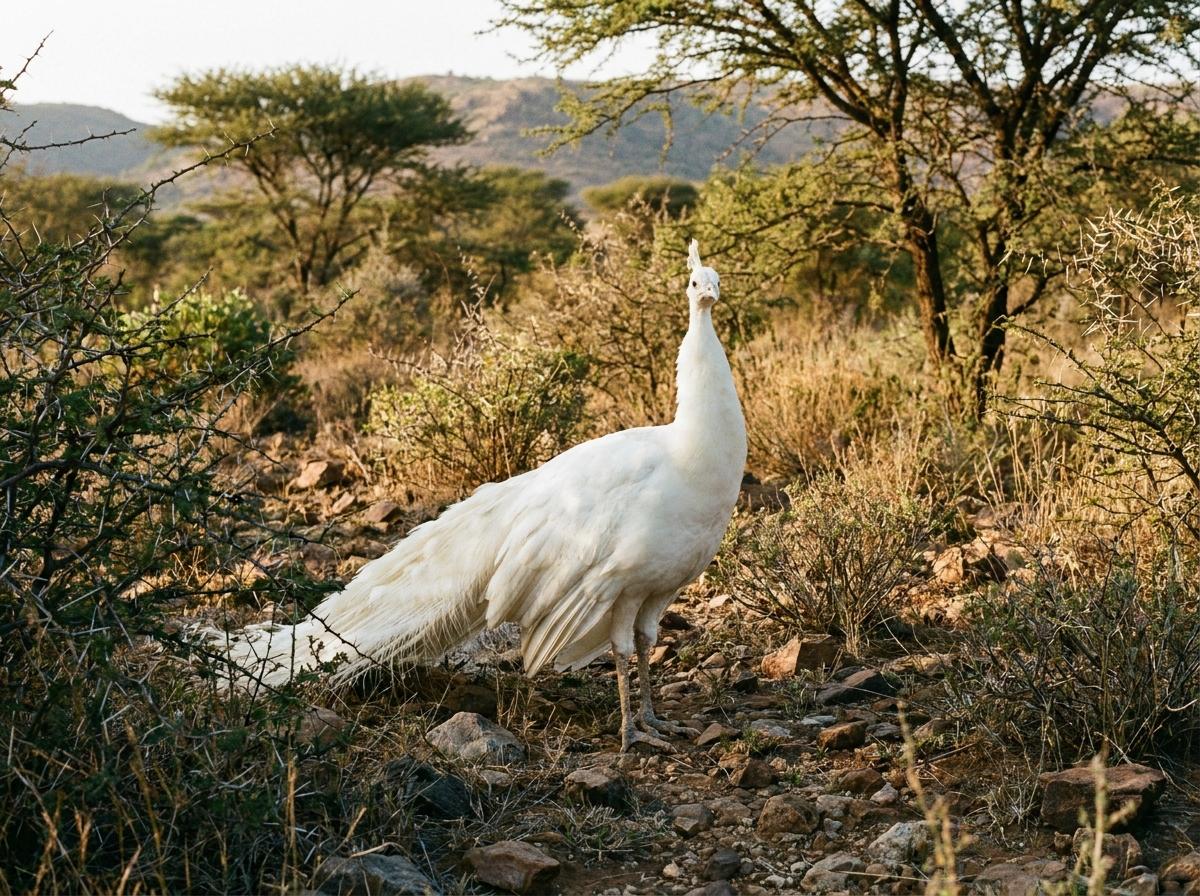
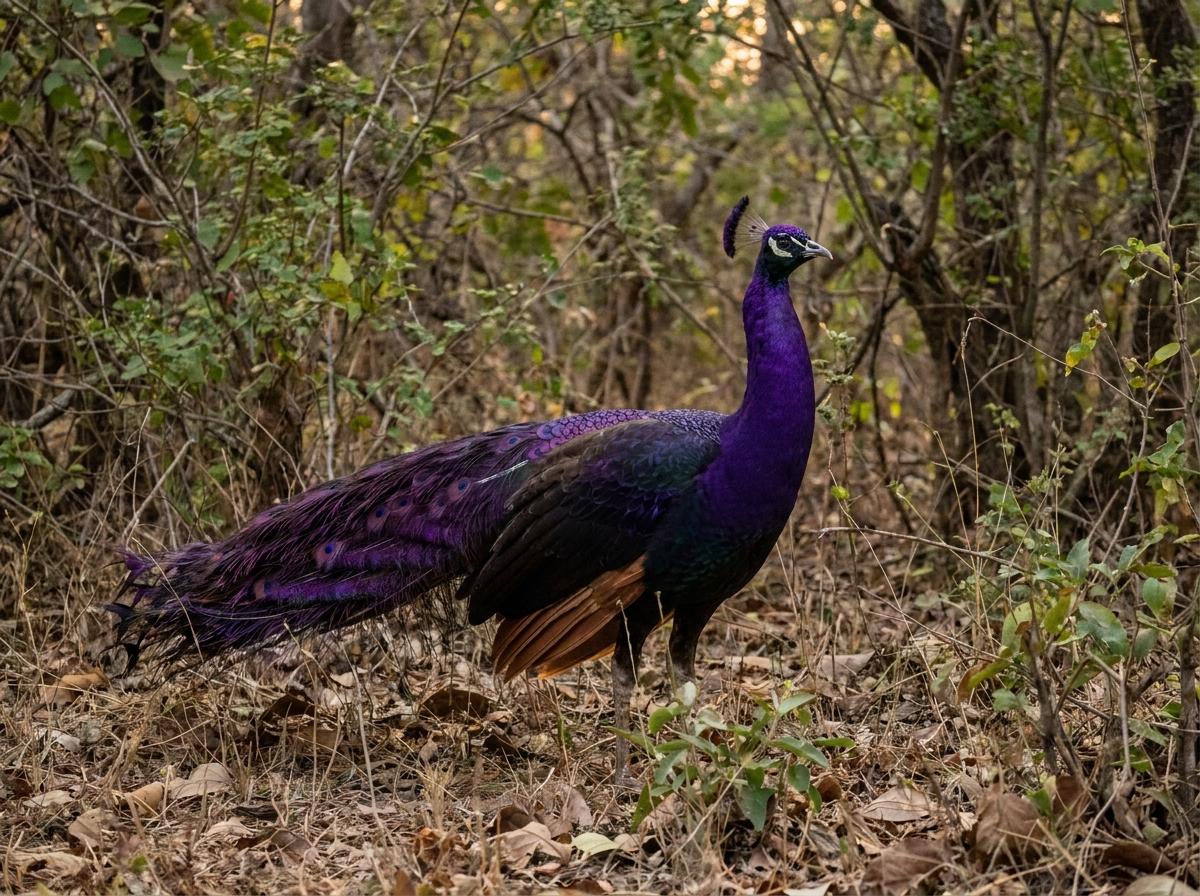
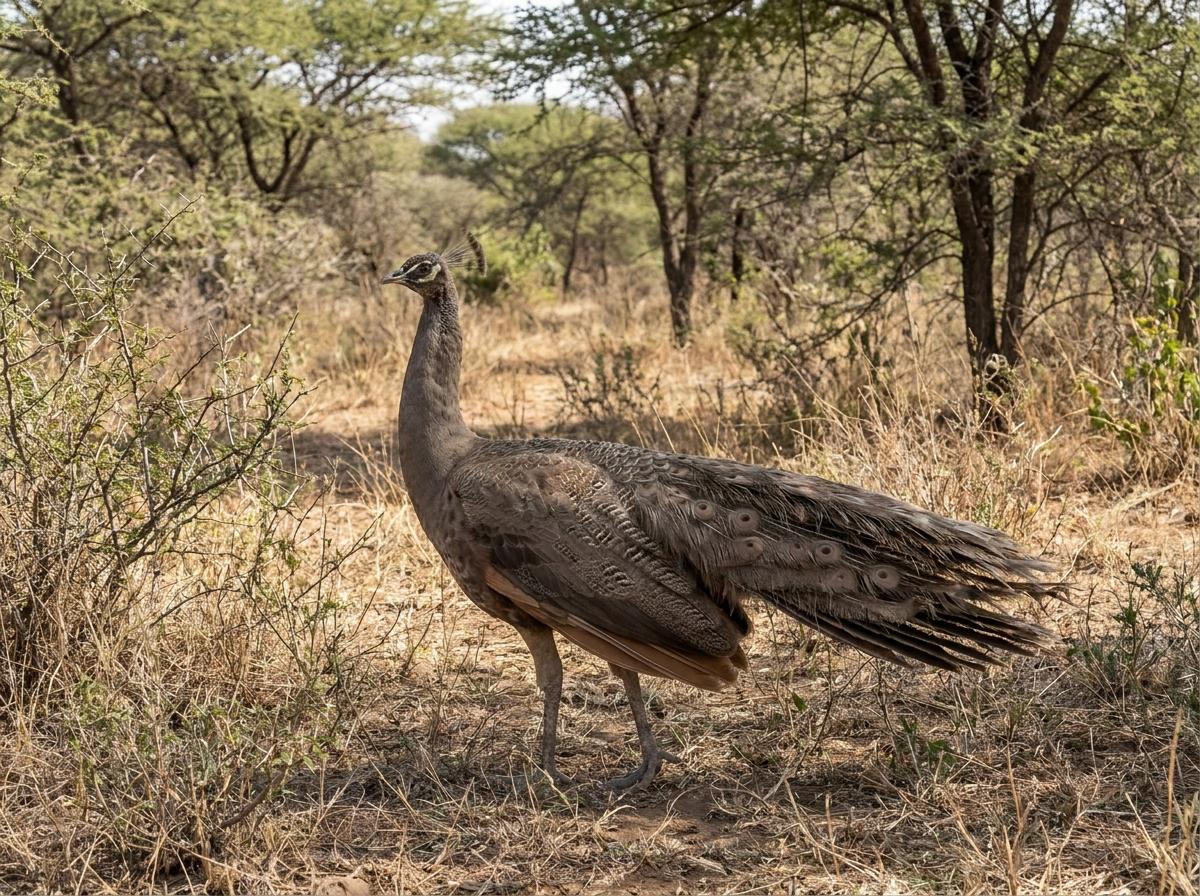
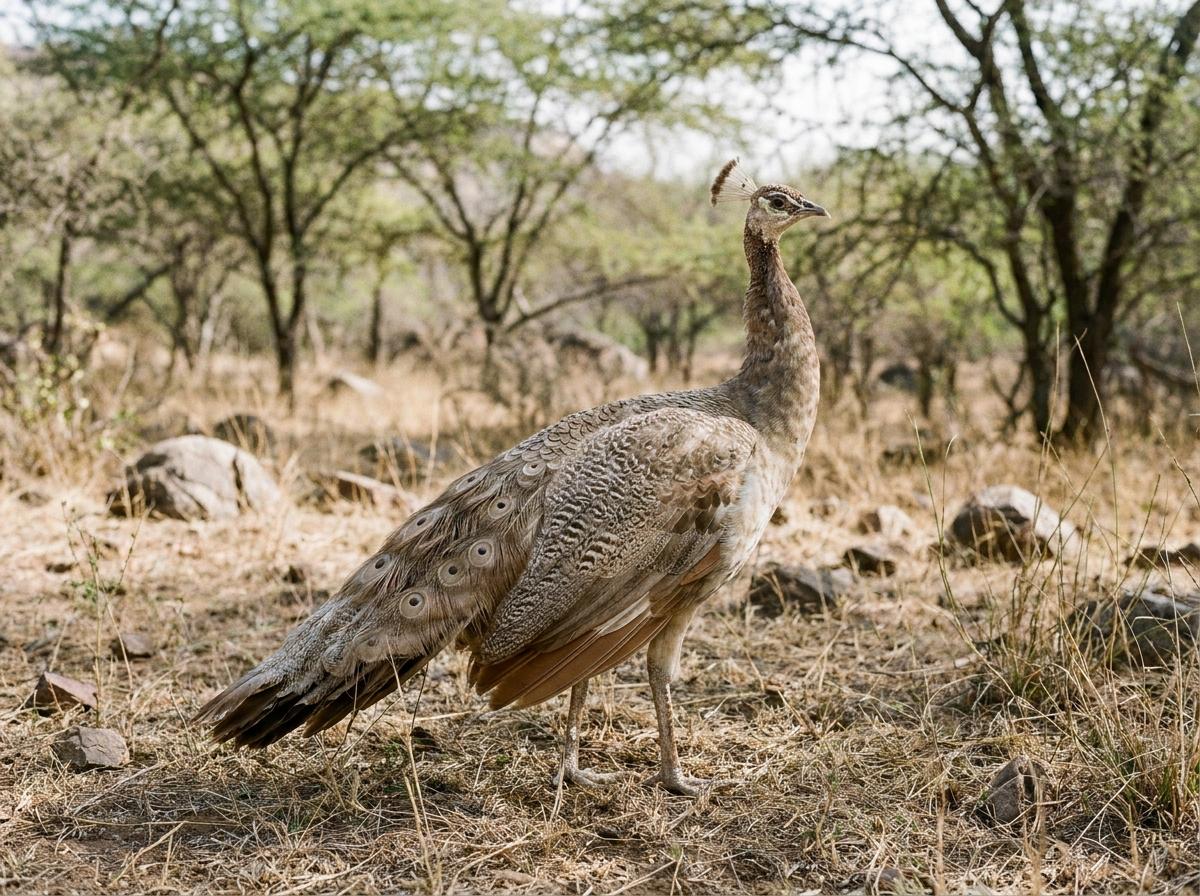
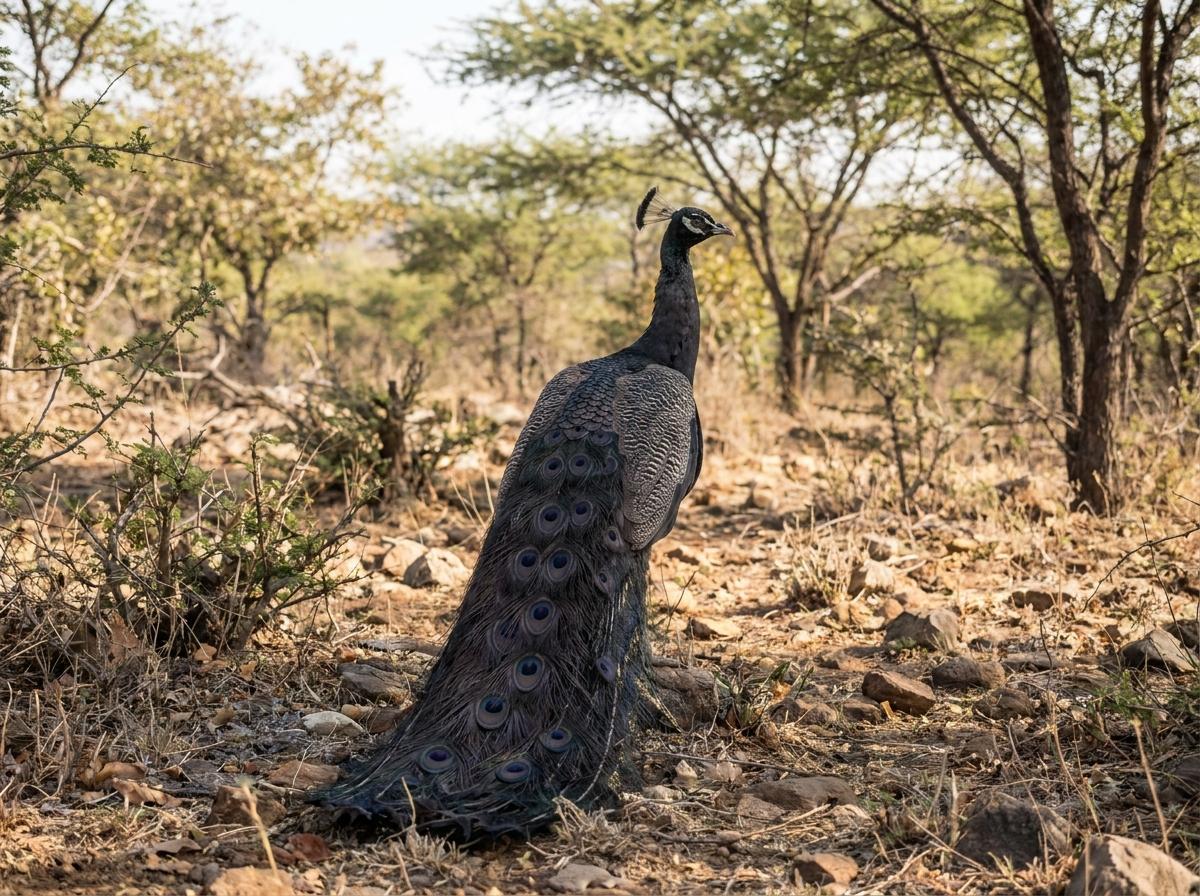
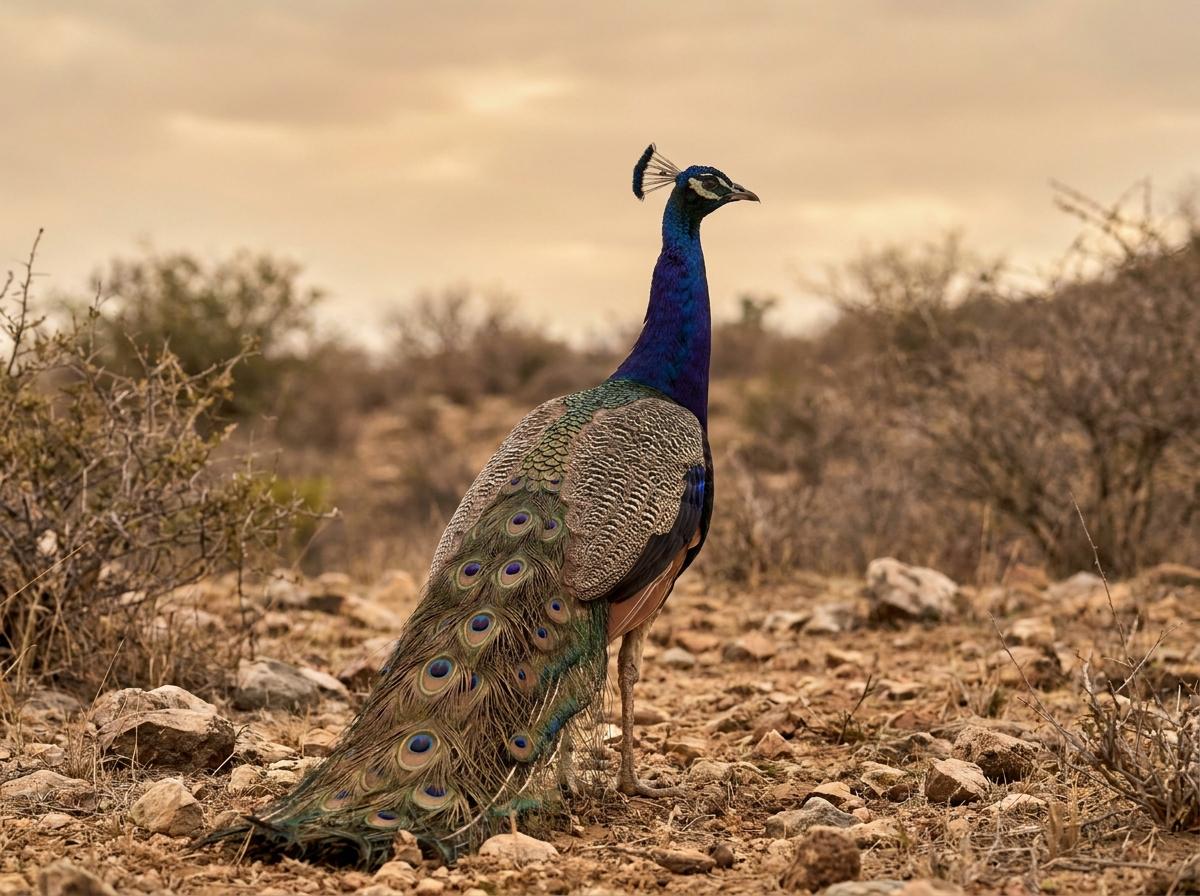
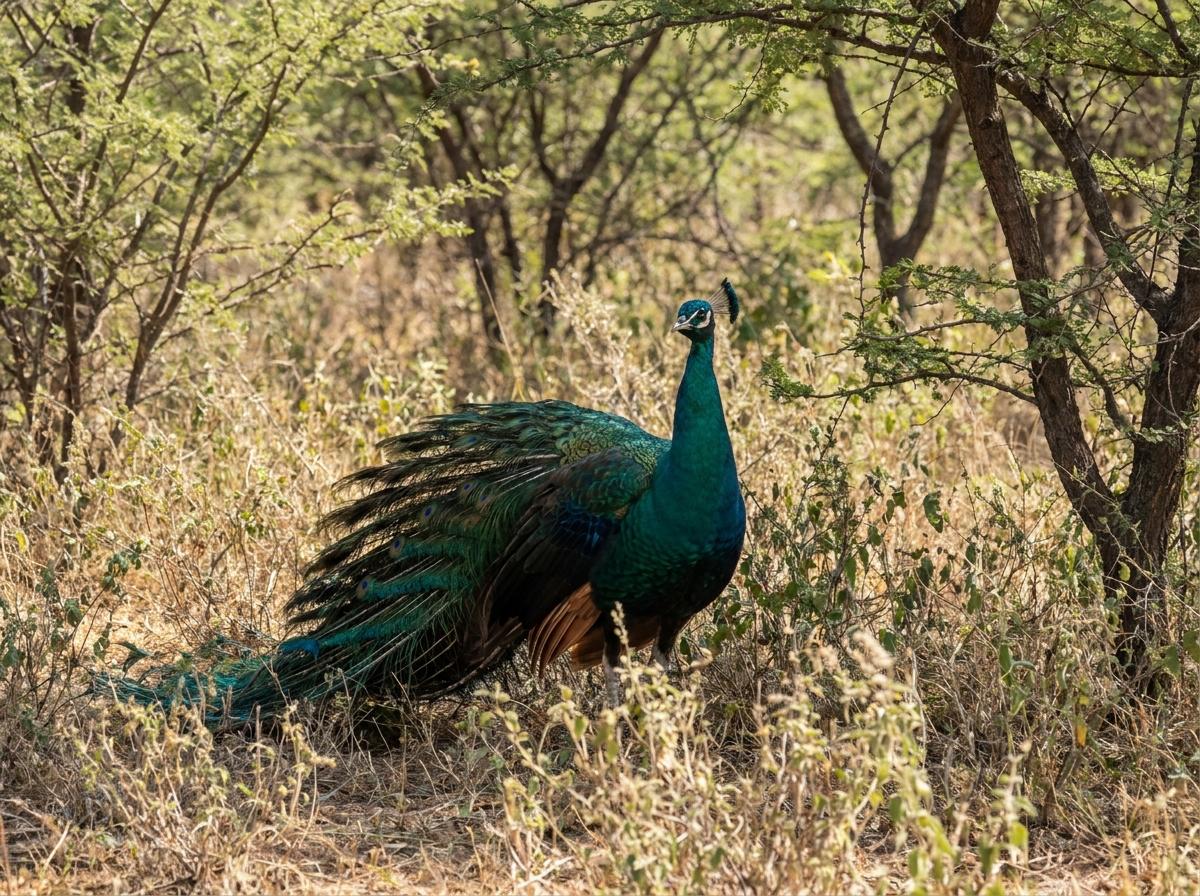
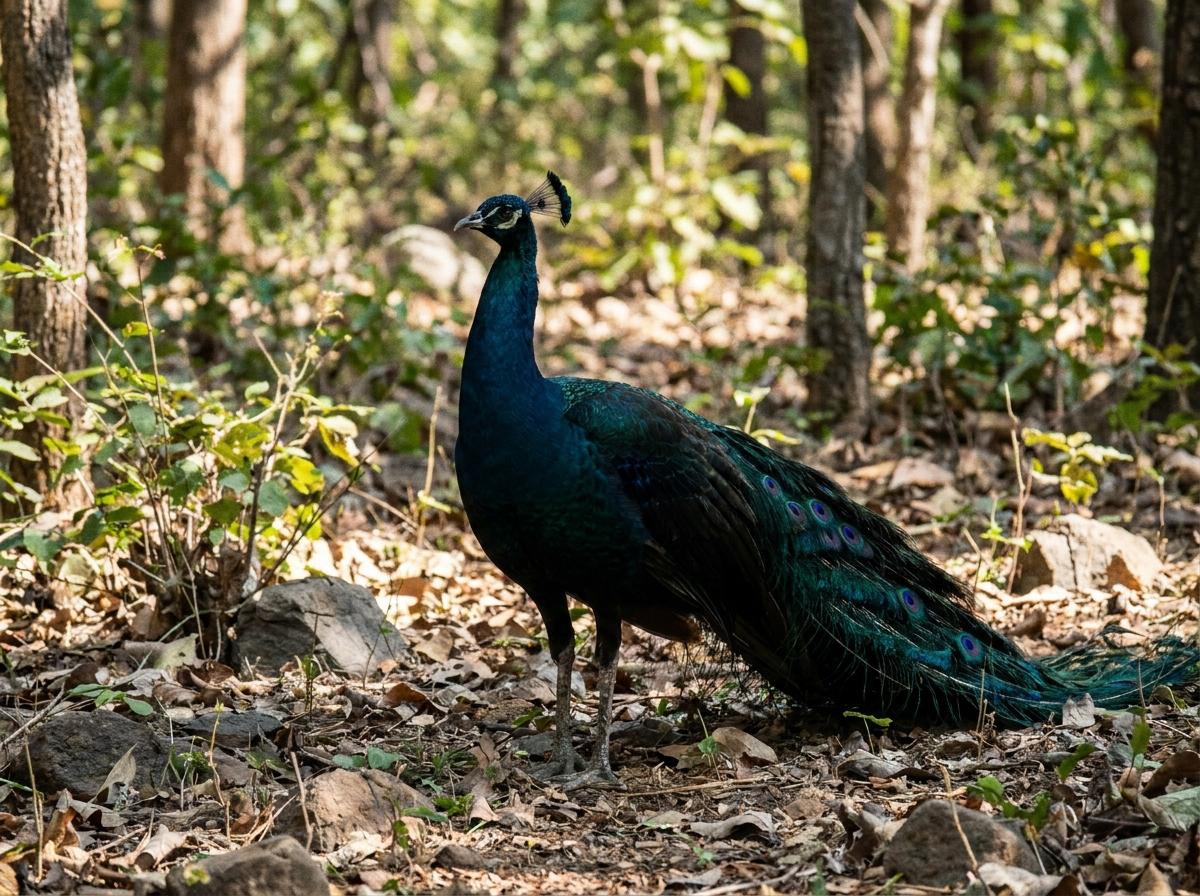
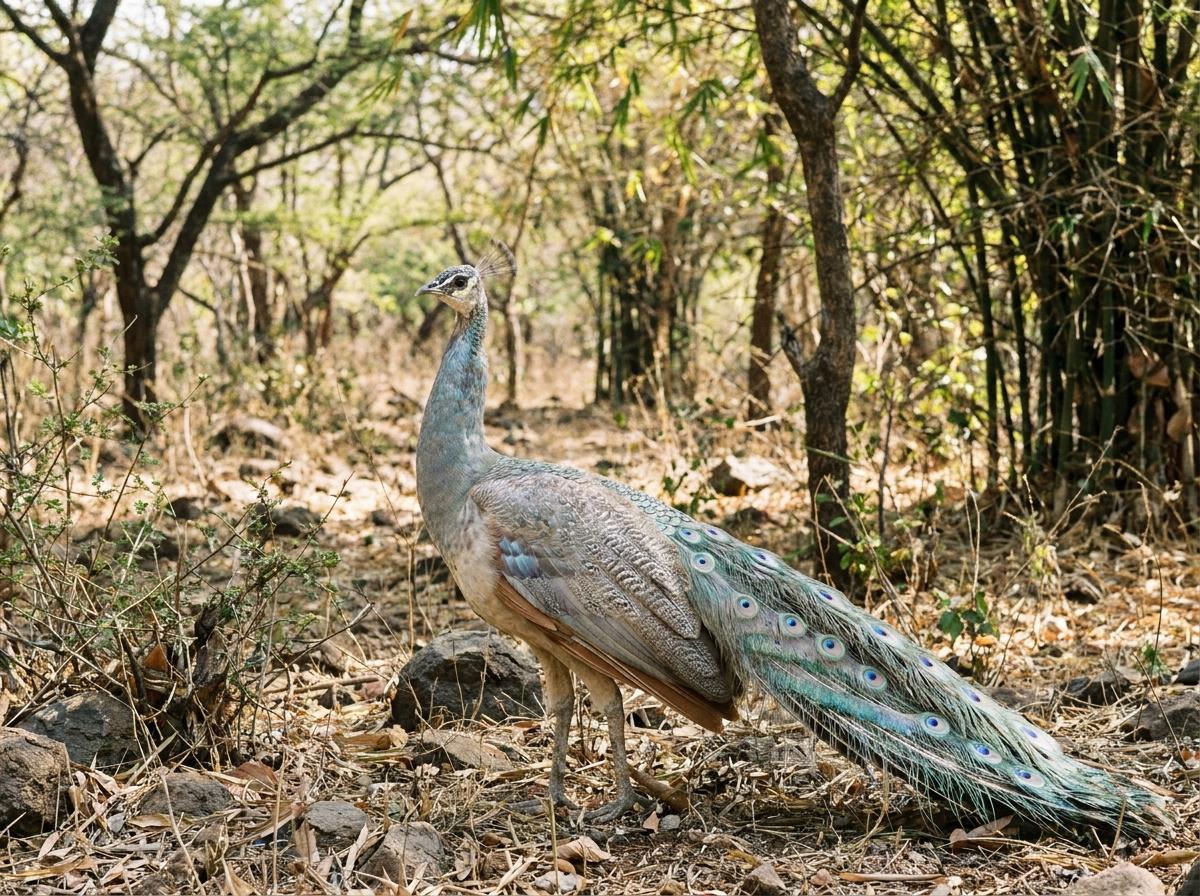
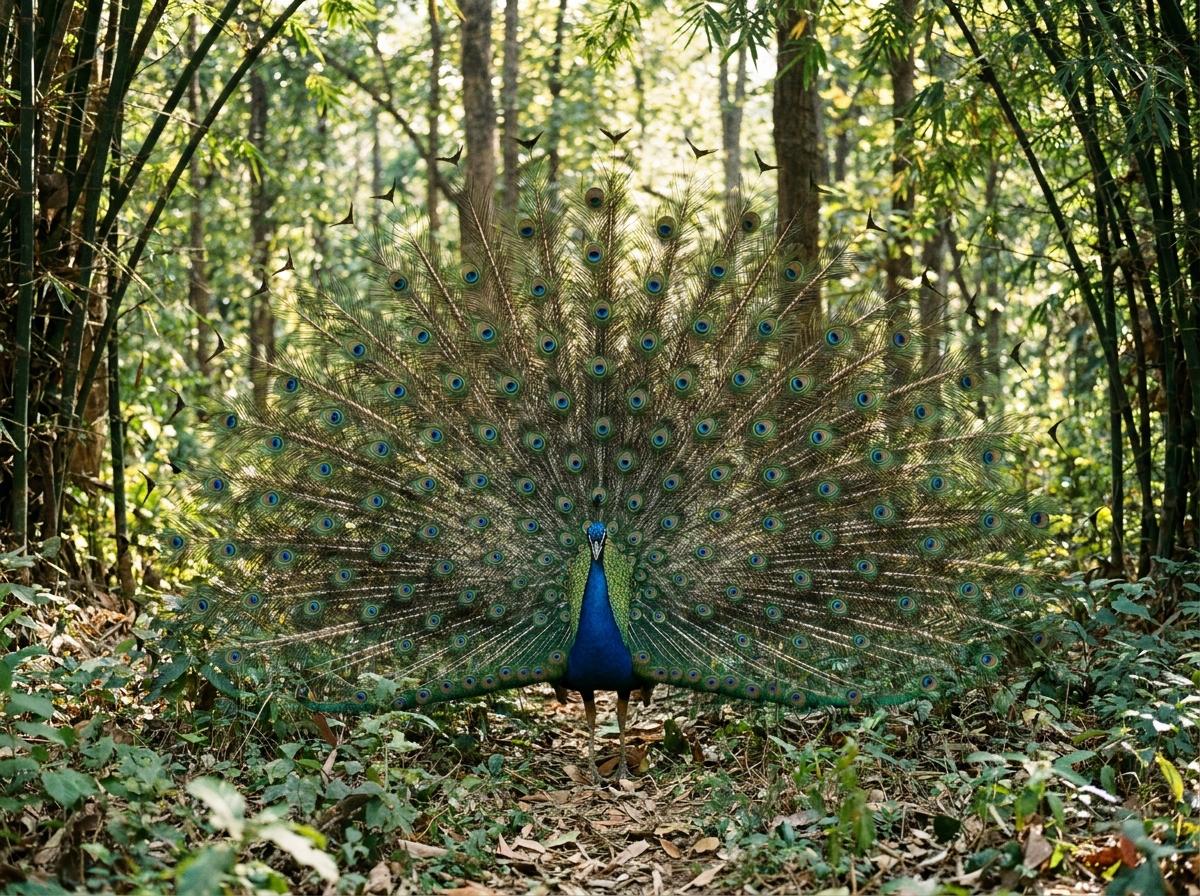
Indian peafowl (Pavo cristatus) are the familiar peacock and peahen of South Asia, now kept and feral in many warm parts of the world. Males carry iridescent blue necks and the long train of upper tail coverts marked with eyespots, while females are smaller, brown and green, and better camouflaged for nesting. The species uses scrub, farmland edges, villages, forest openings, and riverine areas, feeding on seeds, shoots, insects, small reptiles, and fallen fruit. White, pied, black-shouldered, and other color forms seen in collections are captive varieties of the same species.
On farms, estates, zoos, and private aviaries, Indian peafowl need more room than their ornamental image suggests. They roost high, call loudly in the breeding season, and may wander unless fencing or routine management keeps them home. A secure night shelter, predator protection, dry footing, and a gamebird-style diet supplemented with greens and foraging suit most managed flocks. Breeding groups are usually kept with one peacock to several peahens, and hens need quiet cover for eggs or incubator-backed management if predators are a risk. Local rules matter because escaped birds can become nuisance or feral populations.