


Western Gorilla
Gorilla gorilla
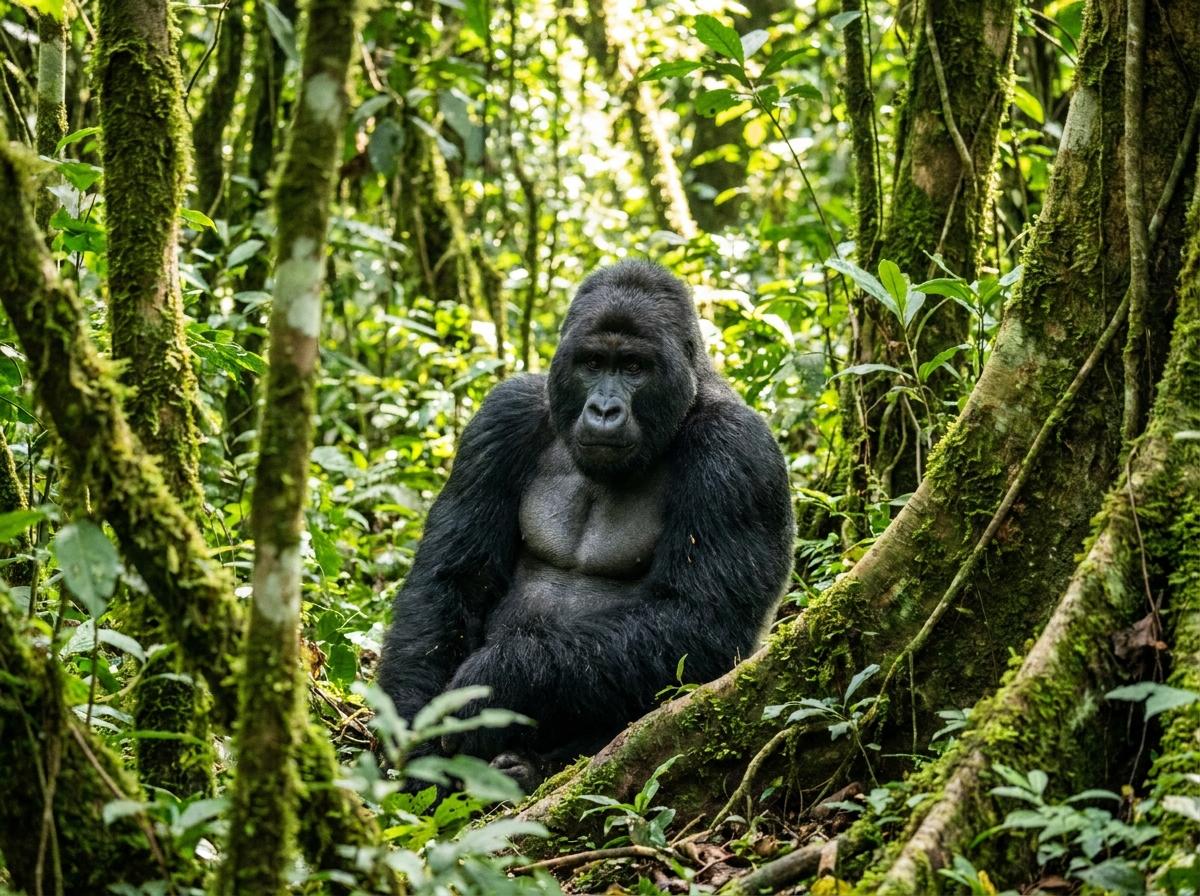
The western gorilla (Gorilla gorilla) is one of the two living gorilla species, native to the forests of west-central Africa. It includes the western lowland gorilla and the much rarer Cross River gorilla. Compared with eastern gorillas, western gorillas are generally a little smaller, with shorter hair, brownish-gray coats, and adult males that develop a silver saddle across the back. Their diet shifts with forest seasonality and may include fruit, leaves, pith, bark, and invertebrates. Social groups are usually led by a mature silverback with females, young, and sometimes additional males.
No gorilla is suitable for private ownership; human management belongs to accredited zoos, sanctuaries, field projects, and range-country wildlife authorities. Most captive animals identified as western gorillas are western lowland gorillas, managed through studbooks, behavioral planning, veterinary training, and complex social housing. In the wild the species is critically endangered, with pressure from hunting, habitat loss, disease outbreaks such as Ebola, and slow reproduction. Conservation work combines anti-poaching patrols, protected forest management, health surveillance, genetic monitoring from nests and dung, and long-term support for communities living near gorilla habitat.
Colors: Wild Type