Eastern Kingsnake
Lampropeltis getula
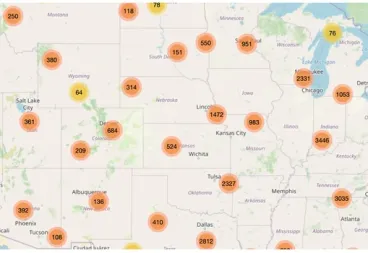
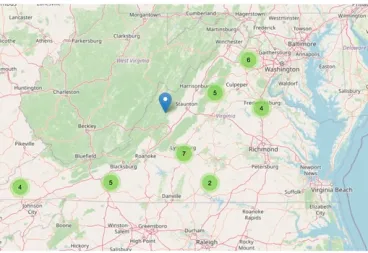
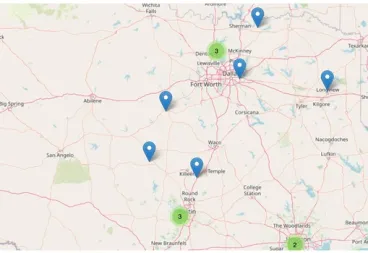
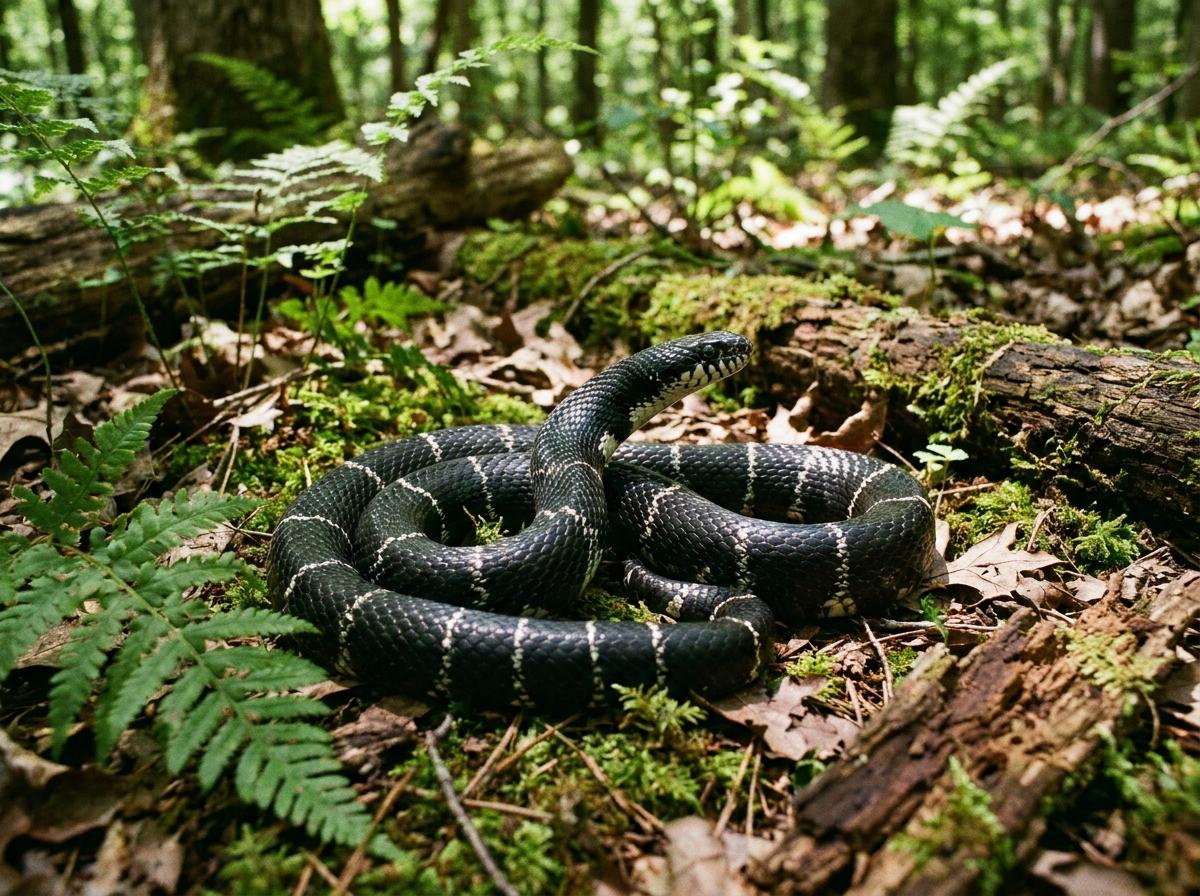
Eastern kingsnakes (Lampropeltis getula) are nonvenomous constrictors of the eastern and southeastern United States. Most have a glossy dark body crossed by narrow pale chainlike bands, though the pattern varies by locality. They occupy forests, fields, and wetland edges and take rodents, lizards, eggs, and other snakes.
This record covers the eastern or common kingsnake. California kingsnakes (Lampropeltis californiae) and Mexican black kingsnakes (Lampropeltis nigrita) have their own species records; historical Lampropeltis getula subspecies names should not be used to merge them here. Captive animals need secure solitary housing, hides, a thermal gradient, and reliable locality records.